Problem-Solving Skills Normal Building Vocabulary Worksheets for Ages 5-9
10 filtered results
-
From - To
Boost your child's problem-solving abilities with our engaging vocabulary worksheets designed for ages 5-9! These carefully crafted resources help young learners develop crucial skills while expanding their words and understanding. Each worksheet incorporates fun exercises that promote critical thinking and creative solutions, allowing children to explore language through vibrant visuals and interactive activities. By combining vocabulary-building with problem-solving scenarios, we encourage kids to think outside the box and tackle challenges confidently. Perfect for home or classroom use, these worksheets offer an exciting way for early learners to enhance their language skills and problem-solving strategies in an enjoyable and supportive environment.
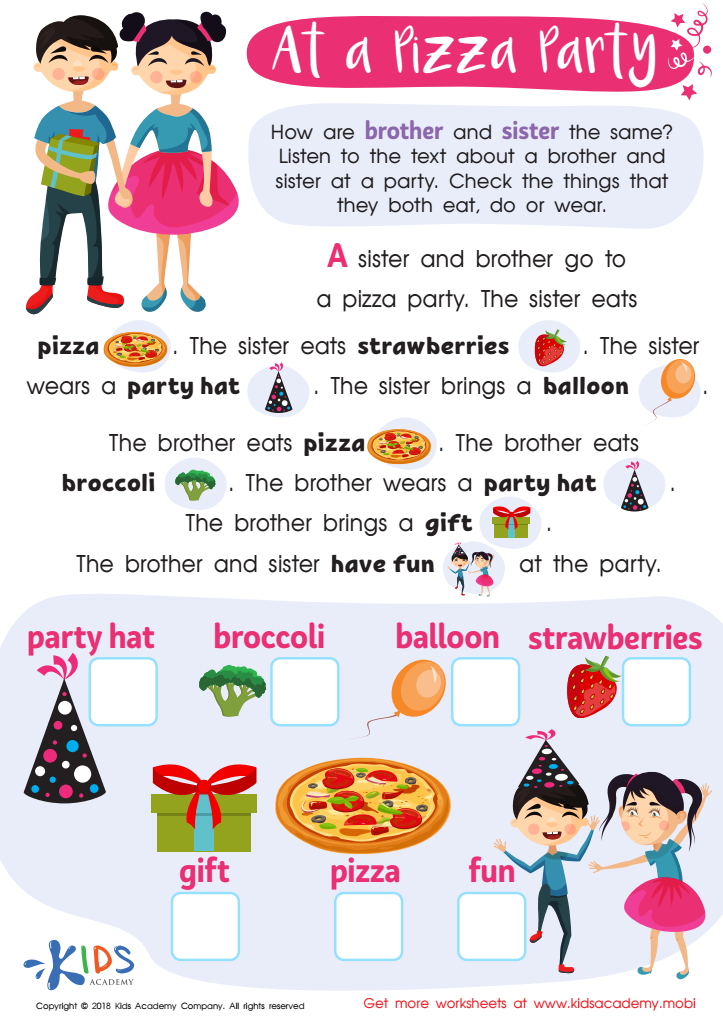
At a Pizza Party Worksheet
 Assign to My Students











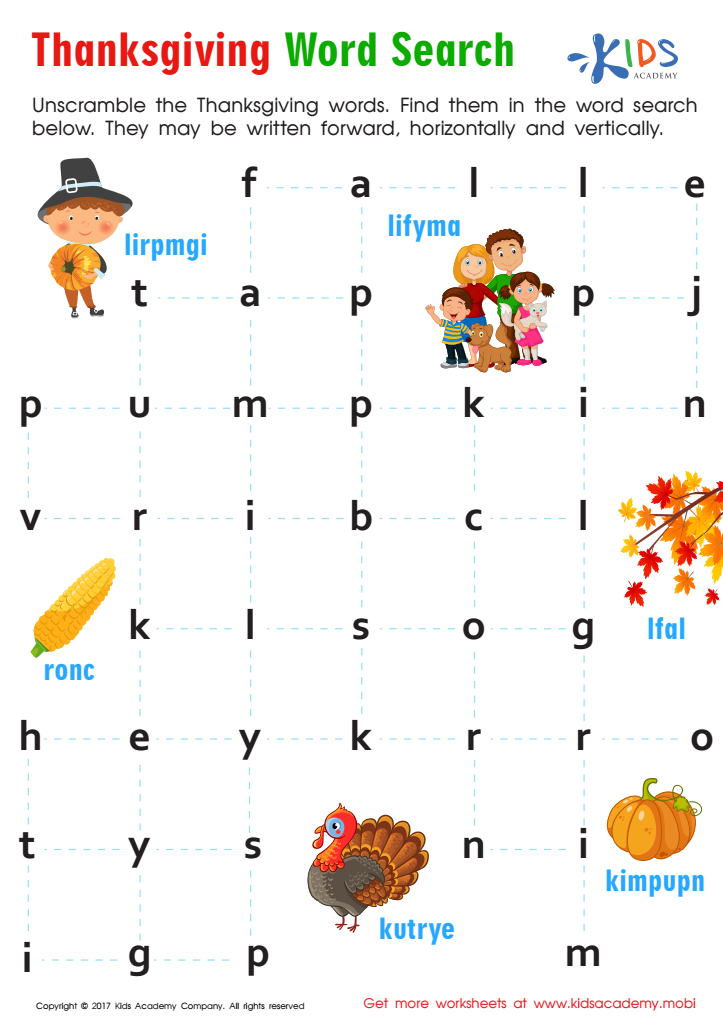
Thanksgiving Word Search Sight Words Worksheet
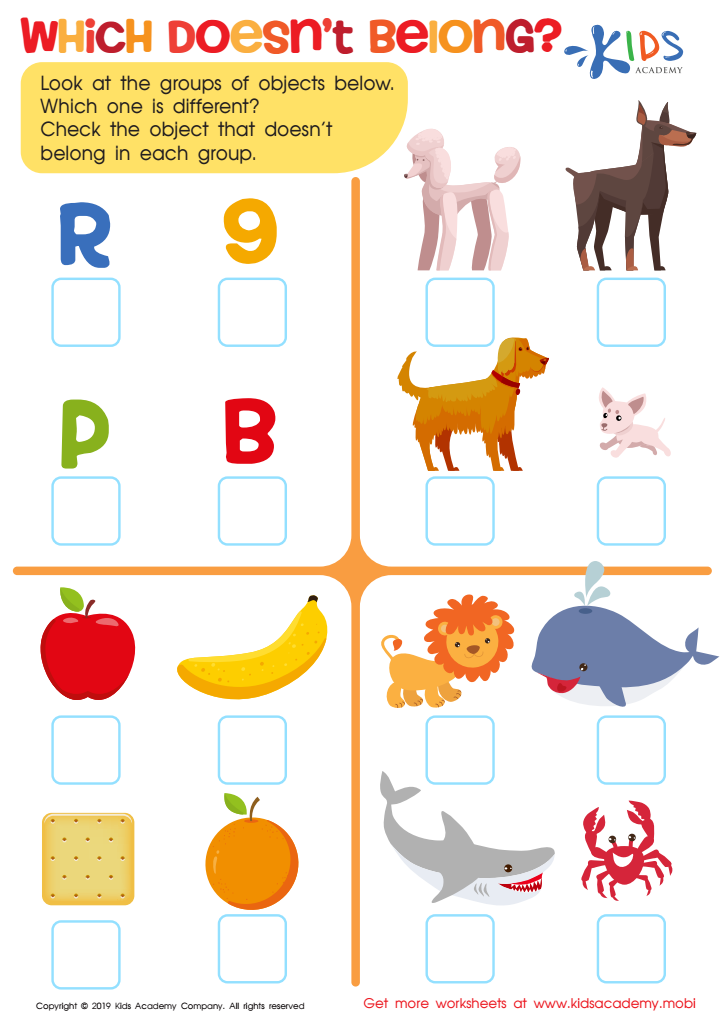
Which Doesn't Belong? Worksheet
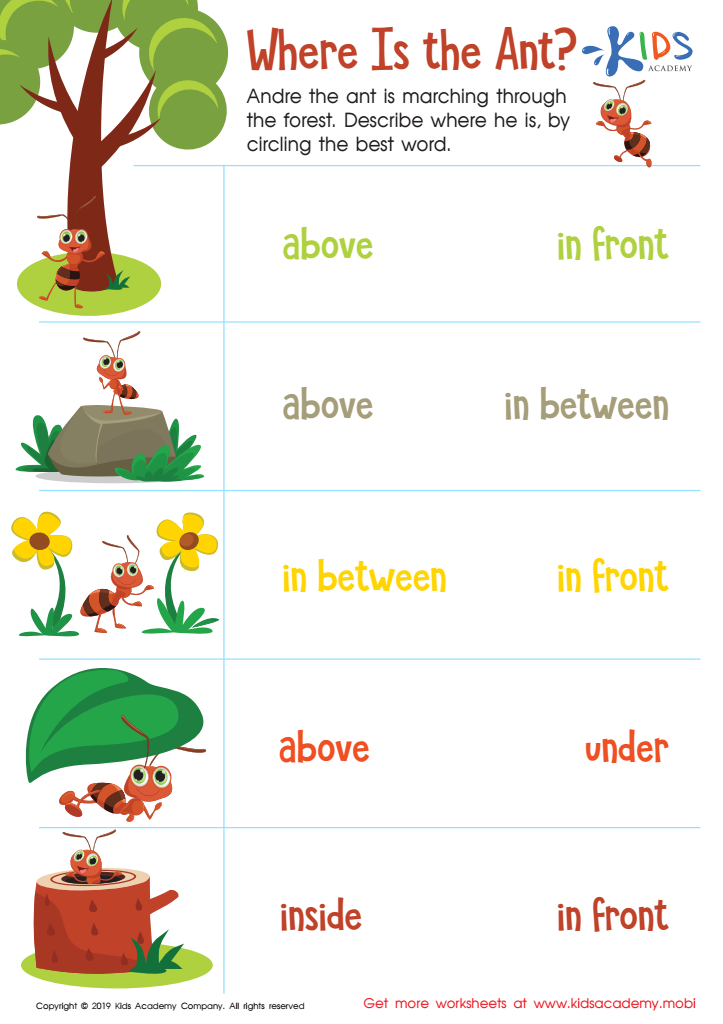
Where Is the Ant? Worksheet
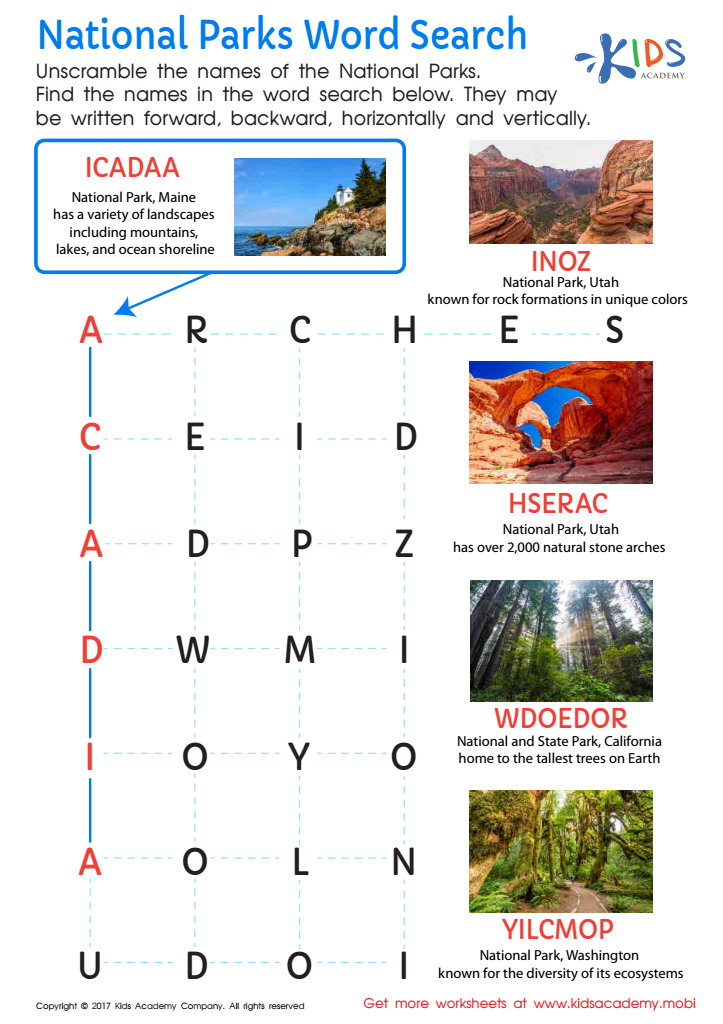
National Parks Word Search Worksheet
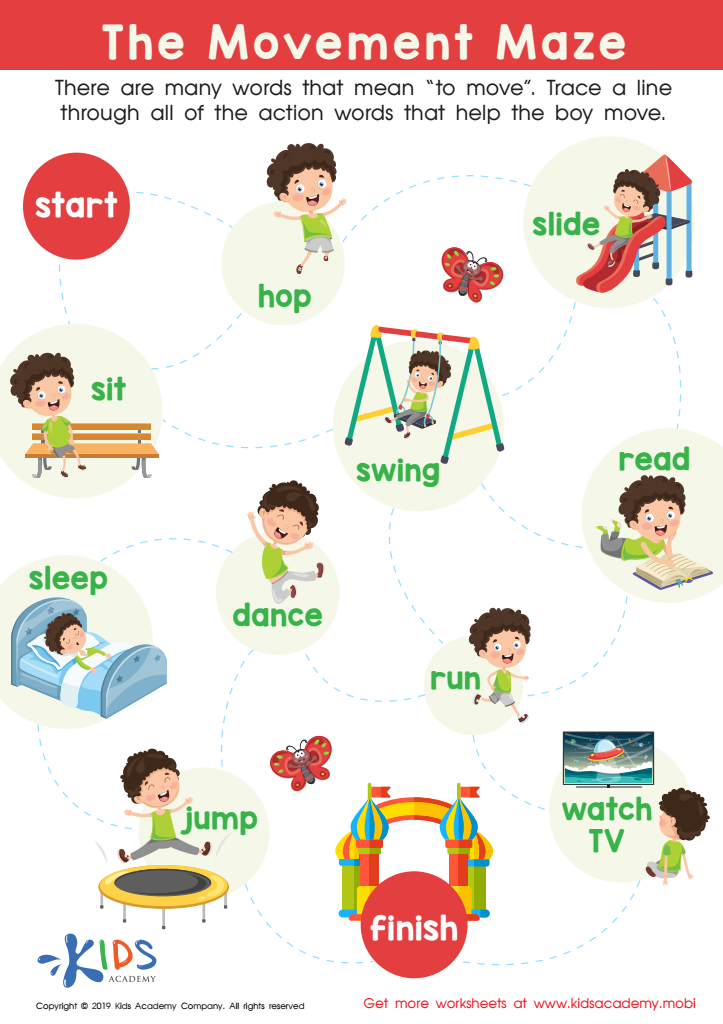
The Movement Maze Worksheet
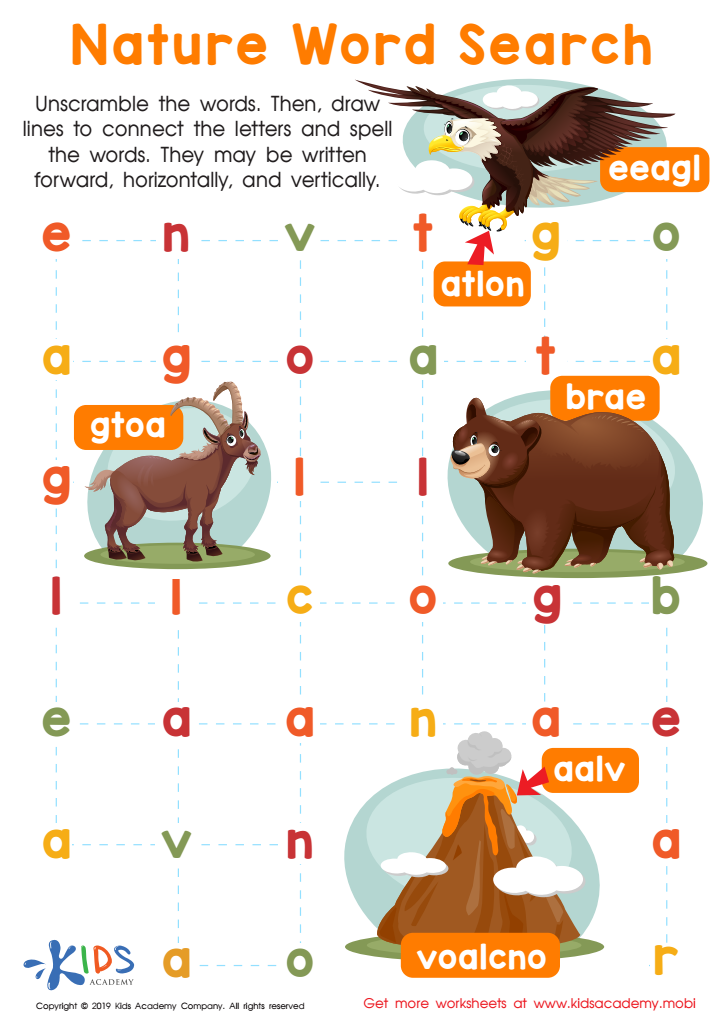
Nature Word Search Worksheet
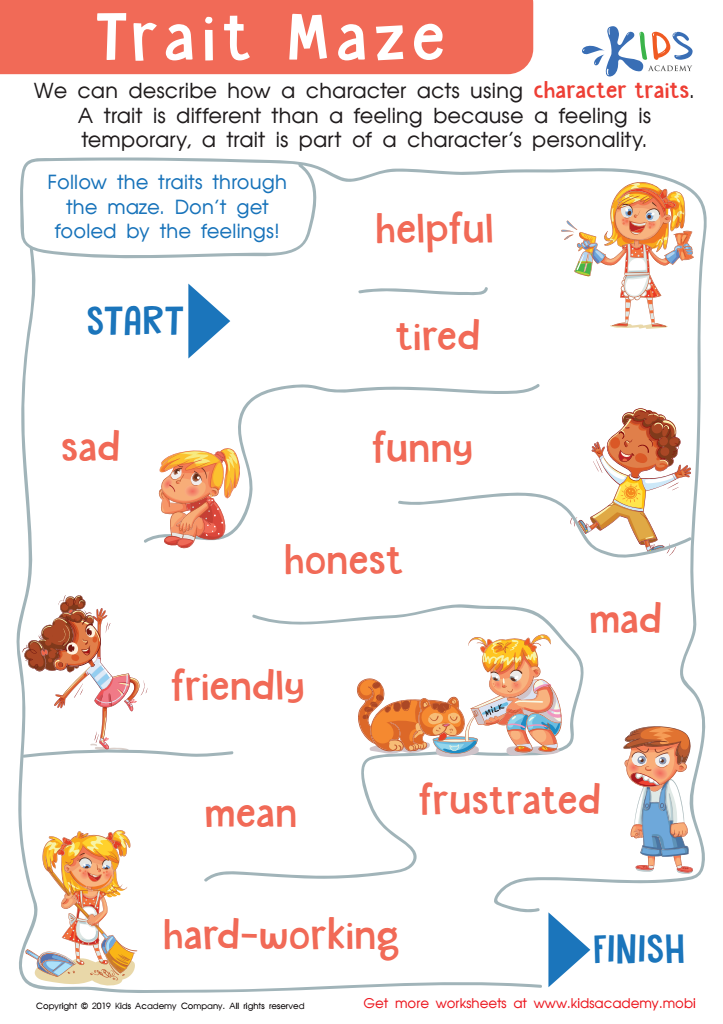
Trait Maze Worksheet
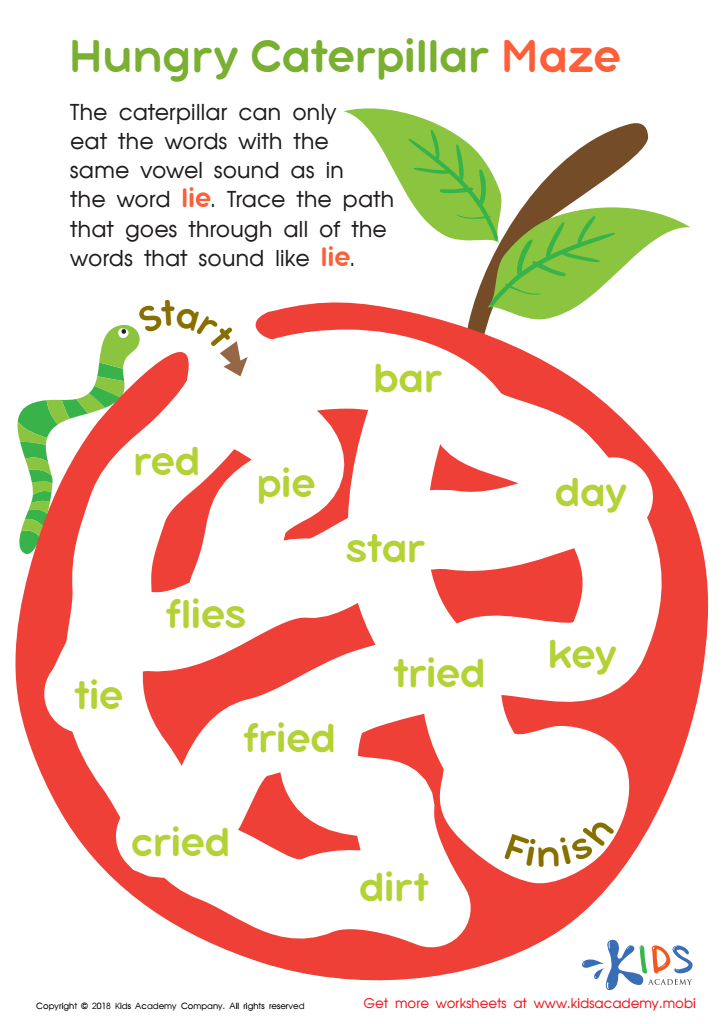
Hungry Caterpillar Maze Worksheet
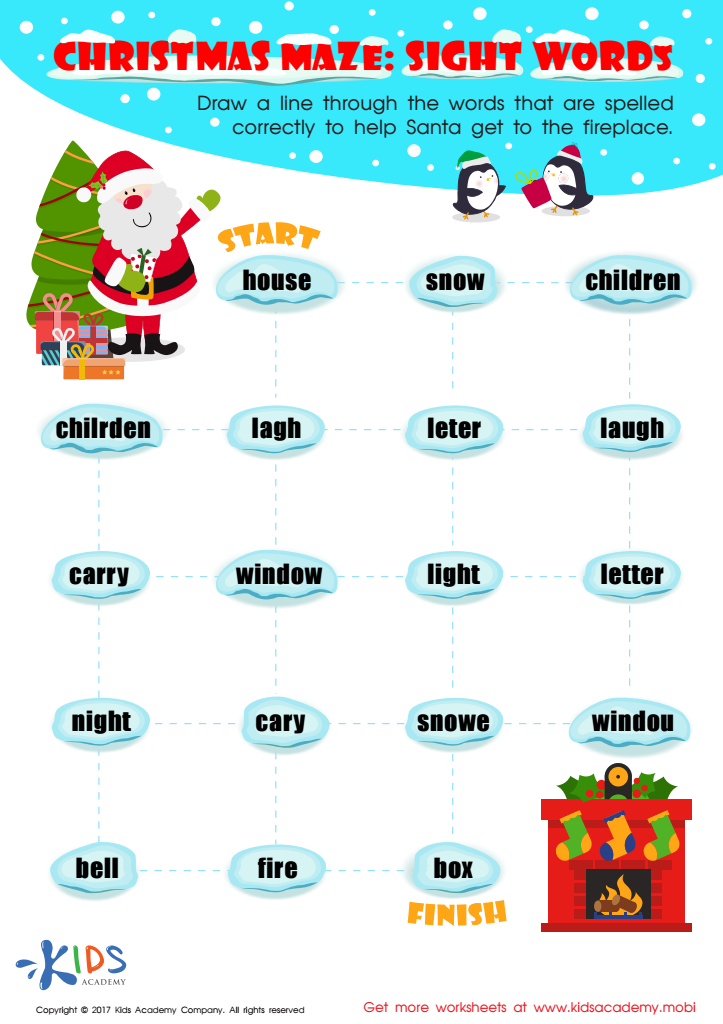
Sight Words Christmas Maze Printable







Parents and teachers should prioritize nurturing problem-solving skills in children aged 5-9 because these skills lay the foundation for critical thinking and independence in the future. At this young age, children are naturally curious and face simple challenges daily, from navigating friendship conflicts to figuring out how to complete a puzzle. Encouraging them to explore solutions and think critically promotes confidence in their abilities.
Additionally, strong problem-solving skills foster resilience. When children learn to tackle and overcome obstacles, they develop a growth mindset, understanding that mistakes are opportunities for learning. This mentality helps them face new challenges with positivity as they grow older.
Importantly, integrating problem-solving into building vocabulary enhances communication skills, enabling children to articulate their thoughts and understand others better. It’s essential for both academic success and social interactions.
Engaging in activities like puzzles, games, or storytelling scenarios where they must think through challenges reinforces these skills in an enjoyable way.
Supporting children in developing problem-solving skills and vocabulary will better prepare them for school and various life situations. This foundational support significantly influences their ongoing development into capable, resourceful individuals.








