
Comprehension skills Normal Reading Worksheets for Ages 5-9
15 filtered results
Difficulty Level
Grade
Age
-
From - To
Subject
Activity
Standards
Enhance your child’s reading abilities with our "Comprehension Skills Normal Reading Worksheets" designed for ages 5-9. These engaging worksheets cultivate essential reading comprehension skills through age-appropriate exercises tailored to spark curiosity and build confidence. Each worksheet features captivating stories and questions that challenge young readers to think critically and understand text better. Perfect for classroom use or at-home learning, our resources provide a delightful way for kids to practice and improve their comprehension skills. Foster a love for reading while equipping your child with the necessary tools to succeed academically! Explore our collection today for interactive and fun learning experiences.
Favorites
With answer key
Interactive
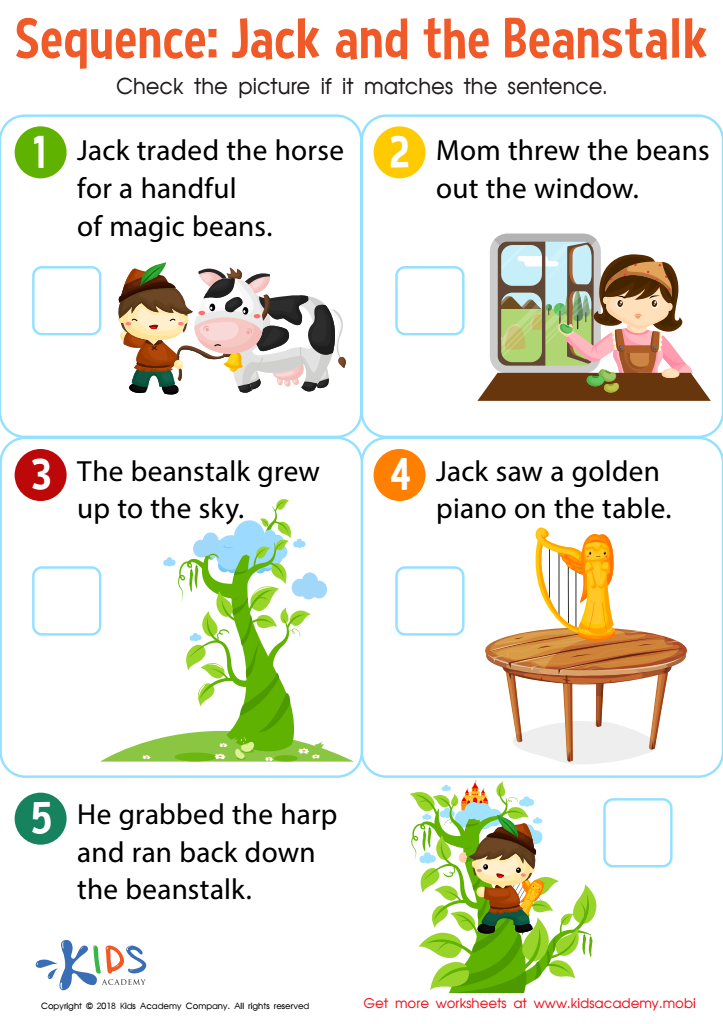
Sequence: Jack and The Beanstalk Worksheet
Ensure your kids are familiar with Jack and the Beanstalk before starting this worksheet. If not, read them the story. In the pdf, there are five pictures with sentences. Read the sentences, ask your kid if it matches the picture, then help them check if it does.
 Assign to My Students
Sequence: Jack and The Beanstalk Worksheet
Worksheet
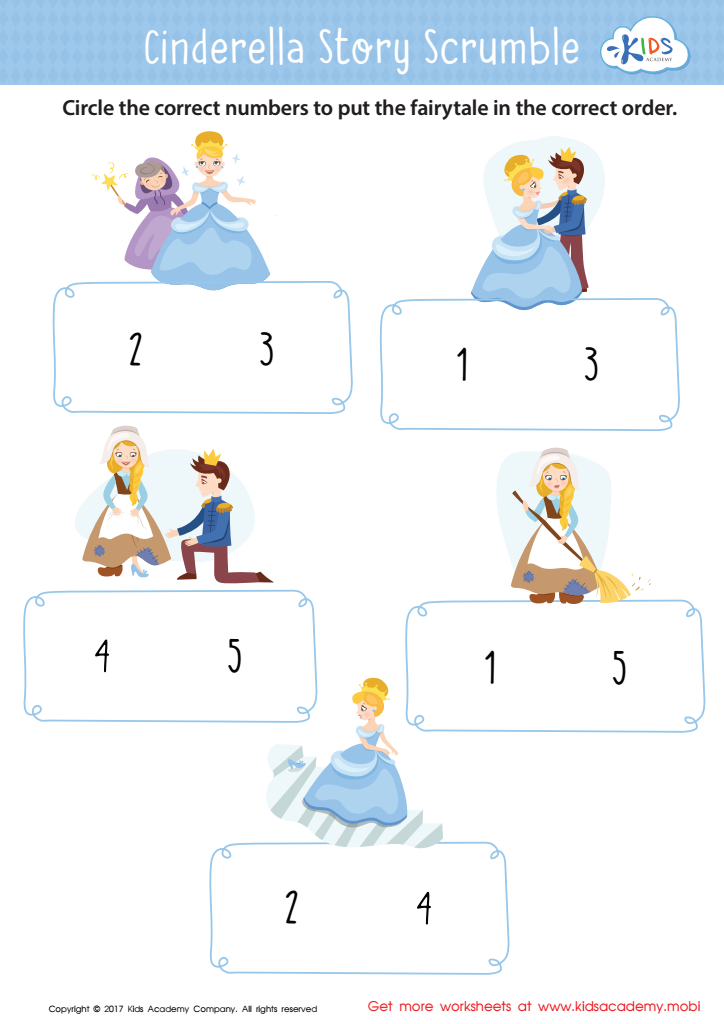
Cinderella Story Sequencing Worksheet
This worksheet helps strengthen reading comprehension skills by getting your child to remember key moments from the Cinderella story. They'll be asked to place pictures in the right order to tell the story.
Cinderella Story Sequencing Worksheet
Worksheet
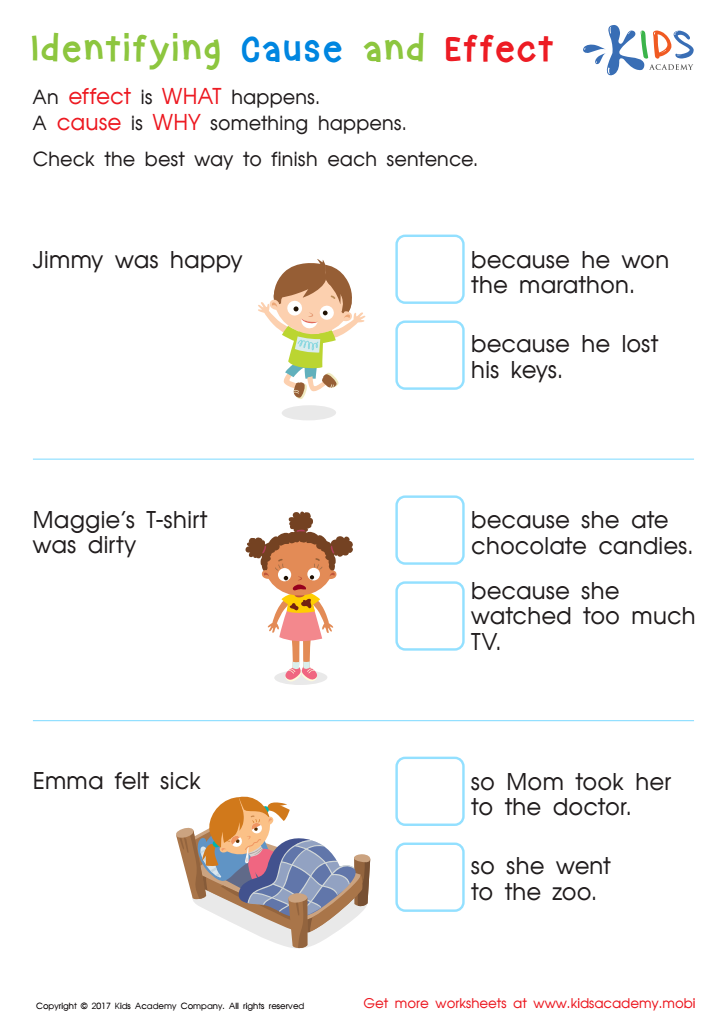
Indentifying Cause and Effect Worksheet
2nd grade cause & effect worksheets give your child practice making connections between events and their results. Fun activities help develop reading and critical thinking skills.
Indentifying Cause and Effect Worksheet
Worksheet
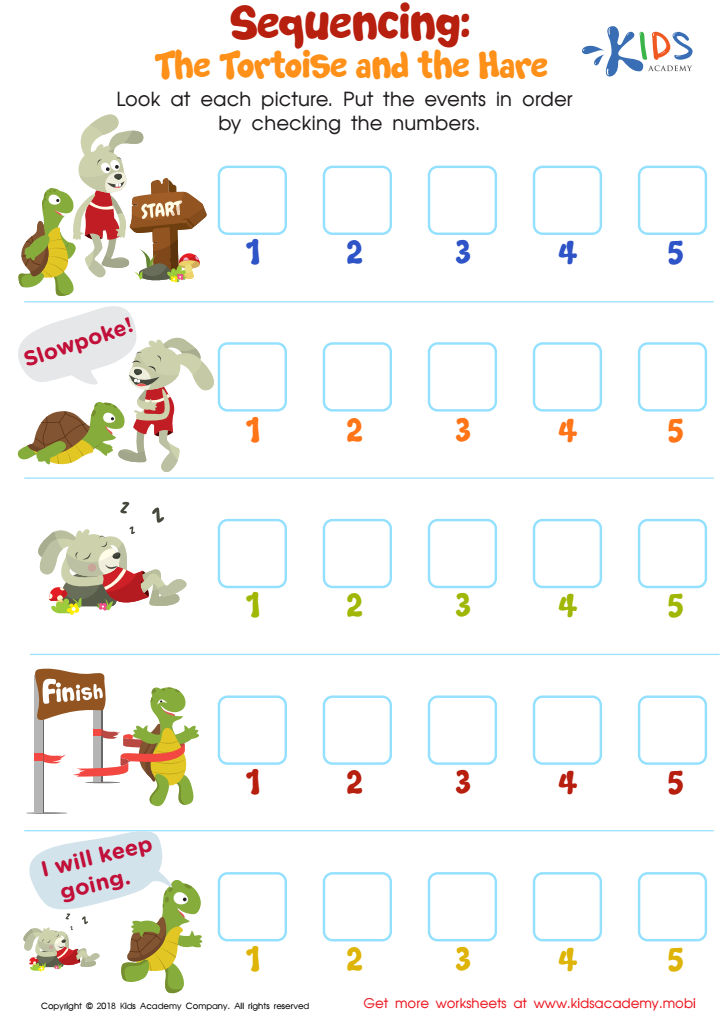
Sequencing: The Tortoise and the Hare Worksheet
Help your child become an independent reader and critical thinker with a sequencing worksheet from Kids Academy! Have them read the classic tale of the tortoise and the hare and use the accompanying worksheet to check their understanding of the story's sequence of events. Have kids identify the correct order of events by selecting the box next to the correct number for each image!
Sequencing: The Tortoise and the Hare Worksheet
Worksheet
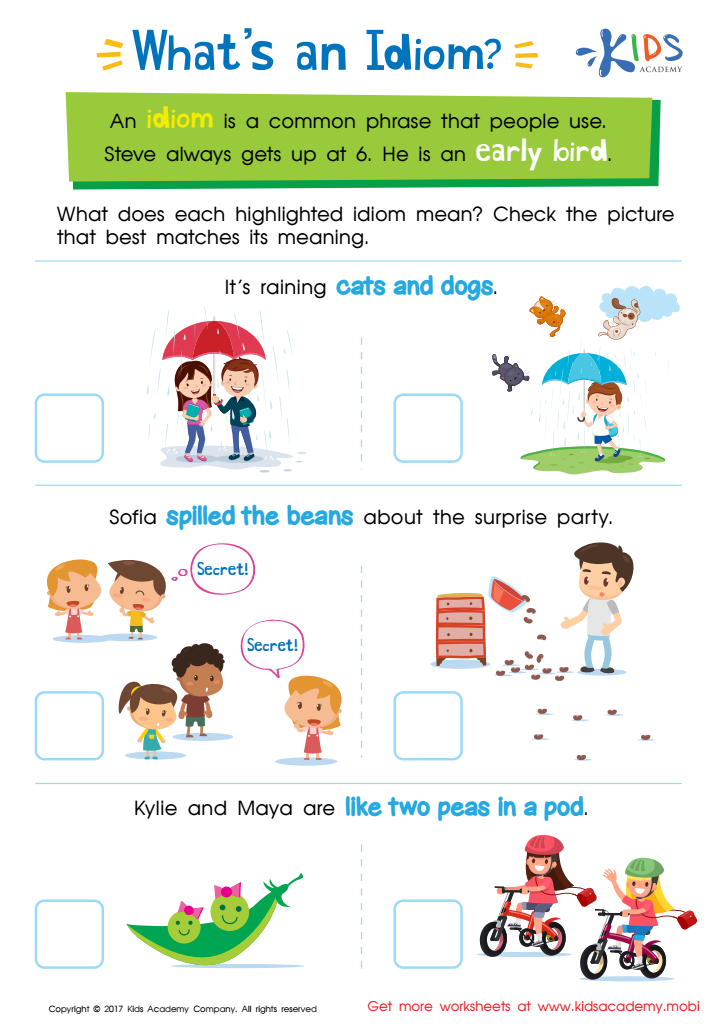
Idiom Worksheet
This idiom worksheet for 3rd grade is the answer.
Make learning idioms a breeze! Help your 3rd grader understand figurative language with a fun worksheet based on the common expressions they already know. Unlock the mystery behind these phrases and make learning fun!
Idiom Worksheet
Worksheet
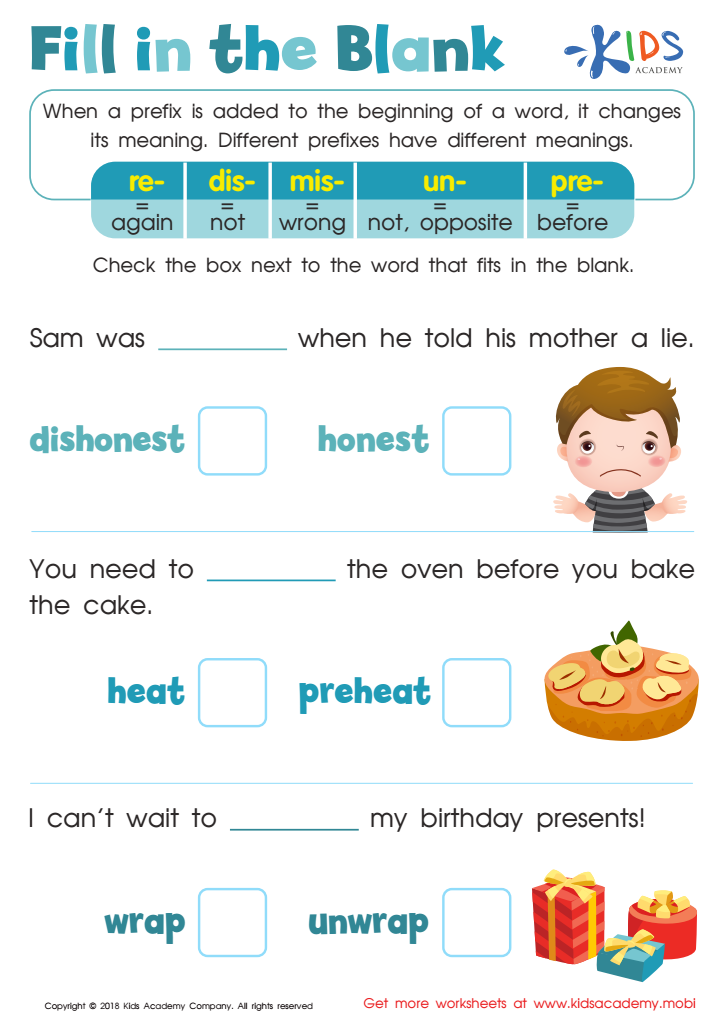
Reading: Fill in the Blank Worksheet
Students can practice understanding the meaning of common prefixes with this worksheet. They read sentences and pick the correct word with the appropriate prefix to complete it. Downloadable and a great addition to reading and vocabulary resources, this helps improve comprehension with mastery of the skill!
Reading: Fill in the Blank Worksheet
Worksheet
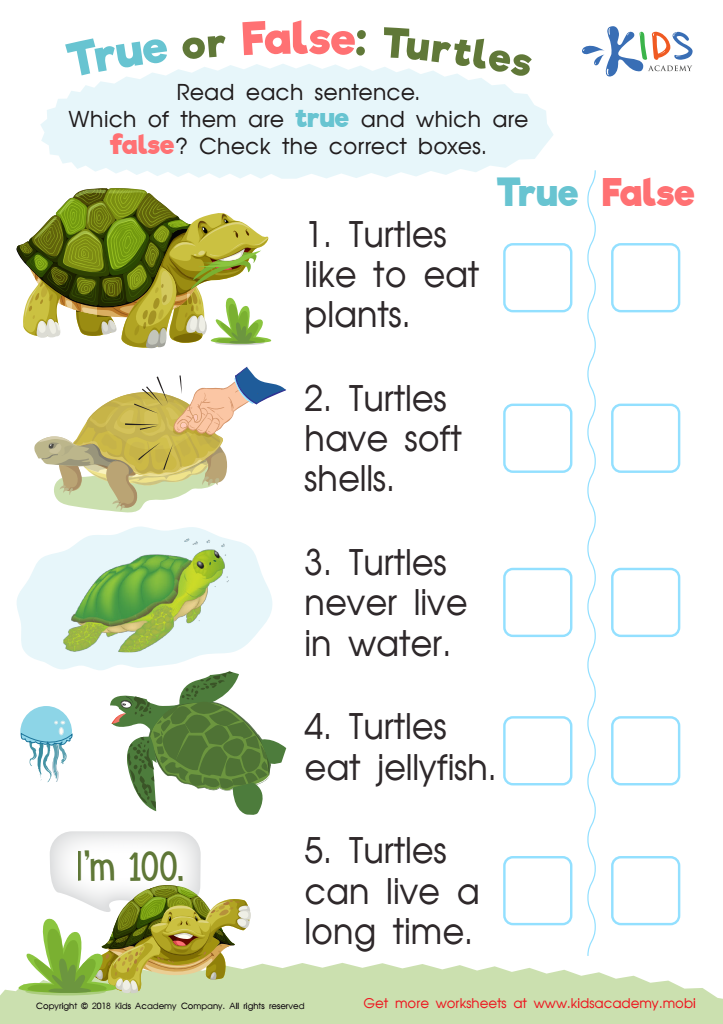
True or False: Turtles Worksheet
Print this free downloadable worksheet to strengthen your child's reading comprehension. Assist them to read each sentence and recall facts about turtles. Check true or false for each statement to verify their knowledge. Perfect for early learners!
True or False: Turtles Worksheet
Worksheet
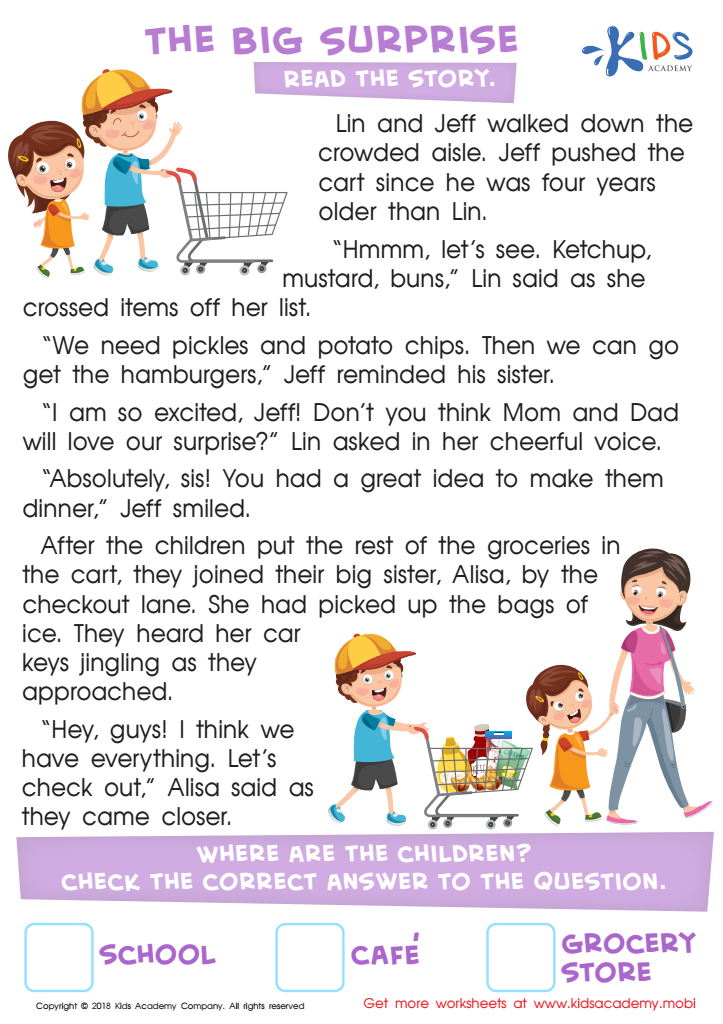
The Big Surprise Worksheet
Read this story to your kids: Lin and Jeff are in the supermarket with their big sister Alisa. They're excited to buy groceries. Listen closely to the details and ask the questions at the end to check your understanding. Read it twice to ensure full comprehension.
The Big Surprise Worksheet
Worksheet
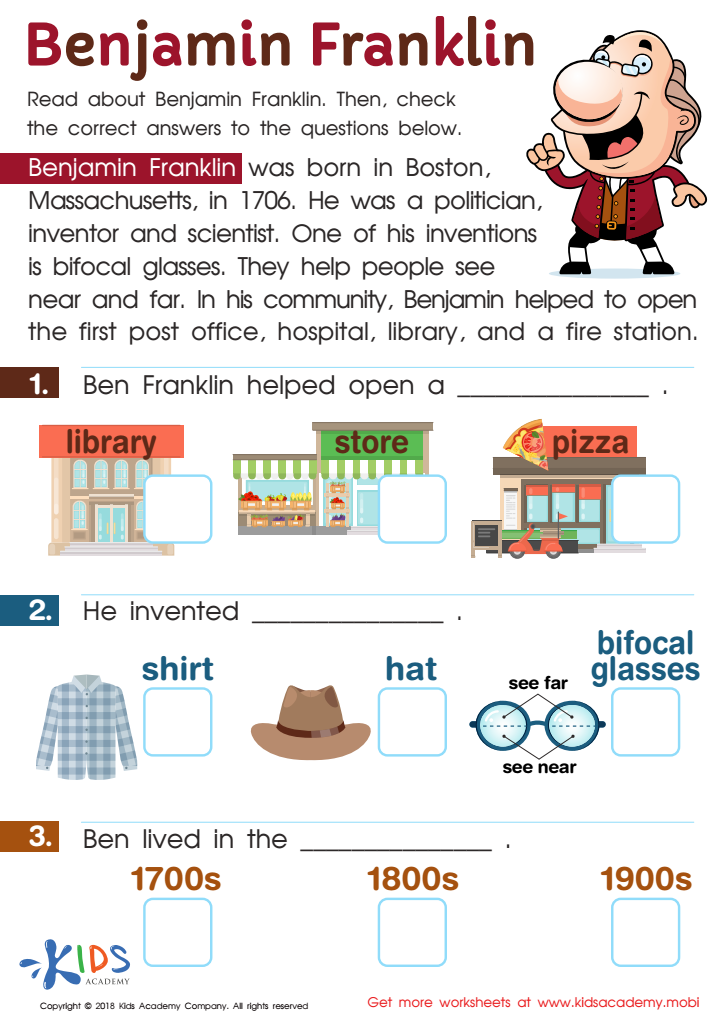
Benjamin Franklin Worksheet
Introduce your kids to one of history's most important figures - Benjamin Franklin! Tell them all about his remarkable contributions to the world and then use this worksheet to teach them even more. Read the text to them and check their answers against the questions afterwards.
Benjamin Franklin Worksheet
Worksheet
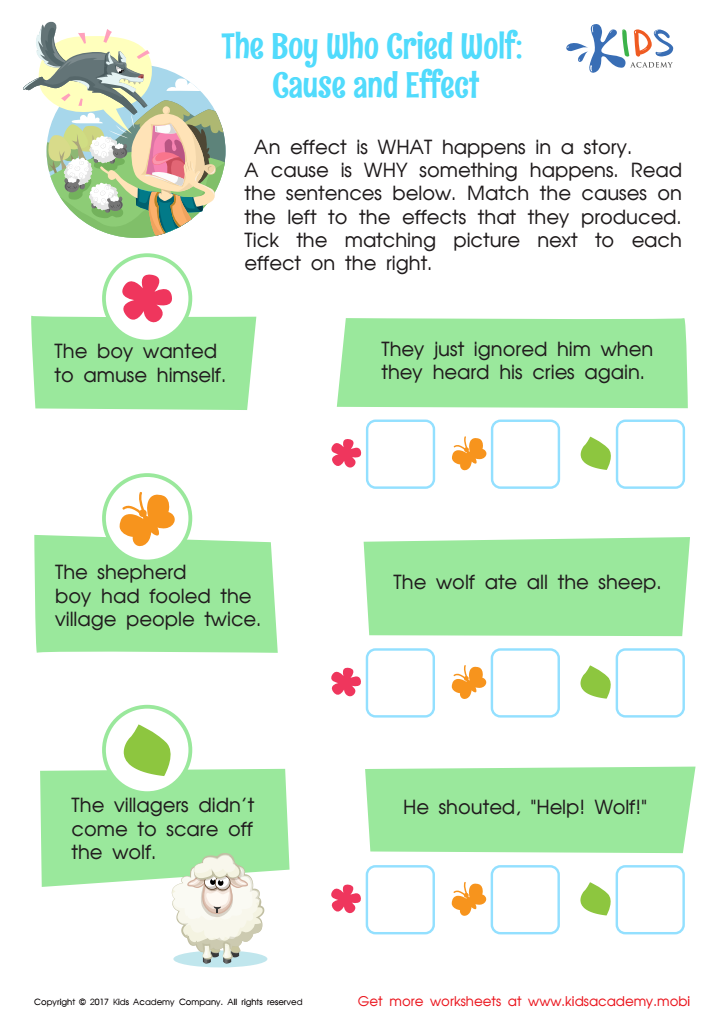
The Boy Who Cried Wolf: Cause and Effect Worksheet
With classic stories and fables, learning reading comprehension is easy - and fun!
The Boy Who Cried Wolf: Cause and Effect Worksheet
Worksheet
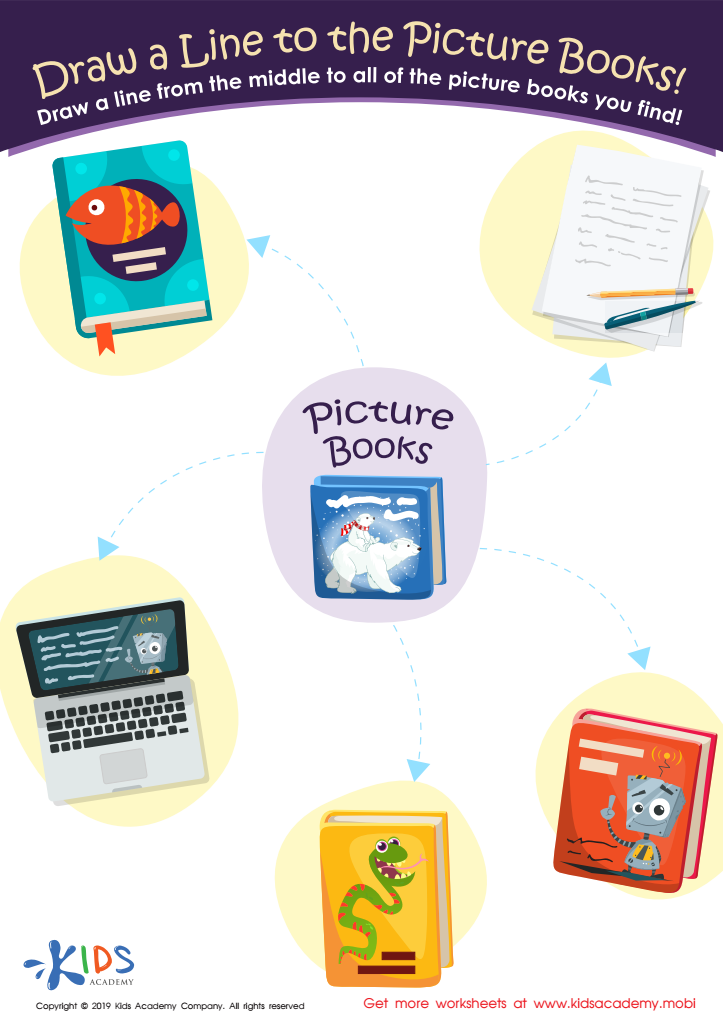
Draw a Line to the Picture Books Worksheet
Encourage your students to read and explore with this fun exercise! They'll draw a line from the word 'picture books' to the five objects. Picture books are exciting, with stories and colorful images. Make story time even more enjoyable with this worksheet!
Draw a Line to the Picture Books Worksheet
Worksheet
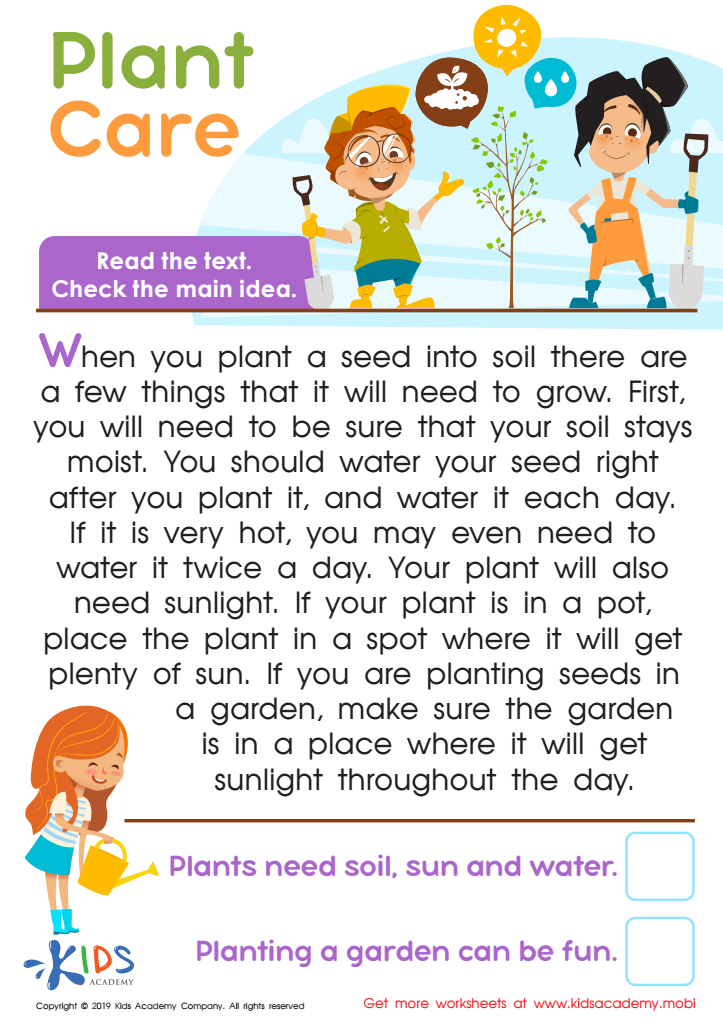
Plant Care Worksheet
Encourage your children to read by helping them practice. Print out the worksheet and read the text with them. Help them understand the words and find the main idea. This will improve their reading skills and prepare them for school.
Plant Care Worksheet
Worksheet
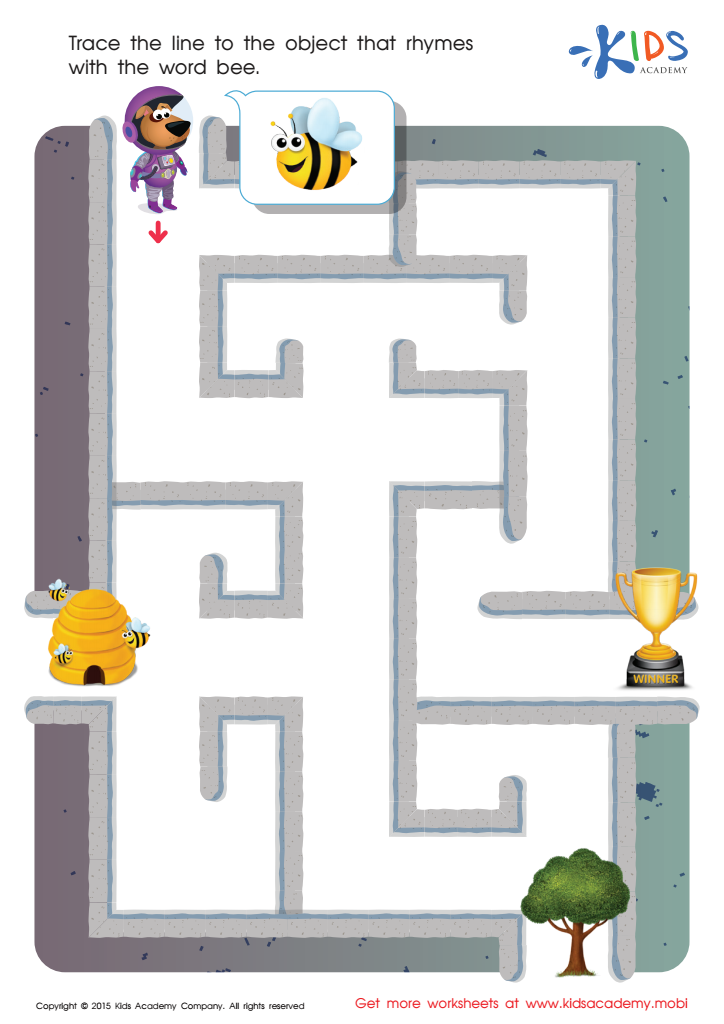
Bee Rhyming Words Worksheet
Download our new vocab builder worksheet and help our pup find rhymes. See how easy it is to trace the root between words! Make learning fun with our collection of English materials and worksheets. Get them now on our web site.
Bee Rhyming Words Worksheet
Worksheet
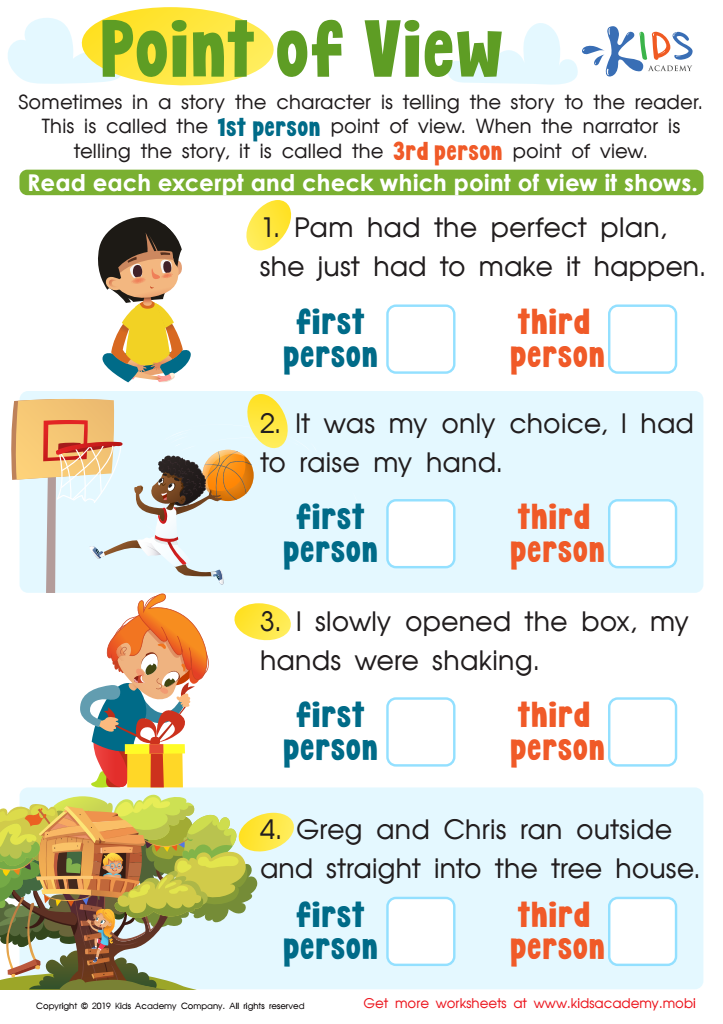
Point of View Printable
Teach your kids about points of view with this worksheet! In a story, characters can tell the story in first person or it can come from a narrator in third person. Read the excerpt in the worksheet and ask your kids to identify which point of view it is.
Point of View Printable
Worksheet
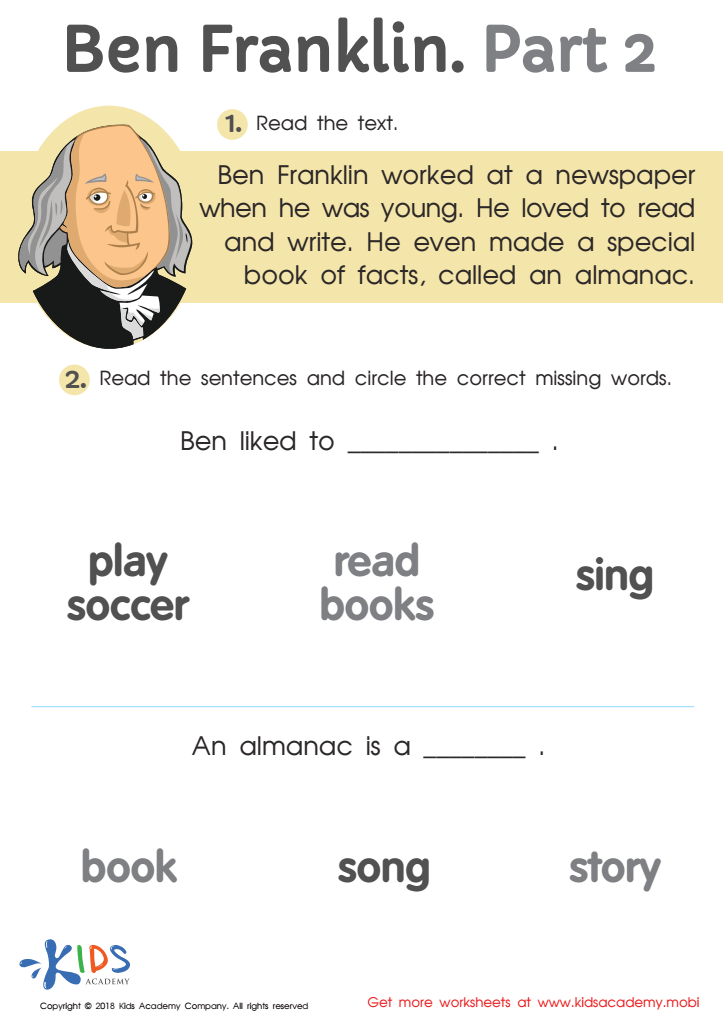
Ben Franklin Part 2 Worksheet
History is filled with great figures, like Benjamin Franklin. Let your kids in on the legacy by introducing them to the founder of the US fire department, diplomat, and inventor. Then, use a worksheet to have them fill in the blanks with the correct word to teach them more. Read the text, then read the sentences and have them circle the missing word.
Ben Franklin Part 2 Worksheet
Worksheet
Join Kids Academy for Free
Who is primarily going to use this learning content?







Comprehension skills are crucial for children aged 5-9, as they form the foundation for successful literacy development. At this stage, children are not just learning to read but are also beginning to understand and interpret what they read. Strong comprehension skills enable them to engage with texts, ask questions, and make connections to their own experiences, which enhances overall learning.
Parents and teachers play a vital role in fostering these skills. For parents, reading with children at home can spark interest, encourage discussions about stories, and develop critical thinking. Teachers, on the other hand, can implement strategies like guided reading, vocabulary development, and comprehension check-ins during lessons.
When comprehension is prioritized, children become more confident readers, which positively impacts their academic performance across subjects. They learn to derive meaning from texts, enhancing their problem-solving abilities and fostering a love for reading that can last a lifetime. Additionally, strong comprehension skills support social-emotional development by helping children understand narratives and perspectives.
In essence, prioritizing comprehension skills in early readers not only leads to academic success but also cultivates lifelong learning and curiosity, making it essential for both parents and educators to support this critical component of literacy.








