Analytical thinking Normal Reading Comprehension Worksheets for Ages 5-9
6 filtered results
-
From - To
Enhance young learners' reading proficiency with our "Analytical Thinking Normal Reading Comprehension Worksheets" designed for ages 5-9. These engaging worksheets from Kids Academy help children build critical thinking skills as they explore carefully selected texts. Tailored to develop structured analytical abilities, these resources promote better comprehension and thoughtful analysis, laying a strong foundation for future learning. Each worksheet encourages students to delve deeper into the material, ask questions, and make connections, making reading an interactive and enriching experience. Perfect for classroom use or at-home practice, these worksheets are indispensable tools for fostering a love for reading and improving literacy skills.
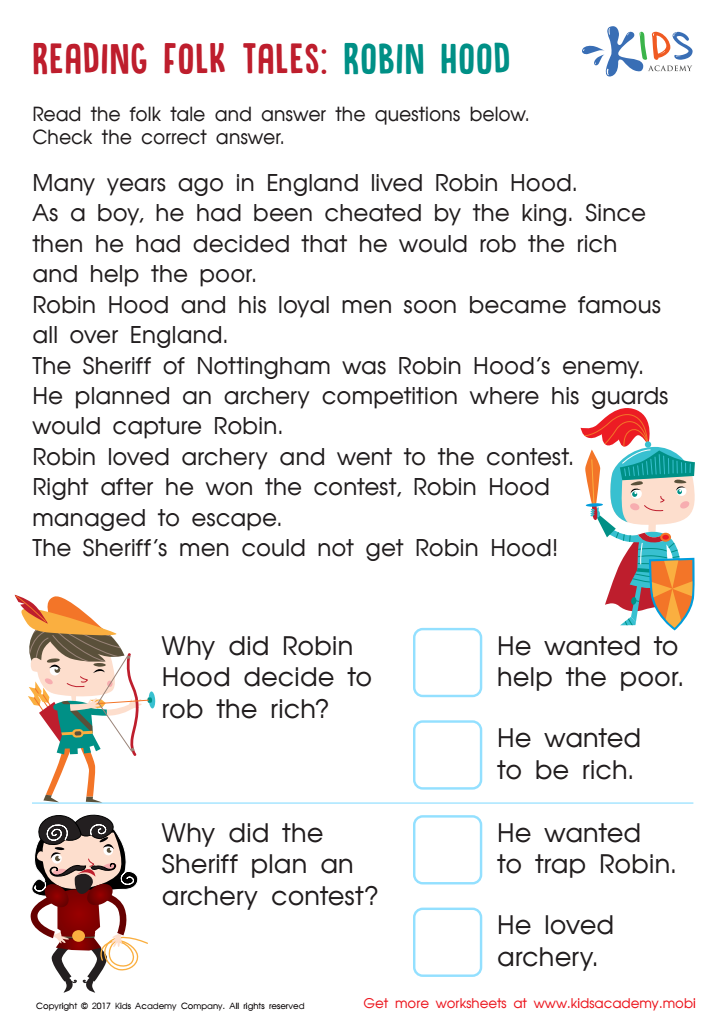
Robin Hood Folktale Worksheet
 Assign to My Students
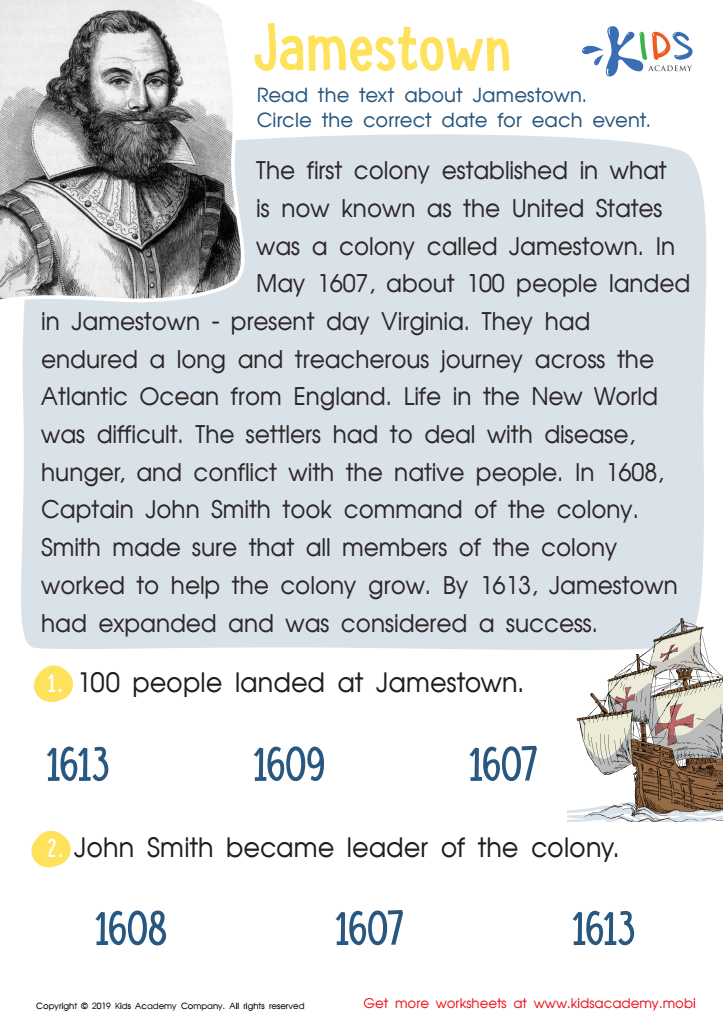
Jamestown Worksheet
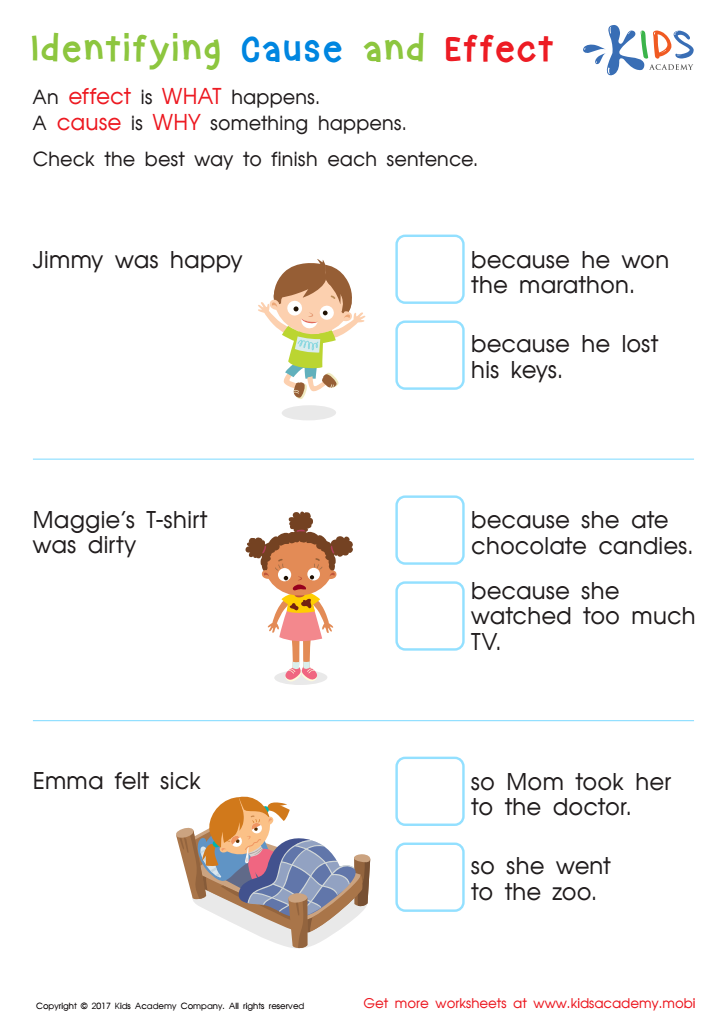
Indentifying Cause and Effect Worksheet
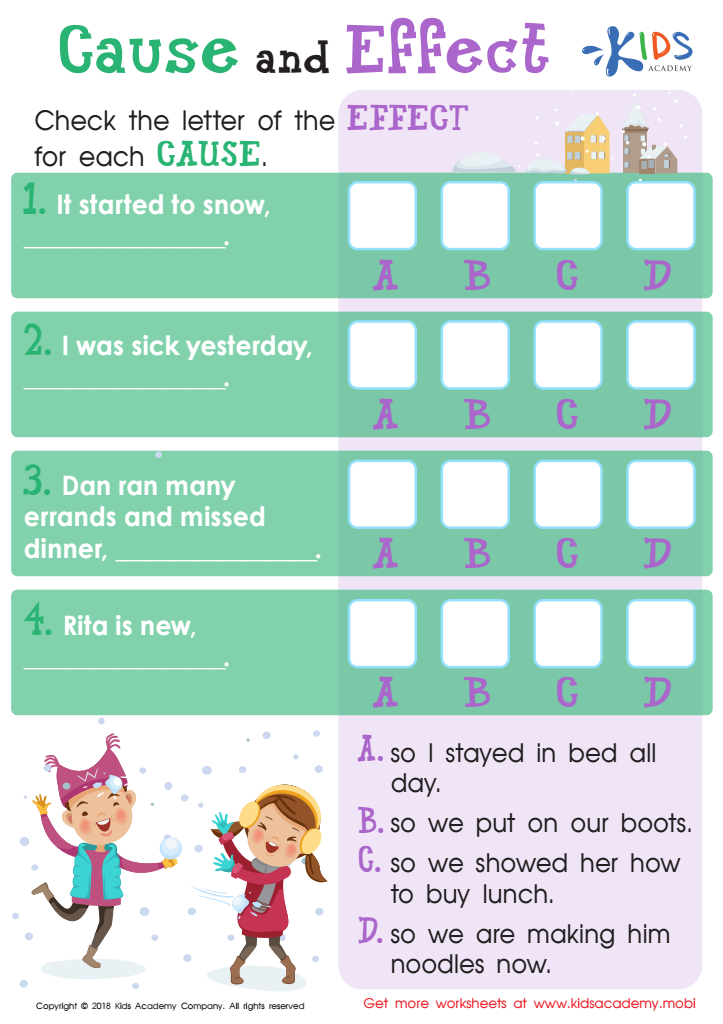
Cause and Effect Worksheet
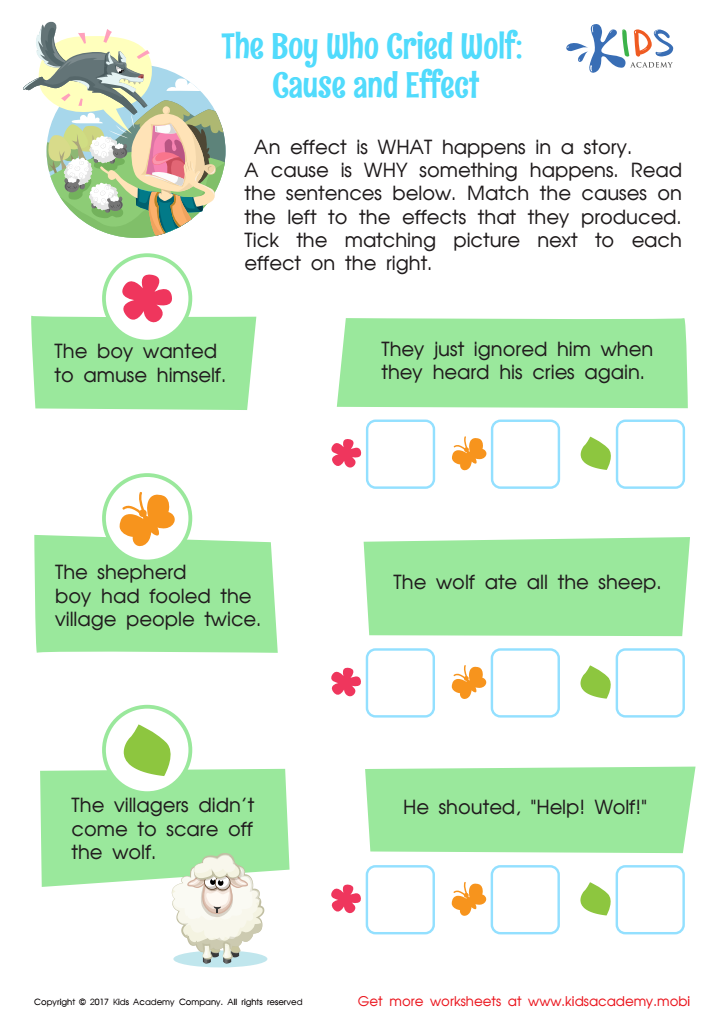
The Boy Who Cried Wolf: Cause and Effect Worksheet
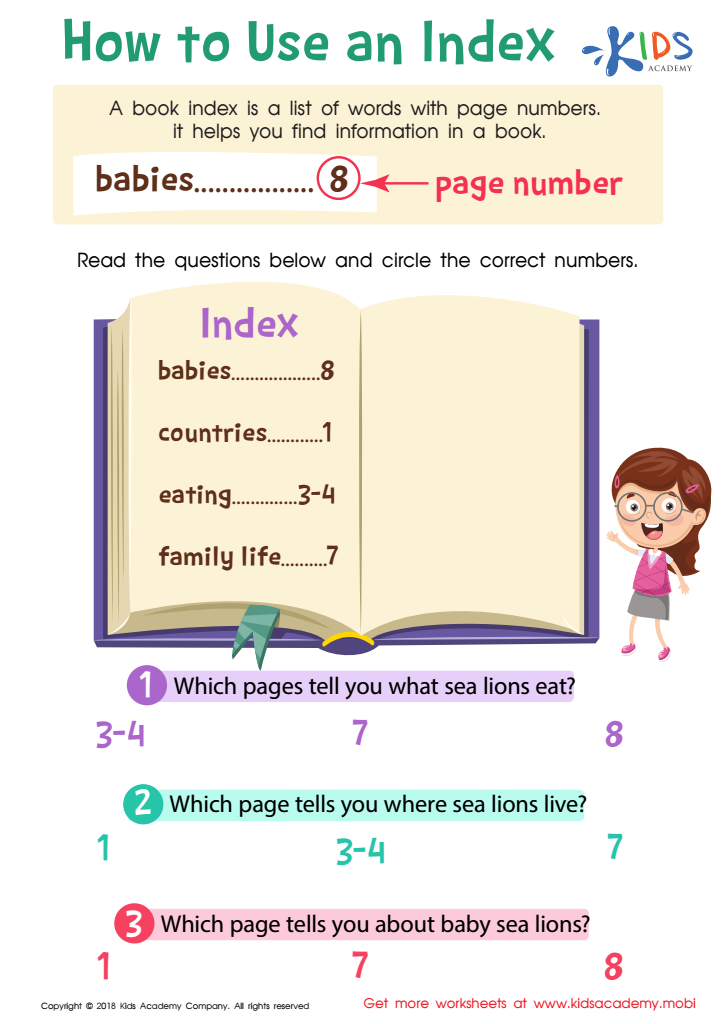
How Use Index Worksheet





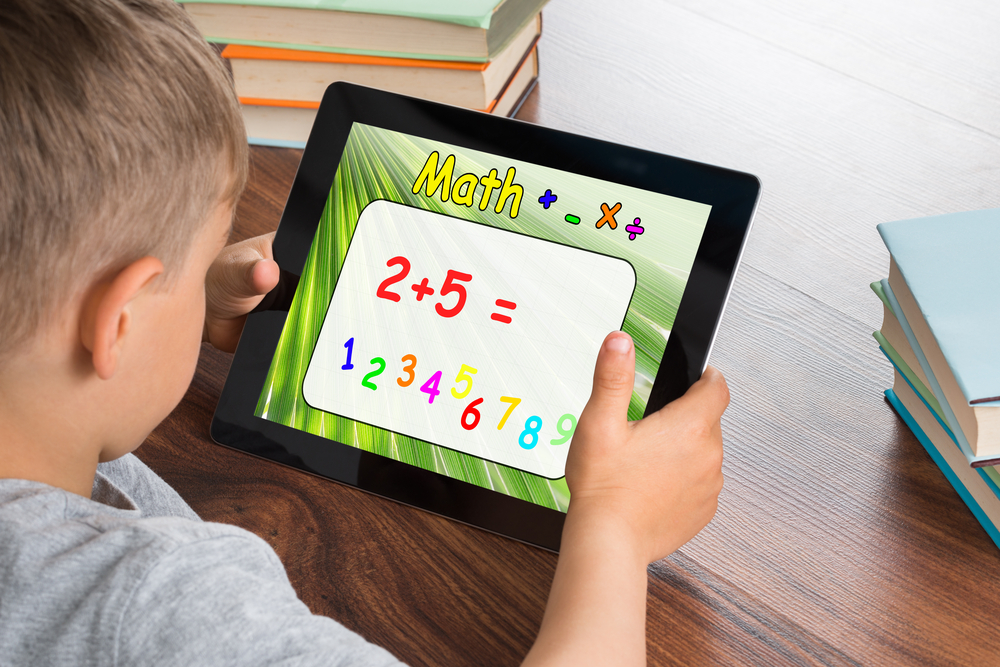


Analytical thinking and normal reading comprehension are foundational skills that significantly impact a child's overall academic success and daily life skills. At ages 5-9, children's cognitive abilities are highly adaptable and open to development; this is a crucial period for instilling these competencies.
Analytical thinking equips children with the ability to solve problems, make decisions, and understand relationships between information. These skills foster critical reasoning, which is fundamental for subjects like math, science, and even social studies. Children who develop strong analytical thinking early on are better at recognizing patterns, identifying cause-and-effect relationships, and handling more complex concepts as they progress in school.
Normal reading comprehension, on the other hand, ensures that children can understand, interpret, and engage with written texts. Proficiency in reading comprehension is not merely about reading words; it's about understanding the meaning behind those words and how they fit together to form coherent narratives or explanations. This skill is crucial for academic success across all subjects, as textbooks, test instructions, and homework assignments rely on it.
Furthermore, reading comprehension and analytical thinking also play crucial roles in social interactions and personal development. They enhance a child's ability to communicate effectively, empathize with others' perspectives, and make informed decisions. By prioritizing these skills, parents and teachers set up children for a lifetime of learning and adaptive thinking, both in school and beyond.








