Story analysis Normal Reading Comprehension Worksheets for Ages 5-9
4 filtered results
-
From - To
Our "Story Analysis Normal Reading Comprehension Worksheets for Ages 5-9" are thoughtfully designed to enhance young learners' understanding of narratives. These worksheets focus on essential skills such as identifying main ideas, character traits, plot details, and sequence of events. Perfect for early readers, they stimulate critical thinking and foster a deeper appreciation of literature. With age-appropriate content and engaging illustrations, each worksheet provides an enjoyable learning experience that supports classroom instruction or remote learning. Equip your child with the foundational skills needed for successful reading comprehension and a lifelong love for stories.
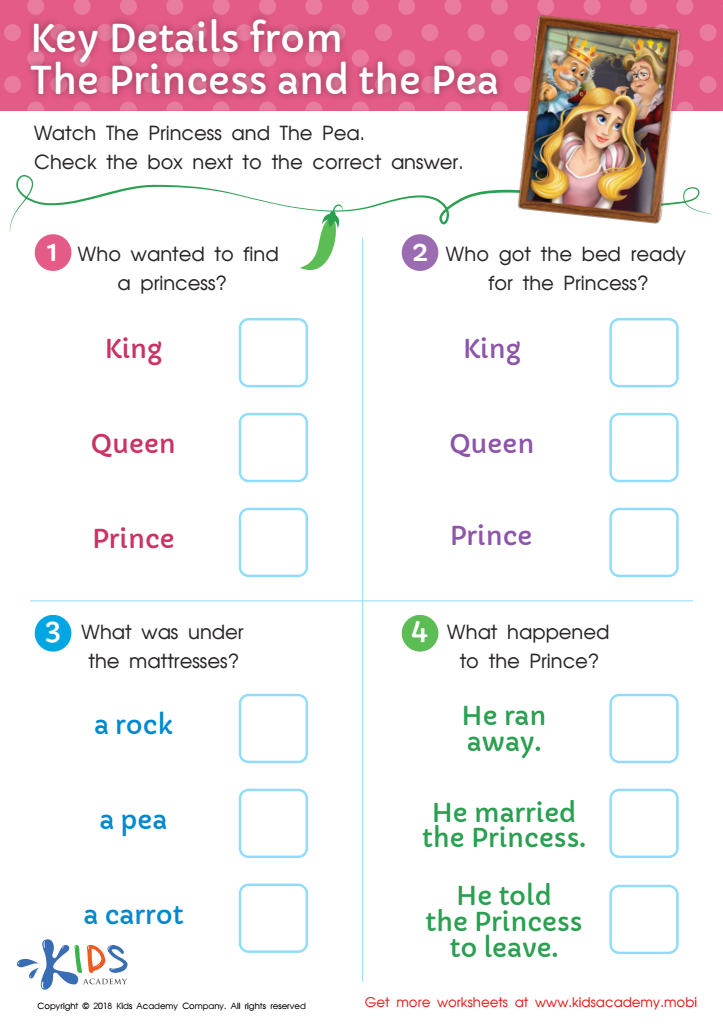
Key Details from the Princess and the Pea Worksheet
 Assign to My Students
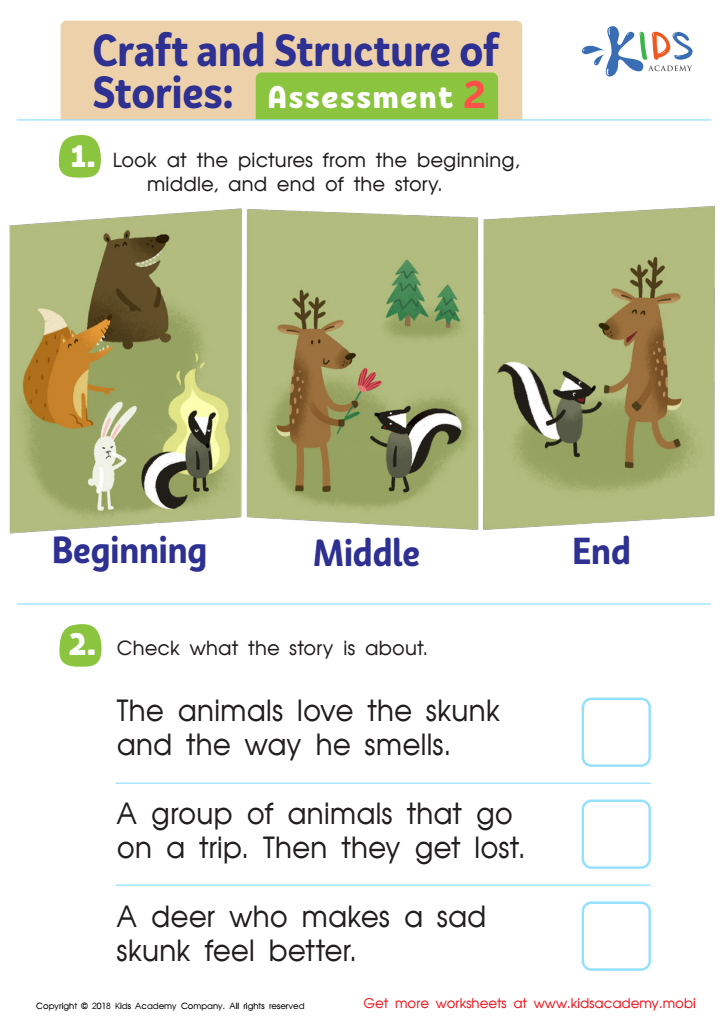
Craft and Structure of Stories: Assessment 2 Worksheet
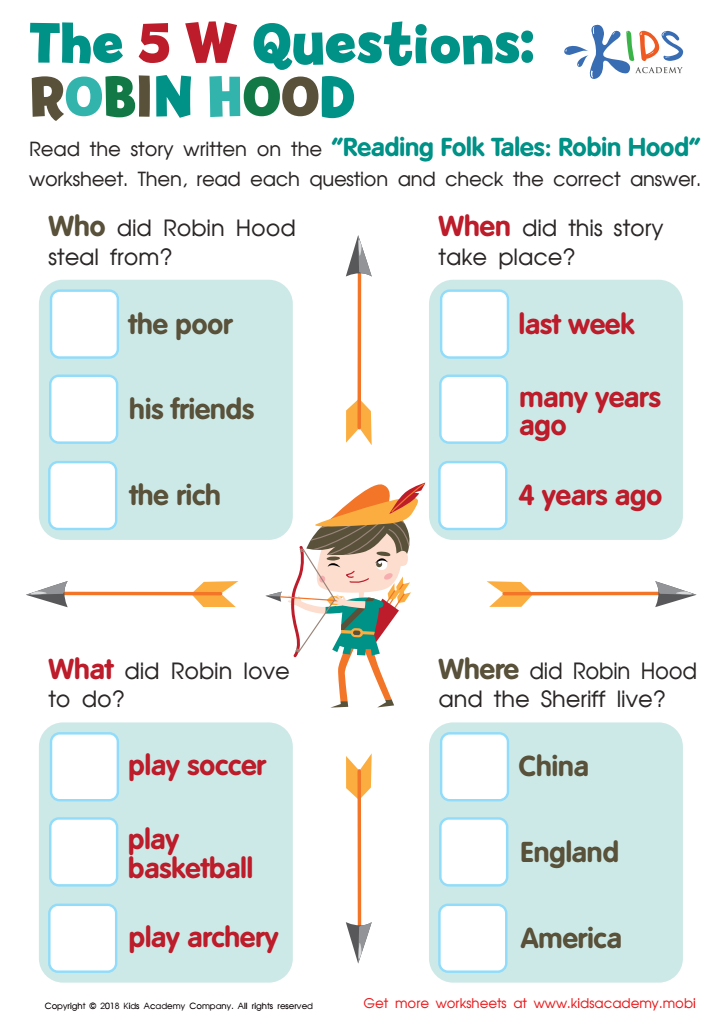
The 5 W Questions: Robin Hood Worksheet
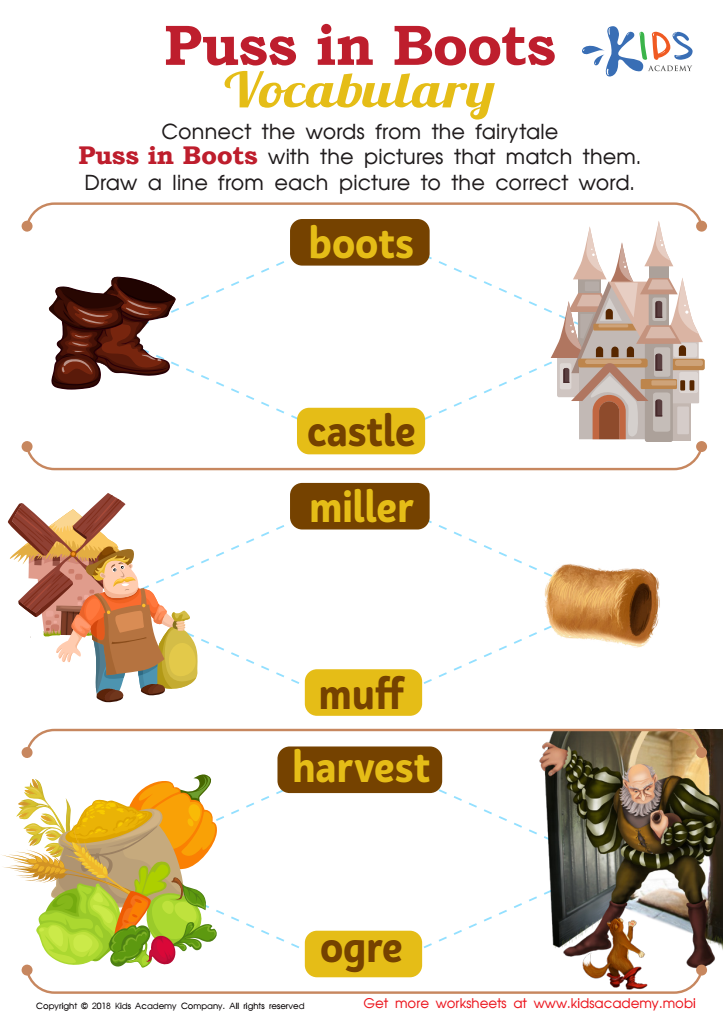
Puss in Boots Vocabulary Worksheet







.jpg)
Parents and teachers should prioritize story analysis and normal reading comprehension for children aged 5-9 because these skills form the cornerstone of early literacy and cognitive development. At this age, children are in the critical period of learning to read, which significantly impacts their future educational success. Analyzing stories enhances children's ability to understand plot, character, and setting, fostering critical thinking and encouraging active engagement with the text.
This analysis helps young readers make connections, infer meaning, and appreciate narratives, which builds a deeper understanding and enjoyment of reading. Proficiency in reading comprehension during these formative years is crucial for overall academic performance, influencing achievements in subjects beyond language arts.
Additionally, discussing stories aids in vocabulary expansion, sentence structure familiarity, and the ability to articulate thoughts more clearly. When parents and teachers actively participate in story analysis exercises, they model efficient reading behavior, emphasizing the importance of noticing details and thinking critically about content.
Moreover, these discussions strengthen parent-child and teacher-student relationships, creating a supportive learning environment. By nurturing these skills, educators and parents equip children with the tools needed for lifelong learning and curiosity, laying a robust foundation for their academic and personal growth.








