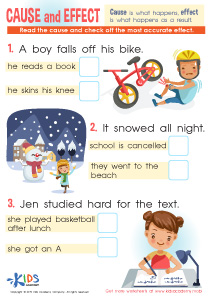
Animal identification Normal Reading Non-Fiction Worksheets for Ages 5-9
3 filtered results
-
From - To
Discover engaging and educational "Animal Identification Normal Reading Non-Fiction Worksheets" designed for children ages 5-9. These worksheets help young learners explore the animal kingdom while enhancing their reading skills. Each activity is crafted to promote comprehension, vocabulary development, and critical thinking through fun facts and colorful illustrations. Whether in the classroom or at home, these worksheets provide a perfect blend of education and entertainment, fostering a love for reading and wildlife. Parents and teachers can easily incorporate these resources to support learning objectives and inspire curiosity about the world of animals. Start your child’s adventure in learning today!
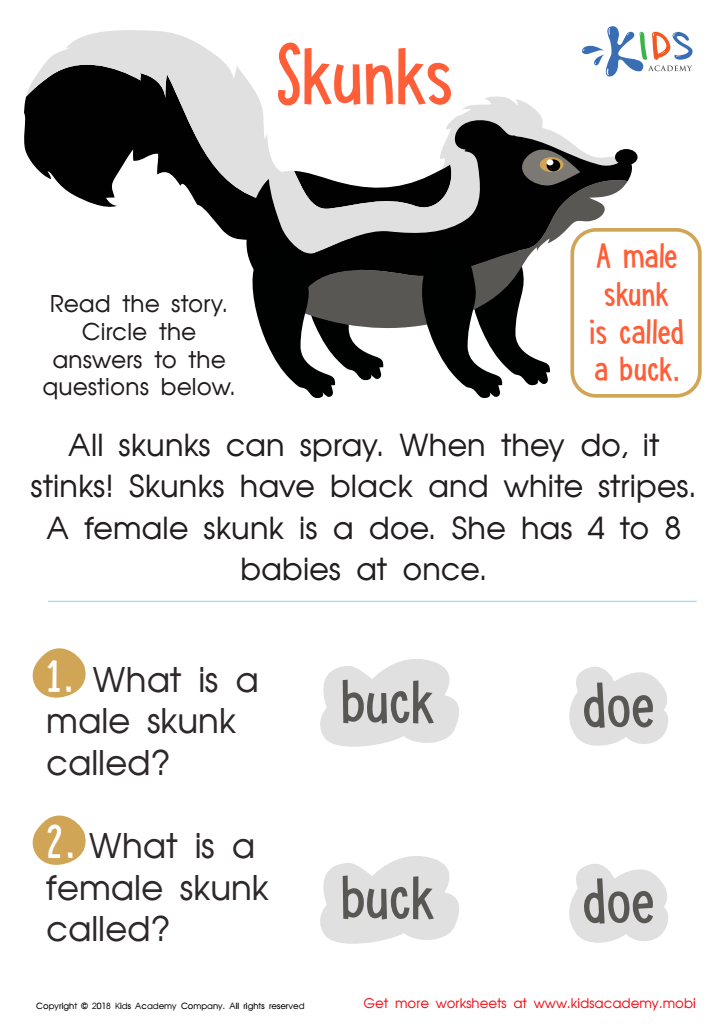
Skunks Worksheet
 Assign to My Students
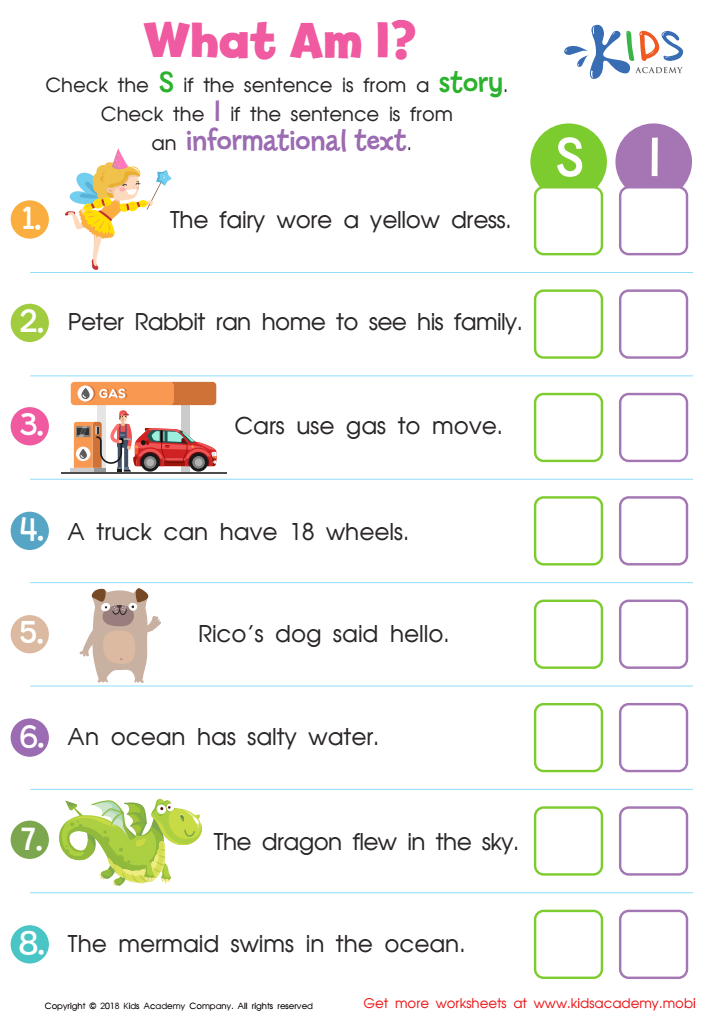
What Am I? Worksheet
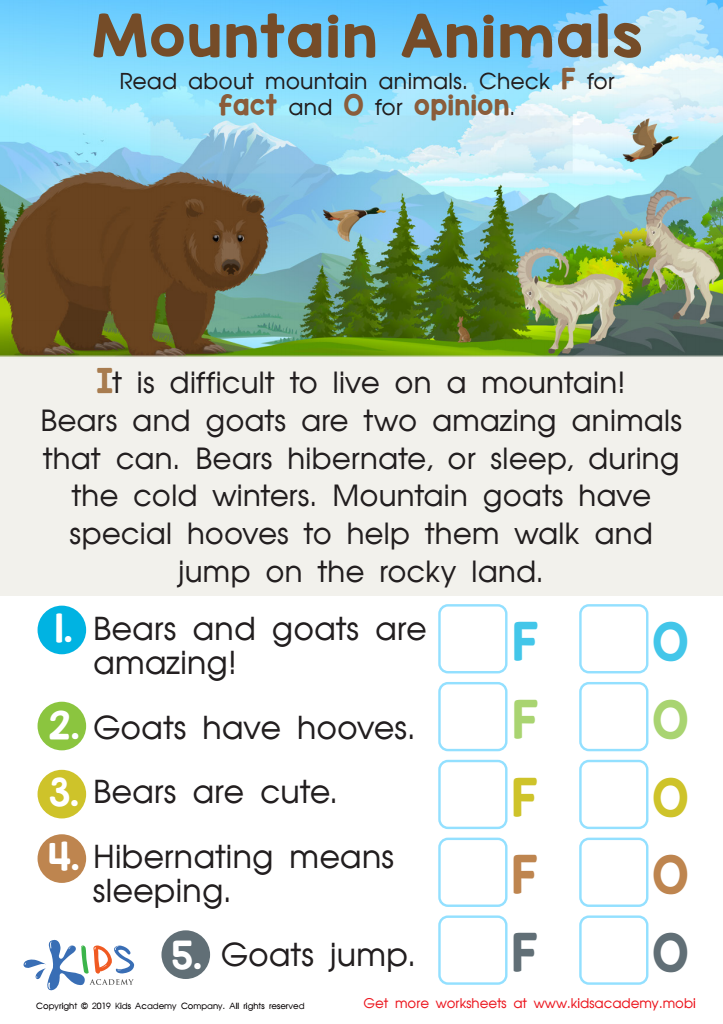
Mountain Animals Worksheet








Animal identification is an essential topic for children aged 5 to 9, and parents and teachers should care about its importance for several reasons. First, it enhances children's observation and analytical skills, helping them recognize different species and understand their characteristics. This fundamental knowledge fosters a sense of curiosity and encourages further exploration of the natural world.
Additionally, understanding animal identification promotes environmental awareness and empathy towards all living beings. Children learn the importance of biodiversity and the roles various animals play in their ecosystems. This understanding can lay the groundwork for responsible behaviors, such as conservation and respect for wildlife.
Moreover, reading non-fiction materials about animals helps develop literacy and language skills. Engaging narratives and factual texts can expand children's vocabulary and improve comprehension as they learn to process information and reflect on what they read.
A focus on animal identification in a curriculum not only makes learning fun but also leads to discussions about habitats, behaviors, and the conservation challenges many species face today. By educating children about animals, parents and teachers are nurturing responsible, informed citizens who are more likely to take an interest in protecting our planet's incredible biodiversity.