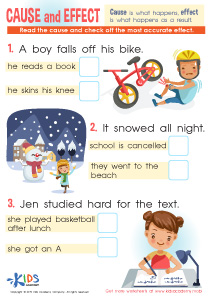
Reading practice Normal Reading Non-Fiction Worksheets for Ages 5-9
4 filtered results
-
From - To
Enhance your child's reading journey with our engaging Non-Fiction Reading Practice Worksheets, specially designed for ages 5-9. These expertly crafted worksheets are perfect for developing young readers' comprehension skills through fundamental nonfiction content. Written with age-appropriate vocabulary, they cater to early learners, sparking curiosity about the world around them while enhancing their understanding. Each worksheet features intriguing facts, questions, and activities that keep learners captivated, making reading both fun and educational. Perfect for classroom and home use, our printable worksheets support students' academic growth and foster a lifelong love for reading. Start exploring today and watch your child's reading confidence soar!
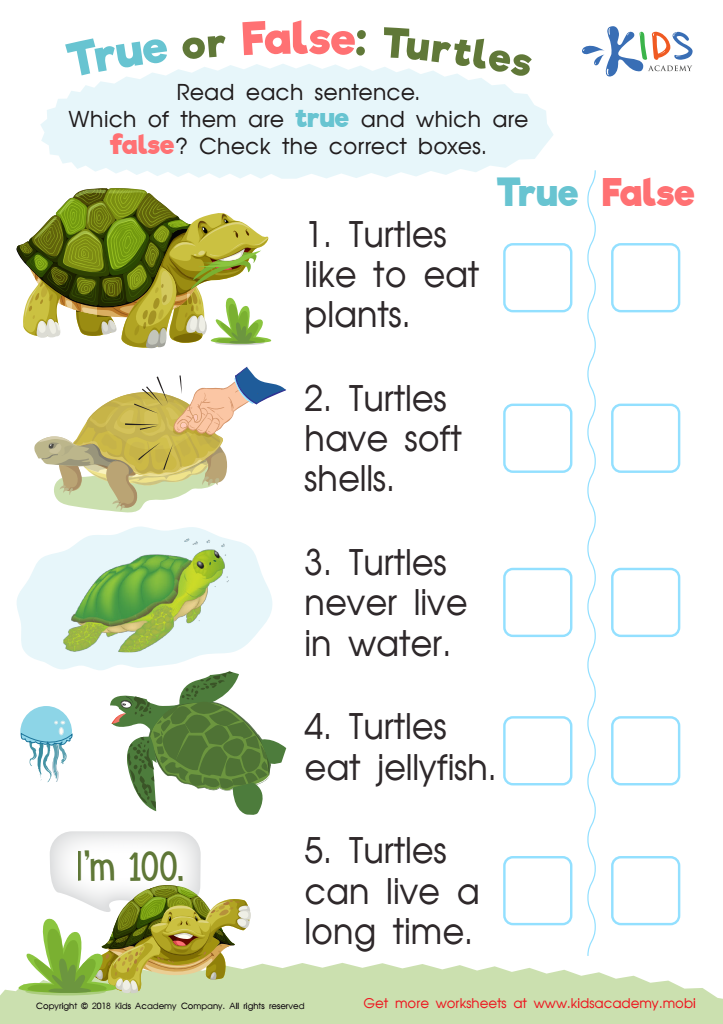
True or False: Turtles Worksheet
 Assign to My Students
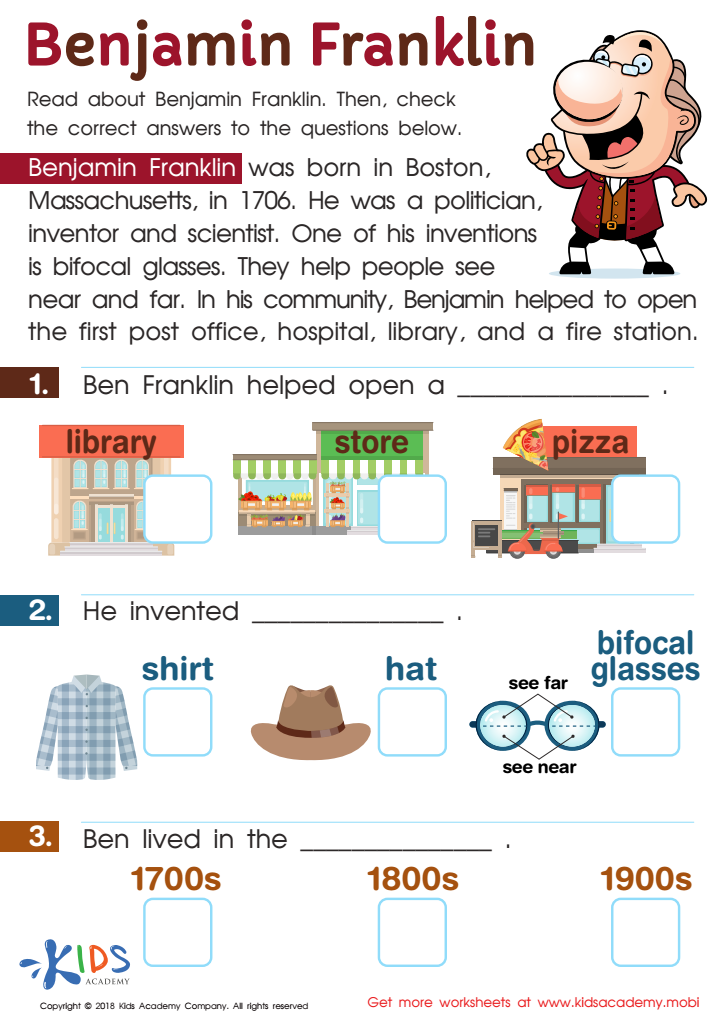
Benjamin Franklin Worksheet
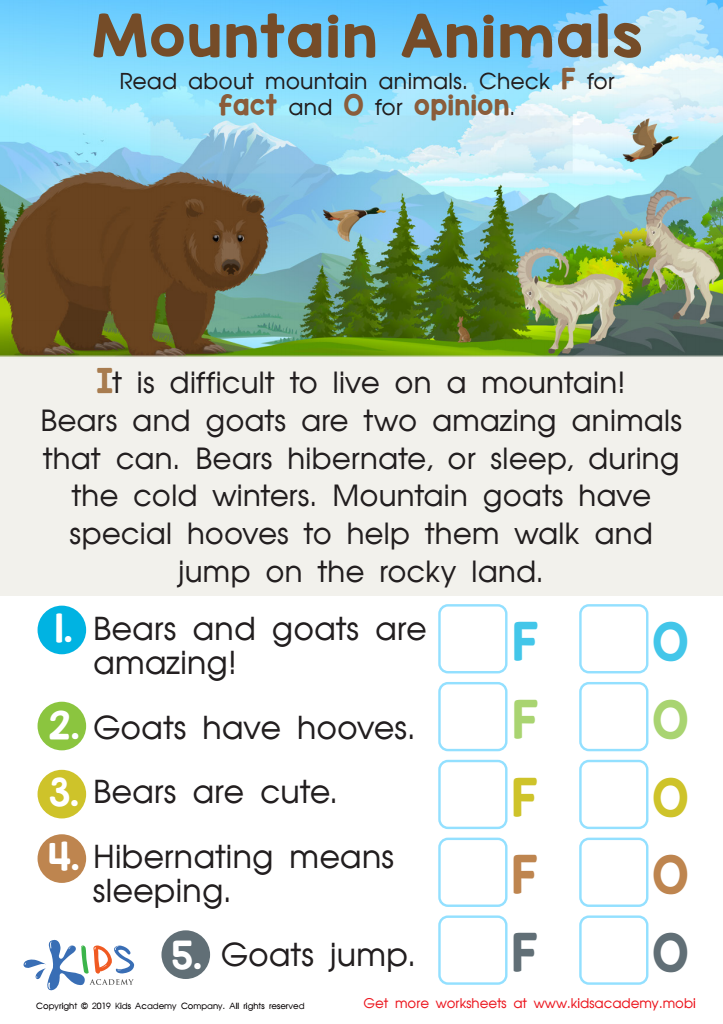
Mountain Animals Worksheet
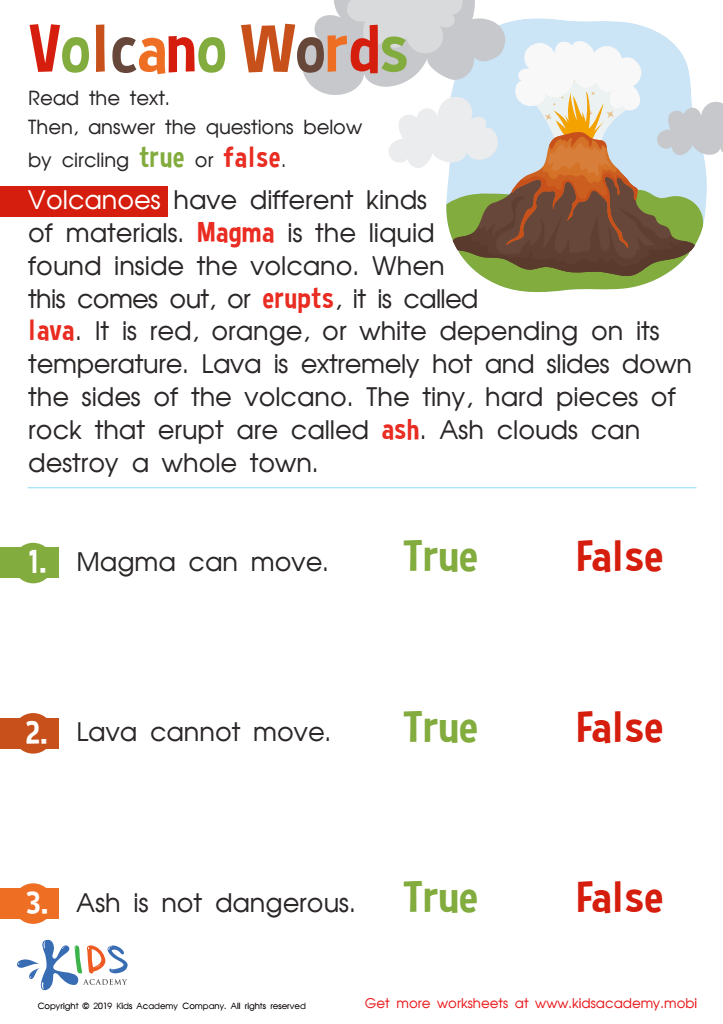
Volcano Words Worksheet








Parents and teachers should emphasize the importance of reading practice, particularly through non-fiction, for children aged 5-9 for several compelling reasons. Firstly, this critical developmental period lays the foundation for lifelong learning. Young children are naturally curious, and non-fiction text provides them with valuable opportunities to explore and understand the world around them, fostering a love for learning.
Reading non-fiction enhances comprehension and critical thinking skills. Unlike fictional stories, non-fiction exposes children to factual information, increasing their knowledge base and supporting cognitive development. It helps build vocabulary and introduces children to a variety of text structures and elements, such as graphs, indexes, and captions, making them versatile readers.
Moreover, non-fiction reading cultivates information literacy, a critical skill in our information-rich society. Children learn to differentiate between factual information and opinions, understand the nature of sources, and begin to ask discerning questions about the material they encounter.
Supporting children in reading non-fiction also aligns with many educational standards and curricula. Science, history, and other subjects require comprehension of informational text, making early exposure beneficial for academic success.
Encouraging reading practice through non-fiction texts at an early age sets children on a path toward becoming informed, critical thinkers and successful learners. Thus, both parents and teachers play a pivotal role in cultivating these formative skills through regular, engaged reading practice.