Observational skills development Normal Science Worksheets for Ages 5-9
3 filtered results
-
From - To
Enhance your child's observational skills with our engaging Normal Science Worksheets, designed specifically for ages 5-9. These worksheets encourage children to explore their surroundings, recognize patterns, and develop critical thinking through fun and interactive activities. Students will enjoy hands-on tasks that promote keen observation, enabling them to document their findings about nature, objects, and living creatures. As they complete each worksheet, they'll hone essential skills that lay a foundation for future scientific learning. Perfect for teachers and parents alike, these resources provide enjoyable ways to stimulate curiosity and foster a love for science early on! Download now and spark discovery!
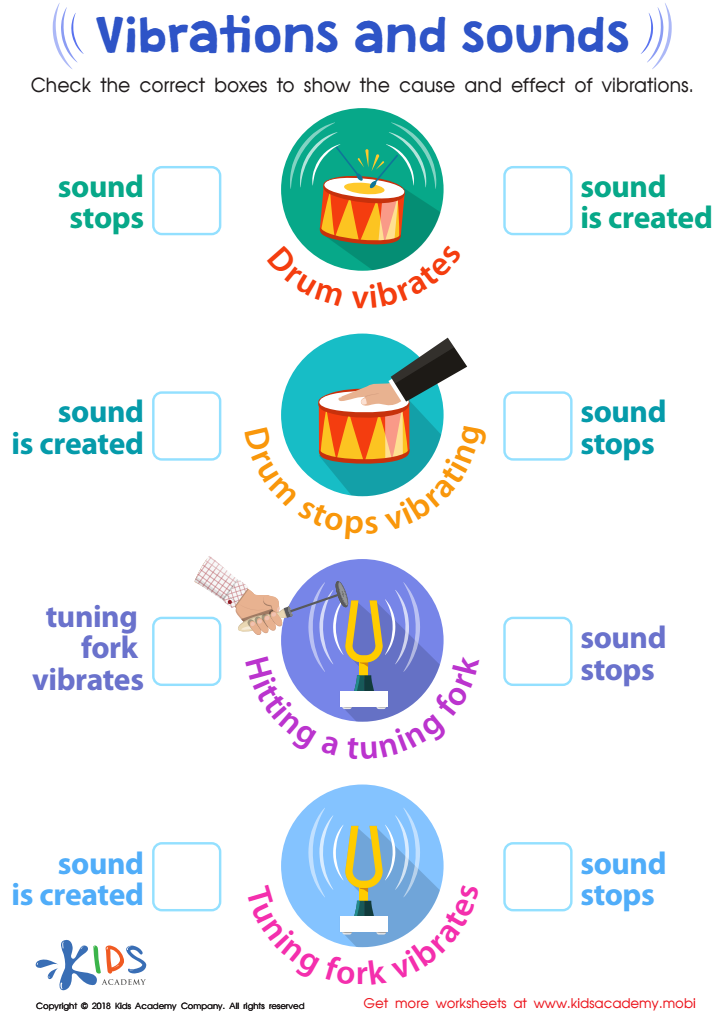
Vibrations and Sounds Worksheet
 Assign to My Students
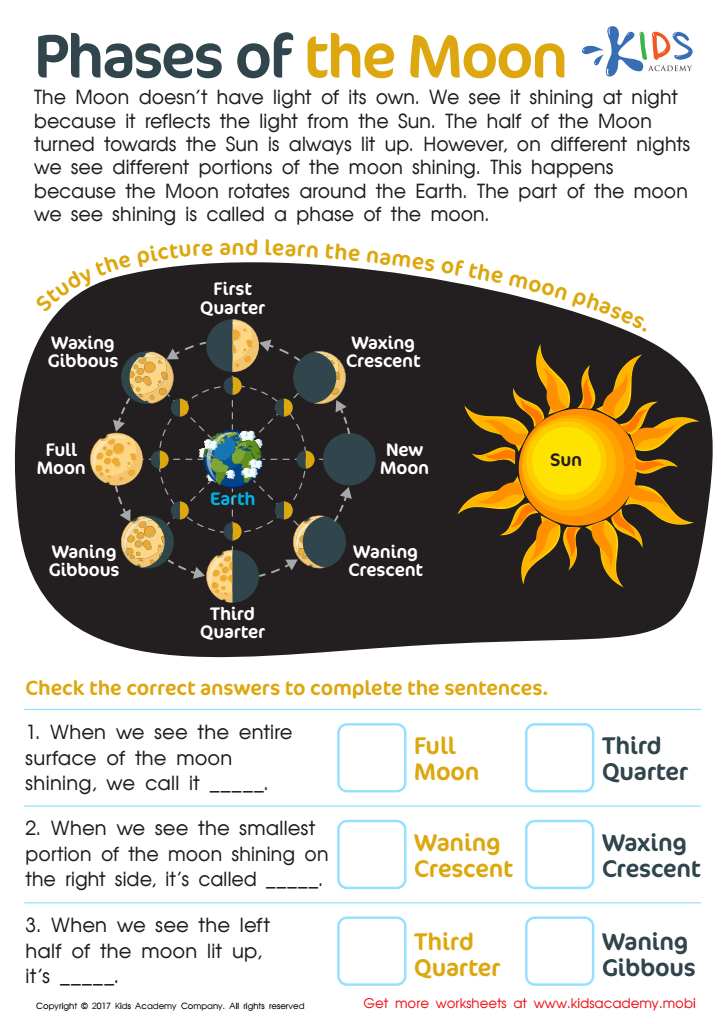
Phases of The Moon Worksheet
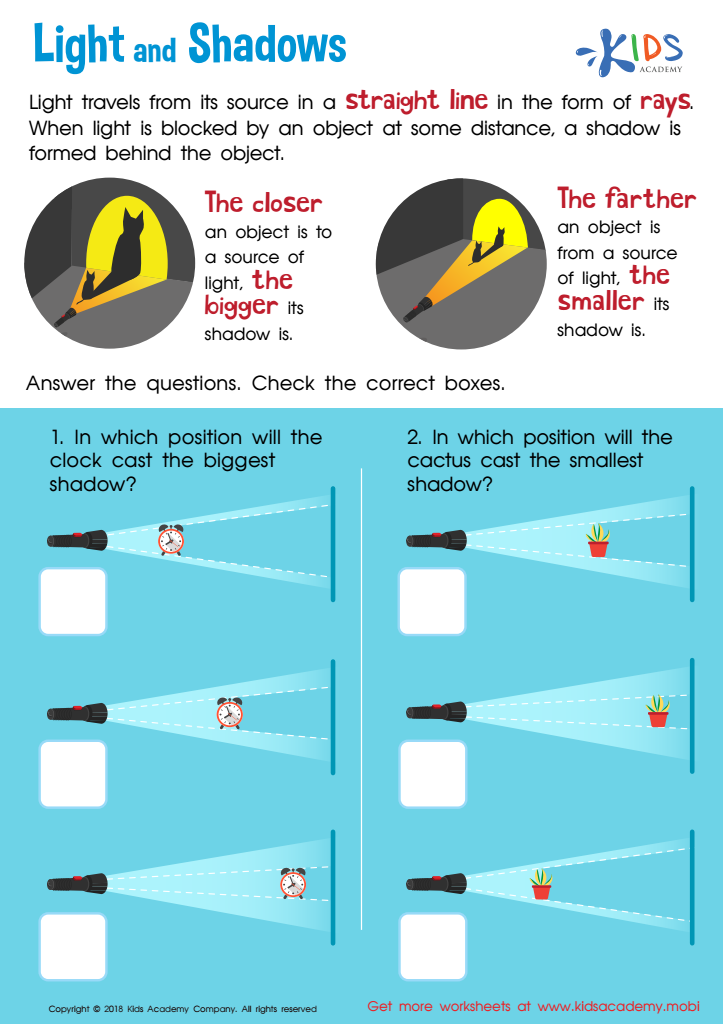
Light and Shadow Worksheet for Grade 3



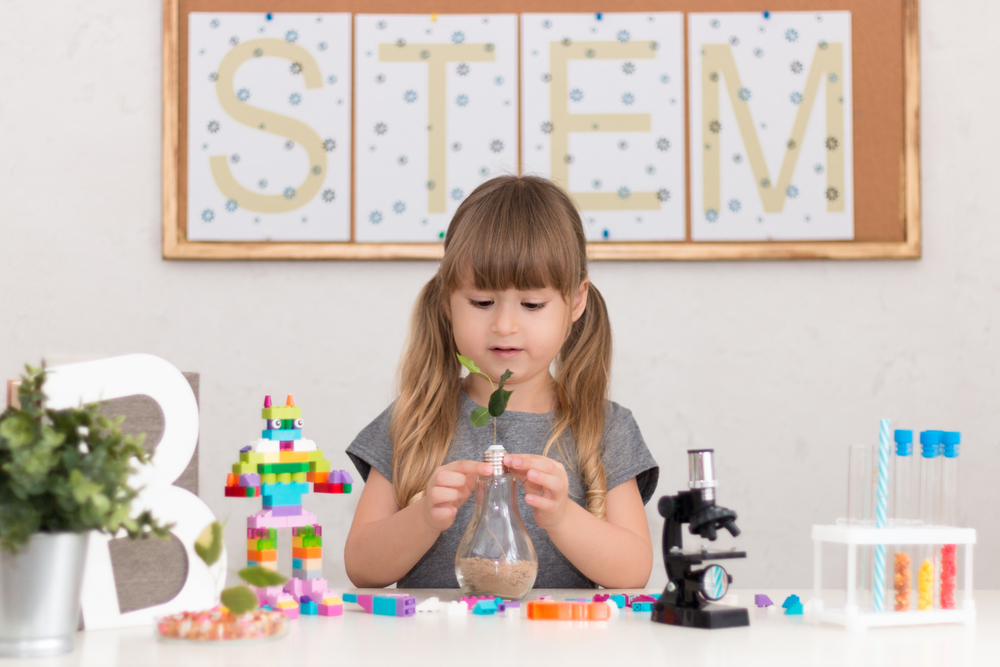



Observational skills development in early childhood is essential for children aged 5-9, as it serves as the foundation for their understanding of science and the world around them. Firstly, these skills foster curiosity, enabling children to ask questions, make predictions, and discover answers through their observations. This process not only encourages independent thinking but also nurtures a lifelong love for learning.
Moreover, strong observational skills enhance critical thinking and problem-solving abilities. When children learn to closely observe their environment, they begin to recognize patterns, details, and the relationships between different elements. This cognitive development can positively impact their academic performance across subjects, not just in science.
For teachers and parents, fostering observational skills means creating a richer learning environment. Simple activities, such as nature walks or class experiments, can engage children meaningfully. Engaging children with projects encourages them to record their findings and communicate their thoughts, developing both their language and social skills.
Lastly, observational skills are instrumental in developing emotional intelligence. Children learn to better perceive non-verbal cues and emotions, facilitating healthier relationships with peers. Therefore, prioritizing observational skill development in early education is crucial for holistic child growth and academic success.







