Analyzing data Normal Our Planet and Environment Worksheets for Ages 5-9
5 filtered results
-
From - To
Discover engaging "Analyzing Data - Our Planet and Environment" worksheets tailored for ages 5-9. Perfect for early learners, these worksheets help kids comprehend environmental data while fostering essential analytical skills. Watch as young minds explore topics related to our planet, encouraging curiosity and a love for science. Activities include interpreting graphs, comparing information, and drawing conclusions, all designed to align with educational standards. Inspire your child’s scientific journey, enhance their critical thinking, and nurture an understanding of environmental stewardship with Kids Academy's expertly crafted resources, perfect for in-class or home learning!
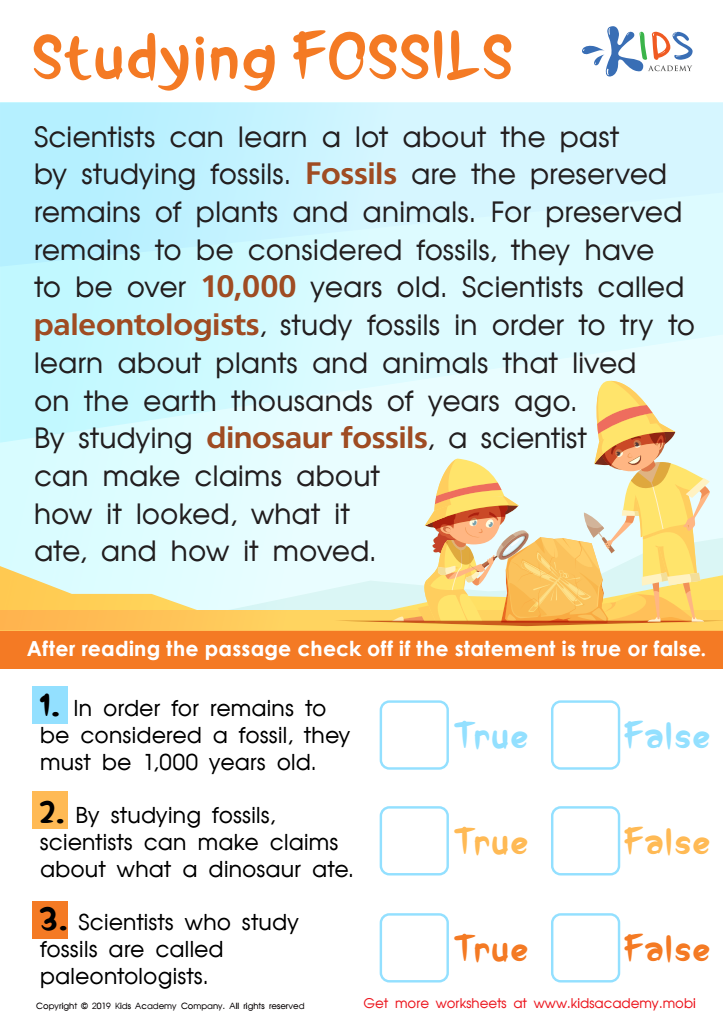
Studying Fossils Worksheet
 Assign to My Students
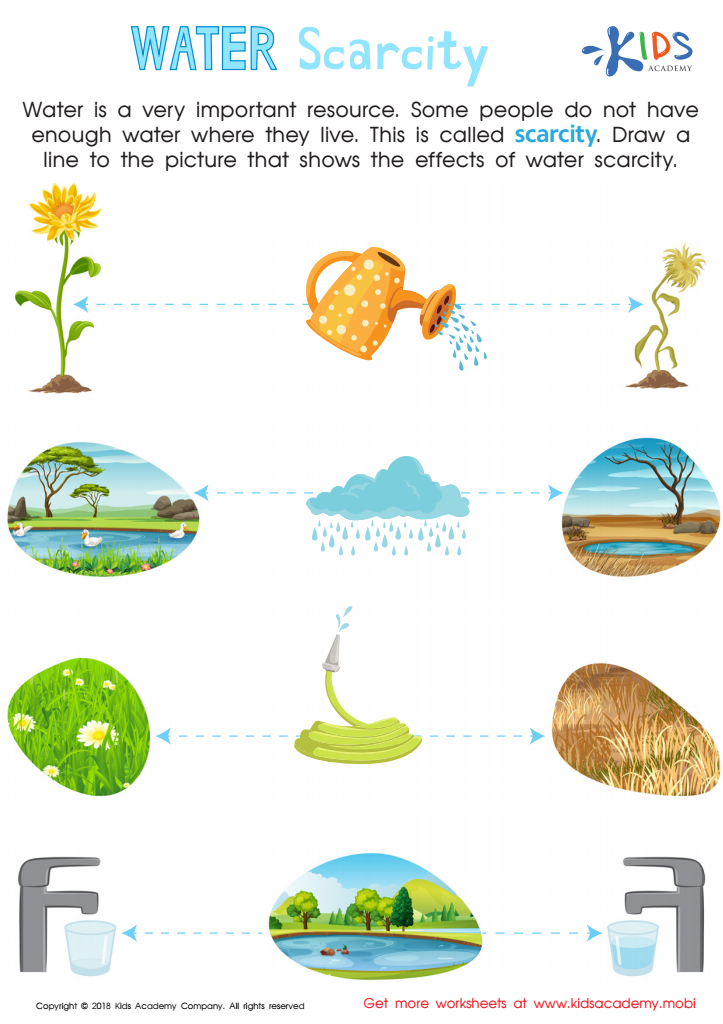
Water Scarcity Worksheet
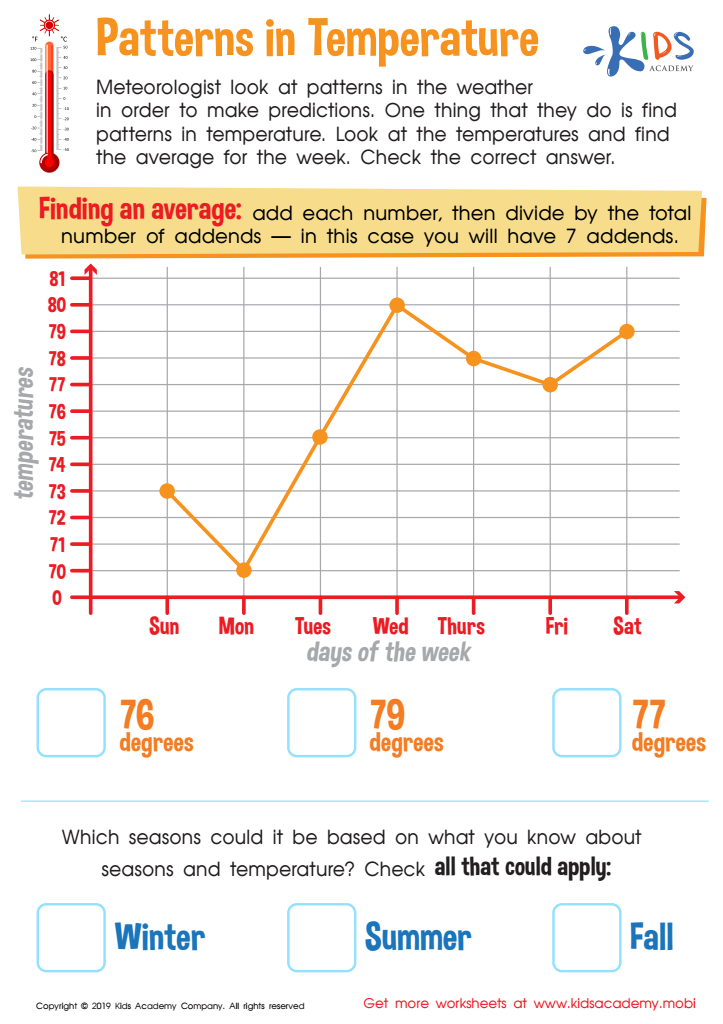
Patterns in Temperature Worksheet
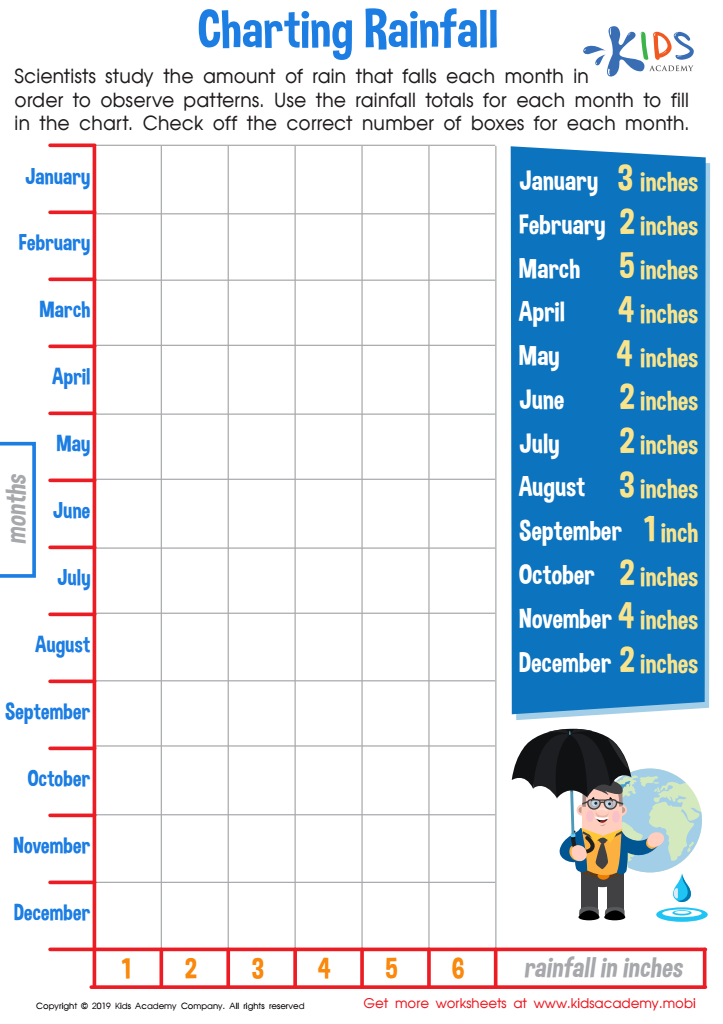
Charting Rainfall Worksheet
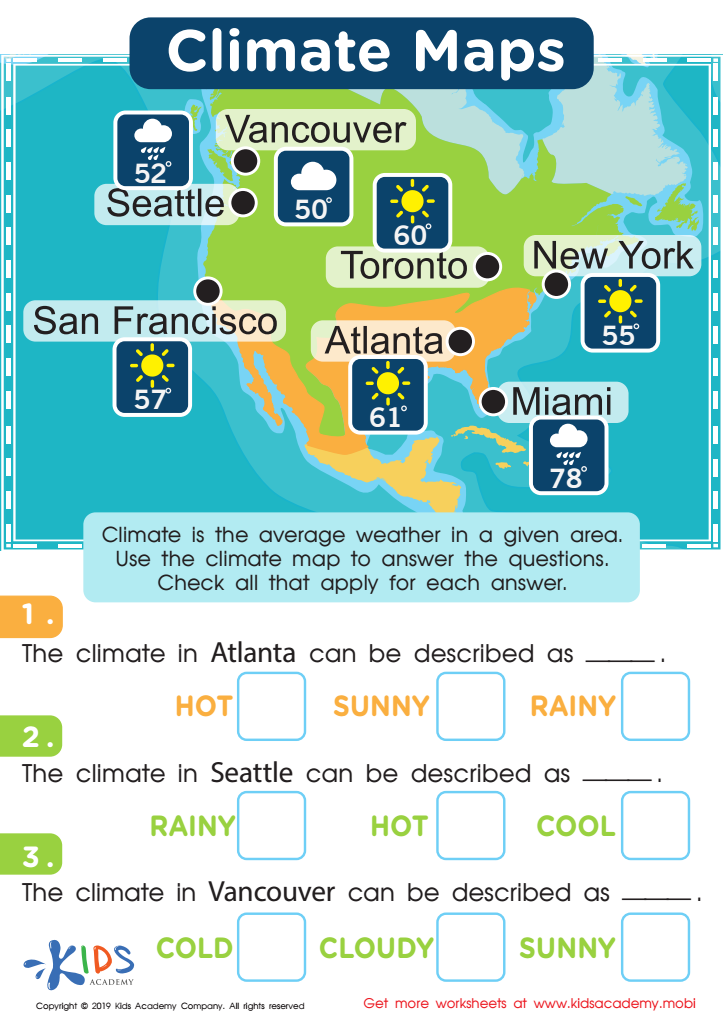
Climate Maps Worksheet







Analyzing data about our planet and environment is essential for young kids, as it nurtures a sense of wonder and responsibility towards the natural world from an early age. Parents and teachers can help children ages 5-9 appreciate the importance of data analysis in understanding environmental changes and making informed decisions to protect our Earth.
Introducing children to basic concepts of data analysis, like recognizing patterns and trends in weather, plant growth, or pollution levels, helps them become critical thinkers. This fosters early scientific literacy, empowering kids to make connections between their actions and the environment's well-being. For example, observing how recycling impacts neighborhood cleanliness or how weather patterns affect local wildlife can make environmental issues relatable and tangible.
Engaging young minds in qualitative and quantitative observations nurtures curiosity and problem-solving skills that are valuable beyond science. Discussions about environmental data also teach kids about teamwork and ethical considerations, highlighting the importance of coordinated efforts to tackle global challenges like climate change.
Moreover, instilling these values at a young age lays a foundation for lifelong environmental stewardship. By embracing these concepts, today's children—our future leaders—are more likely to develop into informed citizens committed to protecting our planet for generations to come.







