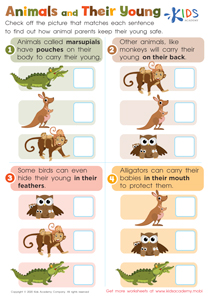
Vocabulary expansion Normal Plants Worksheets for Ages 5-9
3 filtered results
Difficulty Level
Grade
Age
-
From - To
Subject
Activity
Standards
Explore our "Vocabulary Expansion Normal Plants Worksheets" designed for ages 5-9, where young learners embark on an exciting journey through the world of plants! These engaging worksheets promote vocabulary development by introducing essential plant-related terms in a fun, interactive way. Ideal for early grade teachers, parents, and homeschoolers, our resources spark curiosity and enhance understanding of basic botany concepts. Each worksheet features visually appealing illustrations and age-appropriate activities that encourage children to describe, classify, and relate to various plants. Join us in fostering a love for nature and enriching language skills with our vibrant, educational plant worksheets!
Favorites
With answer key
Interactive
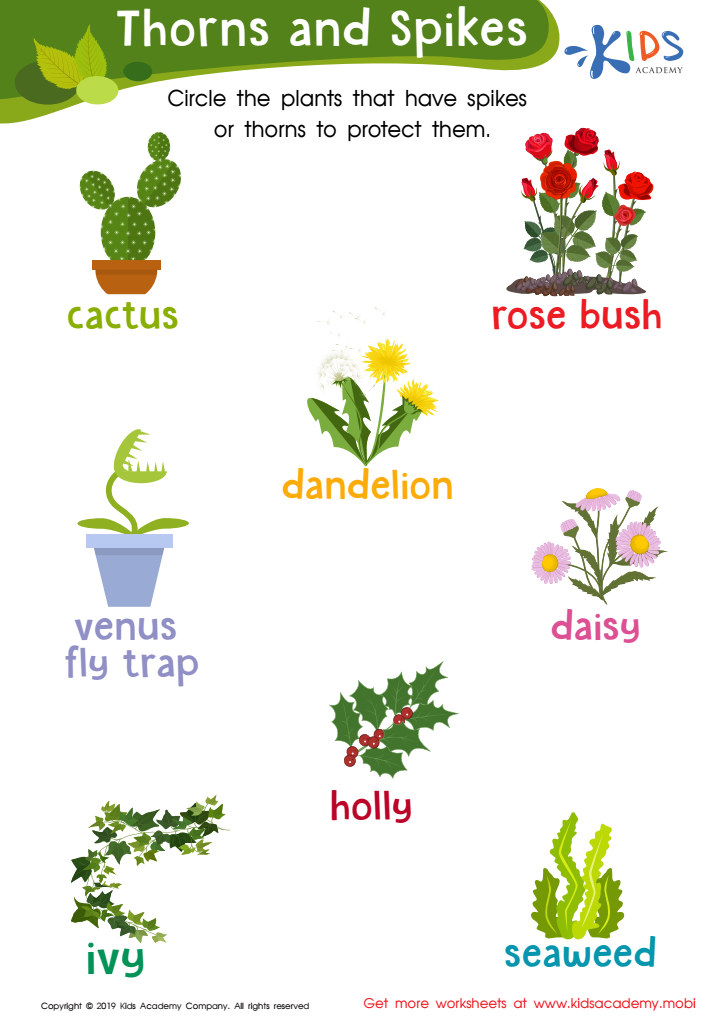
Thorns and Spikes Worksheet
Can your students name and identify the plants and flowers in this worksheet? Ask them to read out the names and circle the ones with spikes or thorns. Help them appreciate nature's beauty and understand how plants protect themselves.
 Assign to My Students
Thorns and Spikes Worksheet
Worksheet
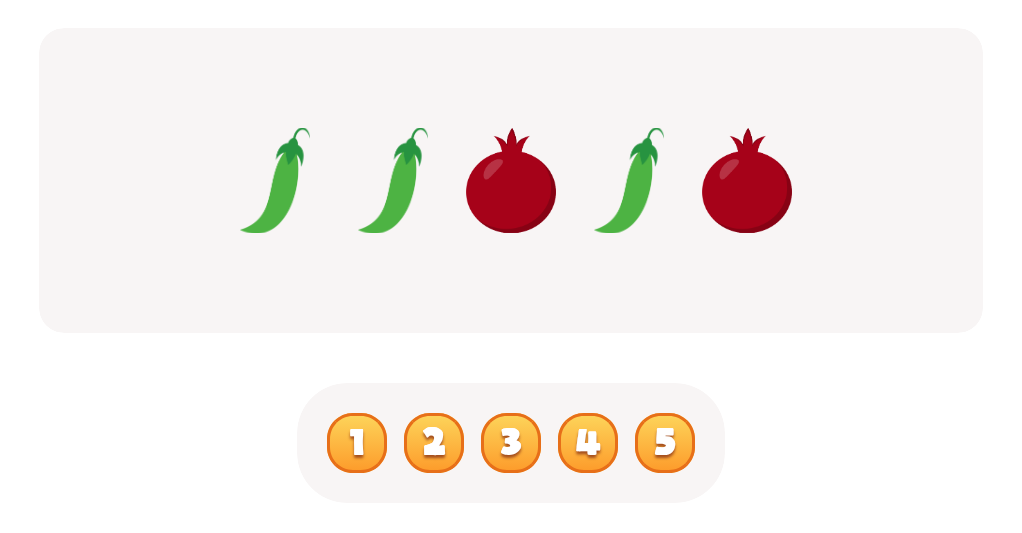

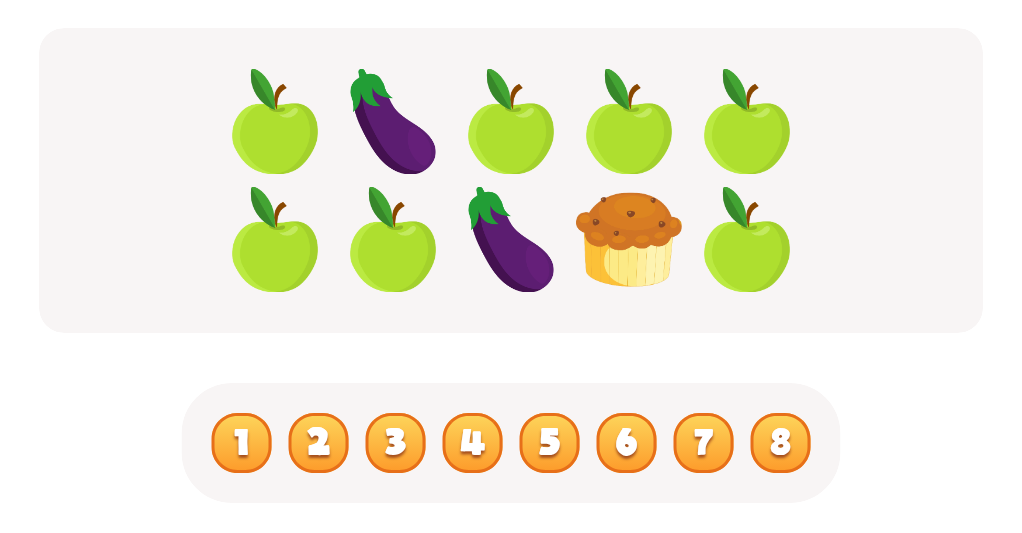



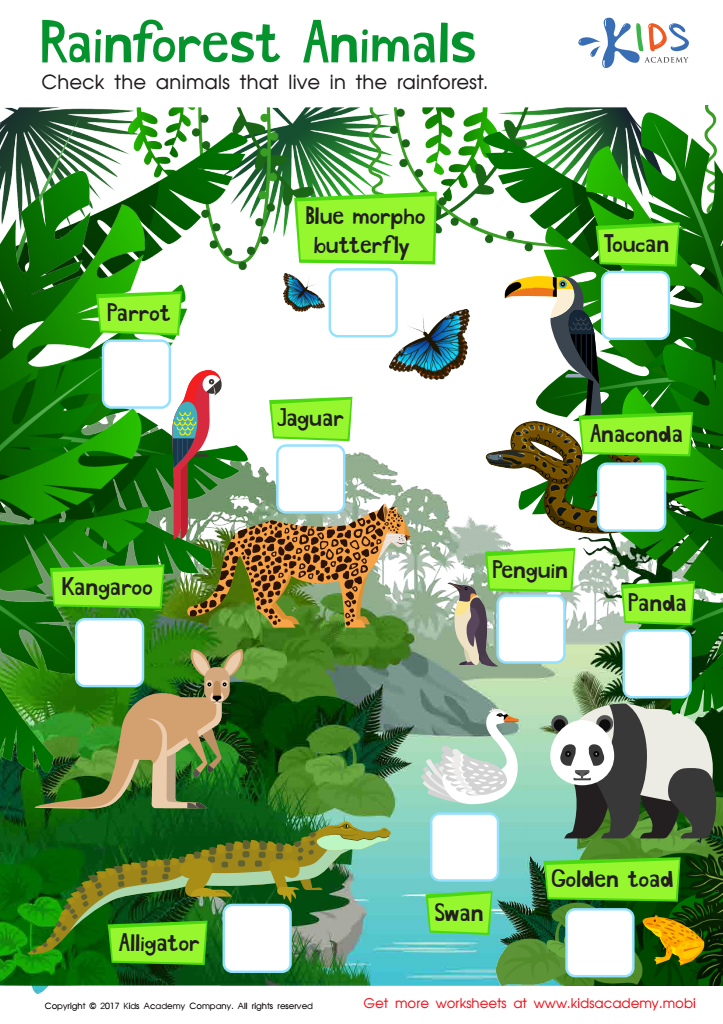
Rainforest Animals Worksheet
Kids love the bright, vivid pics of rainforest animals in this worksheet. It fuels their interest in life science and brings joy to their learning. It encourages them to study these animals in detail.
Rainforest Animals Worksheet
Worksheet
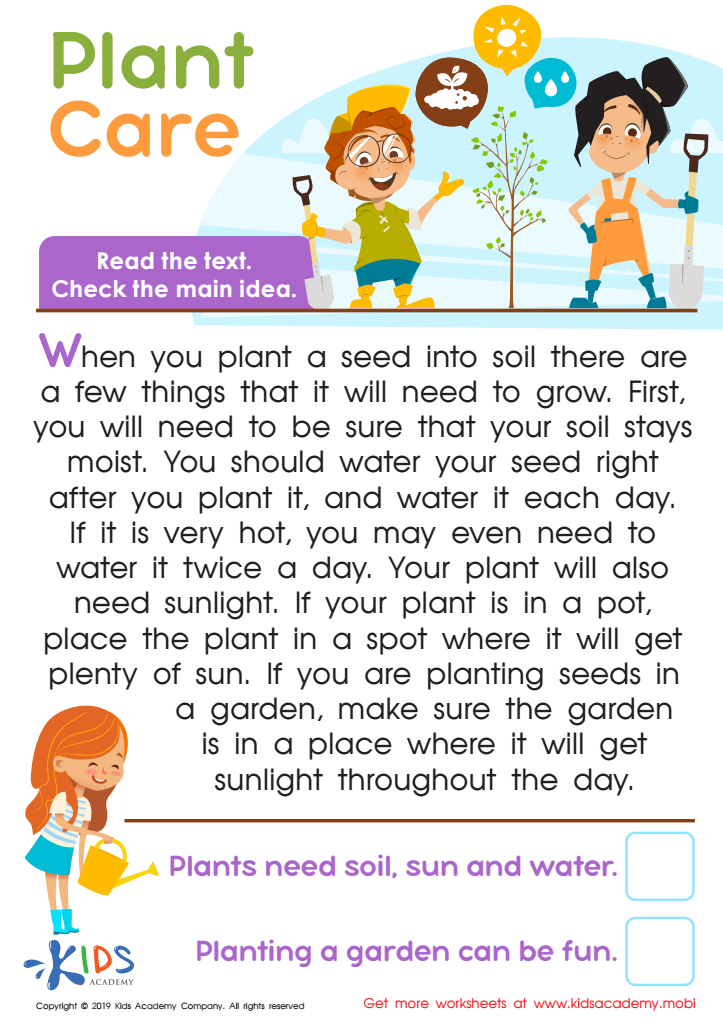
Plant Care Worksheet
Encourage your children to read by helping them practice. Print out the worksheet and read the text with them. Help them understand the words and find the main idea. This will improve their reading skills and prepare them for school.
Plant Care Worksheet
Worksheet
Join Kids Academy for Free
Who is primarily going to use this learning content?








Vocabulary expansion during ages 5-9 is crucial for children's language development, particularly in areas related to "normal" or common plants. Firstly, enhancing vocabulary related to plants fosters an appreciation for nature, encouraging curiosity and outdoor exploration. Children learn to identify various plants, understand their roles in the ecosystem, and appreciate biodiversity, establishing crucial foundational knowledge for environmental awareness.
Moreover, vocabulary growth improves reading comprehension and writing skills. As children learn descriptive terms and jargon associated with plants, they become better equipped to express themselves accurately and creatively. This expertise connects to other subjects, such as science and art, reinforcing a well-rounded education.
Collaboration between parents and teachers reinforces this learning. Parents can introduce plant-related activities, such as gardening, nature walks, or visits to botanical gardens, reinforcing vocabulary in real-world contexts. Teachers can integrate engaging storytelling, hands-on activities, and discussions, immersing students in plant-related topics that make learning enjoyable.
Overall, by prioritizing vocabulary expansion in plants, parents and teachers equip children with a rich linguistic toolkit that supports their cognitive development and prepares them for future academic success while fostering an enduring connection with the natural world.