Logical Reasoning Normal Plants and Animals Worksheets for Ages 5-9
5 filtered results
-
From - To
Enhance your child's cognitive abilities with our Logical Reasoning Worksheets for Normal Plants and Animals, designed for ages 5-9. These engaging activities are crafted to develop critical thinking and problem-solving skills through the exploration of plant and animal life. Children will classify, compare, and sequence different species while gaining key insights into the natural world. Perfect for young learners, our worksheets make science fun and educational, fostering a love for learning and curiosity. Suitable for both classroom and home use, these printables are an excellent tool to support your child's academic growth and logical reasoning development.
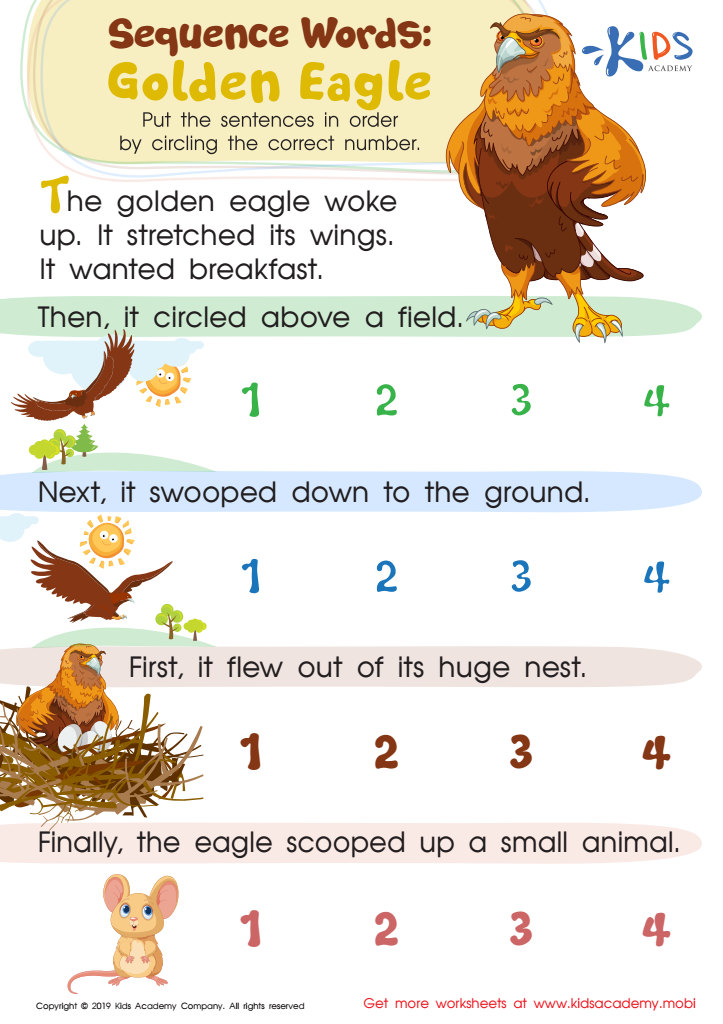
Sequence Word Eagle Worksheet
 Assign to My Students











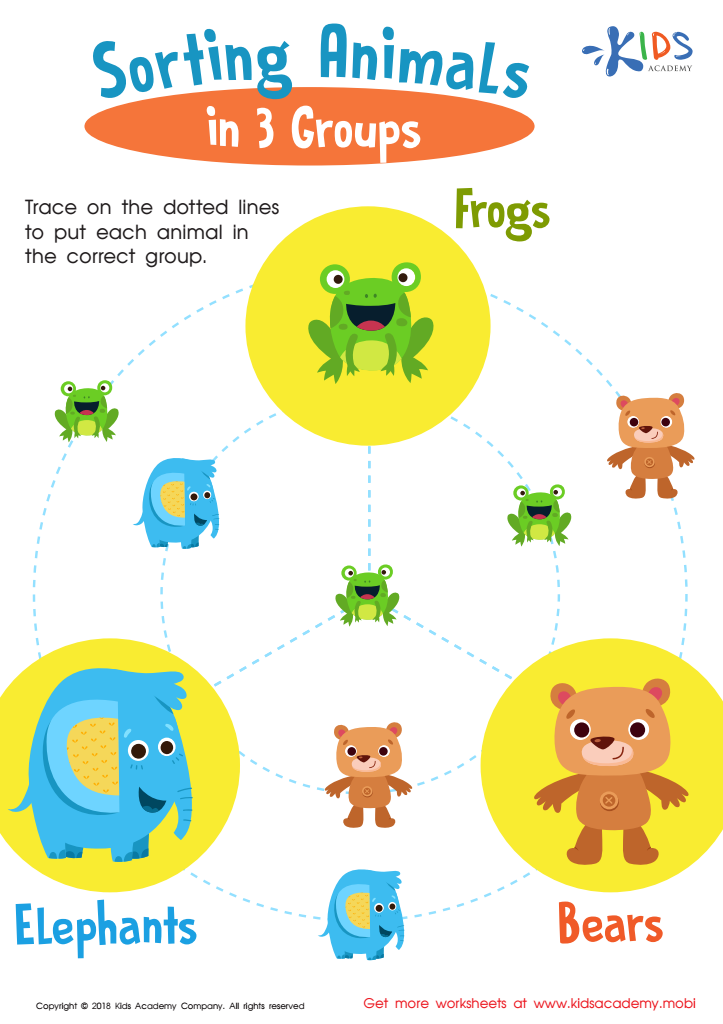
Sorting Animals in 3 Groups Worksheet
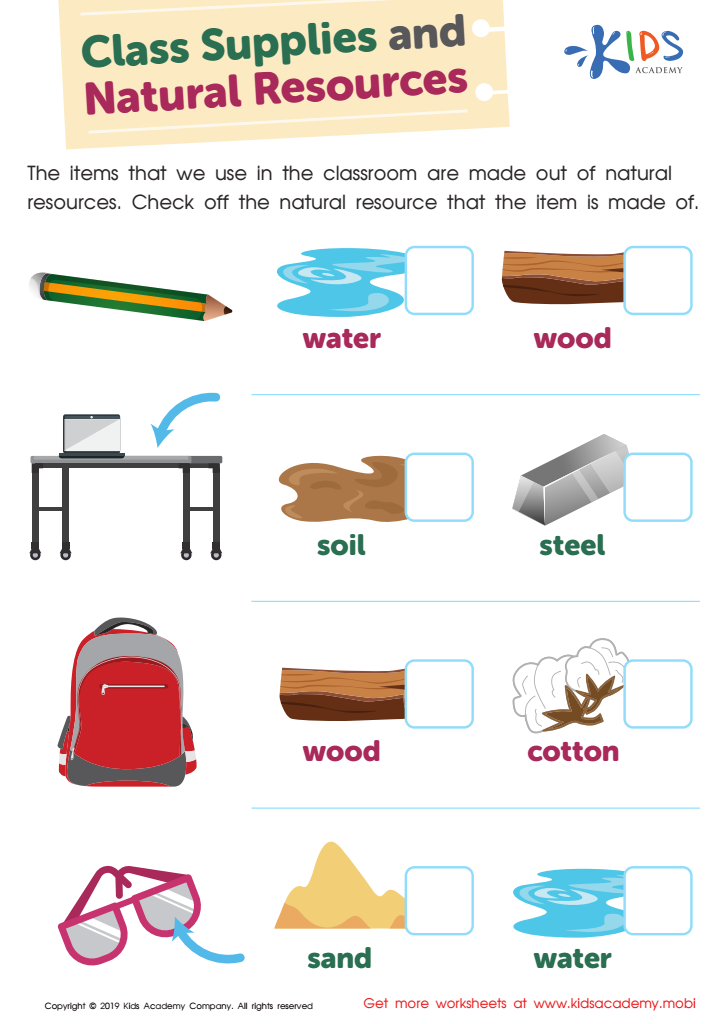
Class Supplies and Natural Resources Worksheet
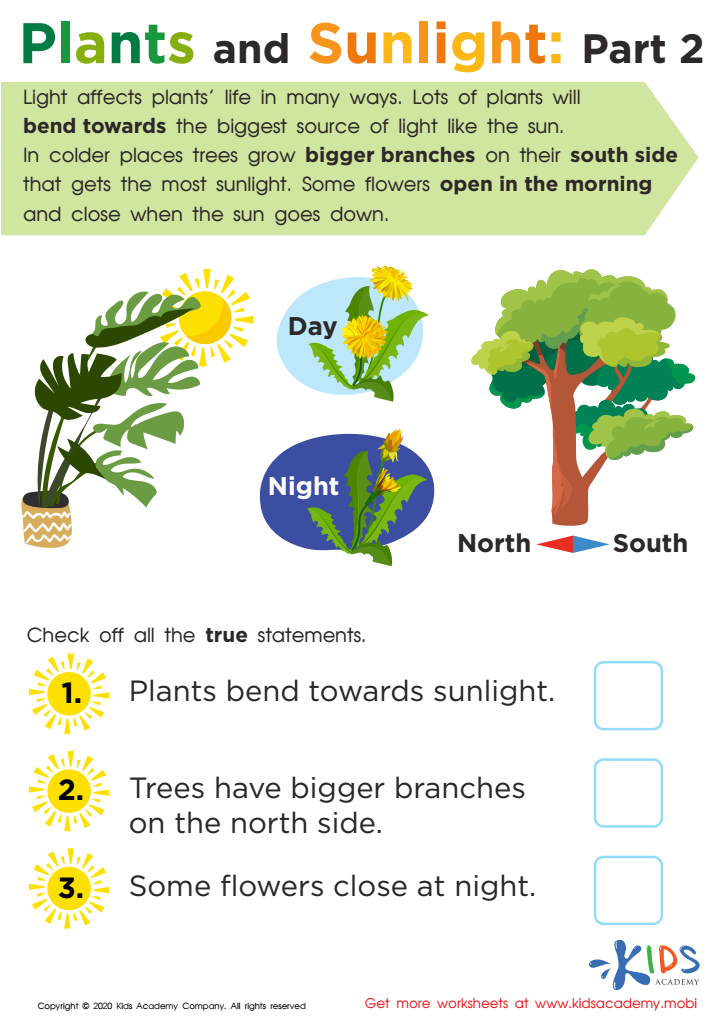
Plants and Sunlight: Part 2 Worksheet
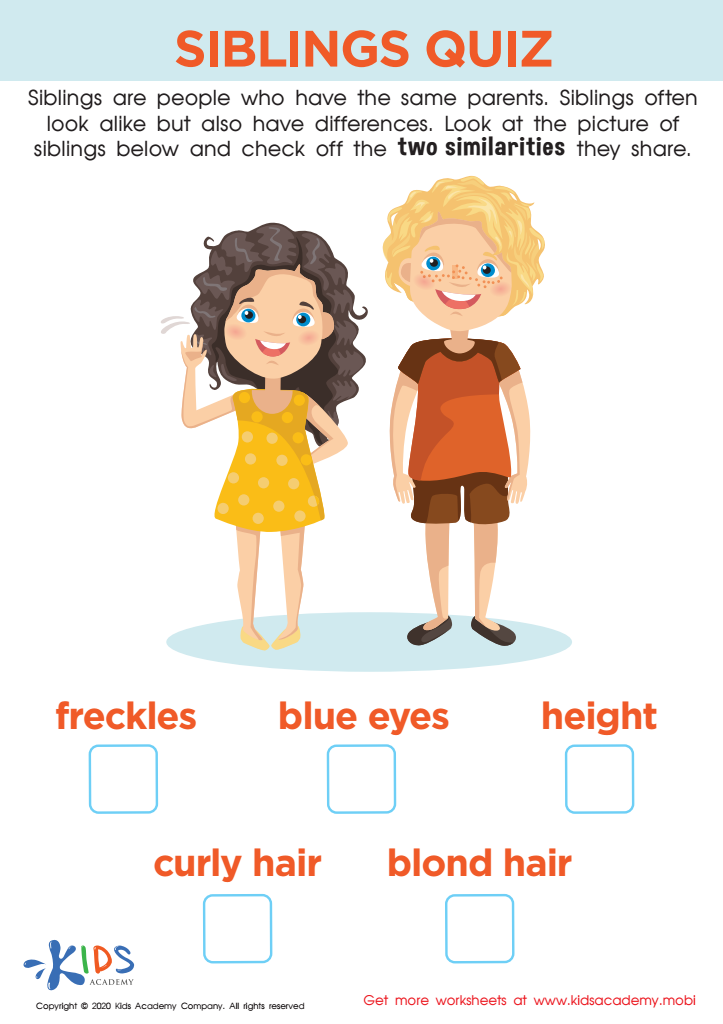
Siblings Quiz Worksheet








Teaching kids about logical reasoning and normal plants and animals from ages 5-9 lays a critical foundation for their academic and personal development. This age is particularly formative, characterized by rapid cognitive growth and expanding curiosity about the world around them.
First, logical reasoning skills are essential for problem-solving across many subjects, including math, science, and everyday life. When children learn to make connections, predict outcomes, and understand cause-and-effect relationships, they become more adept at tackling challenges methodically and confidently.
Learning about plants and animals furthers children's appreciation for nature, which fosters a sense of responsibility towards environmental stewardship. Understanding the basic characteristics and roles of different flora and fauna helps them grasp more complex life science concepts later on, such as ecosystems and biodiversity.
Story-based exercises that integrate logical puzzles with facts about plants and animals can be especially effective. Such interdisciplinary learning not only makes education fun but links abstract reasoning with concrete knowledge about the natural world.
Moreover, these activities often involve observational learning and hands-on experiences like nature walks and simple experiments, strengthening kids' fine motor skills and attention to detail. By addressing these fundamental areas early, parents and teachers set children up for lifelong curiosity, reasoned thinking, and environmental consciousness.







