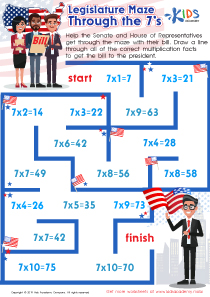
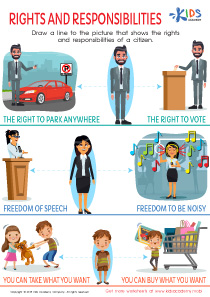
Building vocabulary Normal Community Worksheets for Ages 5-9
3 filtered results
-
From - To
Enhance your child's vocabulary with our engaging "Building Vocabulary Normal Community Worksheets for Ages 5-9." These meticulously designed worksheets are perfect for young learners, focusing on everyday community terms and social studies concepts. By introducing essential vocabulary through fun and interactive activities, children gain valuable language skills and a deeper understanding of their surroundings. Our colorful worksheets feature a variety of exercises, from matching words to pictures, fill-in-the-blanks, and sentence construction, ensuring a comprehensive learning experience. Ideal for both classroom and home use, these resources support literacy development and foster a love for learning in your child.
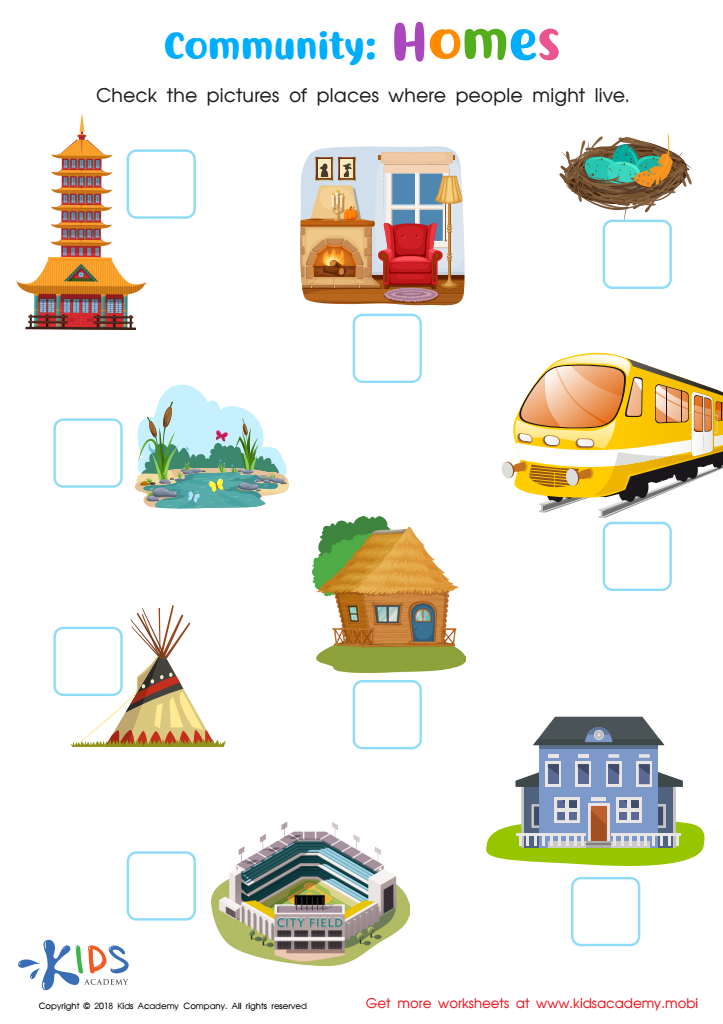
Community: Homes Worksheet
 Assign to My Students
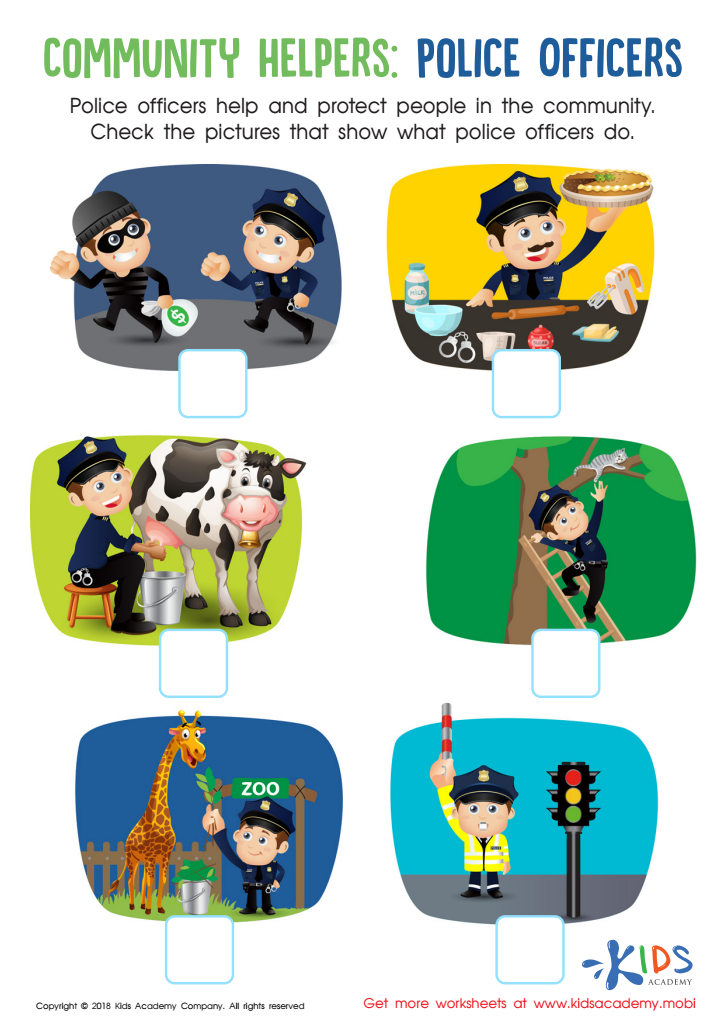
Police Officers Community Helpers Worksheet
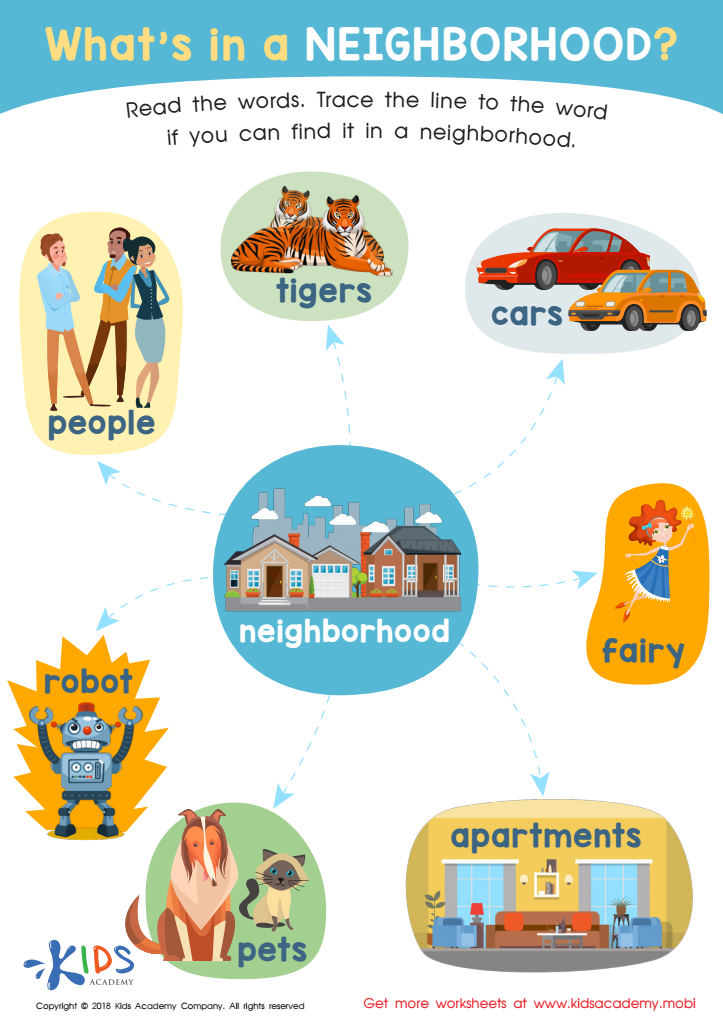
What's in a Neighborhood? Worksheet








Building a robust vocabulary in children aged 5-9 is foundational for their overall development and future academic success. Parents and teachers play a crucial role in this process, and here is why it matters:
First, a strong vocabulary helps children express themselves more clearly and effectively. This age group is rapidly developing their communication skills, both speaking and writing. A richer vocabulary gives them the tools to convey their thoughts, emotions, and ideas precisely, improving interpersonal interactions and confidence.
Second, vocabulary is closely linked to reading comprehension. As children transition from learning to read to reading to learn, understanding word meanings becomes essential. A well-developed vocabulary allows children to grasp more complex texts and enhances their ability to infer meaning, making reading an enjoyable and rewarding activity rather than a frustrating one.
Additionally, vocabulary growth contributes to better academic performance across subjects. Whether it's understanding math problems, following science lessons, or grasping social studies concepts, a broad vocabulary is beneficial. Moreover, early vocabulary skills are predictive of later success, influencing high school graduation rates and even future career opportunities.
Lastly, in a broader community context, children with strong vocabularies are more likely to engage in conversations, ask questions, and be curious learners. This active participation fosters a vibrant, interactive learning environment that benefits all students.
In summary, prioritizing vocabulary development from an early age sets the stage for lifelong learning and success.