Color Identification Normal Community Worksheets for Ages 5-9
3 filtered results
-
From - To
Welcome to our "Color Identification Normal Community Worksheets" designed specifically for children ages 5-9. These engaging, age-appropriate worksheets help young learners explore the vibrant world around them while developing essential color recognition skills. By incorporating fun activities related to community themes, children will connect colors to everyday objects and experiences. Whether they're identifying community helpers or lively scenes, these worksheets promote learning through creativity and exploration. Ideal for classroom or home use, our color identification worksheets encourage curiosity, enhance visual learning, and foster a sense of community awareness. Start your child’s colorful educational journey today!
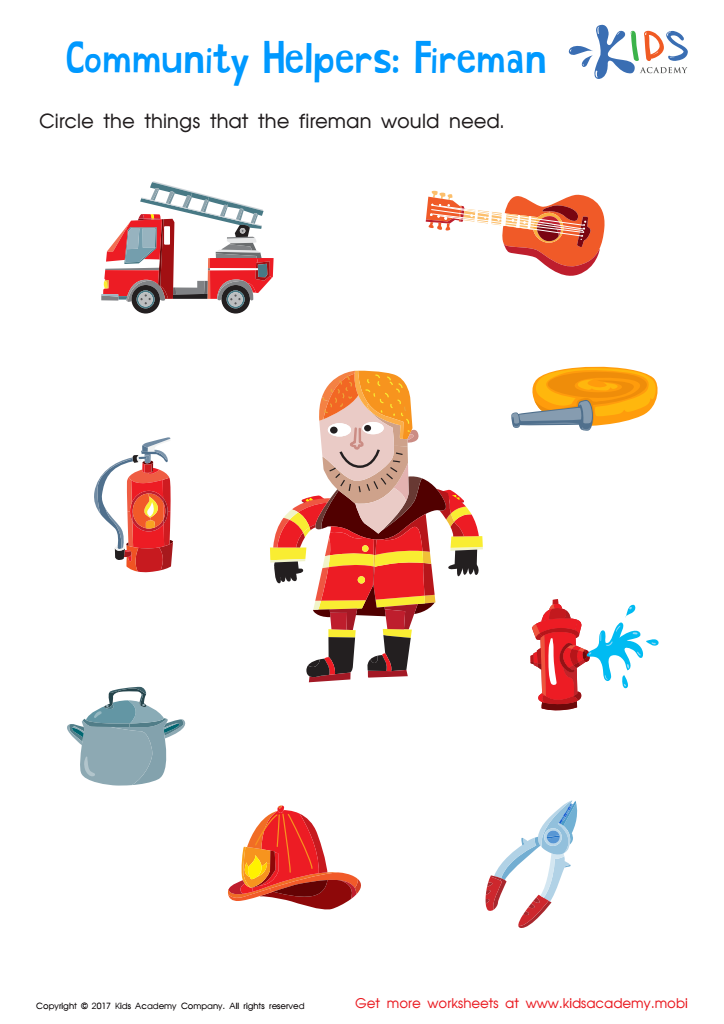
Fireman Worksheet
 Assign to My Students
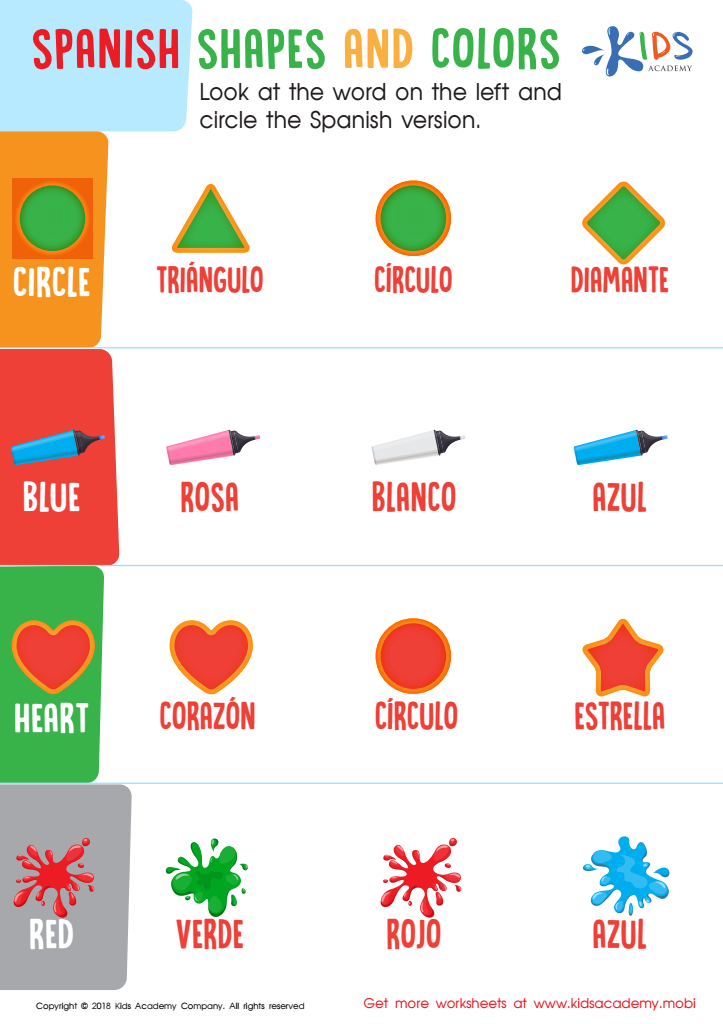
Spanish Shapes and Colors Worksheet
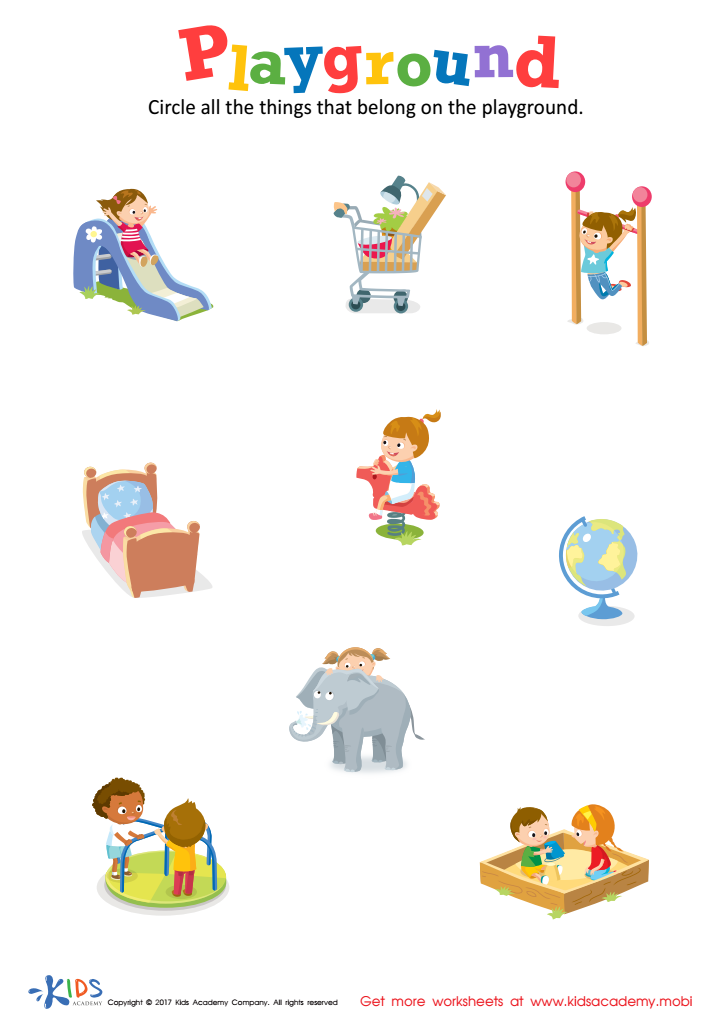
Playground Worksheet







Parents and teachers should care about color identification for children aged 5-9 because it plays a crucial role in cognitive and language development. At this age, children are like sponges; they absorb information rapidly, and understanding colors is a foundational skill that enhances their ability to categorize and process information. Identifying colors is not just a fun activity; it supports early literacy by enriching vocabulary and comprehension skills as children learn to associate words with visual stimuli.
Moreover, color recognition fosters creativity and self-expression. When children can identify and name colors, they gain confidence in using them in art and daily life, encouraging imaginative play and problem-solving skills. It also aids in socialization, as children can engage in discussions about their world and surroundings, enriching peer relationships.
In a normal community setting, promoting color identification activities can be a part of a collaborative approach among educators and parents. Engaging in fun, interactive color-related activities can strengthen parental involvement in education while enhancing social bonds. Ultimately, prioritizing color identification supports whole-child development, preparing children not only for academic learning but also for richer social interactions and expressions throughout their lives.