Normal Governance and Civics Worksheets for Ages 5-9 - Page 2
41 filtered results
-
From - To
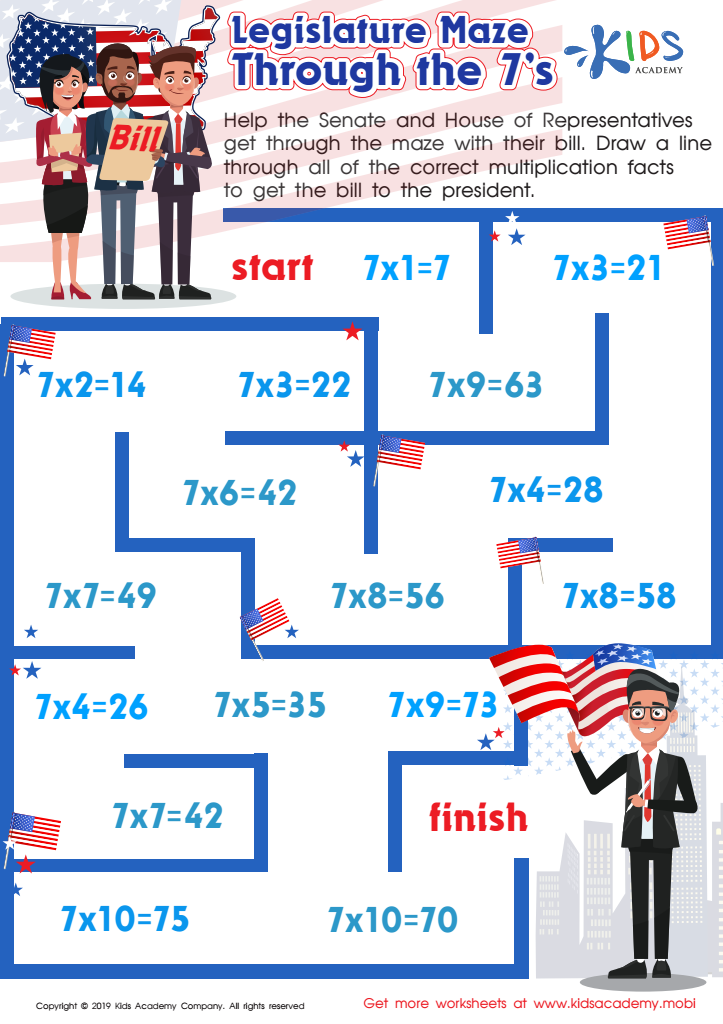
Legislature Maze Through the 7’s Worksheet
 Assign to My Students
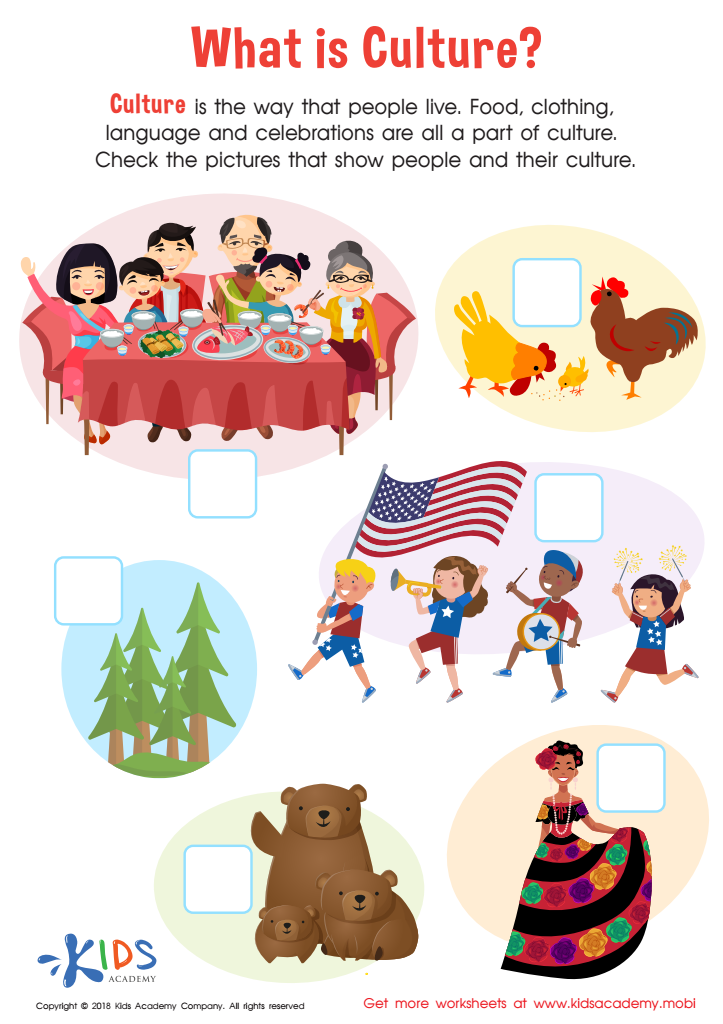
What Is Culture? Worksheet
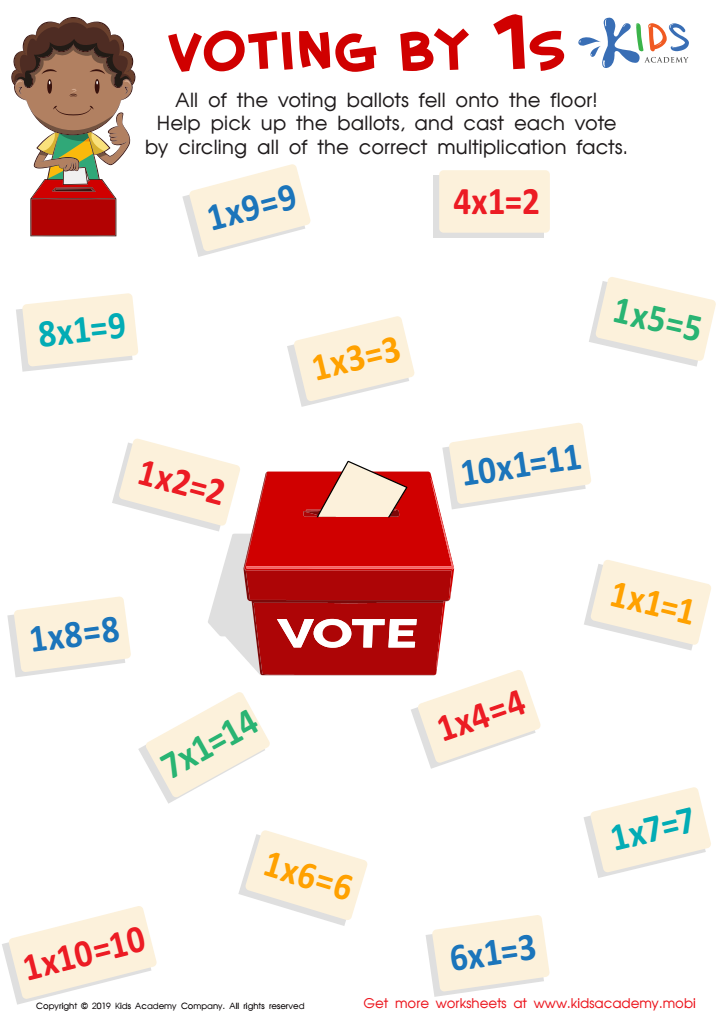
Voting by 1s Worksheet
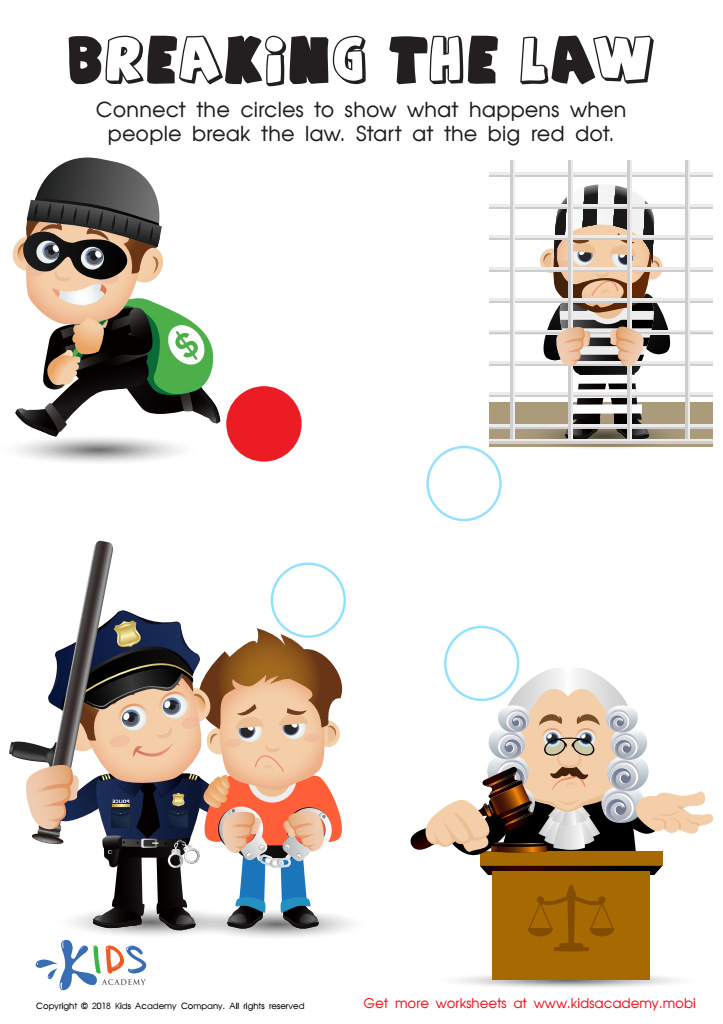
Breaking the Law Worksheet
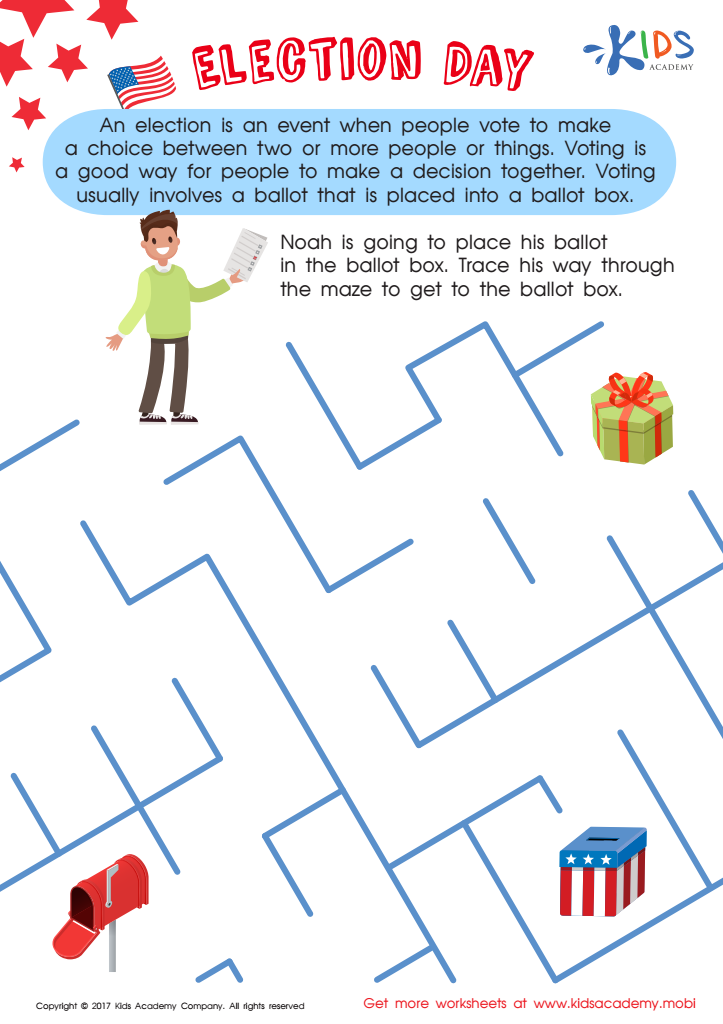
Election Day Worksheet
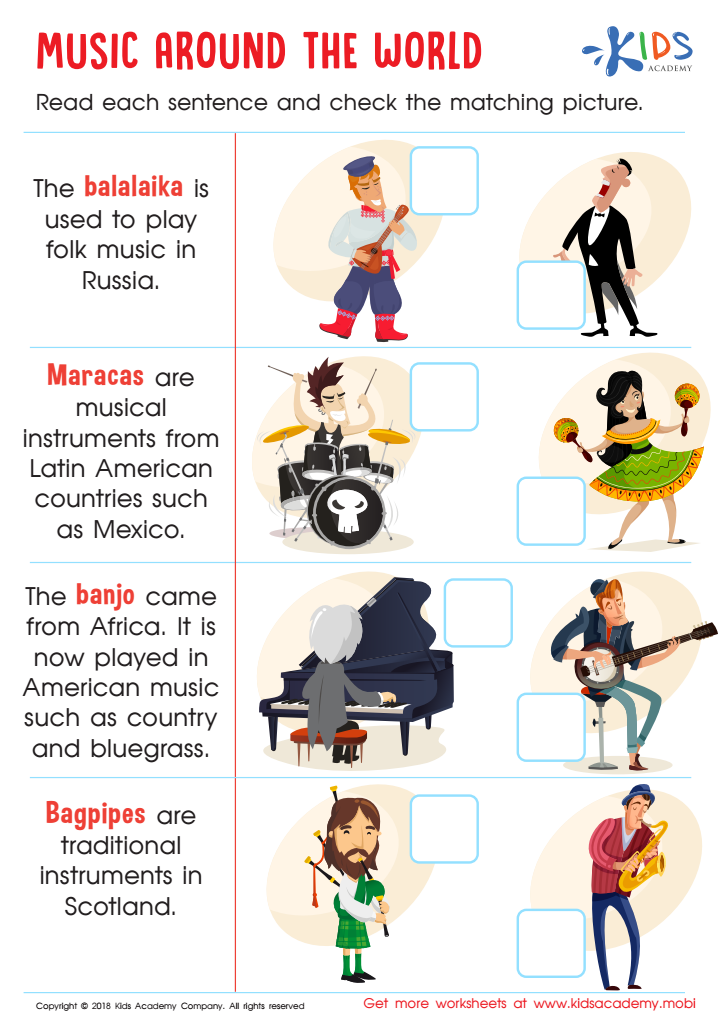
Music Around the World Worksheet
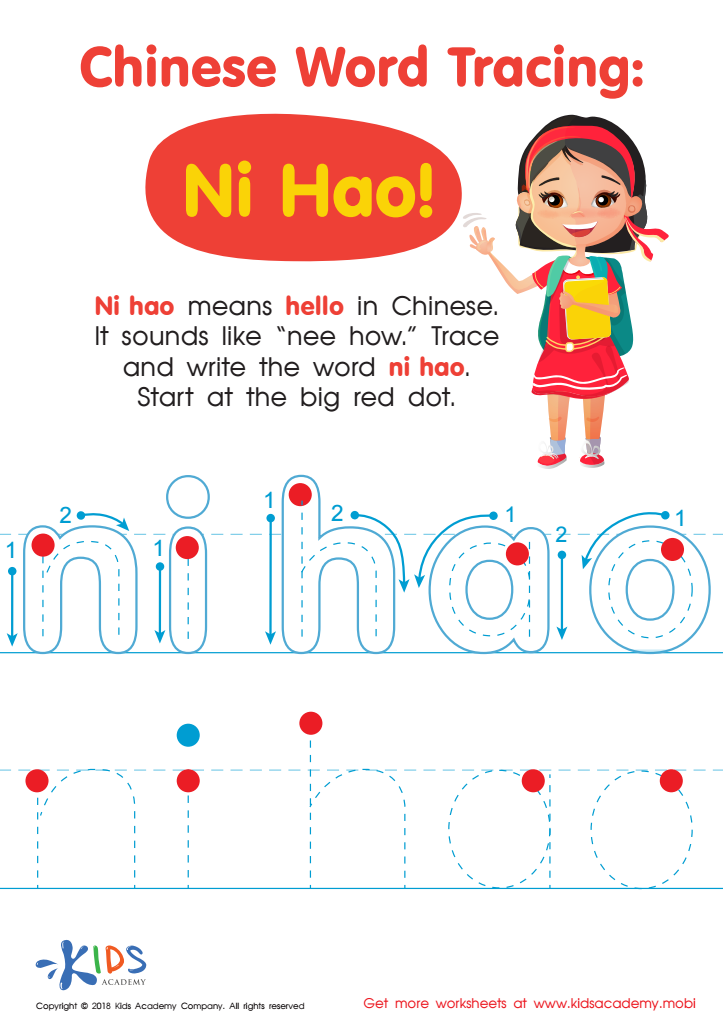
Chinese Word Tracing: Ni Hao Worksheet
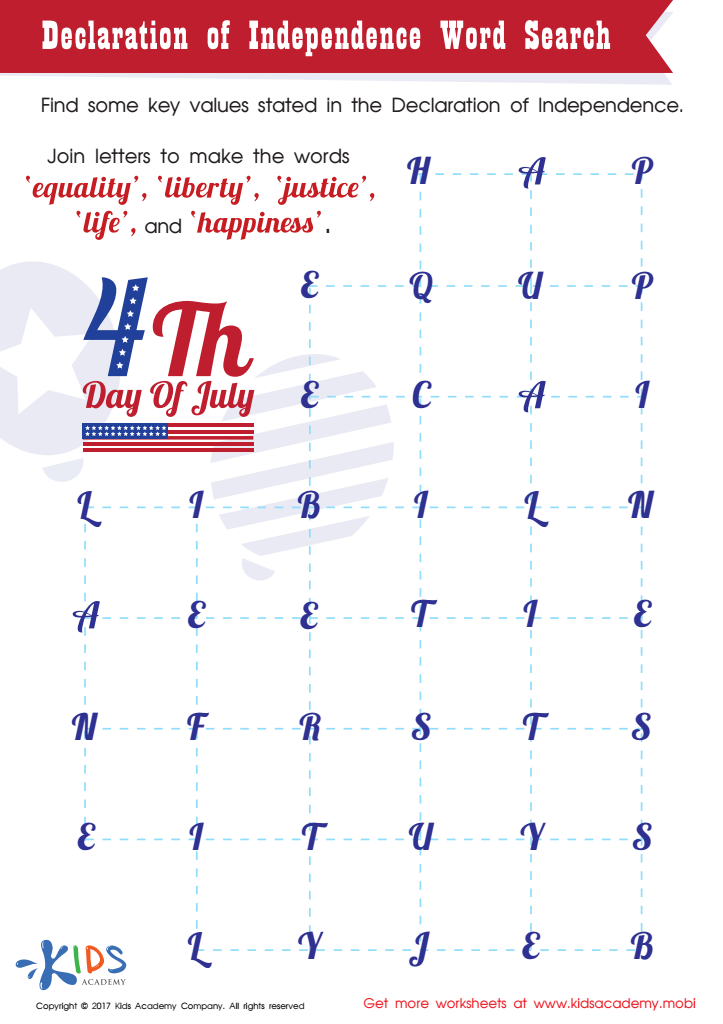
Declaration of Independence Word Search Printable
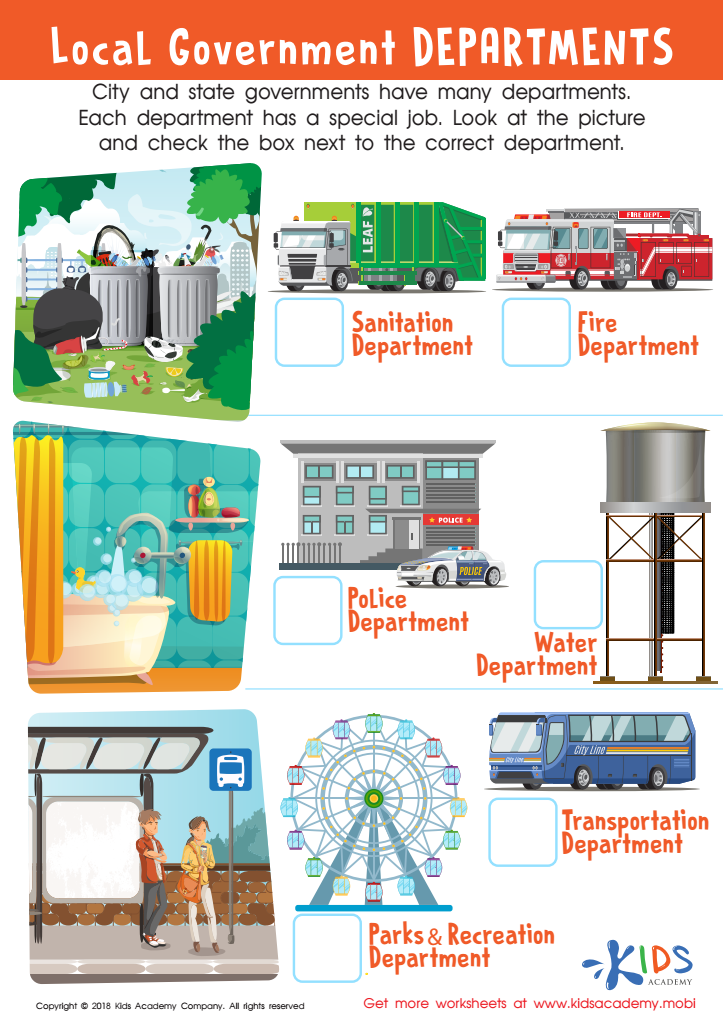
Local Government Departments Worksheet
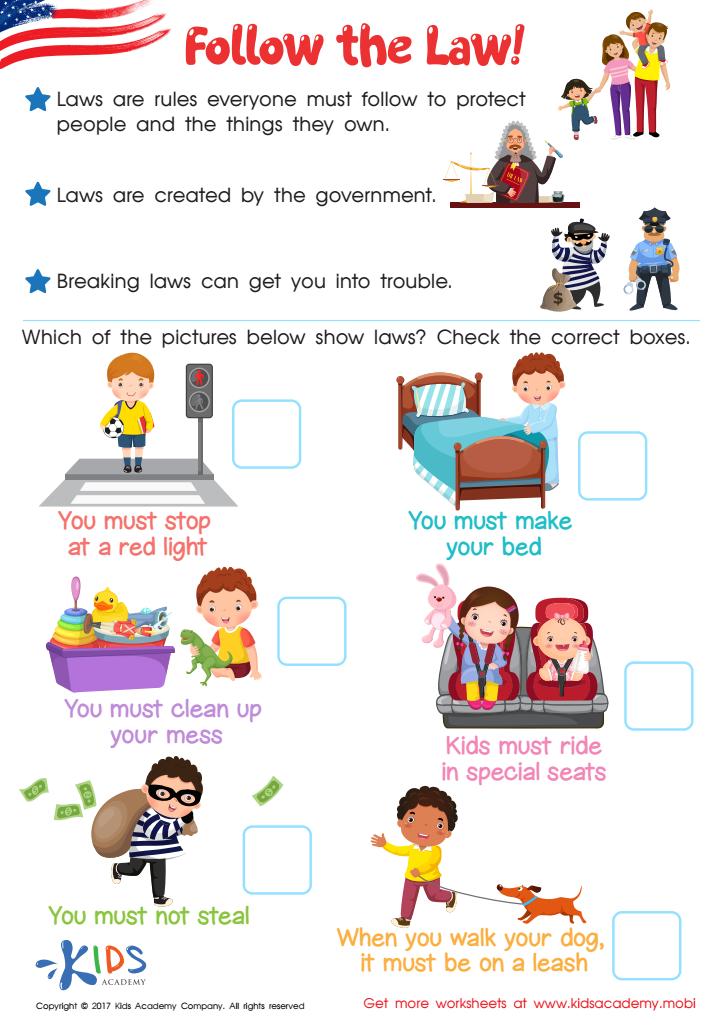
Follow the Law Worksheet
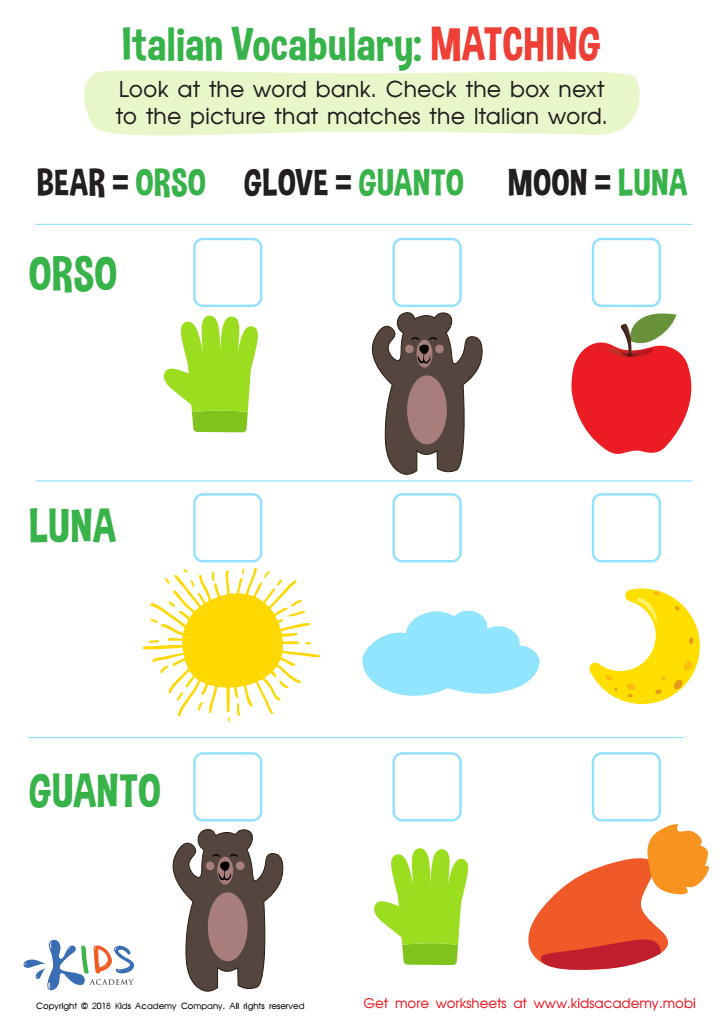
Italian Vocabulary Matching Worksheet
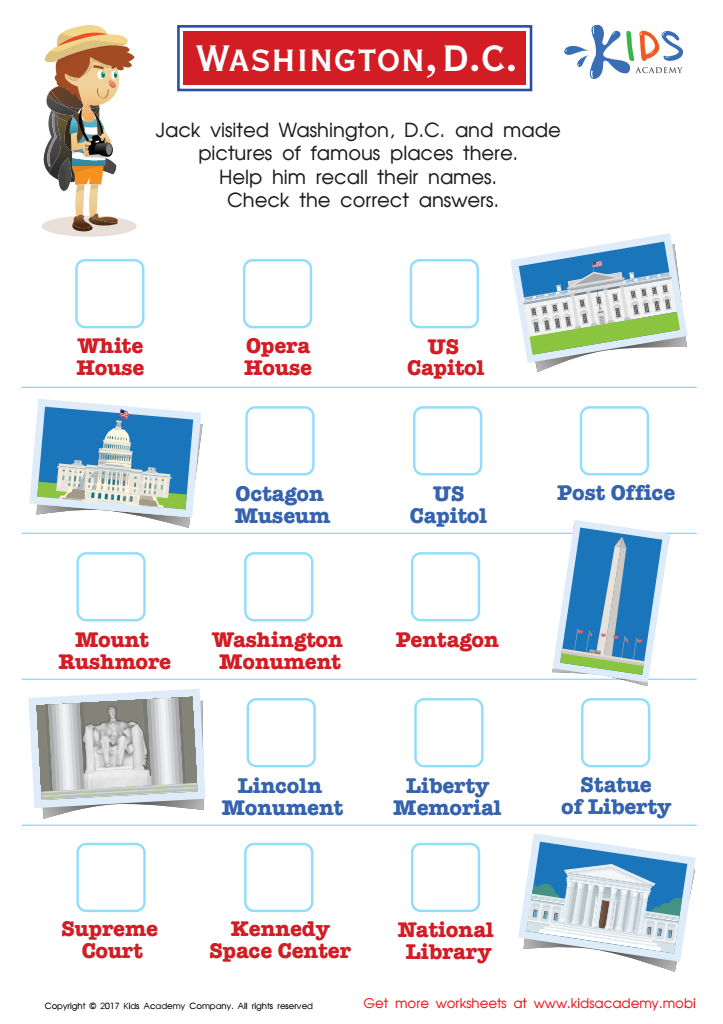
Washington D.C. Printable Worksheet
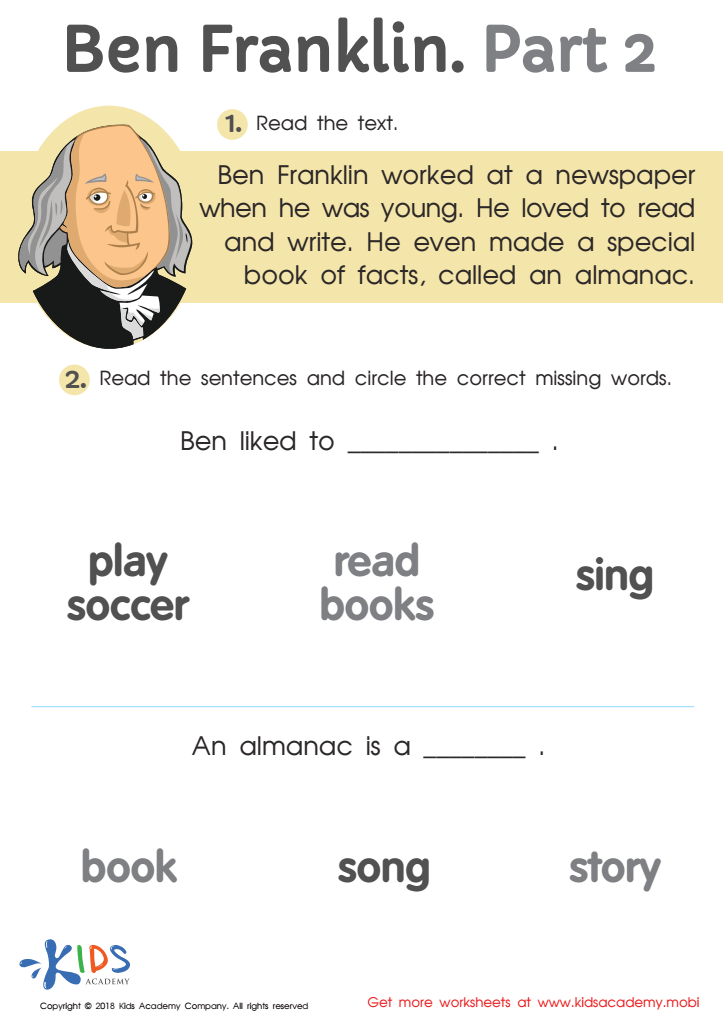
Ben Franklin Part 2 Worksheet
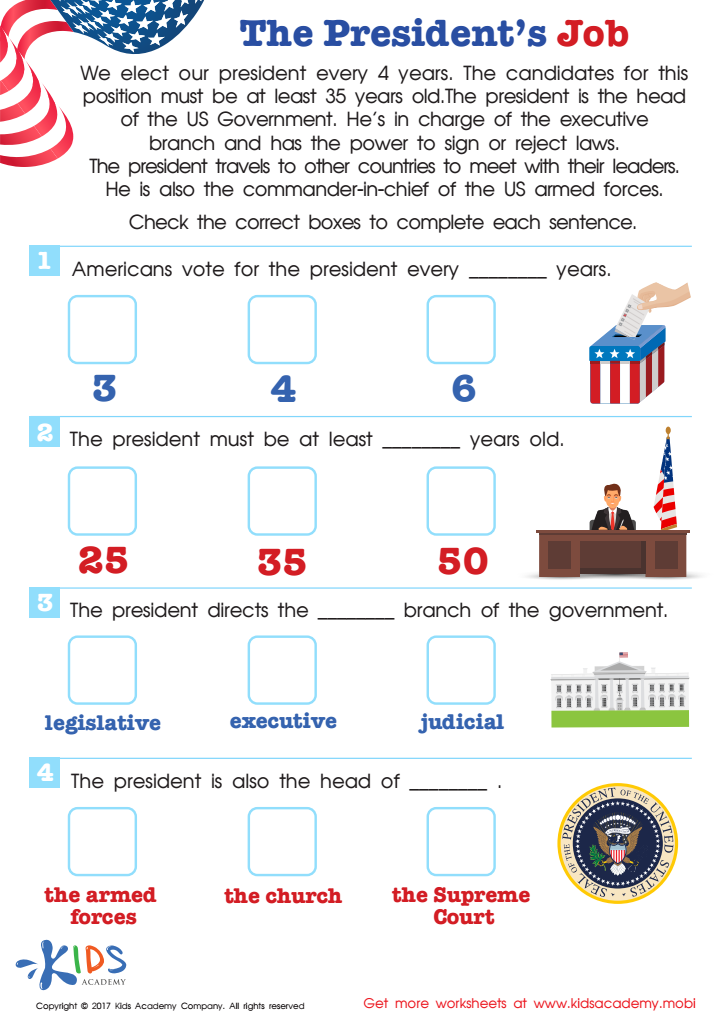
President of the USA Job Description Worksheet
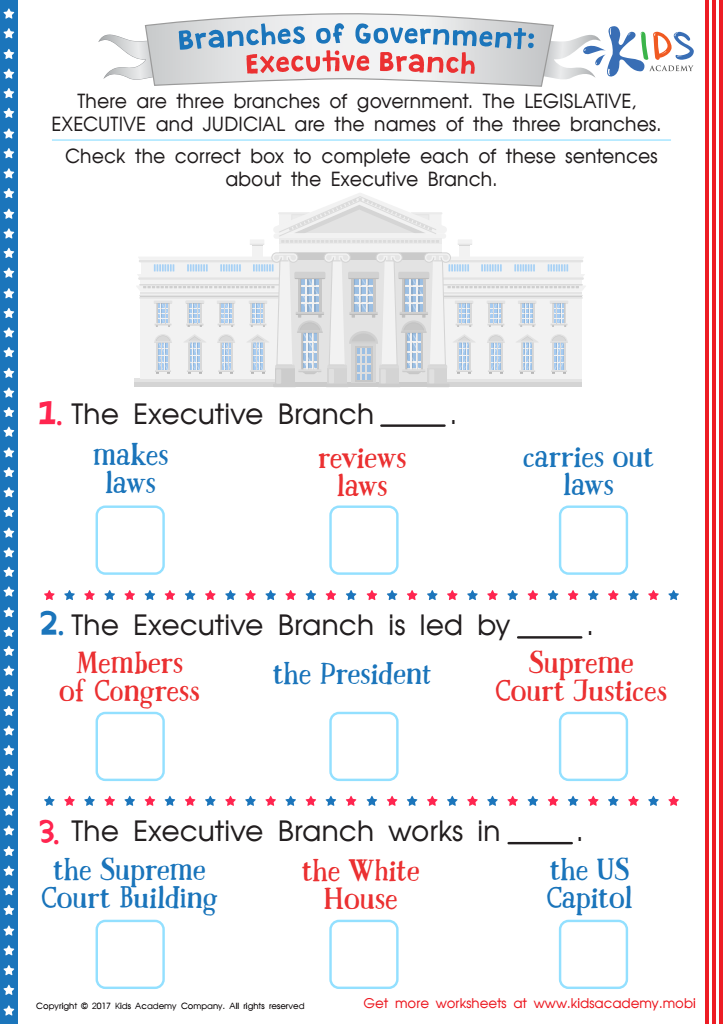
Branches of the Government: Executive Branch Printable
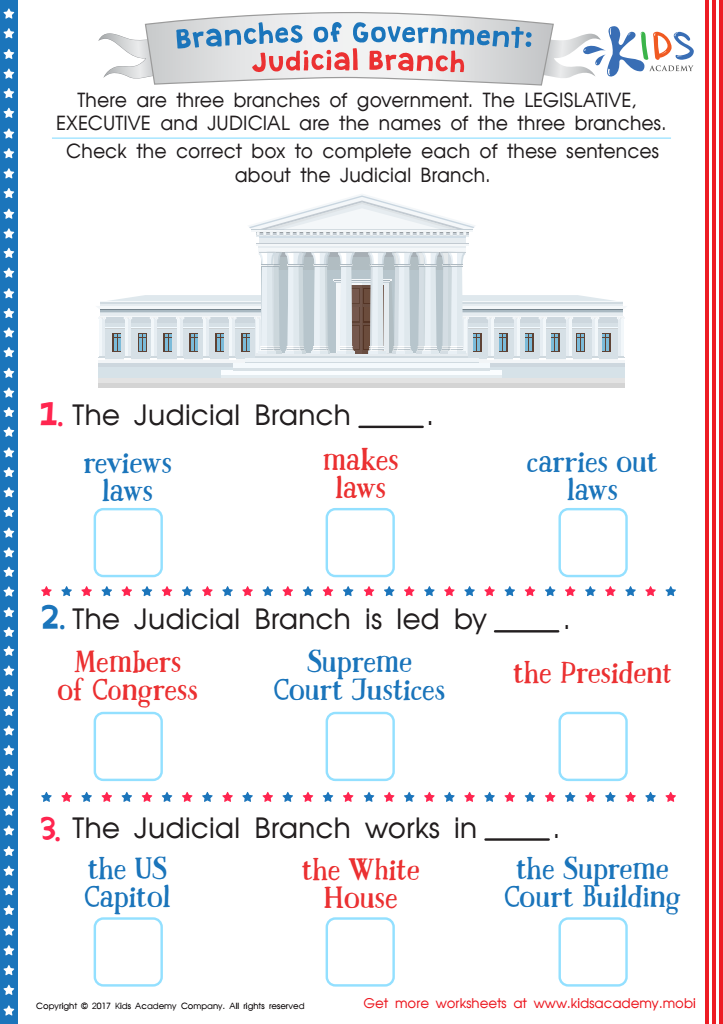
Braches of the Government: Judicial Branch Worksheet
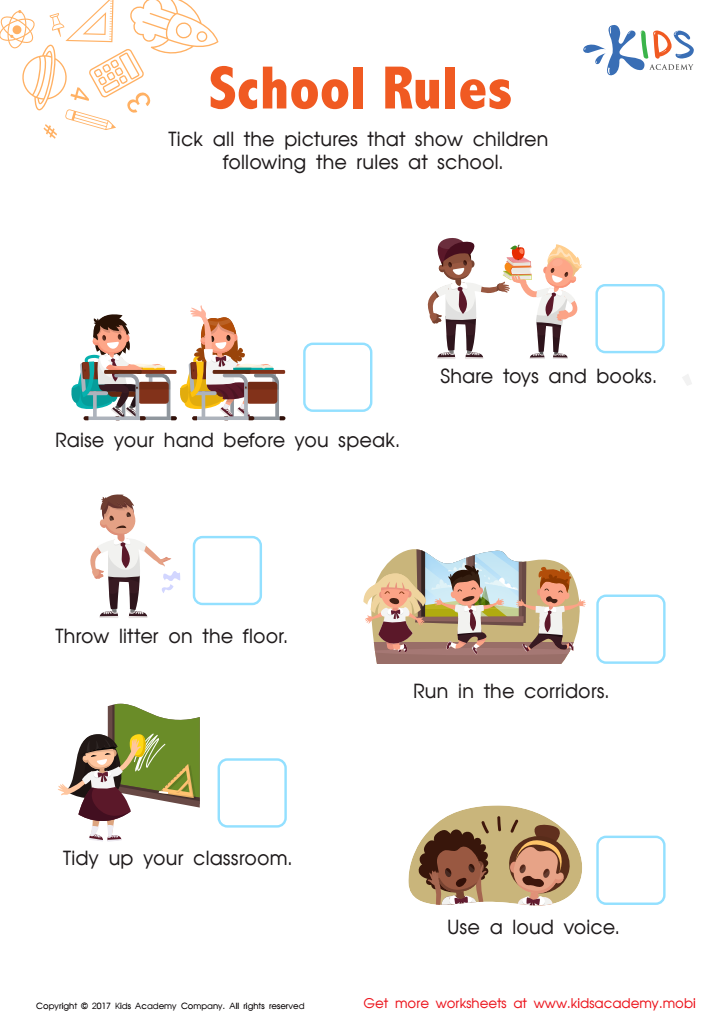
School Rules Worksheet


Understanding Normal Governance and Civics is essential for children aged 5-9 as it lays the foundation for their future participation in society. This early exposure fosters critical thinking about community, citizenship, and responsibility. By teaching children the basic principles of governance, such as fairness, justice, and the importance of rules, parents and teachers help them comprehend how these concepts apply in their daily lives, from interacting with peers to understanding authority.
Incorporating civics education at a young age encourages curiosity and a sense of belonging within their communities. Children learn the value of cooperation, respect for others' viewpoints, and the importance of civic engagement. This foundational knowledge also cultivates empathy as they begin to understand a diversity of perspectives and learn the significance of community service.
Moreover, setting the stage for civic education promotes well-rounded development—enabling children to become informed and responsible citizens who are more likely to engage positively in their societies in the future. Ultimately, prioritizing Normal Governance and Civics for young learners ensures that they grow into active, knowledgeable participants who appreciate the nuances of their environment, which can lead to a more engaged, thriving community.








