Matching skills Normal Social Studies Worksheets for Ages 5-9
3 filtered results
-
From - To
Discover a variety of engaging and educational Matching Skills Normal Social Studies Worksheets designed for children ages 5-9. Our printable worksheets help young learners enhance their matching abilities while exploring key social studies concepts. Kids will enjoy connecting pictures to their corresponding descriptions, reinforcing their understanding of community, geography, history, and more. Each activity is crafted to promote critical thinking and support cognitive development. With colorful designs and age-appropriate topics, our worksheets make learning fun and interactive. Perfect for homeschool or classroom settings, empower your child’s academic journey with our comprehensive learning resources.
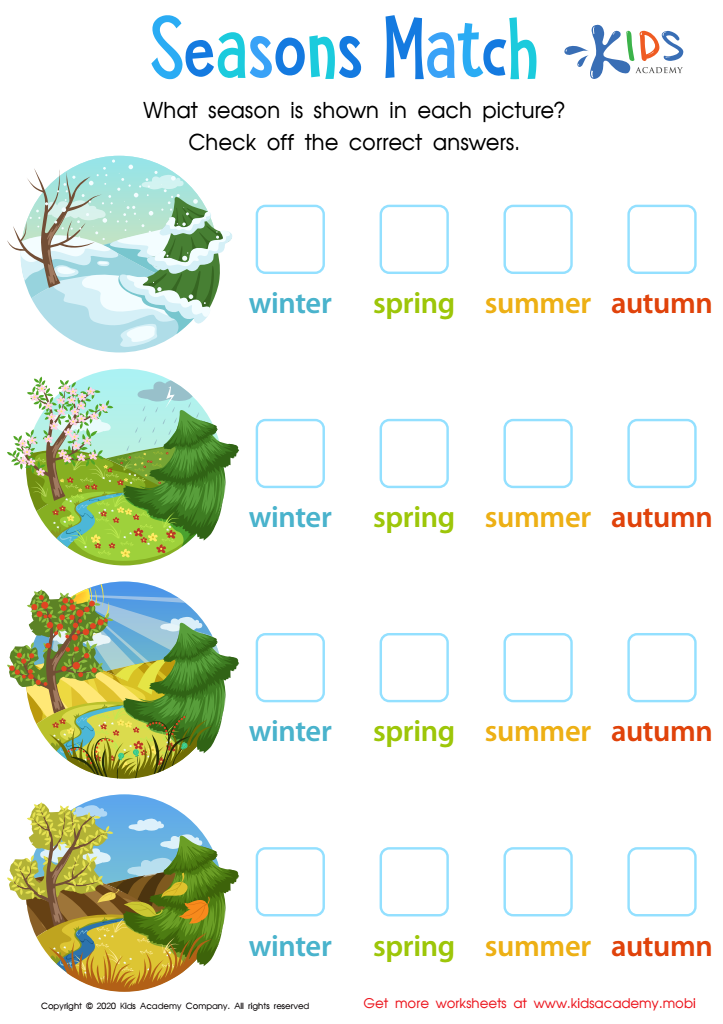
Seasons Match Worksheet
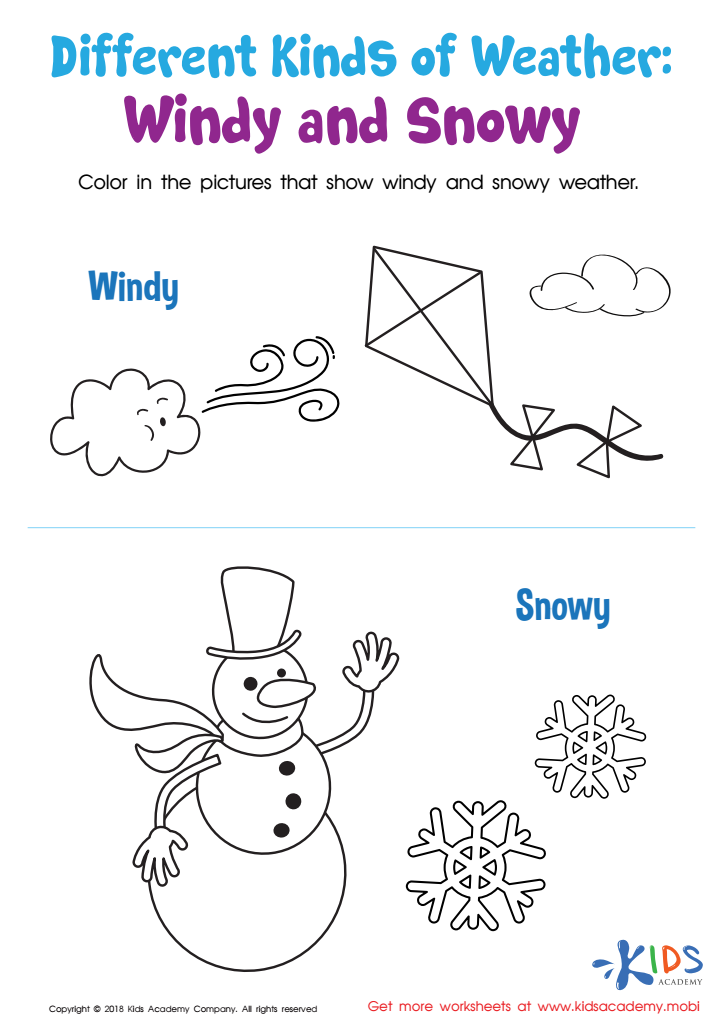
Different Kinds of Weather: Windy and Snowy Worksheet
 Assign to My Students
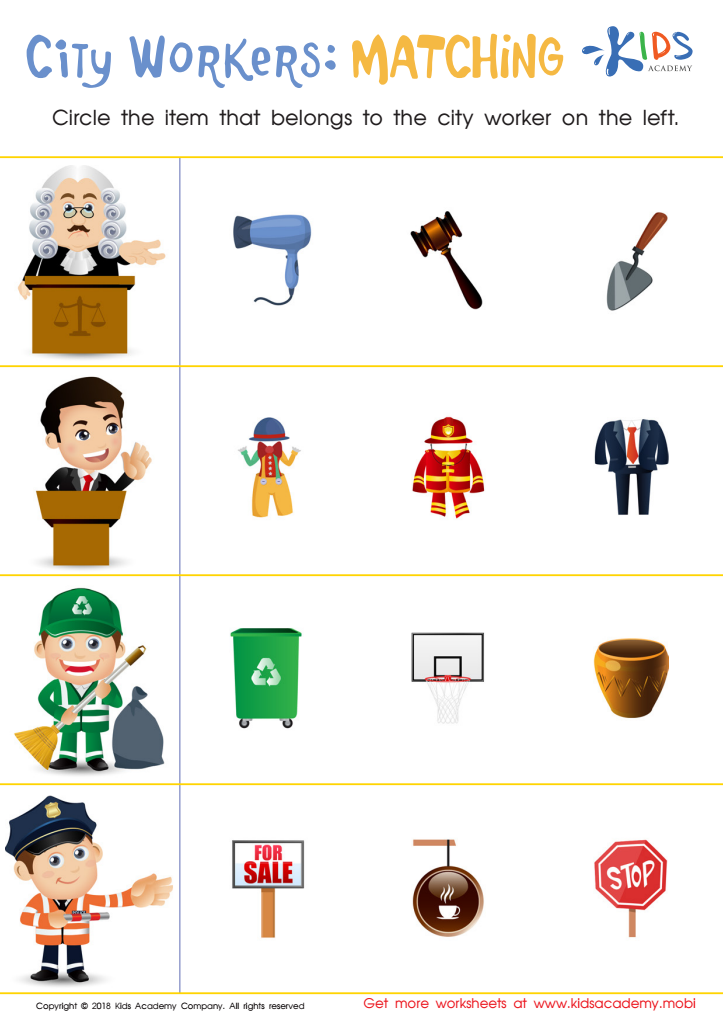
City Workers: Matching Worksheet








Parents and teachers should prioritize integrating matching skills into normal social studies for children ages 5-9 because these foundational cognitive skills are crucial for academic and social development. Matching activities improve memory, attention to detail, and cognitive associations, all necessities in young learners’ educational journeys.
First, matching skills help children make sense of relationships and connections within content. For example, matching countries with their flags or cultural artifacts assists in concrete understanding of abstract concepts, enhancing geography and cultural literacy. This strengthens their ability to process and retain information, leading to better comprehension in social studies.
Second, these activities support language development by expanding vocabulary and comprehension through context and association. Discussing matching pairs allows children to articulate their reasoning, promoting verbal skills and confidence.
Third, matching exercises can introduce historical timelines and cause-effect relationships, essential in understanding social changes over time.
Finally, these skills foster critical thinking by encouraging children to look for patterns and make predictions. As kids master these basics, they become more adept at tackling complex subjects later on.
Incorporating matching activities in social studies cultivates learners who are not only knowledgeable but also capable of critical analysis and effective communication, set for long-term academic success and meaningful social interactions.








