Sentence construction Normal Grammar Worksheets for Ages 5-9
13 filtered results
-
From - To
Welcome to our Sentence Construction Normal Grammar Worksheets for Ages 5-9! Designed to nurture young learners’ writing skills, these engaging worksheets help children grasp the fundamentals of sentence structure. Through fun activities and colorful illustrations, students will practice forming complete sentences, using punctuation correctly, and enhancing their vocabulary. Ideal for classroom use or at-home learning, our worksheets cater to diverse learning styles, ensuring that every child can thrive. Boost your child’s confidence in writing and set them on a path to becoming proficient communicators. Explore our collection today and watch your child's creativity blossom through the art of sentence construction!
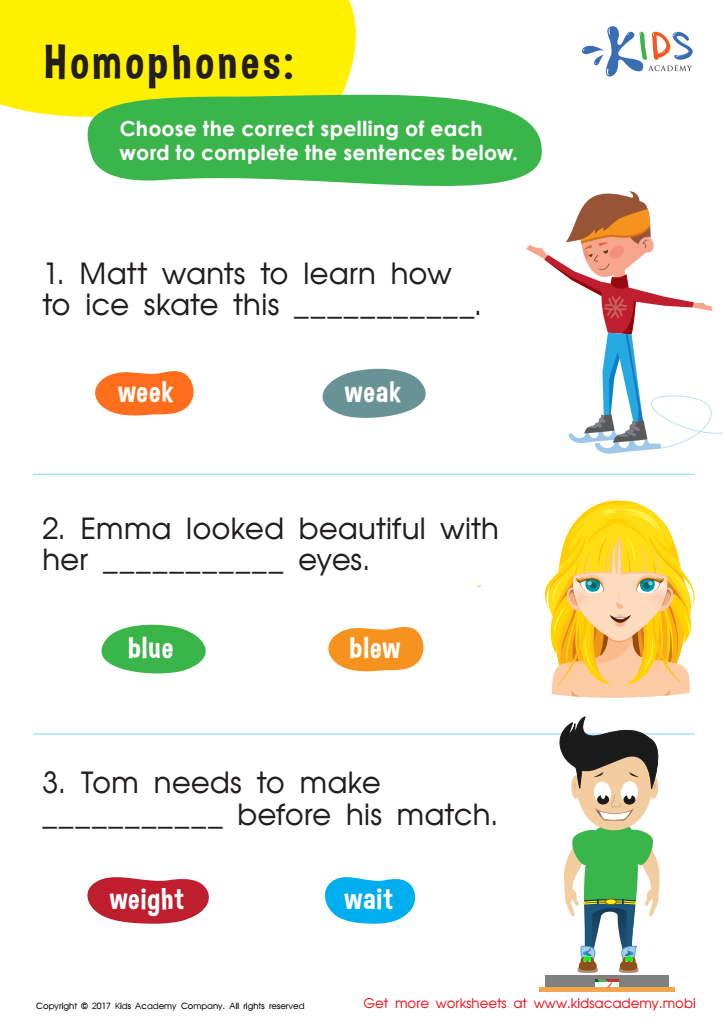
Homophones Ate/Eight Spelling Worksheet
 Assign to My Students
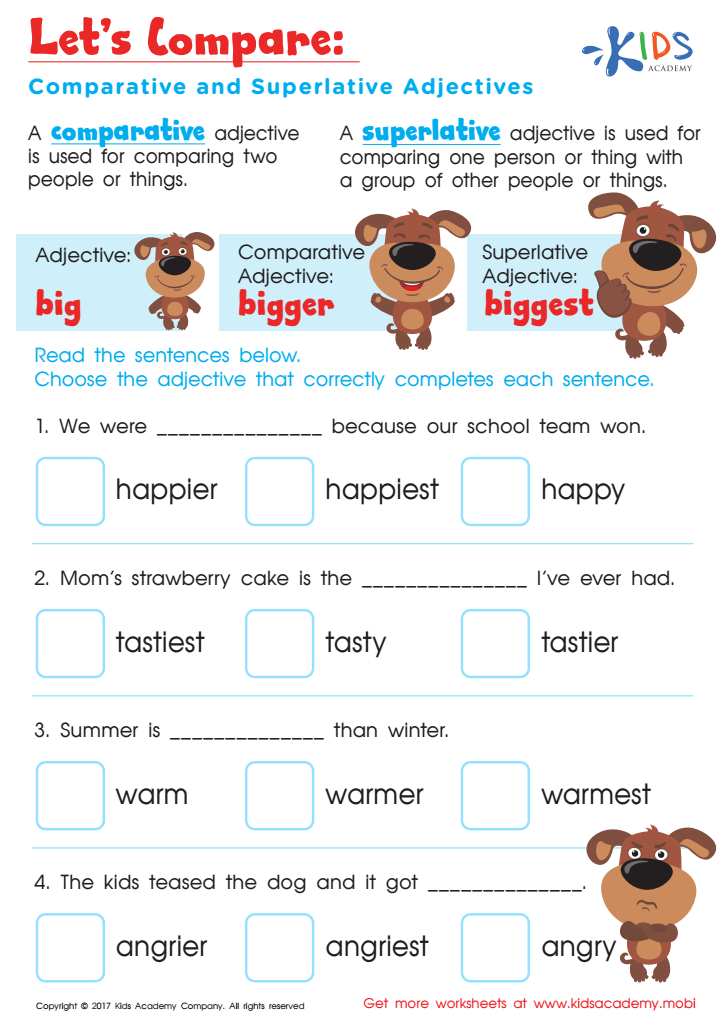
Comparative and Superlative Worksheet
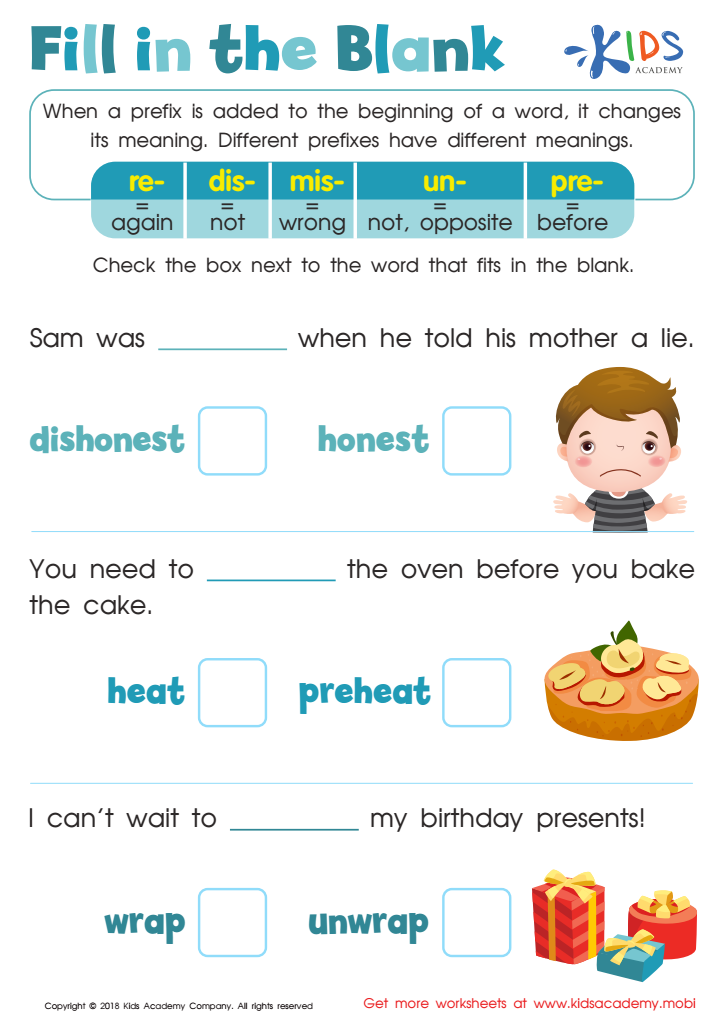
Reading: Fill in the Blank Worksheet
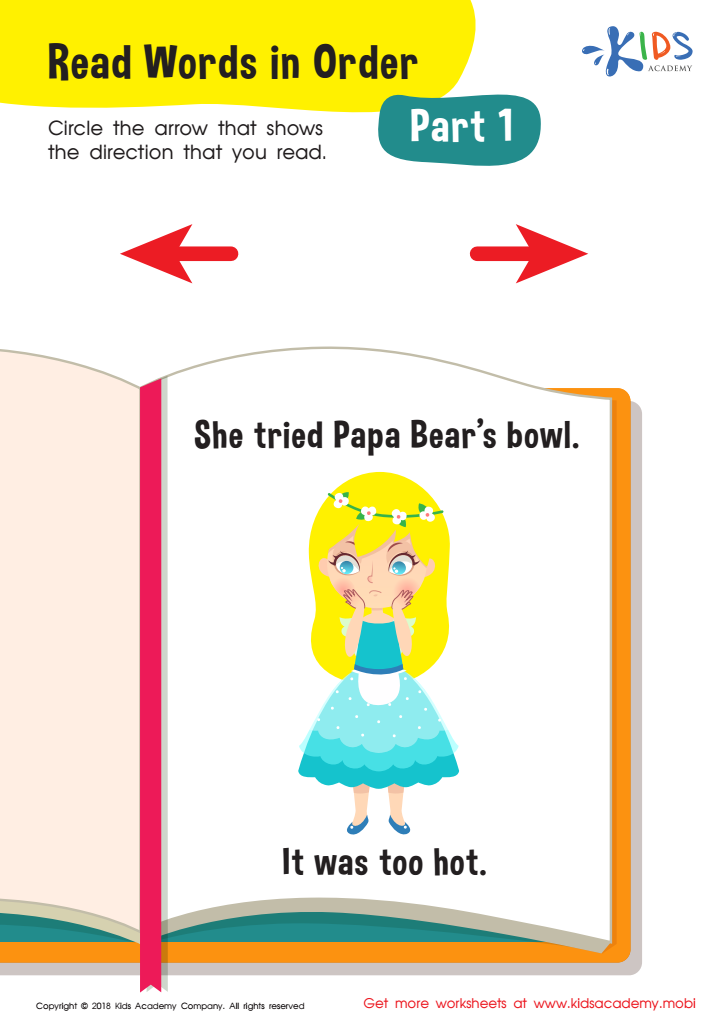
Read Words Order Part 1 Worksheet
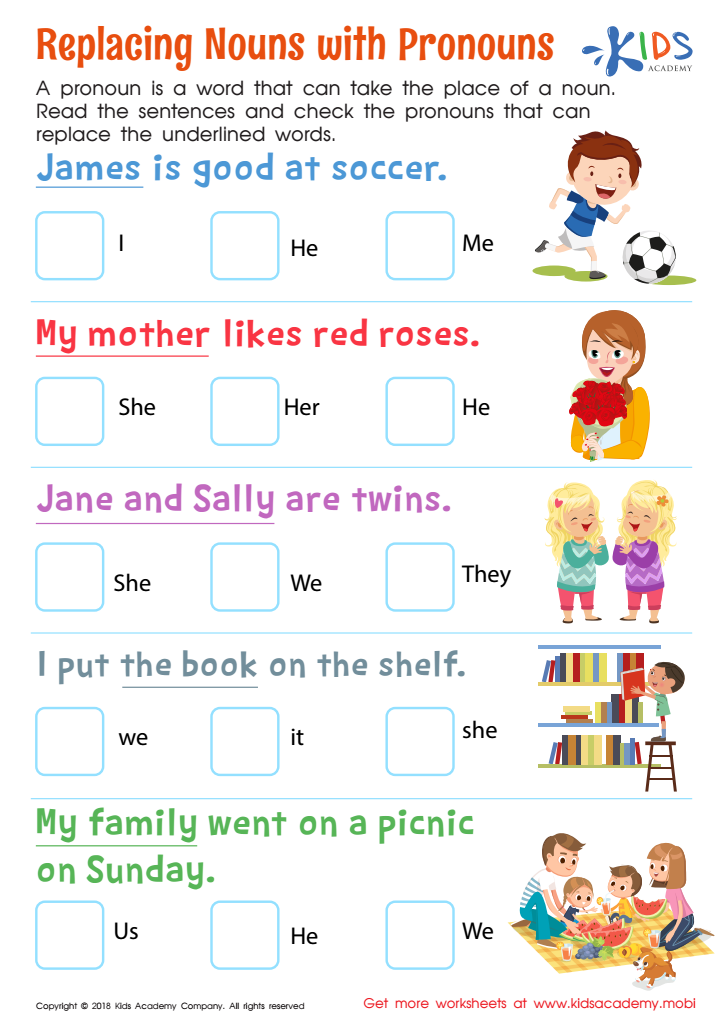
Replacing Nouns with Pronouns Worksheet
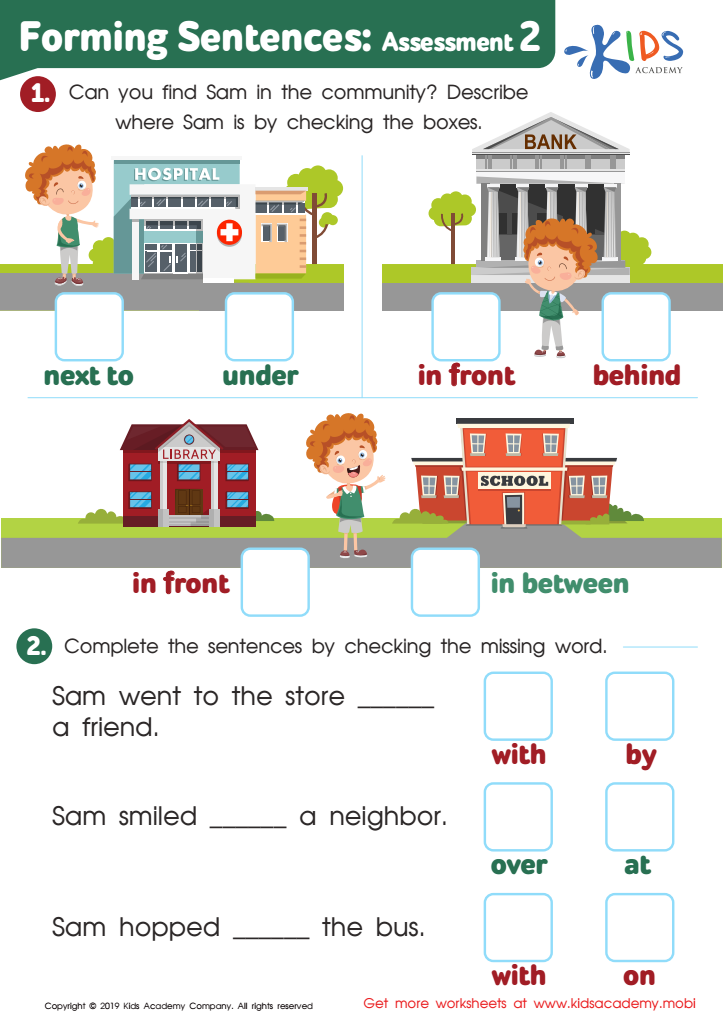
Forming Sentences: Assessment 2 Worksheet
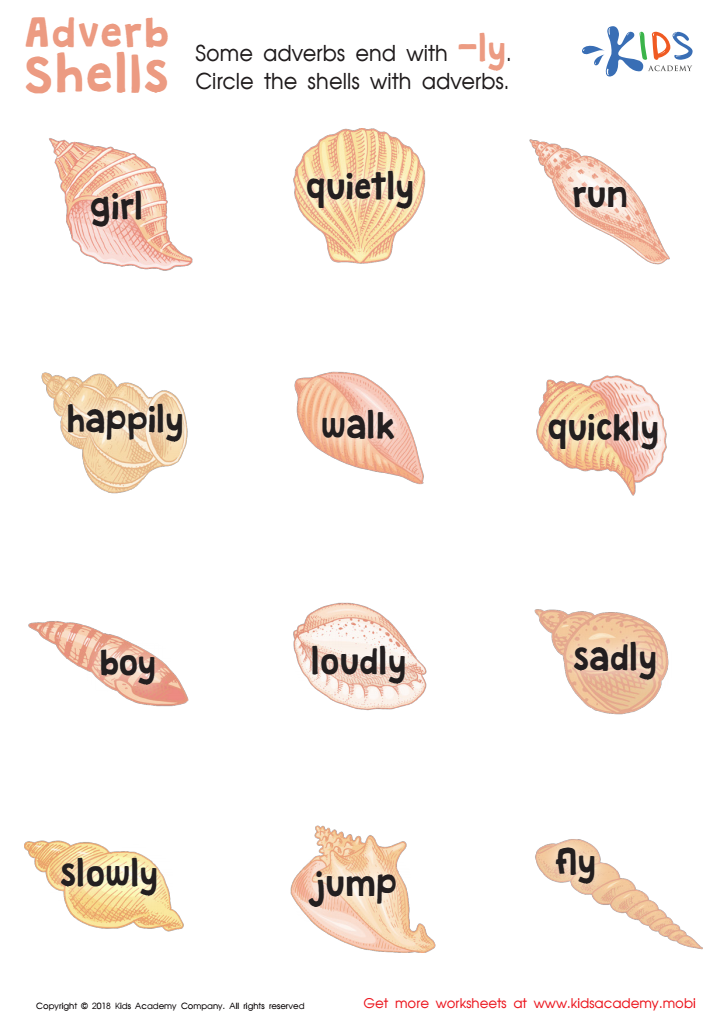
Adverb Shells Worksheet
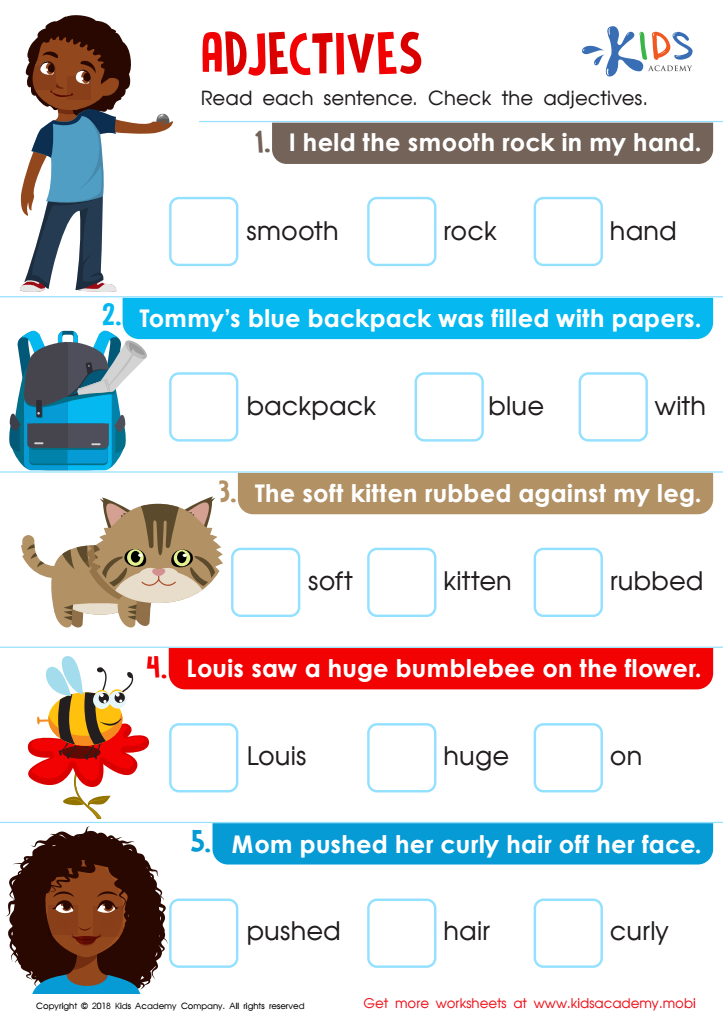
Adjectives Worksheet
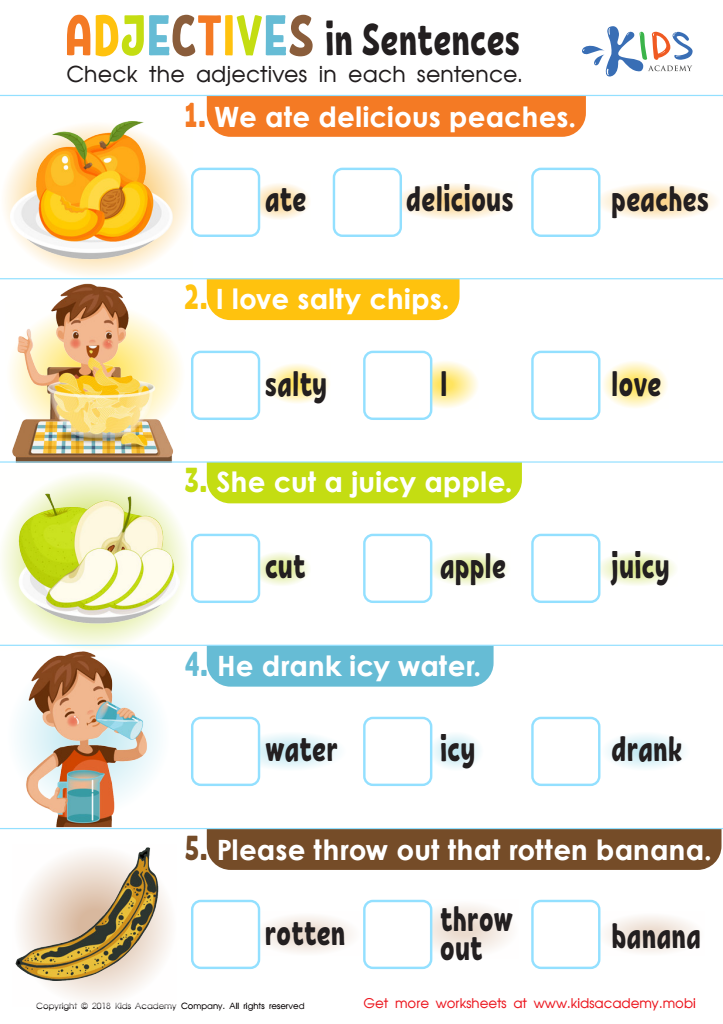
Adjectives in Sentences Worksheet
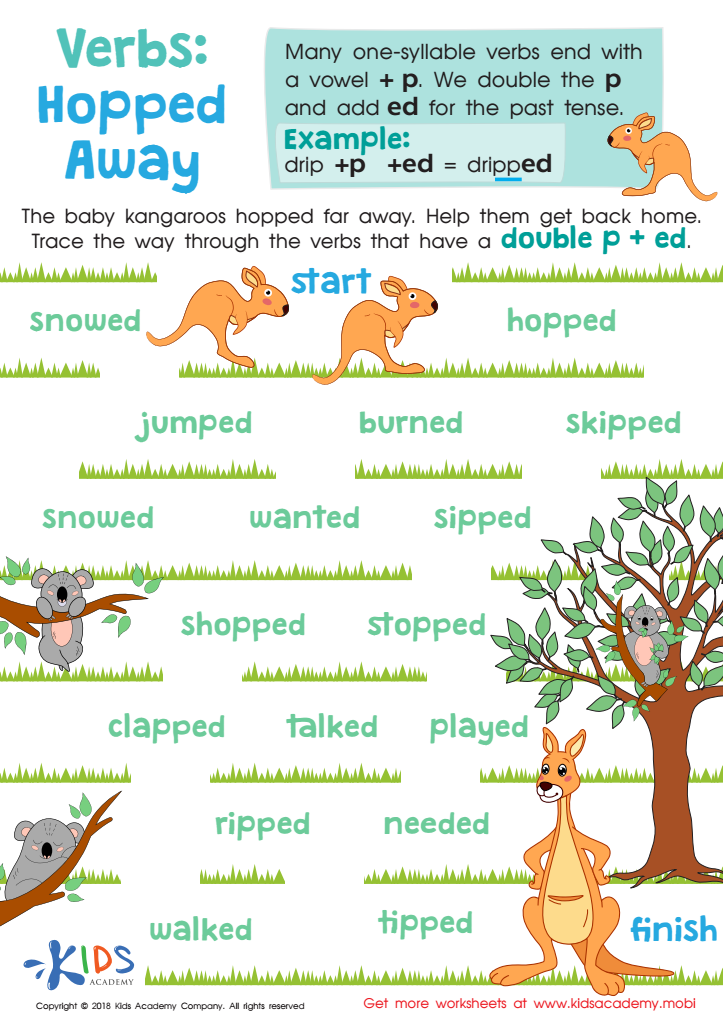
Verbs: Hopped Away Worksheet
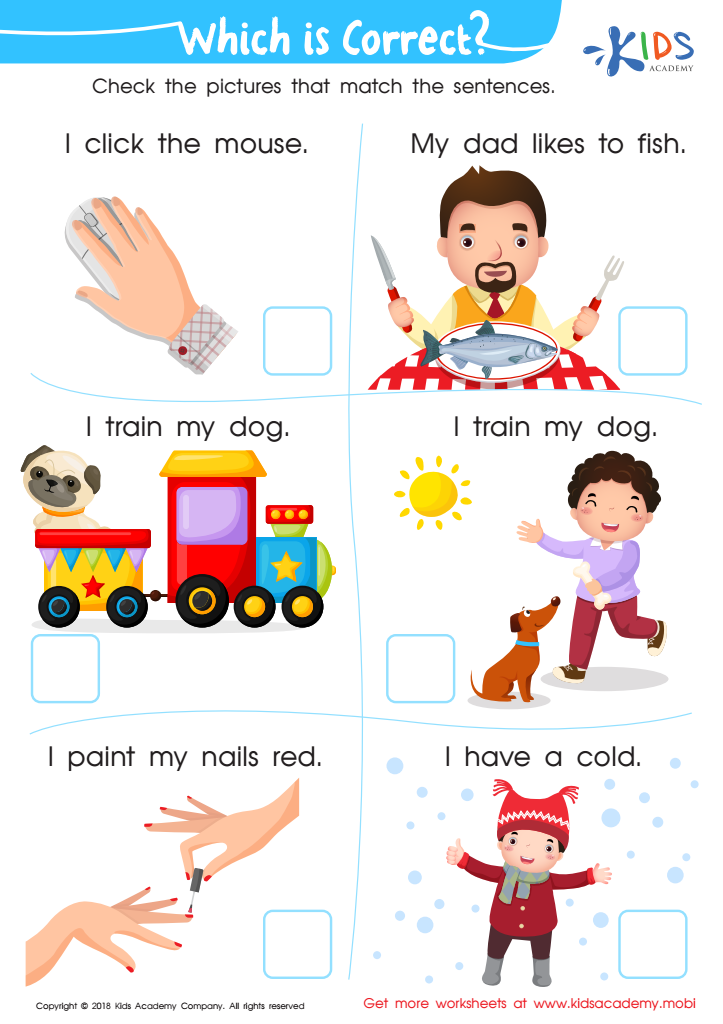
Which Is Correct? Worksheet
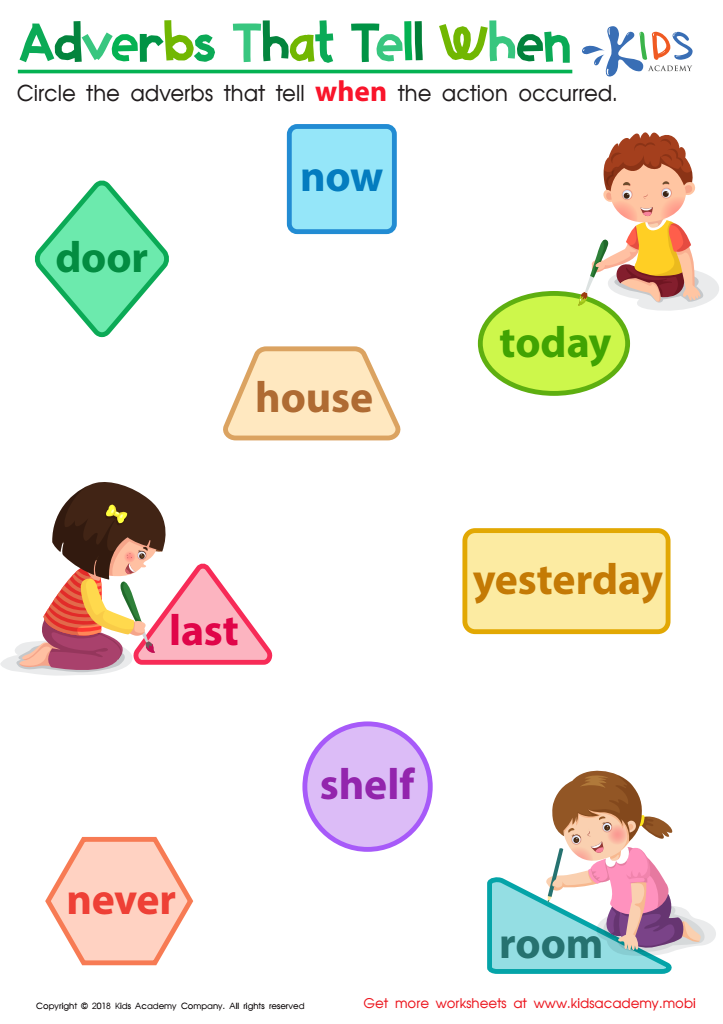
Adverbs That Tell us When Worksheet
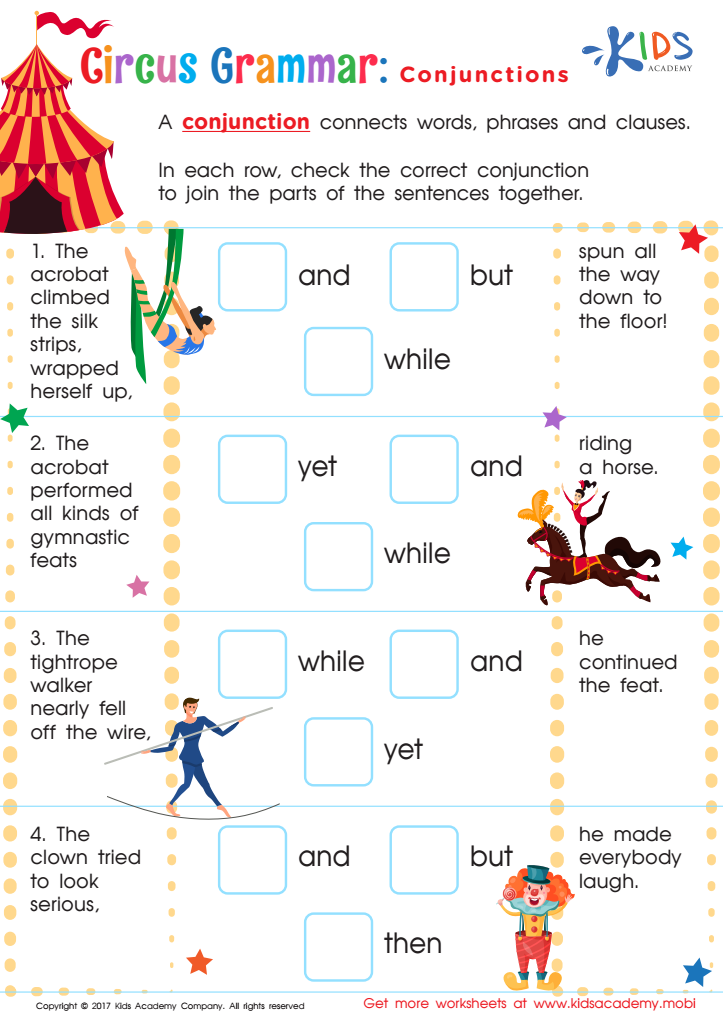
Conjunctions Worksheet








Parents and teachers should care about sentence construction and understanding normal grammar for children ages 5-9 because foundational literacy skills develop during this critical period. Learning to construct sentences correctly fosters effective communication, enabling children to express their thoughts, feelings, and ideas clearly. Mastery of basic grammar rules, such as proper punctuation and sentence structure, allows children to enhance their writing and speaking skills, which are essential for academic success.
Additionally, a solid grasp of grammar contributes to better reading comprehension. As children learn to identify subject-verb agreements and sentence fragments, they can more easily decode and understand texts, laying the groundwork for higher-level literacy skills. Furthermore, well-constructed sentences can significantly boost a child’s confidence in their ability to communicate, making them more willing to participate in discussions and share their viewpoints.
Moreover, understanding correct grammar is crucial in the digital age, where written communication occurs frequently through emails, texts, and social media. Teaching sentence construction helps children develop lifelong skills that are applicable beyond the classroom, preparing them for future academic endeavors and real-life situations. Encouraging clear and articulate expression fosters respectful interactions and can lead to improved social relationships as well.