Motor skills development Normal ABC Letters Worksheets for 5-Year-Olds
3 filtered results
-
From - To
Enhance your child's fine motor skills with our engaging Normal ABC Letters Worksheets designed for 5-year-olds. These worksheets feature interactive exercises that encourage children to practice writing, tracing, and recognizing letters, all while building essential motor control. Each activity is crafted to make learning fun and enjoyable, helping young learners develop confidence in their writing abilities. With colorful illustrations and straightforward instructions, children will be motivated to explore the world of letters. Perfect for both home and classroom use, these worksheets support preschool readiness while fostering a love for learning. Empower your little one’s development today!

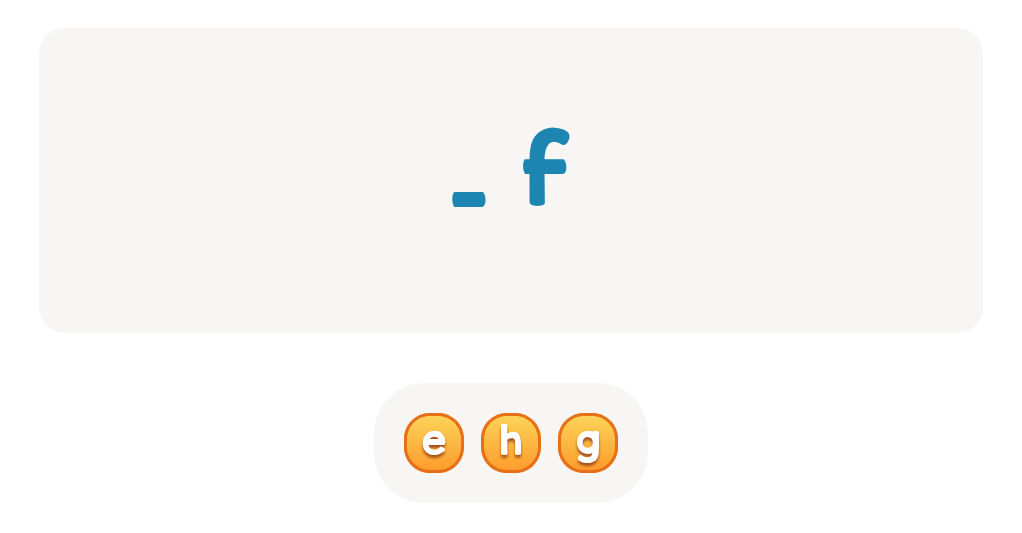
Letter H Tracing Page






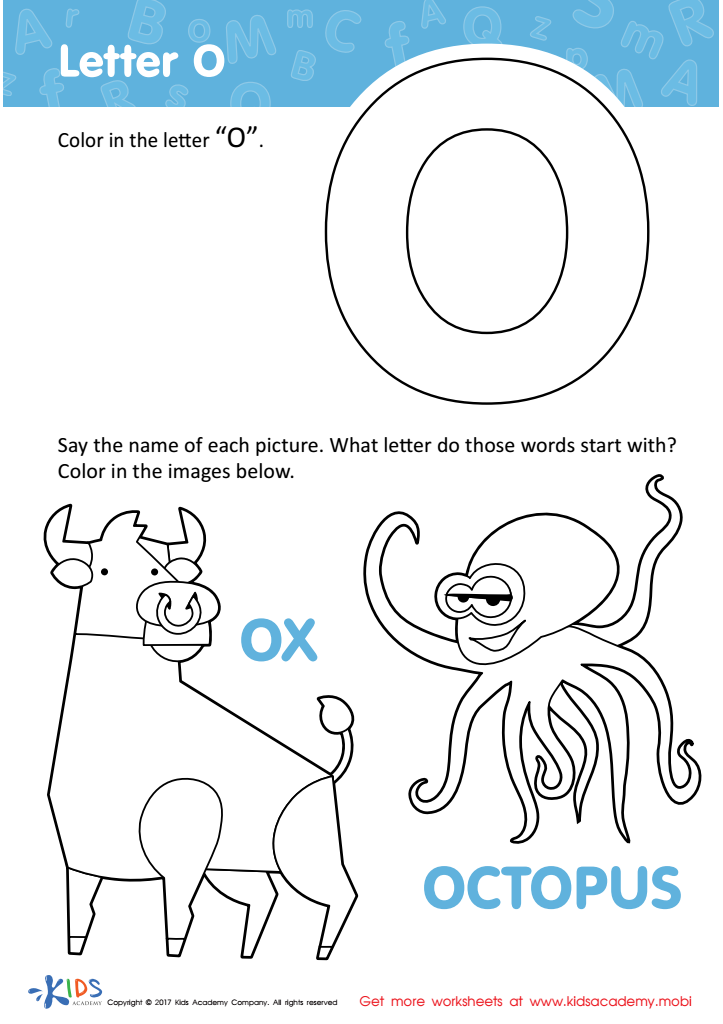
Letter O Coloring Sheet
 Assign to My Students
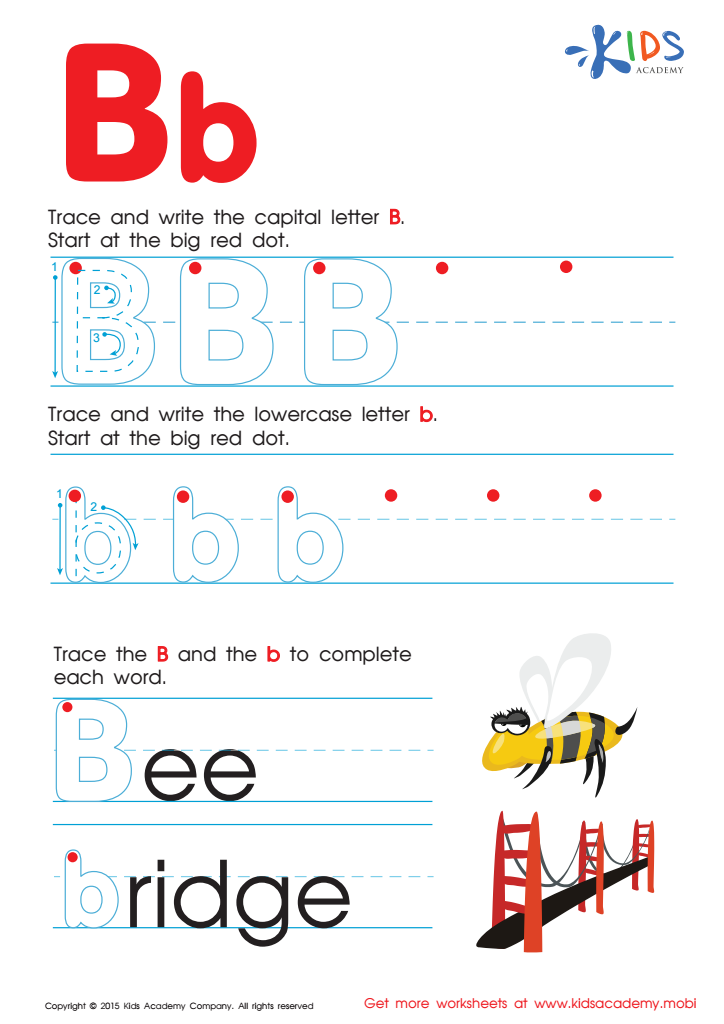
Letter B Tracing Page








Motor skills development, particularly fine motor skills, is crucial for 5-year-olds as it lays the foundation for various important tasks. Mastery of normal ABC letters through activities like writing, tracing, and manipulating objects enhances a child's dexterity and coordination. These skills are not only vital for academic achievement—such as writing and drawing—but also for daily activities like buttoning shirts, using scissors, and tying shoelaces.
Parents and teachers should be invested in motor skills development because it significantly impacts a child's confidence and independence. When children can effectively perform tasks that require fine motor skills, they feel more capable and willing to engage in learning activities. Furthermore, strong motor skills contribute to a child's overall cognitive development, enabling better focus, hand-eye coordination, and spatial awareness.
Engaging in motor activities like coloring, crafts, or playdough not only aids in letter recognition but also promotes concentration and perseverance. By prioritizing motor skills development, caregivers can ensure that children are well-prepared for the challenges of school and life, fostering a more effective learning environment and nurturing well-rounded, competent individuals. Ultimately, supporting motor skills helps pave the way for successful lifelong learning experiences.







