Handwriting practice Normal Alphabet Worksheets for 5-Year-Olds - Page 2
37 filtered results
-
From - To
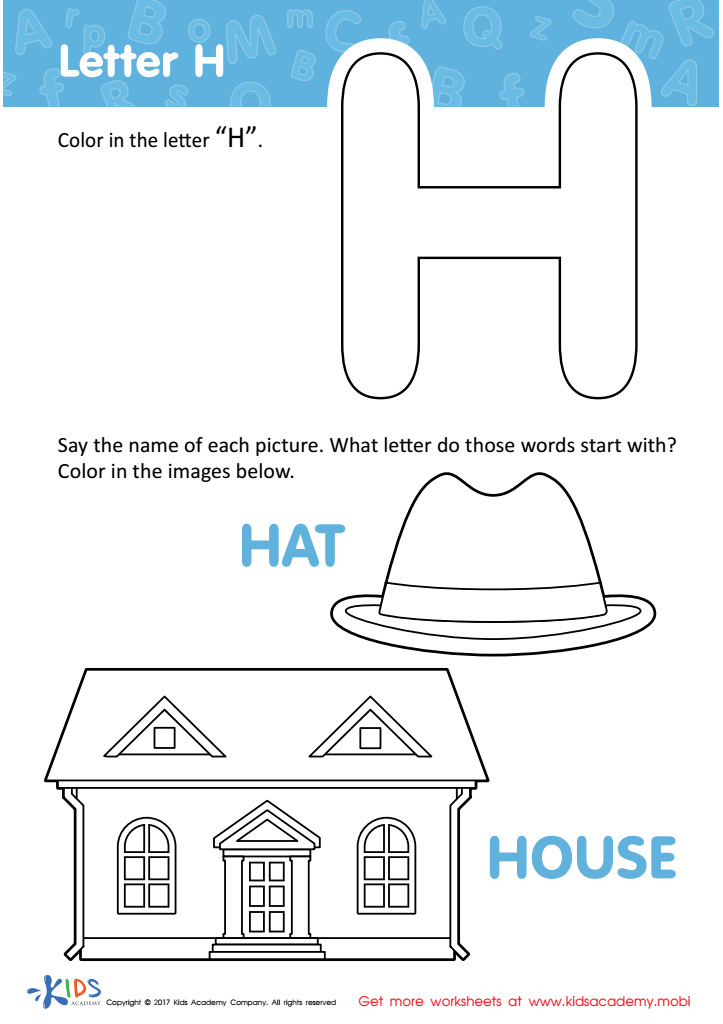
Letter H Coloring Sheet
 Assign to My Students
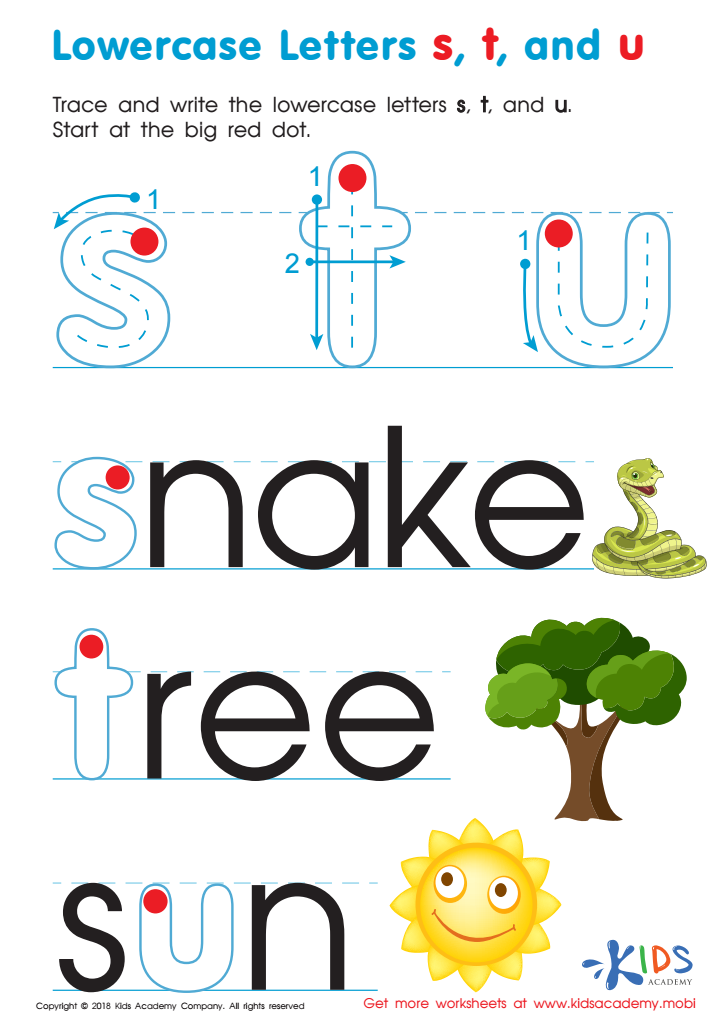
Lowercase Letters s t u Worksheet
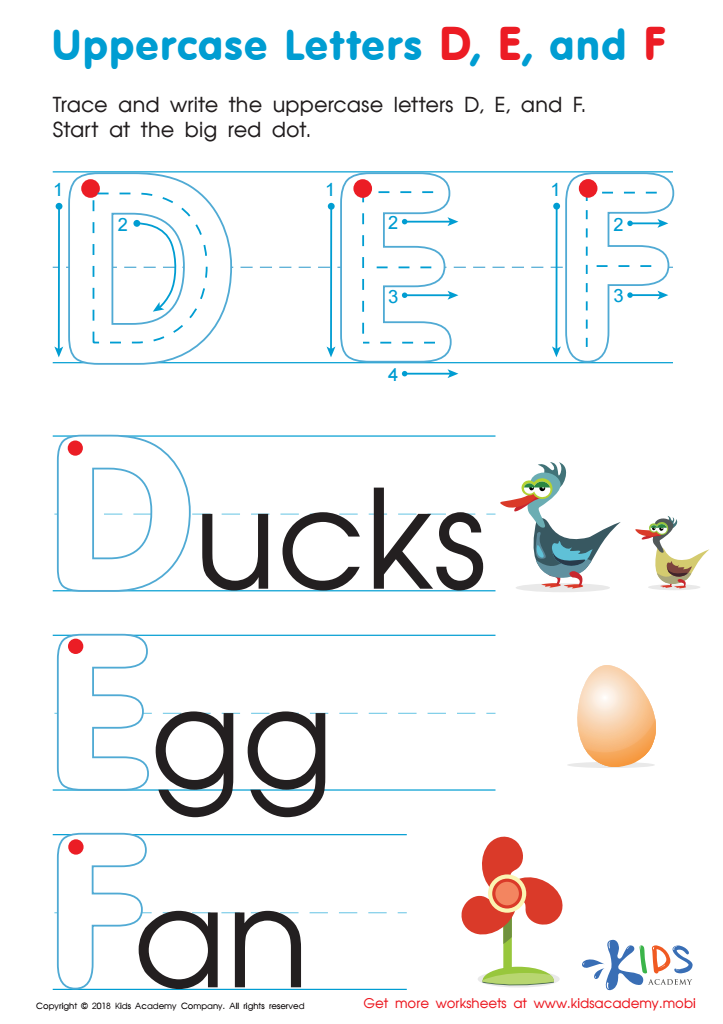
Uppercase Letters D, E, and F Worksheet
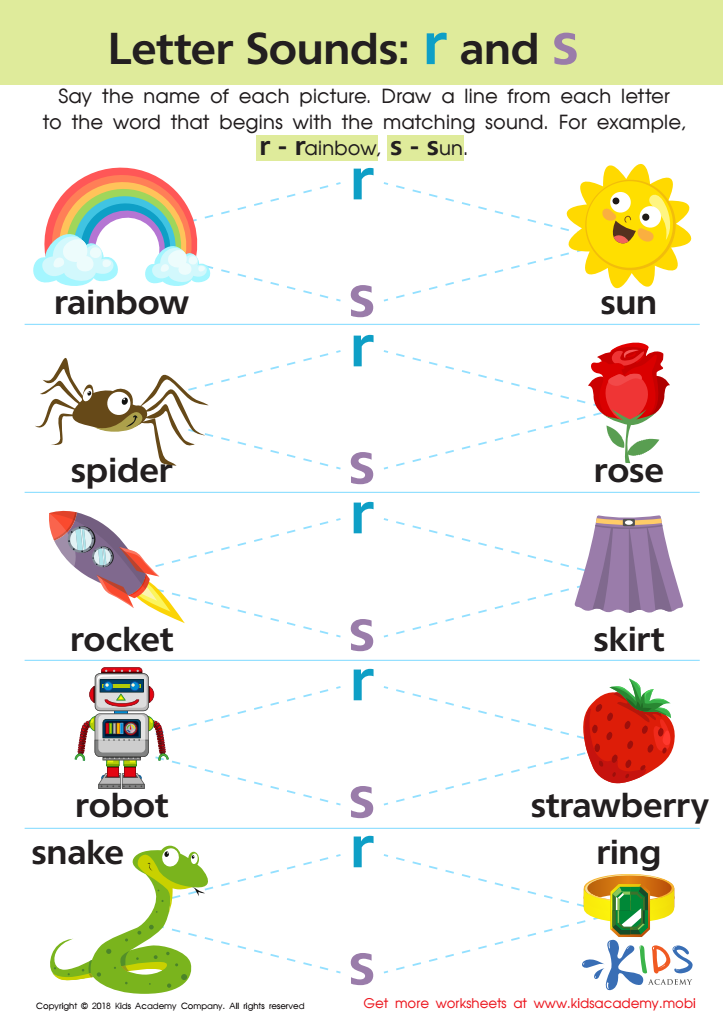
Letter R and S Sounds Worksheet
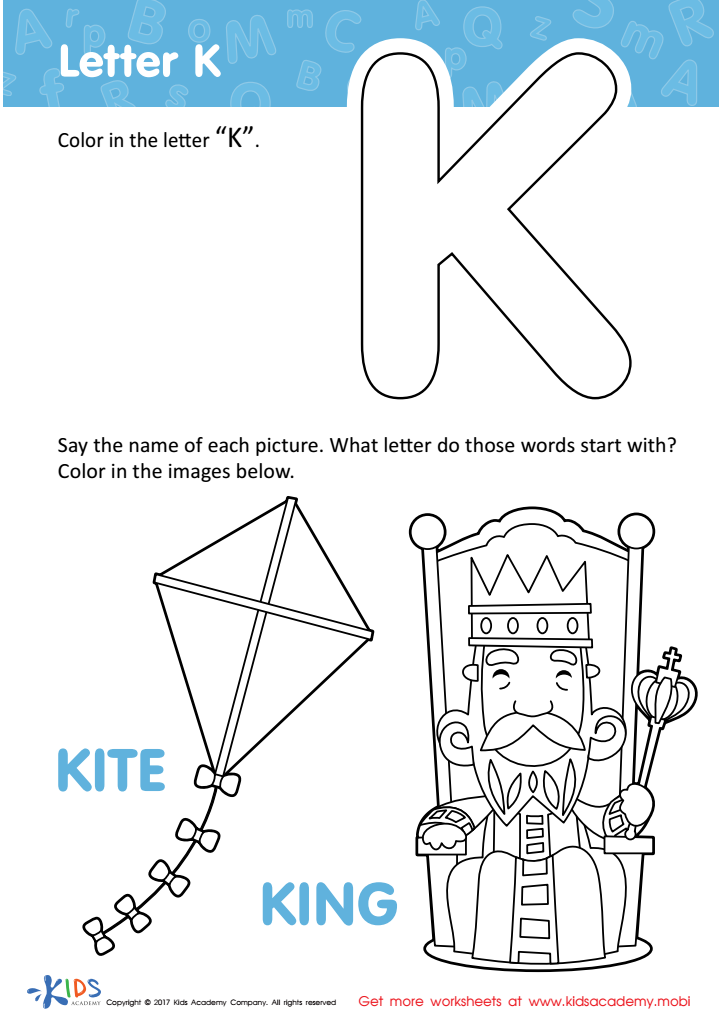
Letter K Coloring Sheet
Assign to My Students
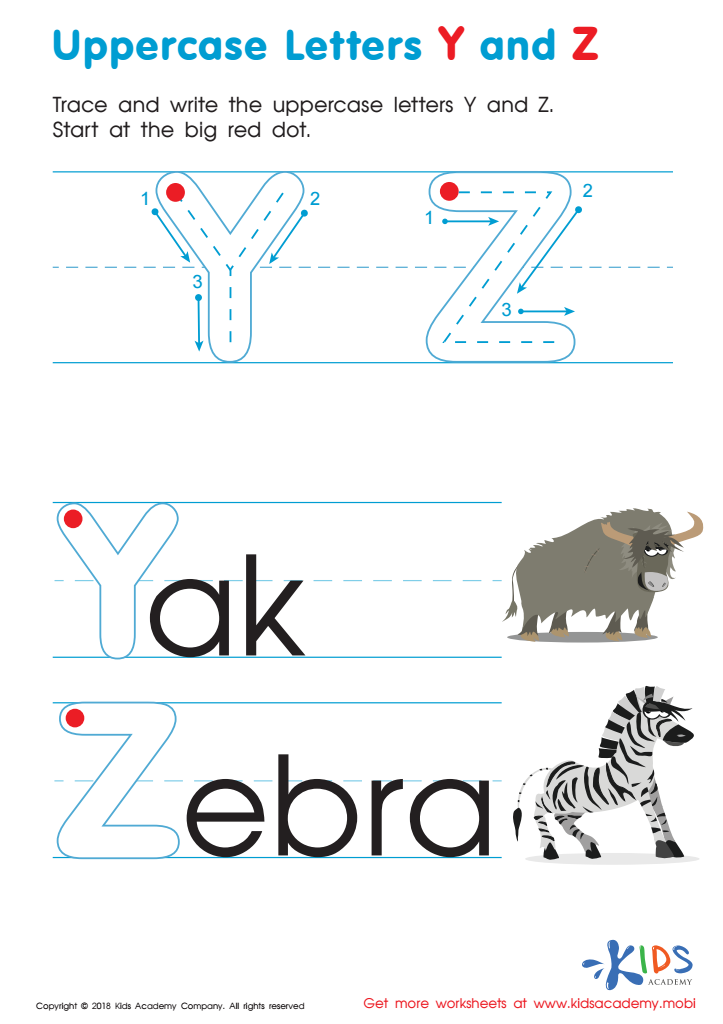
Uppercase Letters Y Z Worksheet
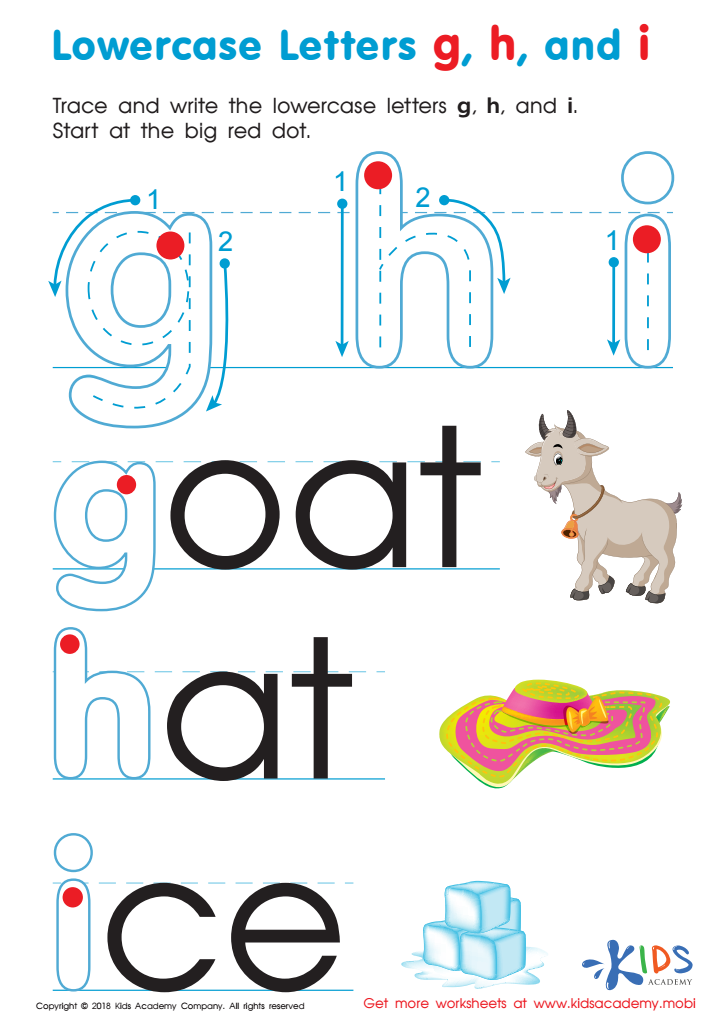
Lowercase Letters g h i Worksheet
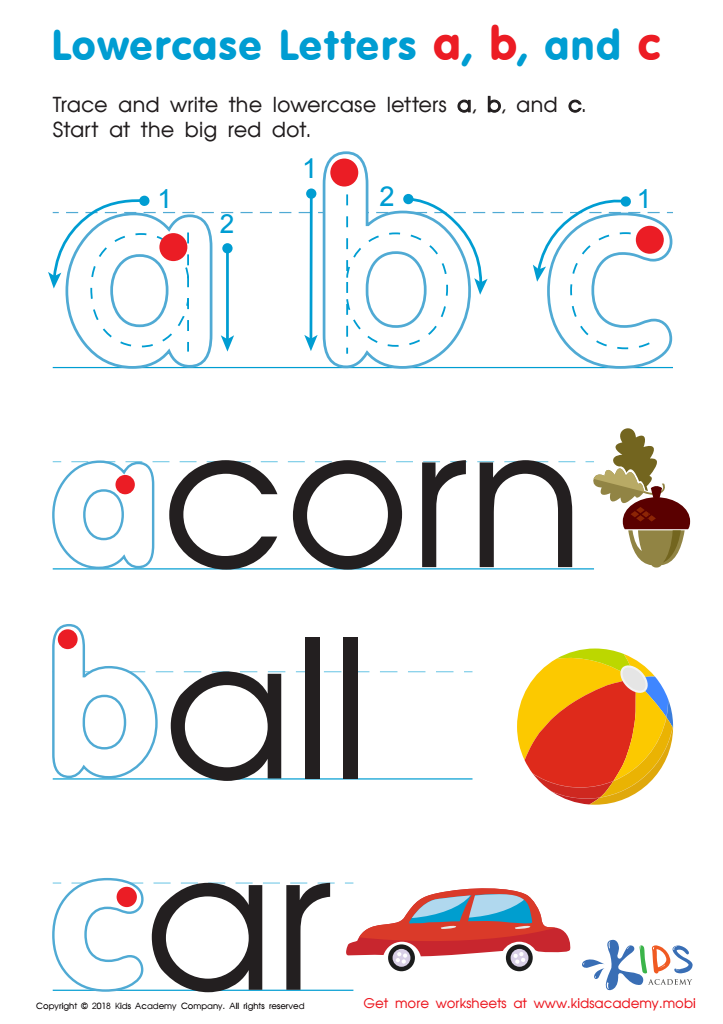
Lowercase Letters a b c Worksheet
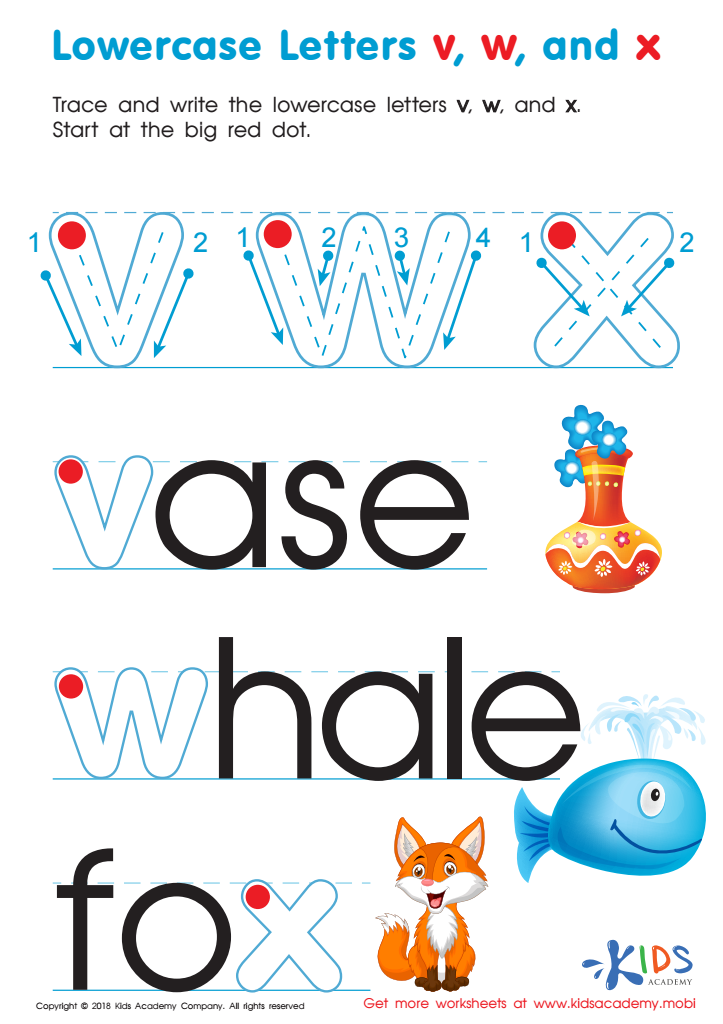
Lowercase Letters v w x Worksheet
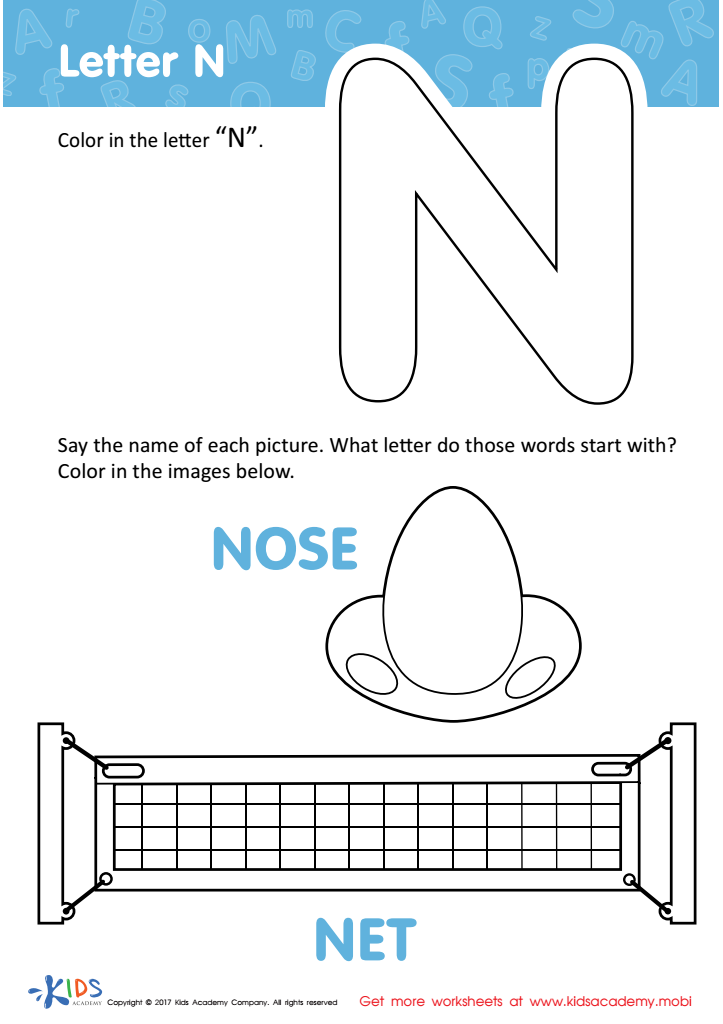
Letter N Coloring Sheet
Assign to My Students
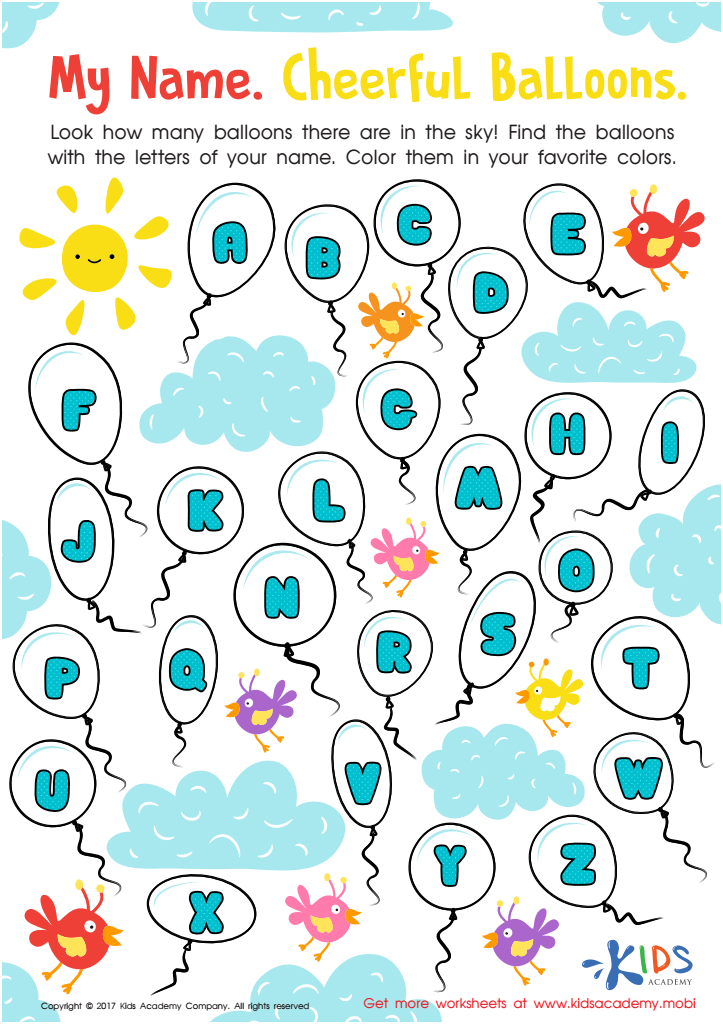
My Name: Cheerful Balloons Worksheet
Assign to My Students
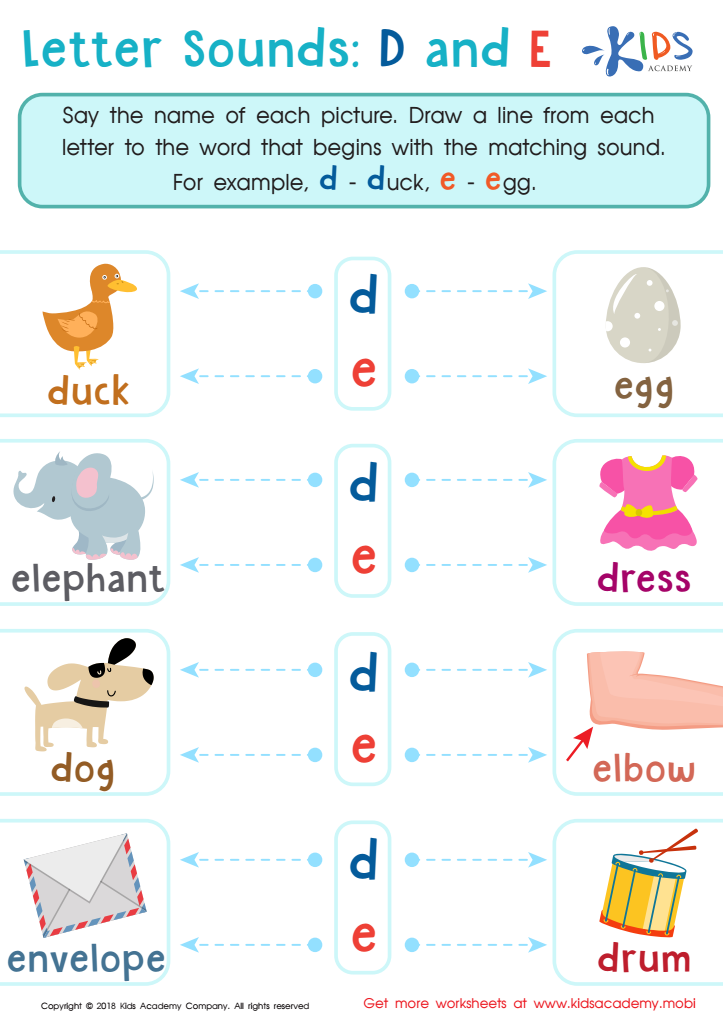
Letter D and E Sounds Worksheet
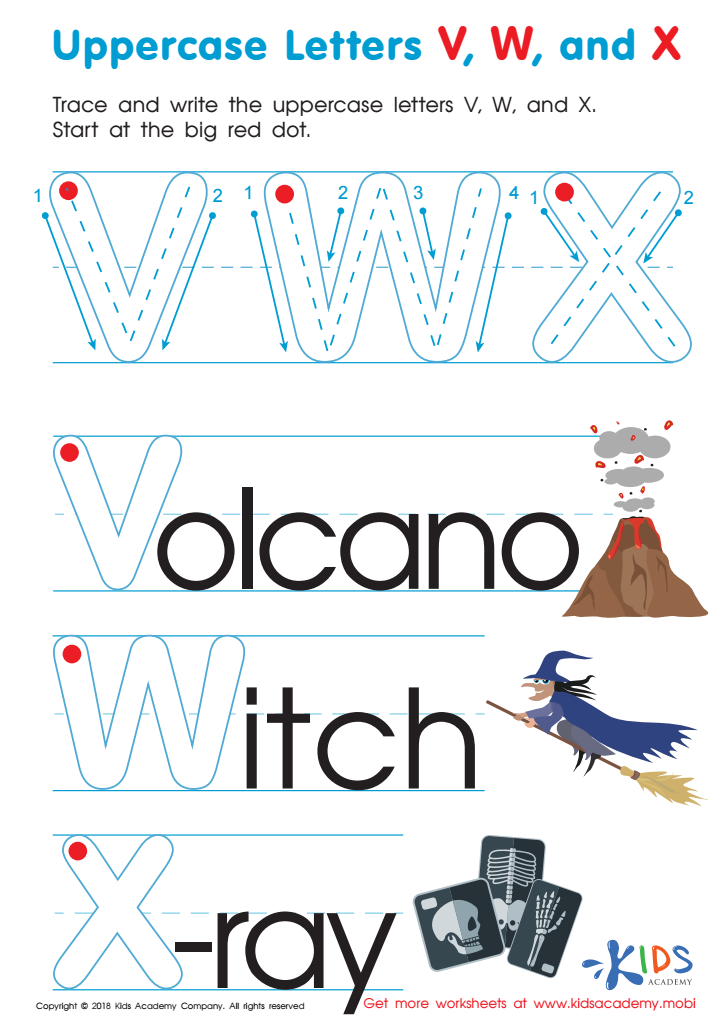
Uppercase Letters V, W, and X Worksheet








Handwriting practice in normal alphabet for 5-year-olds is crucial for their overall development and academic success. First, handwriting exercises help refine fine motor skills, such as hand-eye coordination and finger dexterity, which are essential for daily tasks like tying shoes and buttoning clothes. Engaging in these activities prepares young learners for more complex schoolwork and boosts their confidence.
Second, practicing handwriting aids in developing cognitive and linguistic abilities. By forming letters, children start understanding the connection between sounds and letter shapes, which is foundational to reading and spelling. This process enhances their phonemic awareness and vocabulary, making it easier for them to become proficient readers.
Moreover, handwriting practice fosters a sense of accomplishment and patience. Students can see their progress tangibly, which encourages persistence and attention to detail. These qualities translate into better problem-solving and task completion in all areas of learning.
Additionally, the integration of handwriting with other learning experiences, like storytelling and drawing, enables more informational retention and creative expression. This multi-sensory approach ensures that different types of learners—visual, tactile, and kinesthetic—are engaged.
In sum, handwriting practice is not just about writing letters but about laying a strong foundation for a broad spectrum of developmental milestones in children, making it an indispensable element in early education.







