Reading comprehension Normal Alphabet Worksheets for 5-Year-Olds
21 filtered results
-
From - To
Introduce your 5-year-old to the joy of reading with our Reading Comprehension Normal Alphabet Worksheets! These engaging activities are designed to enhance early literacy skills by focusing on letter recognition, vocabulary, and understanding. Perfectly tailored for young learners, each worksheet combines fun illustrations with simple exercises that make learning exciting and effective. As children practice, they will develop the foundational skills needed for fluent reading, boosting their confidence and preparing them for future academic success. Discover the perfect blend of education and enjoyment with our expertly crafted worksheets, created to inspire a lifelong love of reading.
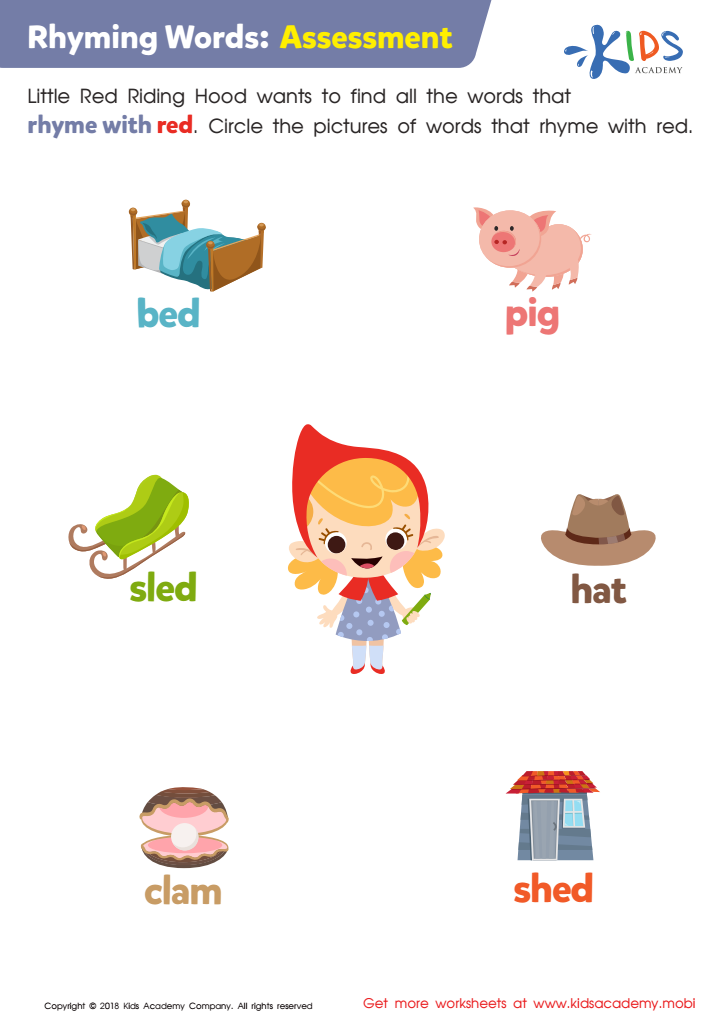
Rhyming Words: Assessment Worksheet
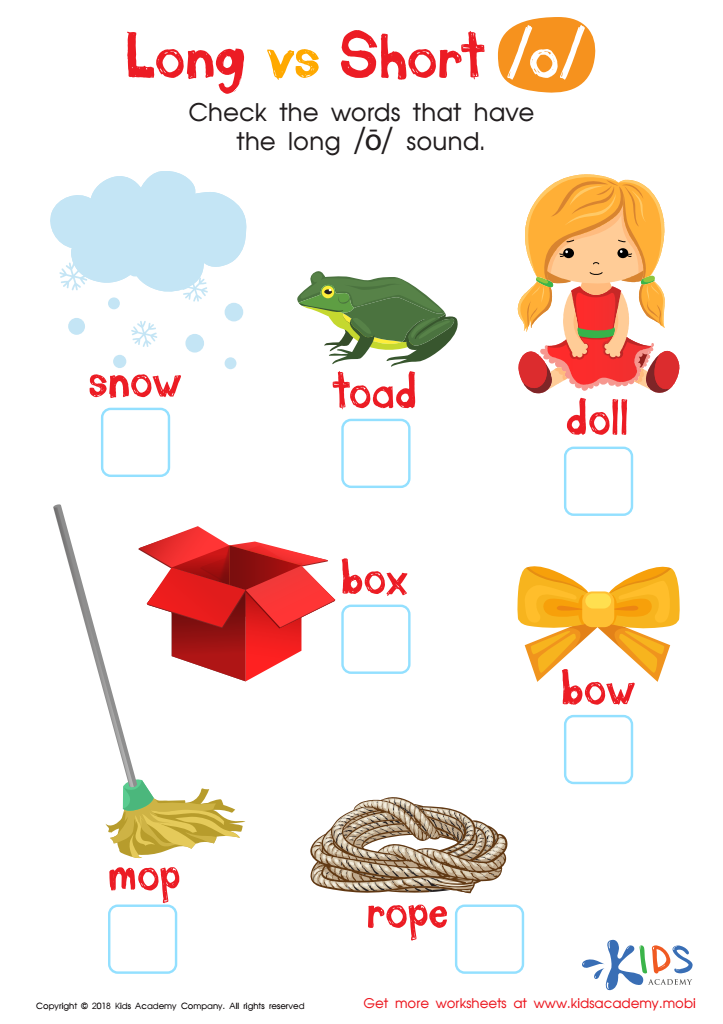
Long vs Short O Reading Worksheet
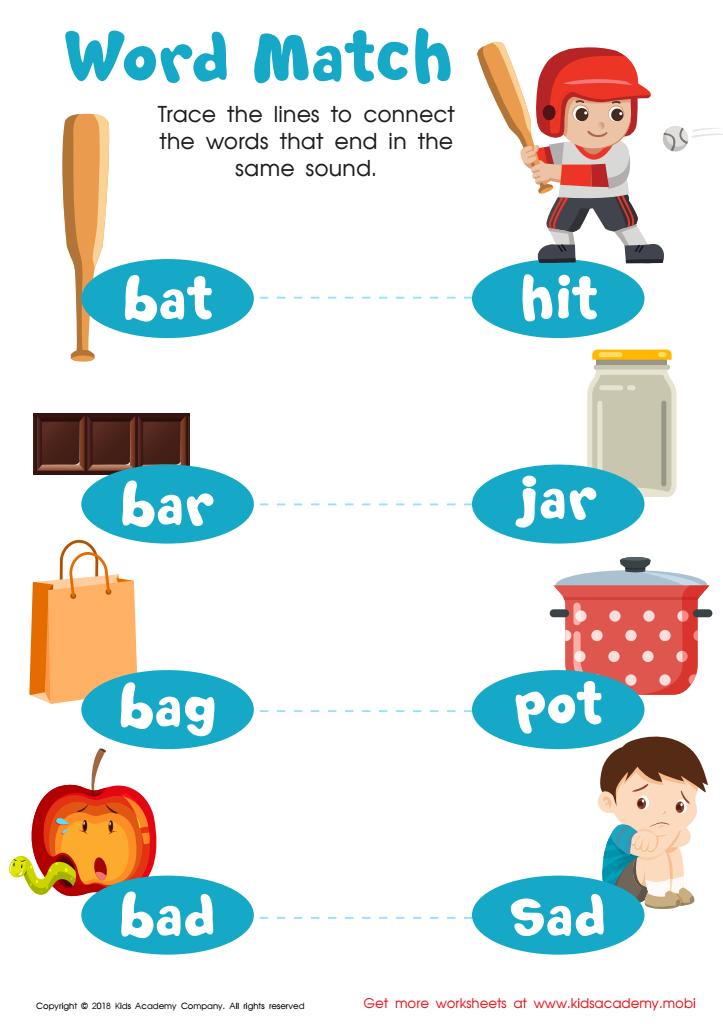
Word Match Reading Worksheet
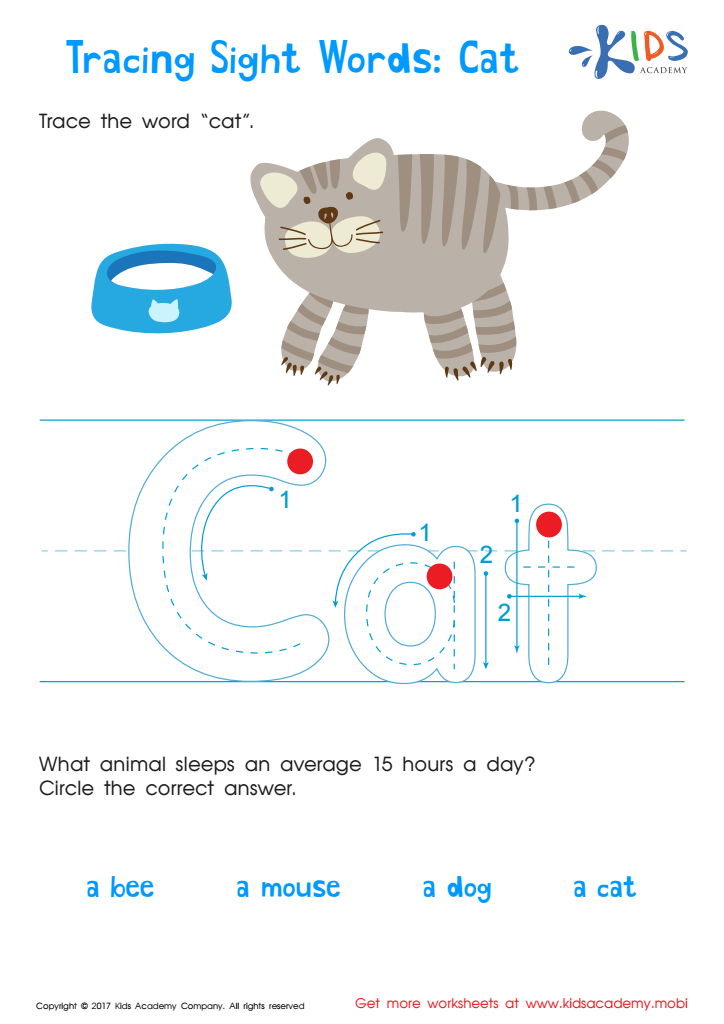
Cat Printable Sight Words Worksheet
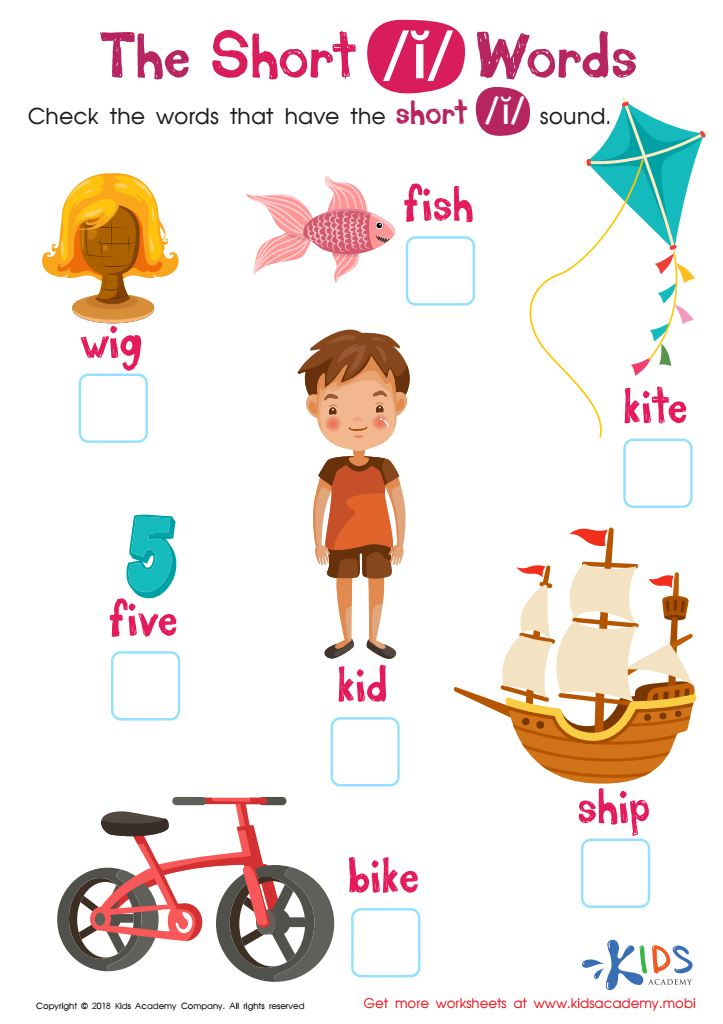
The Short I Words Reading Worksheet
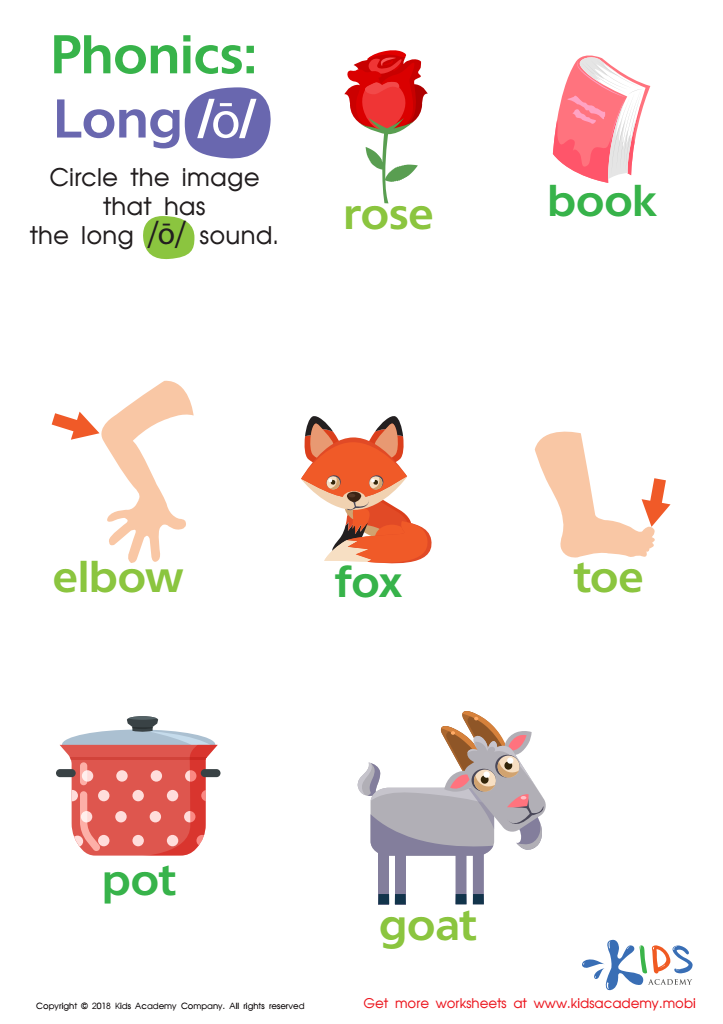
Phonics Long O Reading Worksheet
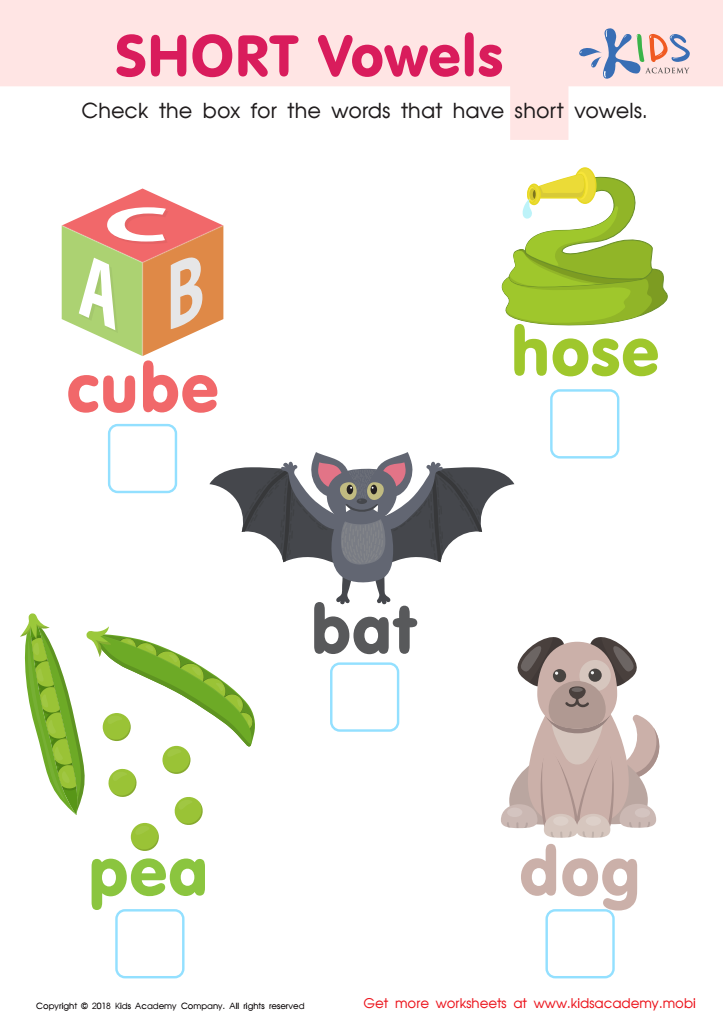
short vowels Worksheet
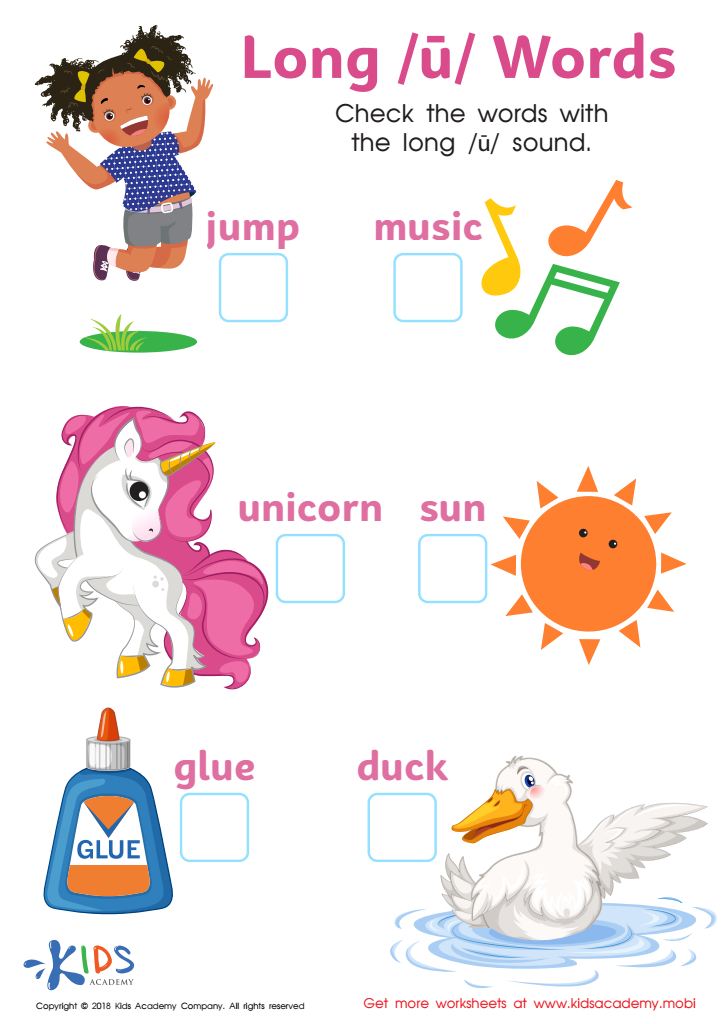
Long U Words Reading Worksheet
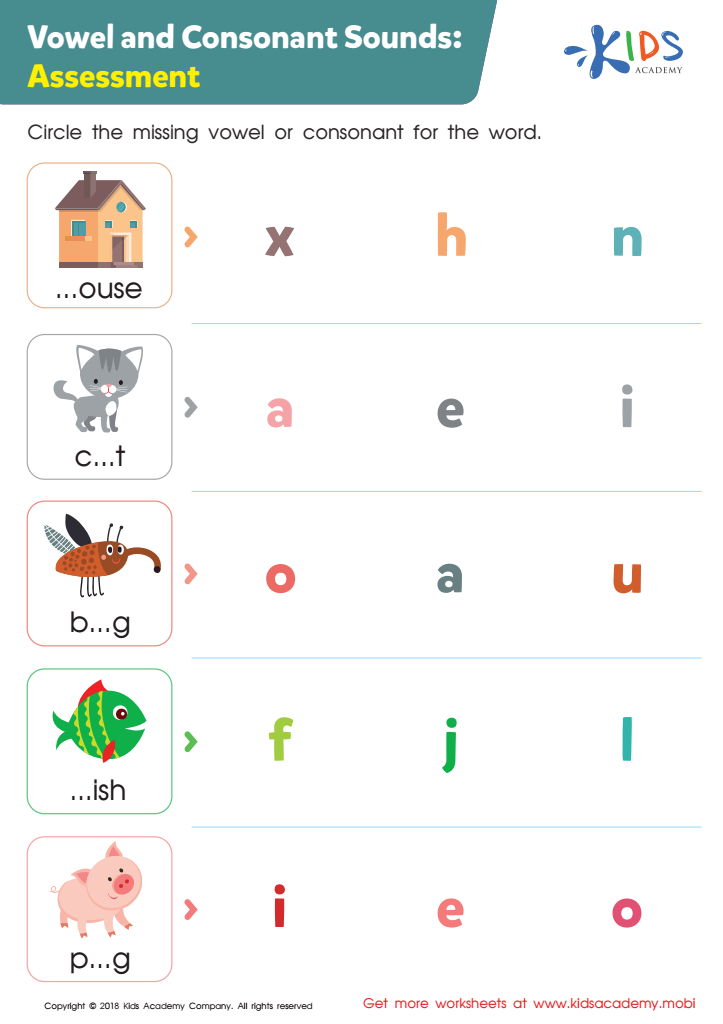
Vowel and Consonant Sounds: Assessment Worksheet
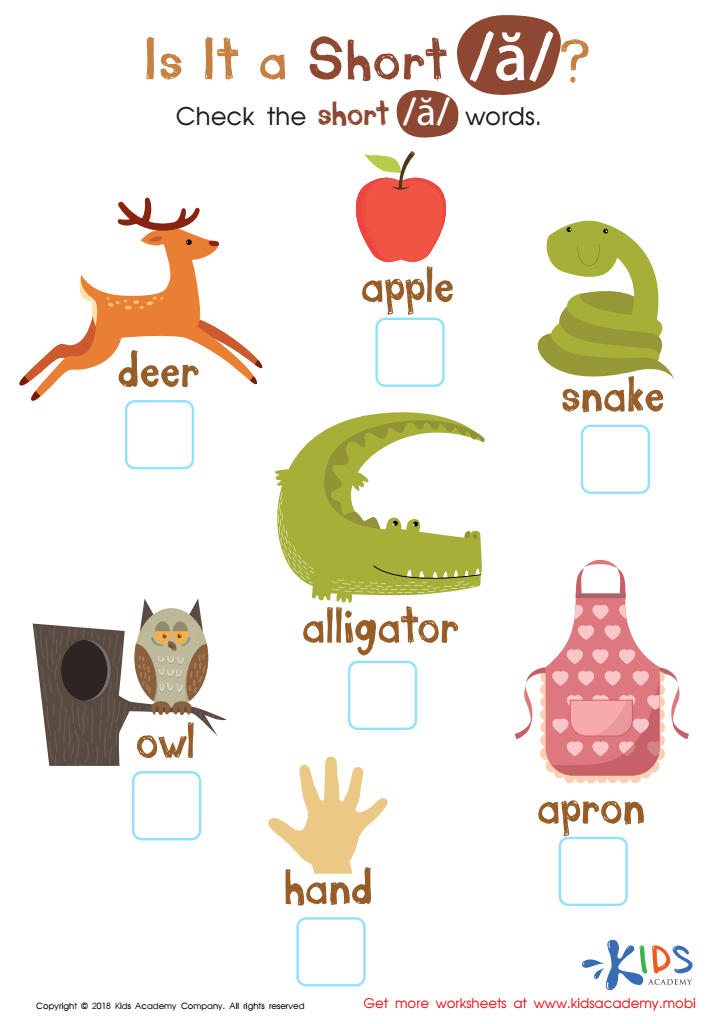
Is It Short A? Reading Worksheet
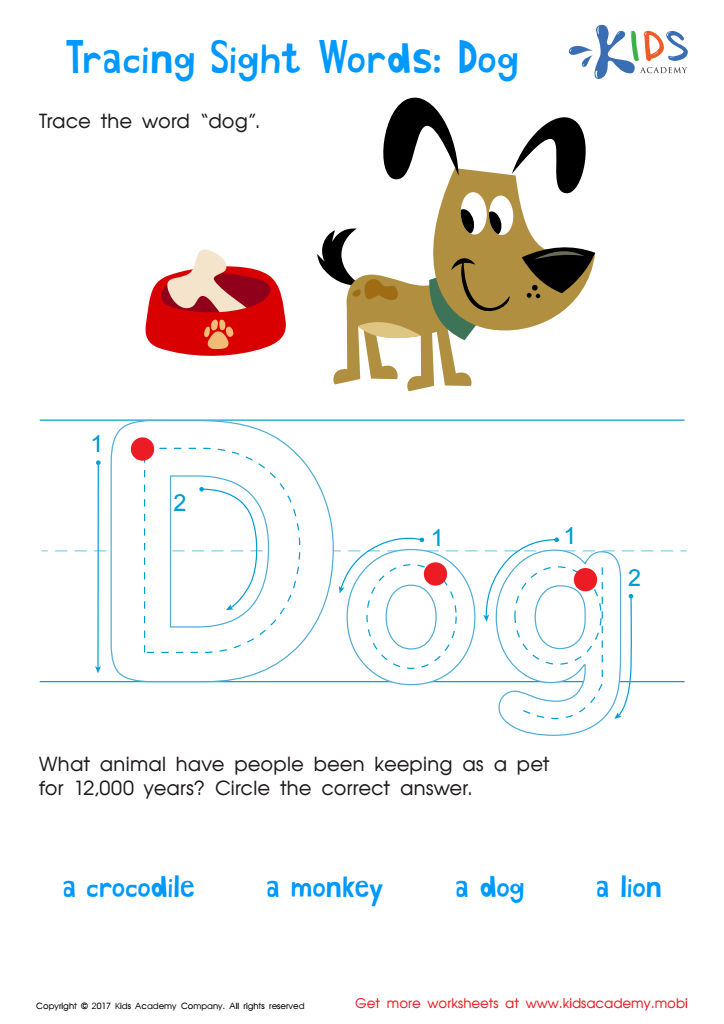
Dog Worksheet Sight Words Worksheet
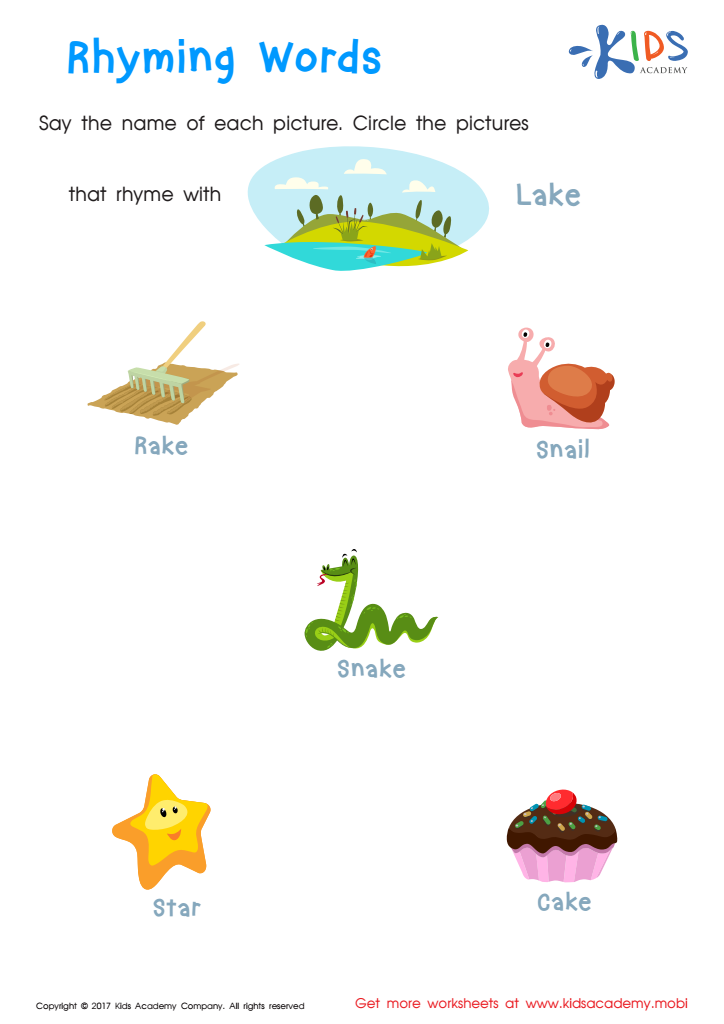
Rhyming Words Rhyming Worksheet
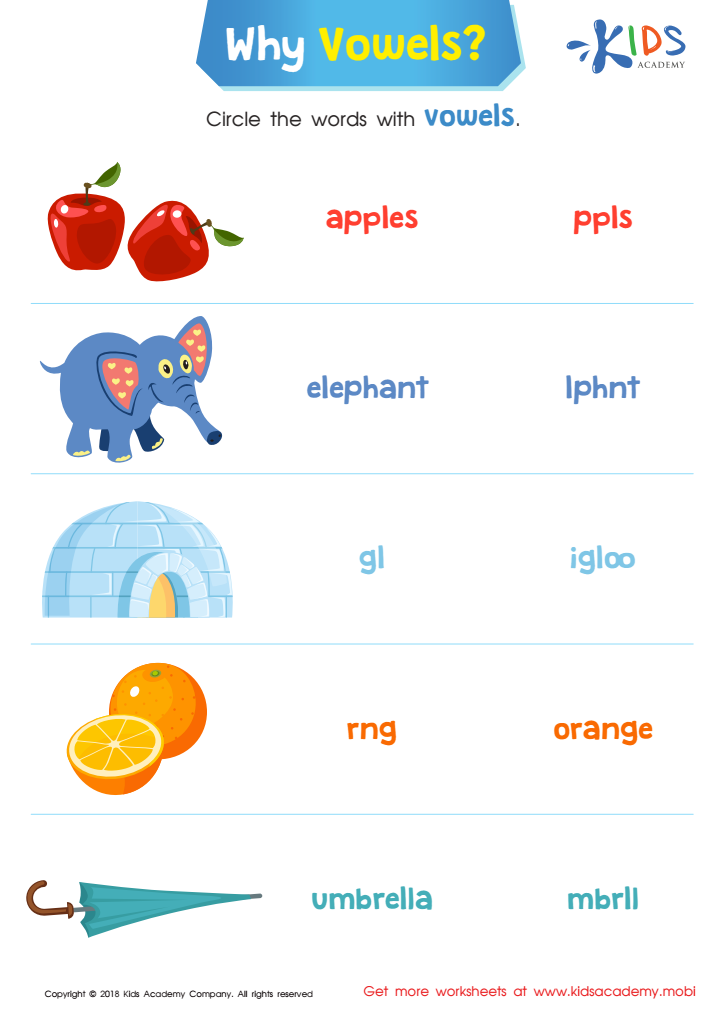
Why Vowels? Reading Worksheet
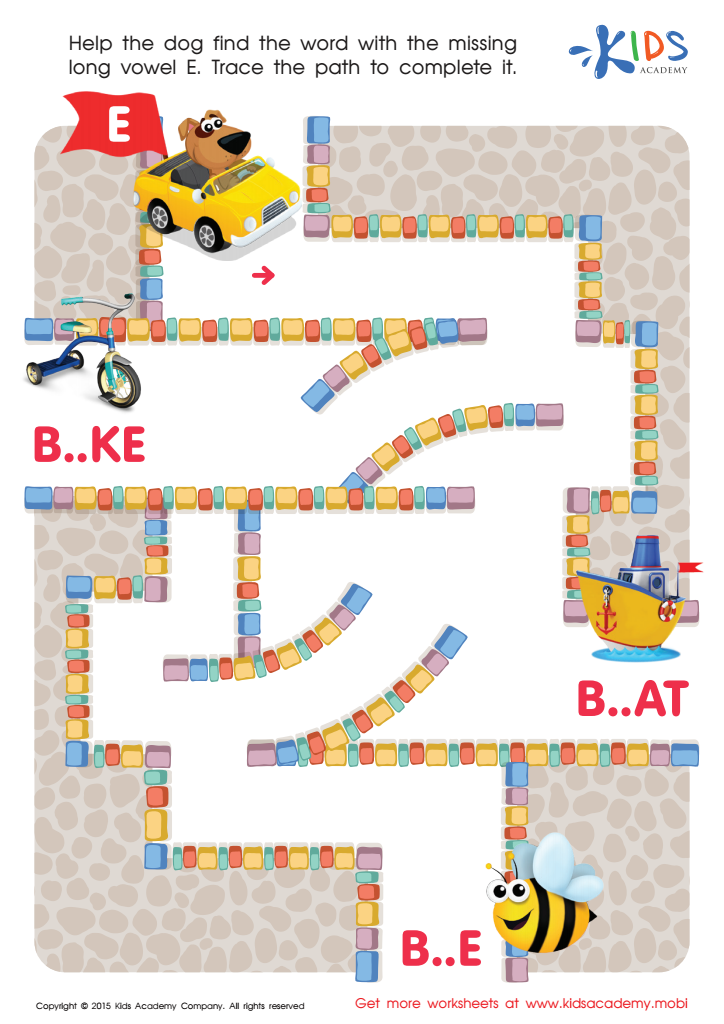
Long Vowel Sound E Worksheet
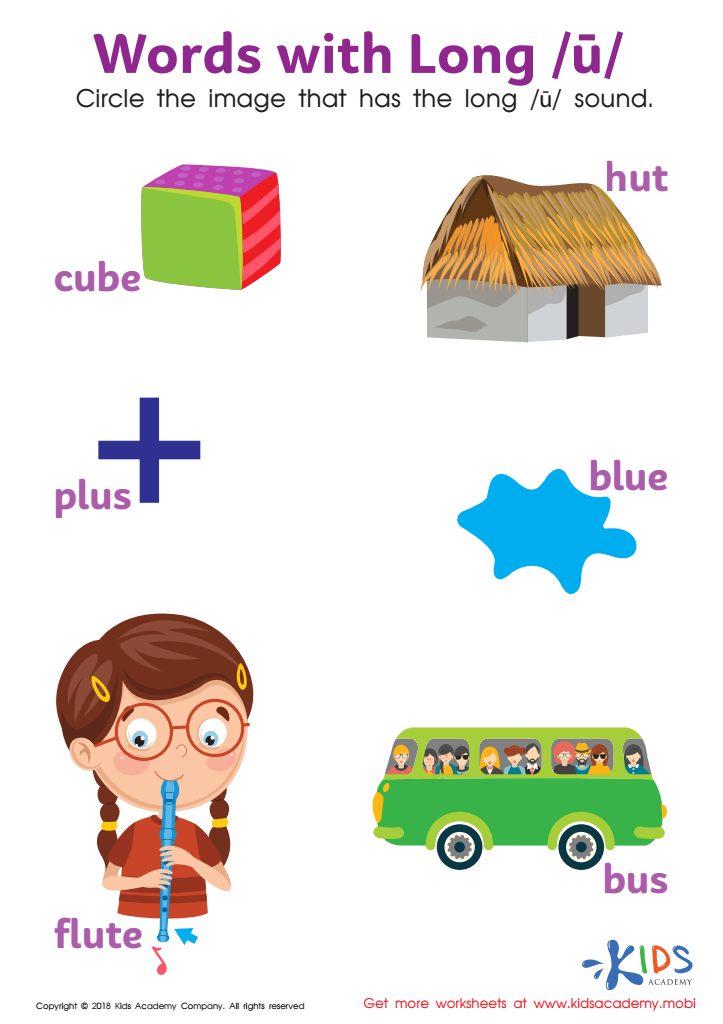
Words with Long U Reading Worksheet
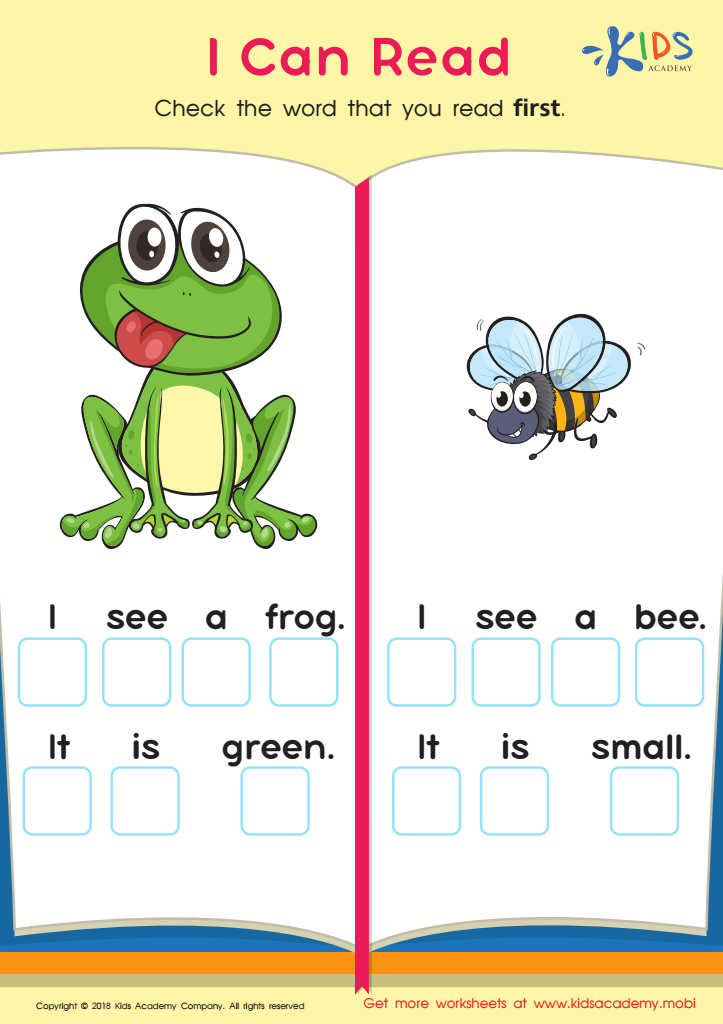
I Can Read Worksheet
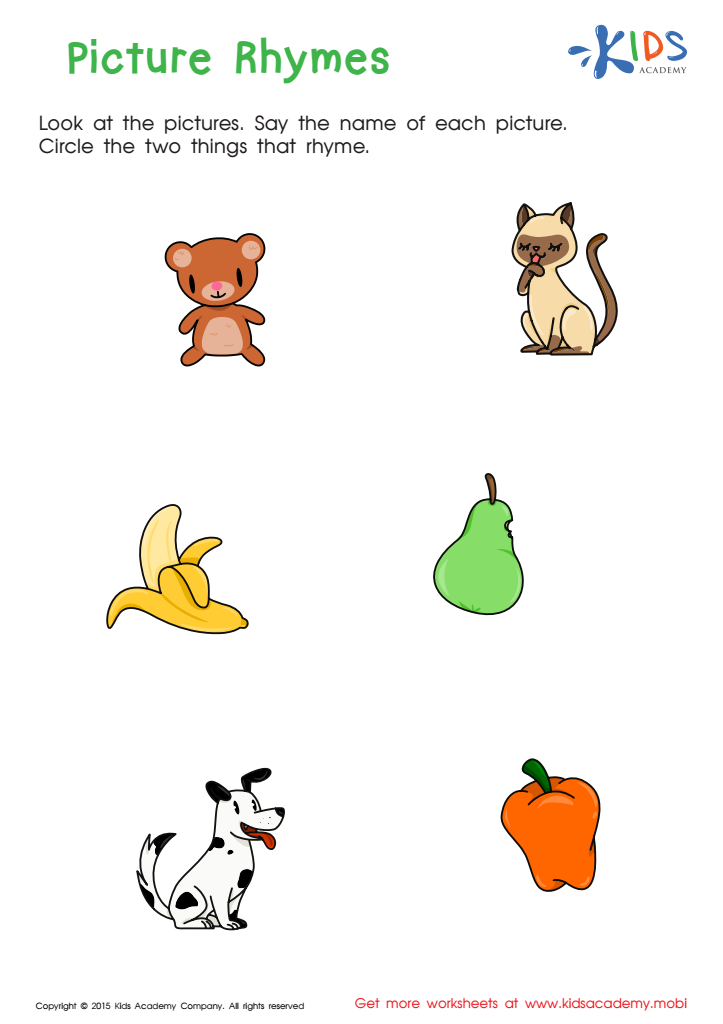
First Words: Picture Rhymes Worksheet
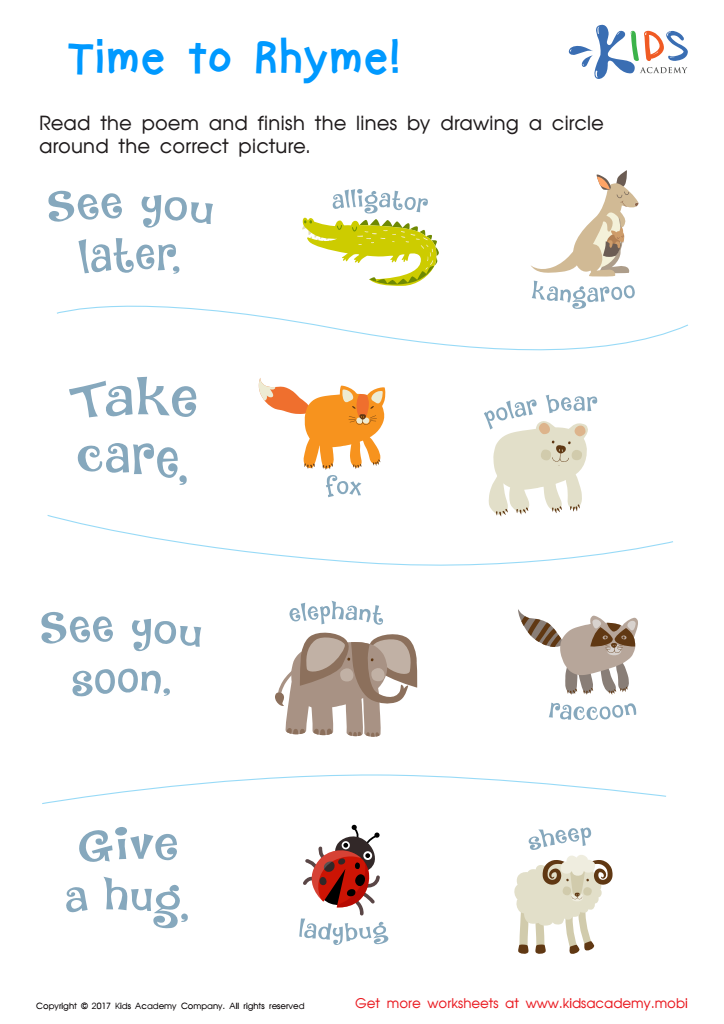
Time to Rhyme Rhyming Worksheet
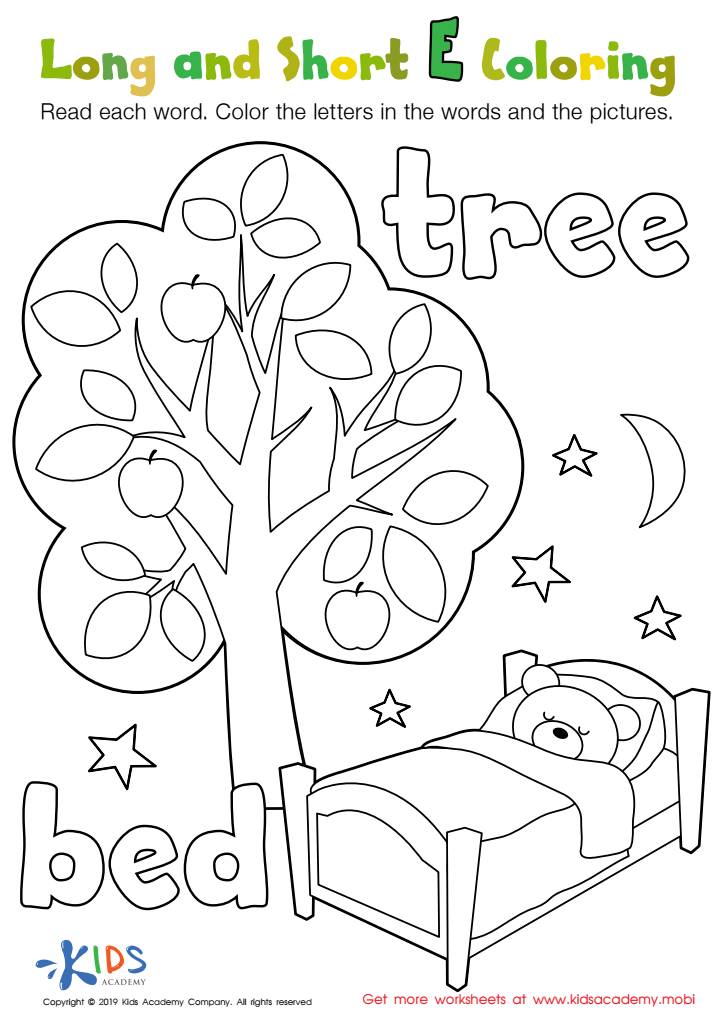
Long and Short E Worksheet
 Assign to My Students
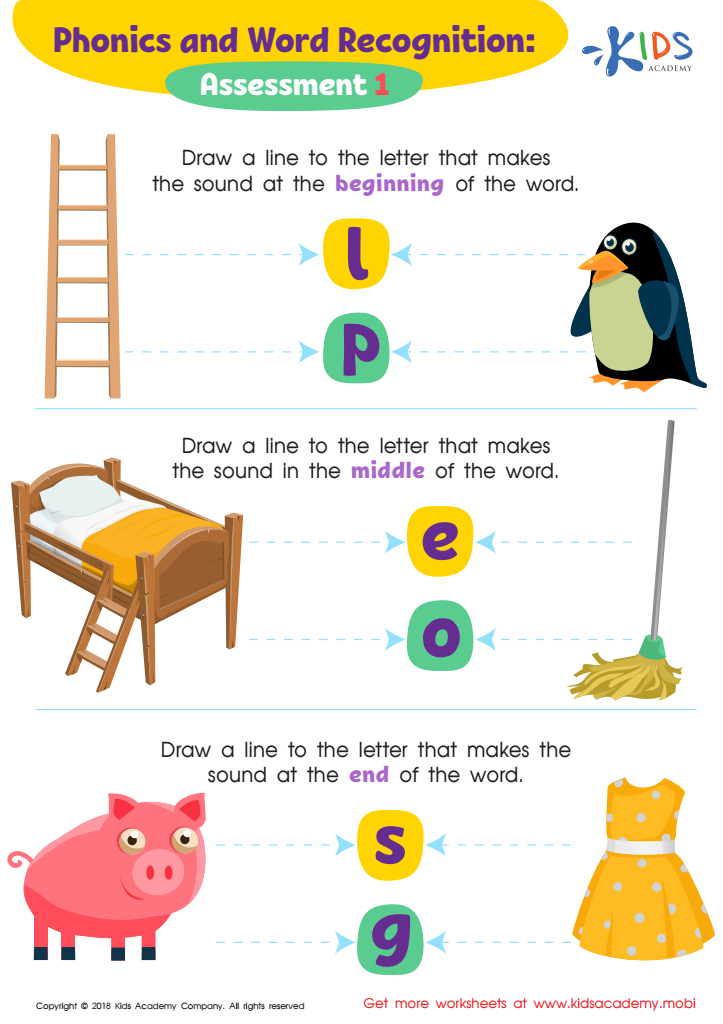
Phonics and Word Recognition: Assessment 1 ELA Worksheet
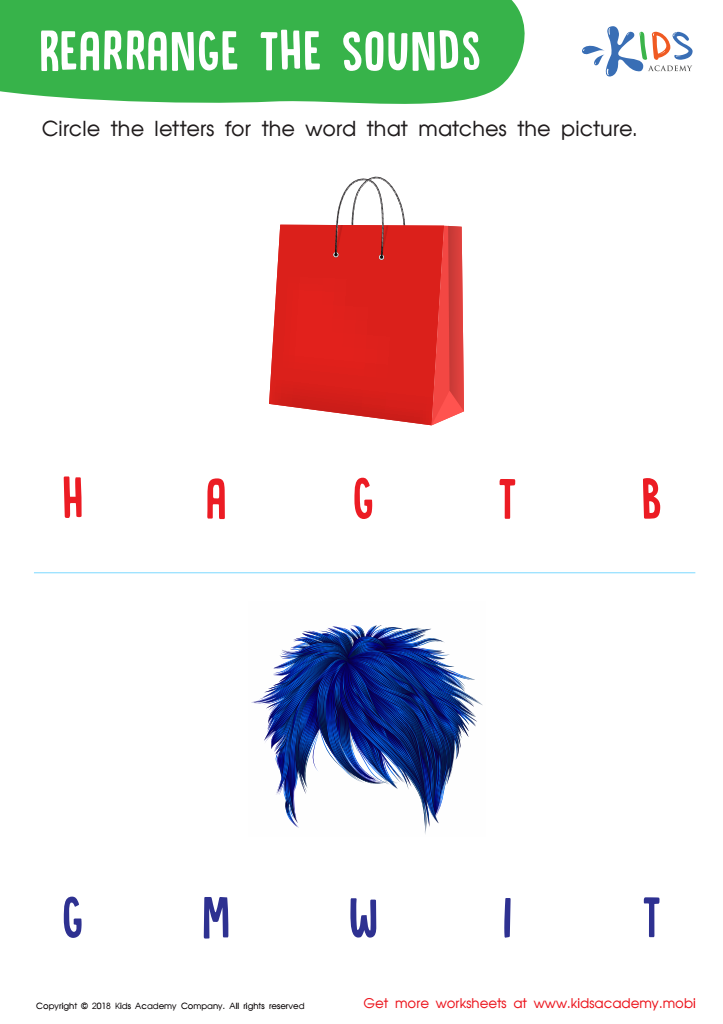
Rearrange the Sounds Worksheet







Reading comprehension is a foundational skill that underpins a child's entire academic journey and personal development. For 5-year-olds, engaging with reading comprehension using the Normal Alphabet is crucial for several reasons. Firstly, it equips children with the ability to decode text and derive meaning, thereby fostering early literacy skills essential for their education. Understanding what they read boosts their ability to follow instructions, grasp new concepts, and retain knowledge.
Secondly, strong reading comprehension skills promote cognitive development. They enhance memory, improve vocabulary, and build critical thinking skills by encouraging children to make connections, predict outcomes, and analyze stories. This cognitive growth lays a firm groundwork for more complicated academic pursuits in later years.
Thirdly, reading comprehension enriches a child’s emotional and social development. When children understand what they read, they can better relate to the experiences and emotions of characters, fostering empathy and emotional intelligence. This shared understanding also strengthens teacher-child and parent-child bonds as they discuss stories and explore ideas together.
Finally, early success in reading comprehension instills a love for reading, positively affecting lifelong learning and curiosity. When adults prioritize this skill in young learners, they aren’t just helping them read better; they are opening doors to a richer, more informed world and fostering lifelong learners.







