Phonics recognition Normal Phonics Worksheets for 5-Year-Olds
5 filtered results
-
From - To
Help your 5-year-old master the basics of reading with our Phonics Recognition Normal Phonics Worksheets. Designed to build foundational skills, these worksheets make learning fun and engaging. Each sheet focuses on different phonetic elements, aiding in the recognition of letters and their sounds. Vibrant illustrations and interactive activities keep young learners motivated and excited to practice. These resources support kids as they progress towards fluency, enhancing their ability to decode words and boosting early reading confidence. Start your child’s learning journey with Kids Academy’s expertly crafted materials, tailored to meet the unique needs of five-year-old learners.
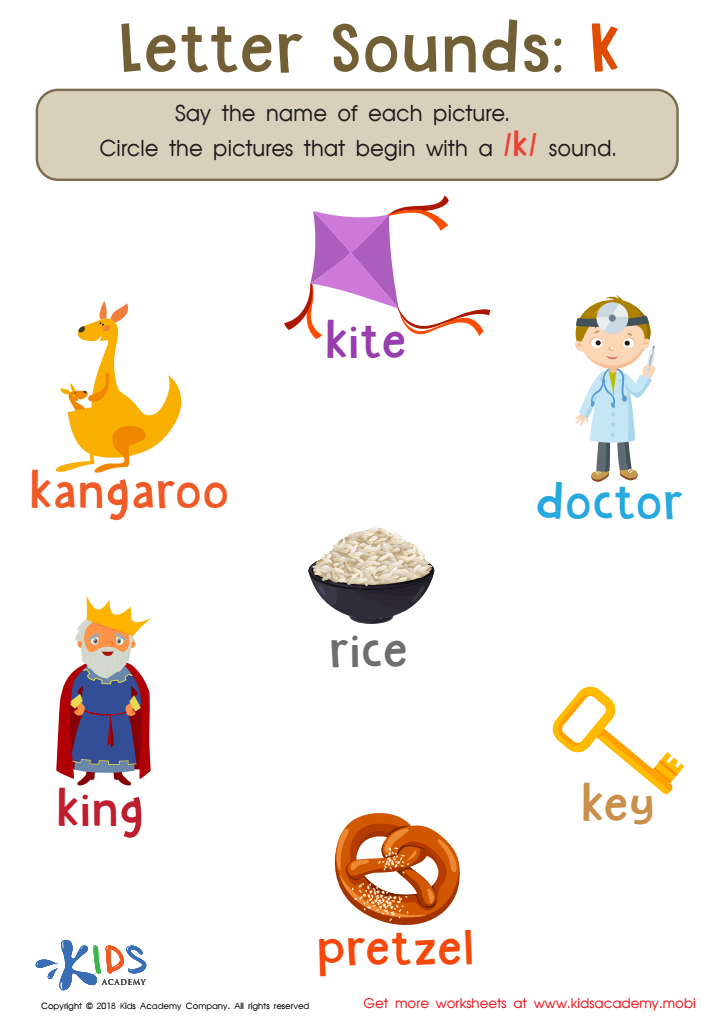
Letter K Sounds Worksheet
 Assign to My Students
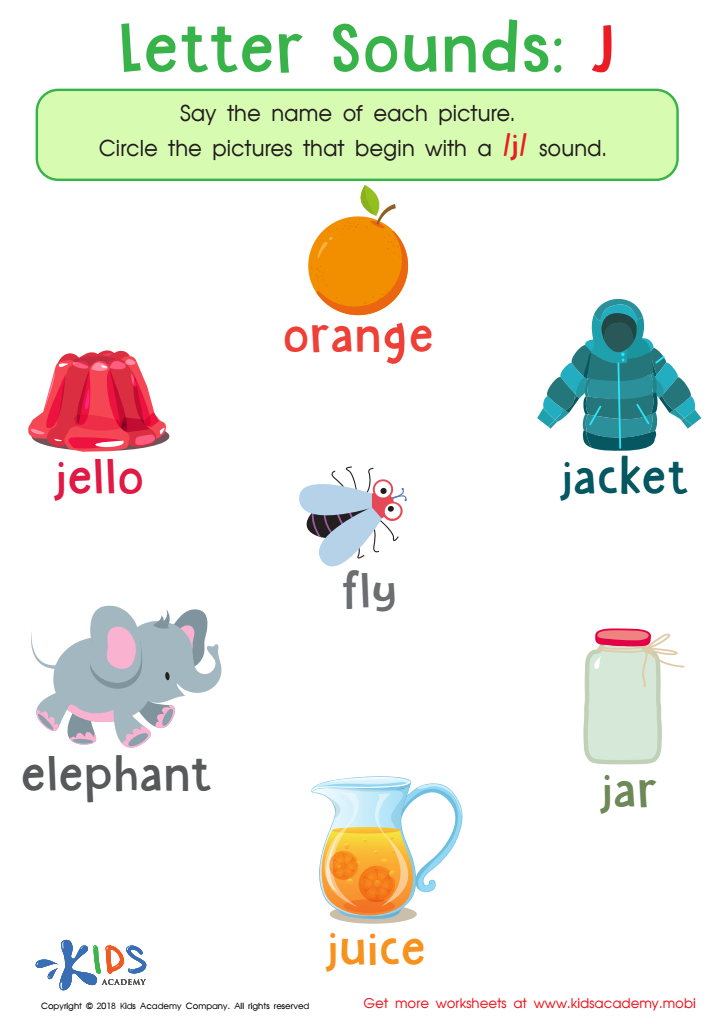
Letter Sounds: J Printable Worksheet
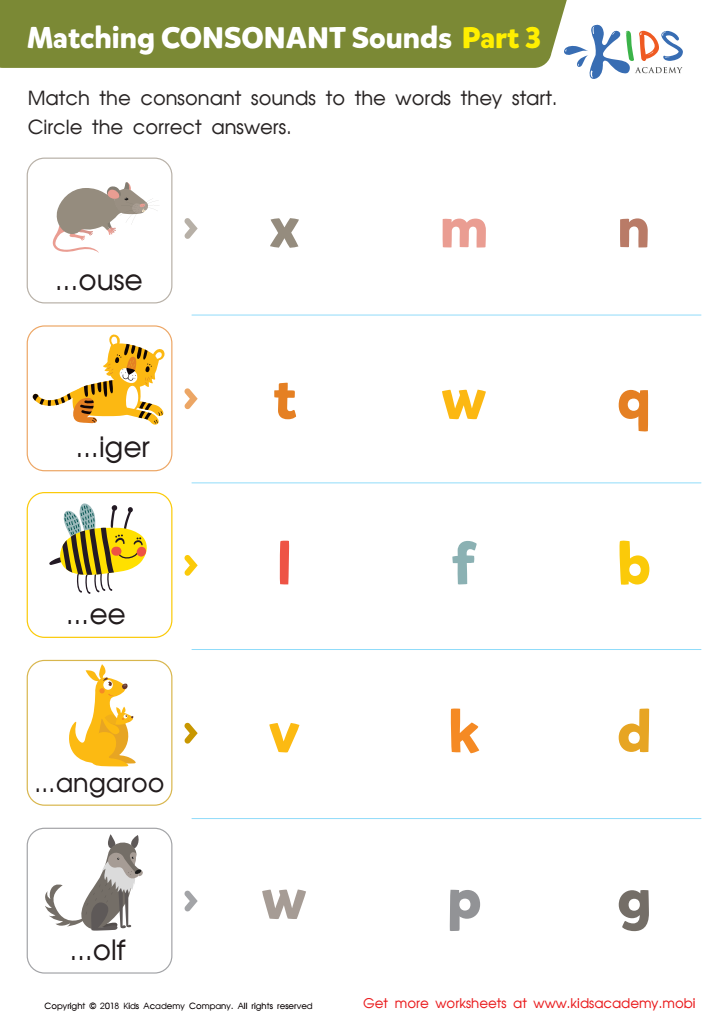
Matching Consonant Sounds: Part 3 Worksheet
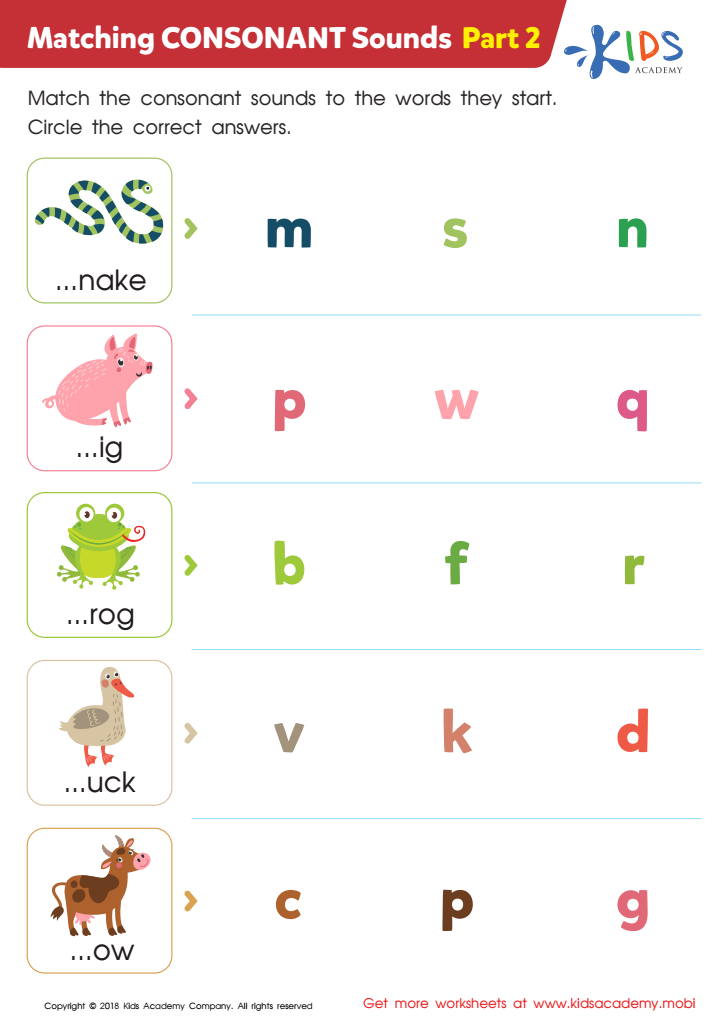
Matching Consonant Sounds: Part 2 Worksheet
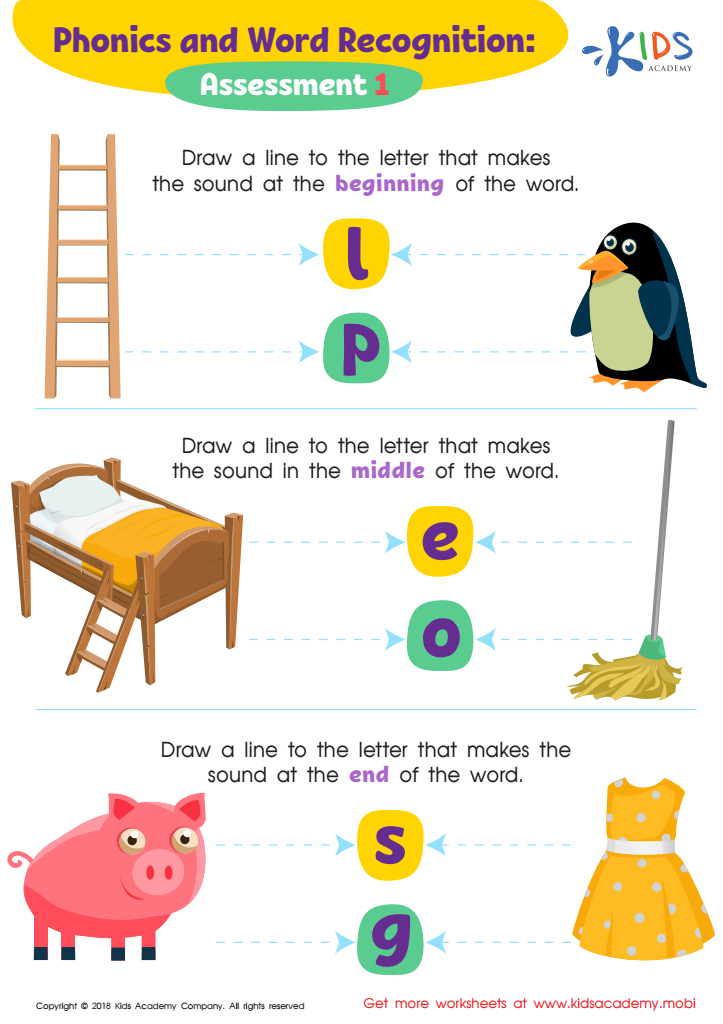
Phonics and Word Recognition: Assessment 1 ELA Worksheet








Phonics is a fundamental building block of reading and literacy, essential for 5-year-olds just starting their educational journeys. Parents and teachers should prioritize phonics recognition because it teaches children the relationship between sounds (phonemes) and their corresponding letters (graphemes). Mastery of phonics is critical for early readers to decode new words quickly and accurately, fostering smoother, more confident reading experiences.
Children who have a strong grasp of phonics are equipped to independently read and comprehend various texts, cementing early reading skills vital for academic success. Phonics-based learning also enhances spelling abilities by helping children understand word structures and patterns.
Moreover, phonics instruction boosts language development and vocabulary acquisition, enriching children's expressive and receptive language skills. Engaging 5-year-olds in phonics through playful, hands-on activities keeps them motivated and eager to learn. When children experience success in reading at an early age, it promotes a positive attitude toward learning and school in general.
For educators and parents, advancing children's phonics skills can streamline the teaching process, allowing for a more tailored approach to each child's unique learning pace. Overall, phonics recognition is not just about reading; it lays a solid foundation for overall academic and lifelong learning success.







