Reading comprehension Normal Short Vowels Worksheets for 5-Year-Olds
3 filtered results
-
From - To
Enhance your 5-year-old's reading skills with our engaging "Reading Comprehension Normal Short Vowels Worksheets." Designed specifically for young learners, these worksheets focus on mastering short vowel sounds through fun activities that promote literacy development. Each exercise intertwines reading comprehension with phonics, using colorful illustrations and age-appropriate texts that ignite curiosity. Your child will enjoy deciphering simple sentences, identifying pictures, and answering comprehension questions to reinforce their understanding of short vowels. Perfect for use at home or in the classroom, these worksheets set the foundation for confident reading. Explore our collection now to make learning enjoyable!
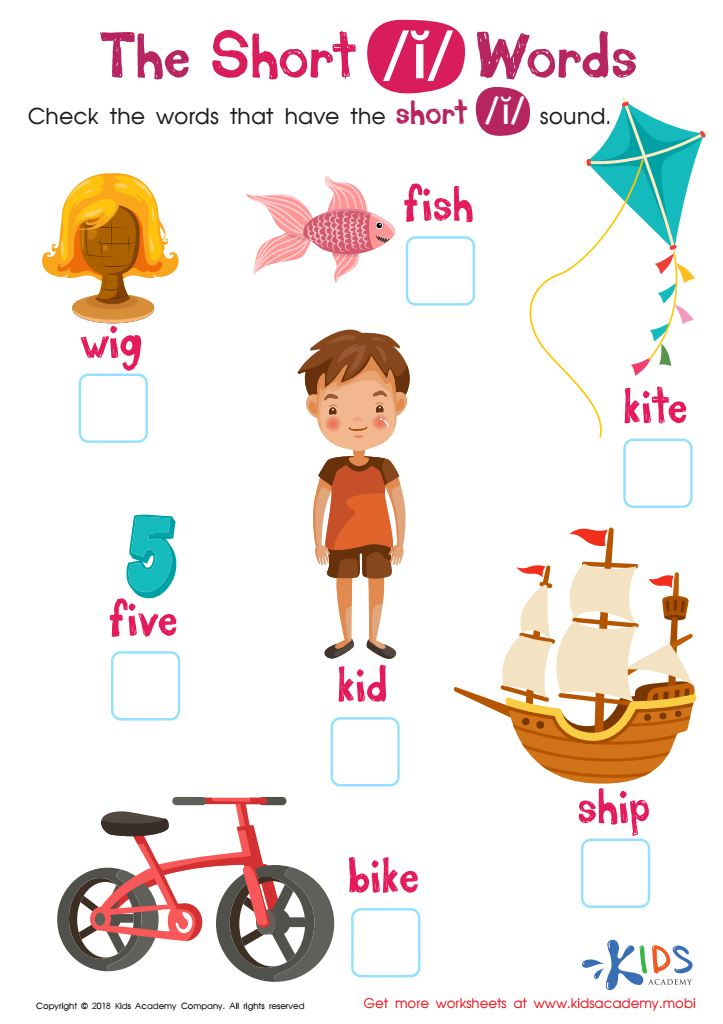
The Short I Words Reading Worksheet
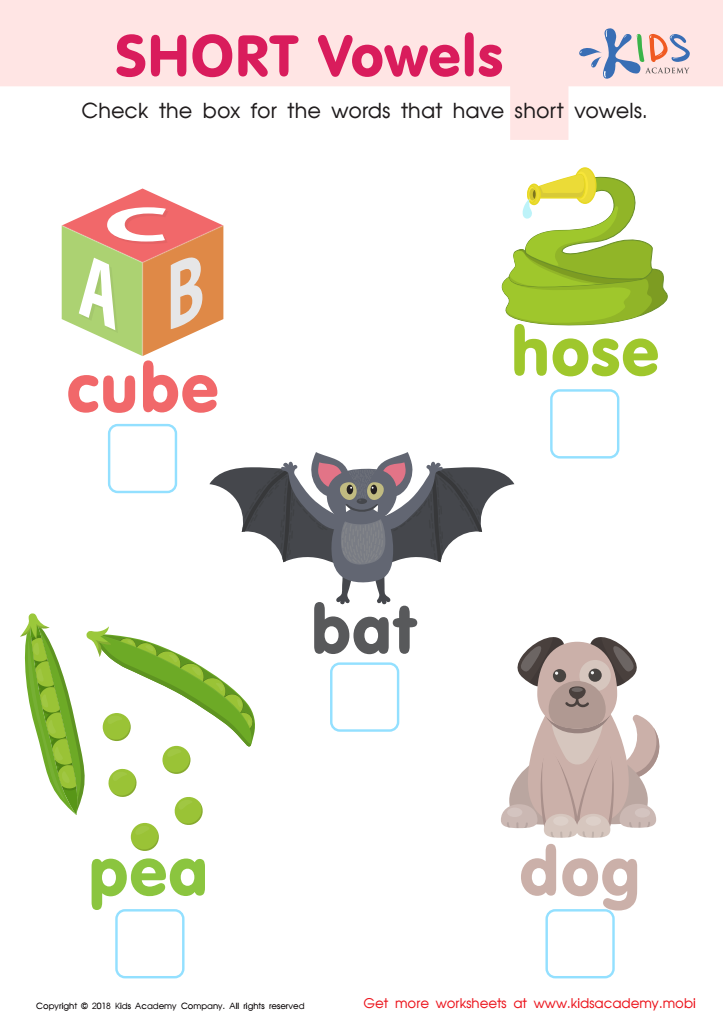
short vowels Worksheet
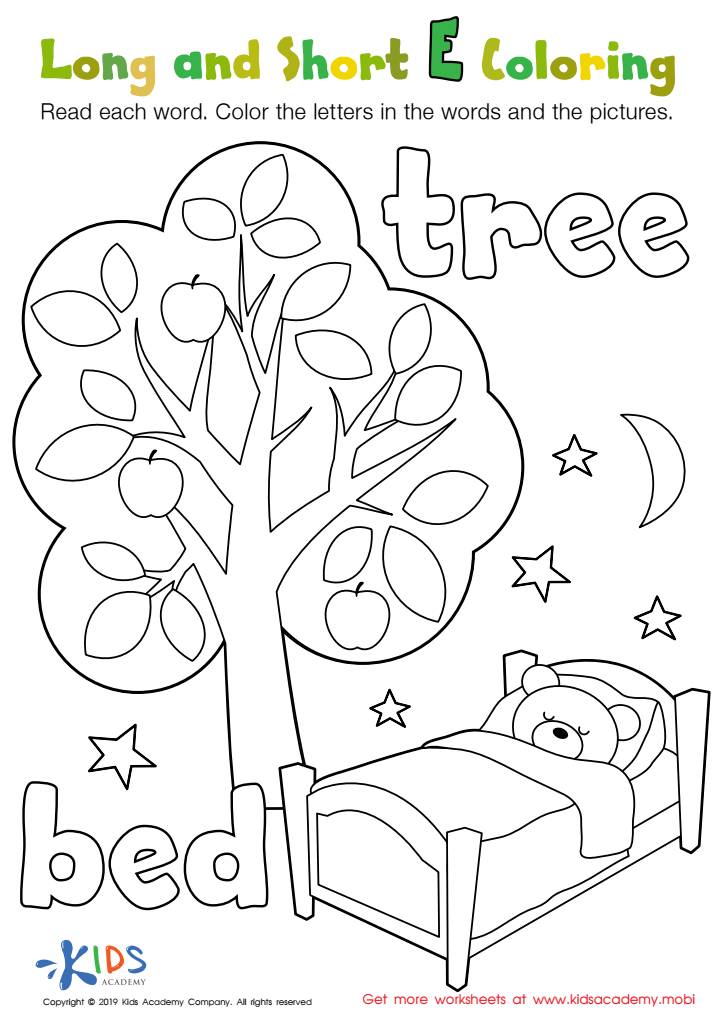
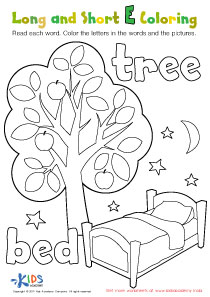
Long and Short E Worksheet
 Assign to My Students



Reading comprehension, particularly in the context of normal short vowels, is crucial for 5-year-olds. At this age, children are laying the foundation for their literacy skills which will impact their academic journey. Understanding short vowels is essential because they make up a significant component of early language development and phonics instruction. Mastering these sounds enables children to decode words, which boosts their confidence and enjoyment in reading.
Parents and teachers play a vital role in this process. When children develop a strong grasp of reading comprehension related to short vowels, they can better understand the text they encounter and make connections with the information. This skill promotes critical thinking, expands vocabulary, and enhances overall communication skills.
Moreover, early literacy skills, including understanding short vowels, can have long-term effects on a child's educational success. Children who struggle with these fundamental skills may find themselves lagging behind their peers in later grade levels, which can lead to frustration and disinterest in reading.
By prioritizing reading comprehension of short vowels, parents and teachers not only support immediate academic progress but also foster a lifelong love of reading and learning. Encouraging this early comprehension opens doors for enriched educational experiences in the future.