Visual discrimination skills Normal Upper & Lowercase Letters Worksheets for 5-Year-Olds
4 filtered results
-
From - To
Enhance your child's visual discrimination skills with our engaging worksheets designed specifically for 5-year-olds. These resources focus on differentiating between normal uppercase and lowercase letters, making learning fun and interactive. Each worksheet encourages kids to identify, match, and distinguish various letter forms, promoting early literacy and cognitive development. Suitable for home or classroom use, these worksheets cater to young learners' diverse needs, fostering important foundational skills. With colorful visuals and age-appropriate activities, your child will build confidence and improve their reading readiness. Explore our collection to support your child's journey in mastering the alphabet while developing essential visual discrimination abilities!
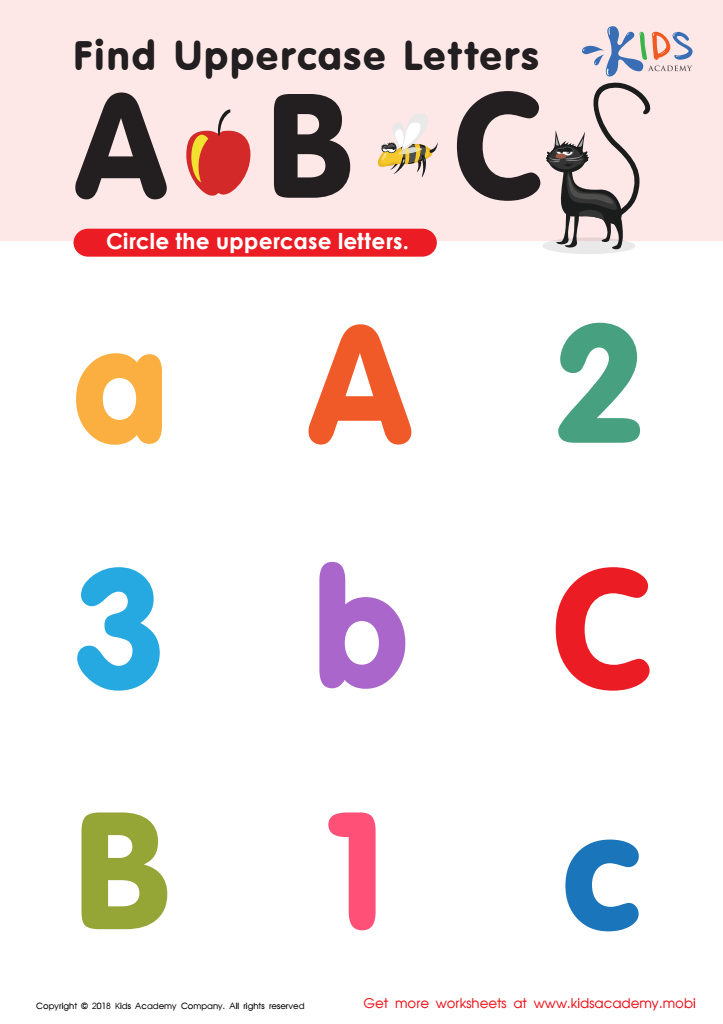
Find Uppercase Letters A, B, and C Worksheet
 Assign to My Students


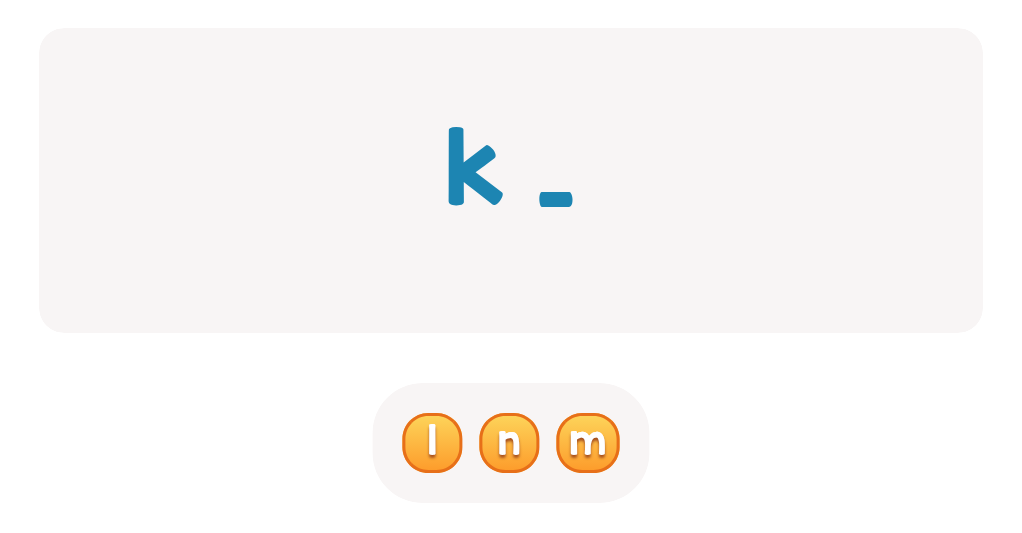
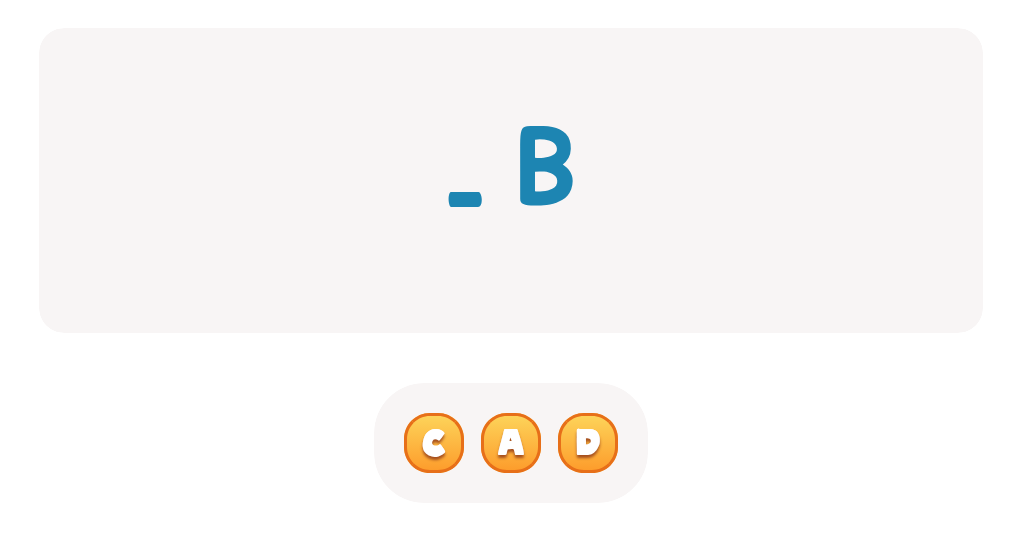

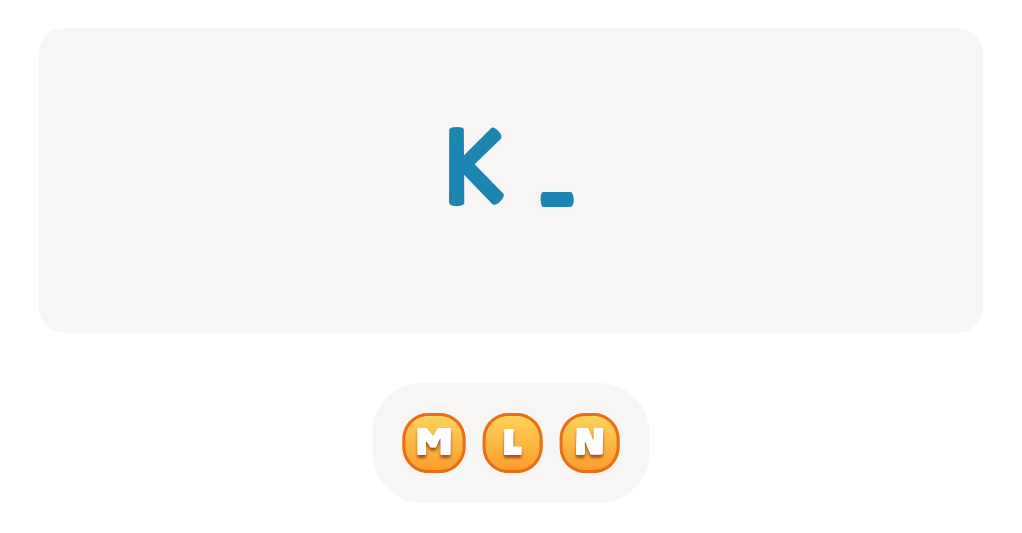

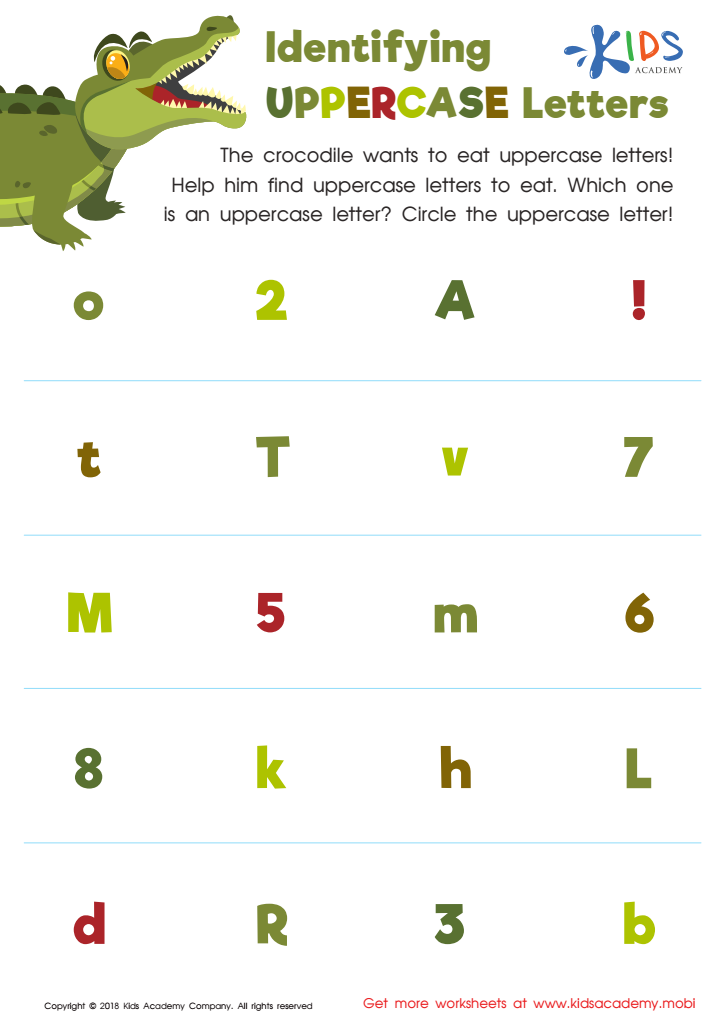
Identifying Uppercase Letters Worksheet
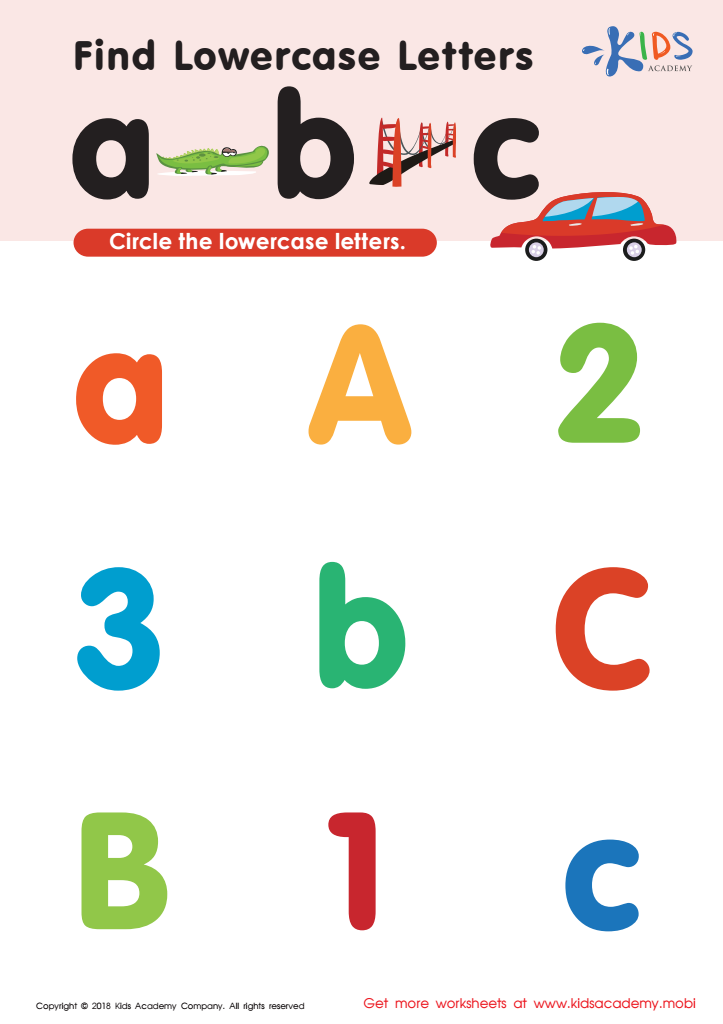
Find lowercase letters a b c Worksheet
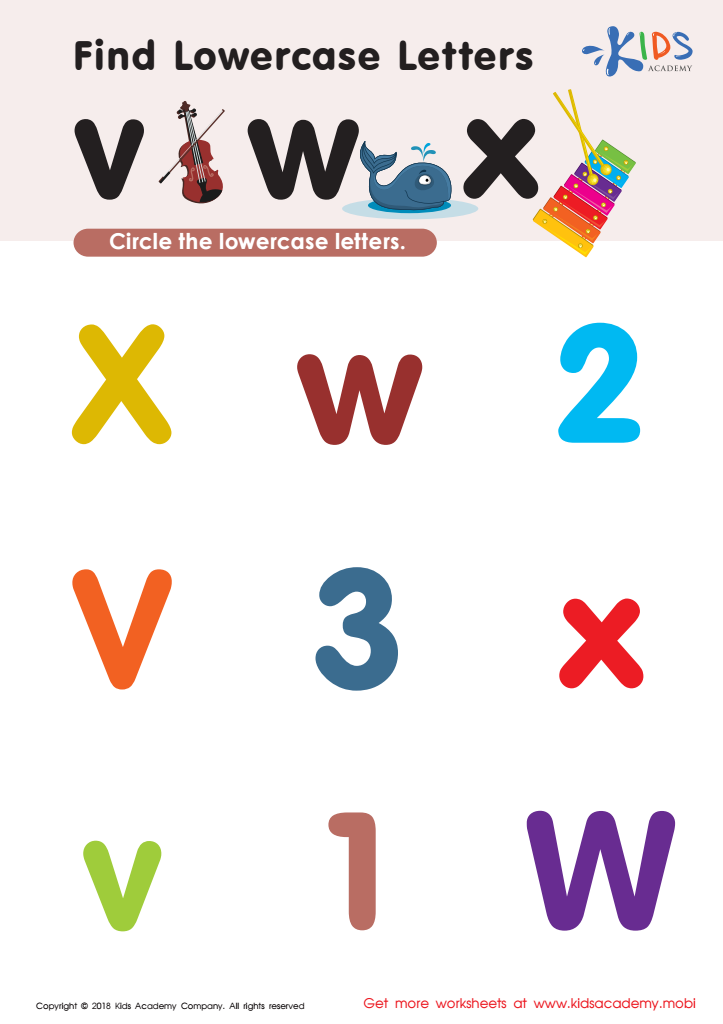
Find Lowercase Letters v w x Worksheet






Visual discrimination skills are critical for 5-year-olds as they serve as the foundation for literacy and learning success. These skills enable children to recognize differences and similarities in letters, which is essential for identifying uppercase and lowercase letters. When children can effectively differentiate between these letters, they improve their reading, writing, and spelling abilities.
For parents and teachers, fostering visual discrimination skills can significantly impact a child's confidence and academic progress. Early identification of letters contributes to a child's ability to decode words, making it easier for them to engage with texts. This not only supports literacy but also encourages a love for reading—a crucial component of lifelong learning.
Additionally, visual discrimination contributes to better handwriting. When a child can discern various letter shapes, they are more likely to form letters correctly, enhancing their overall communication skills.
By focusing on developing these skills, parents and teachers can create a solid educational foundation that promotes independence, critical thinking, and effective learning strategies. Ultimately, strong visual discrimination abilities not only support literacy development but also cultivate a child's overall cognitive growth, giving them the tools they need for future academic challenges.







