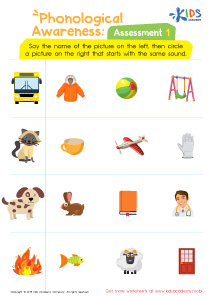
Spelling practice Normal Vowels Worksheets for 5-Year-Olds
3 filtered results
-
From - To
Boost your child's spelling skills with our engaging Normal Vowels Worksheets designed specifically for 5-year-olds! These fun and interactive worksheets focus on teaching young learners how to recognize, understand, and spell normal vowel sounds. Each worksheet includes colorful images and simple activities that capture your child's attention while reinforcing phonics concepts. Perfect for home or school use, these resources help develop early literacy skills through hands-on practice. Encourage a love for reading and writing as your child explores the magic of vowels. Download and start your exciting spelling journey today – learning has never been this enjoyable!
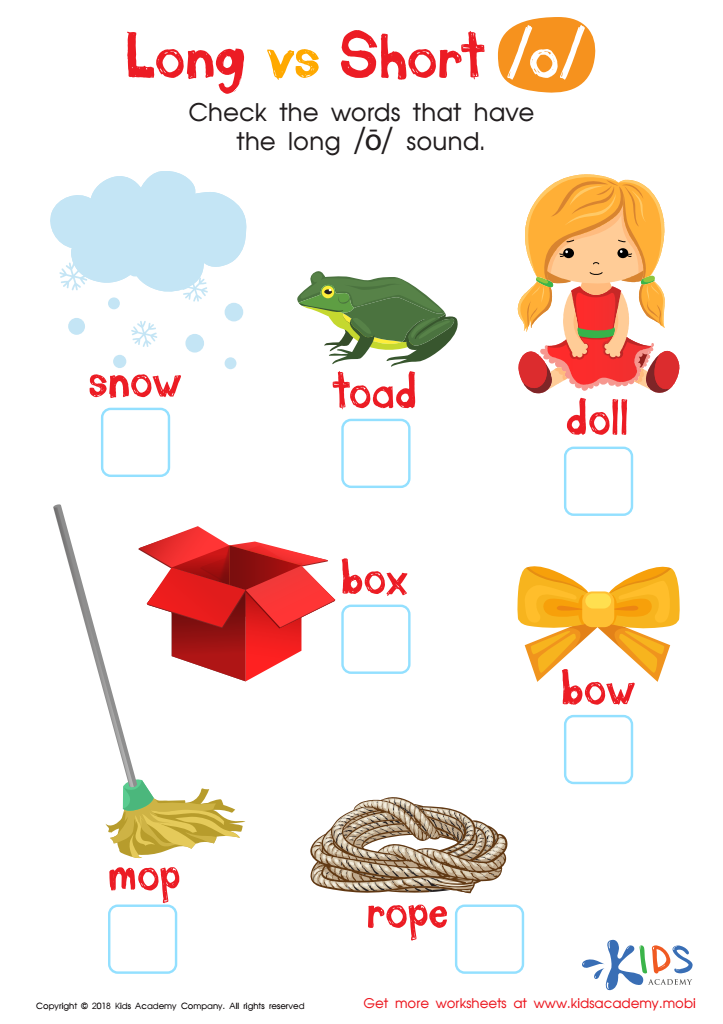
Long vs Short O Reading Worksheet
 Assign to My Students
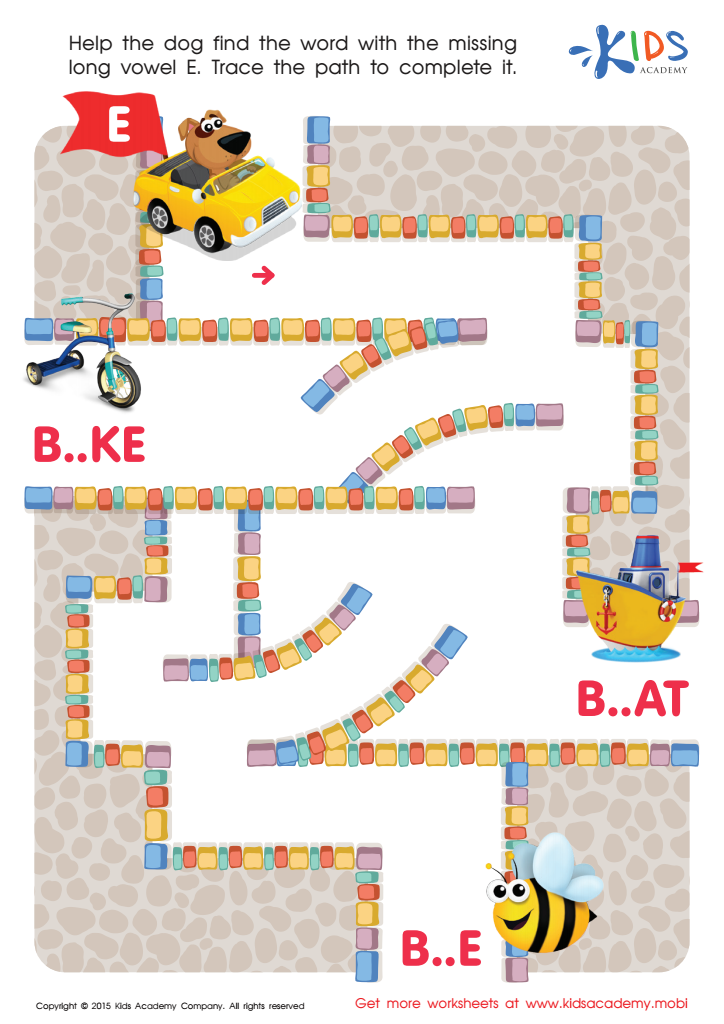
Long Vowel Sound E Worksheet
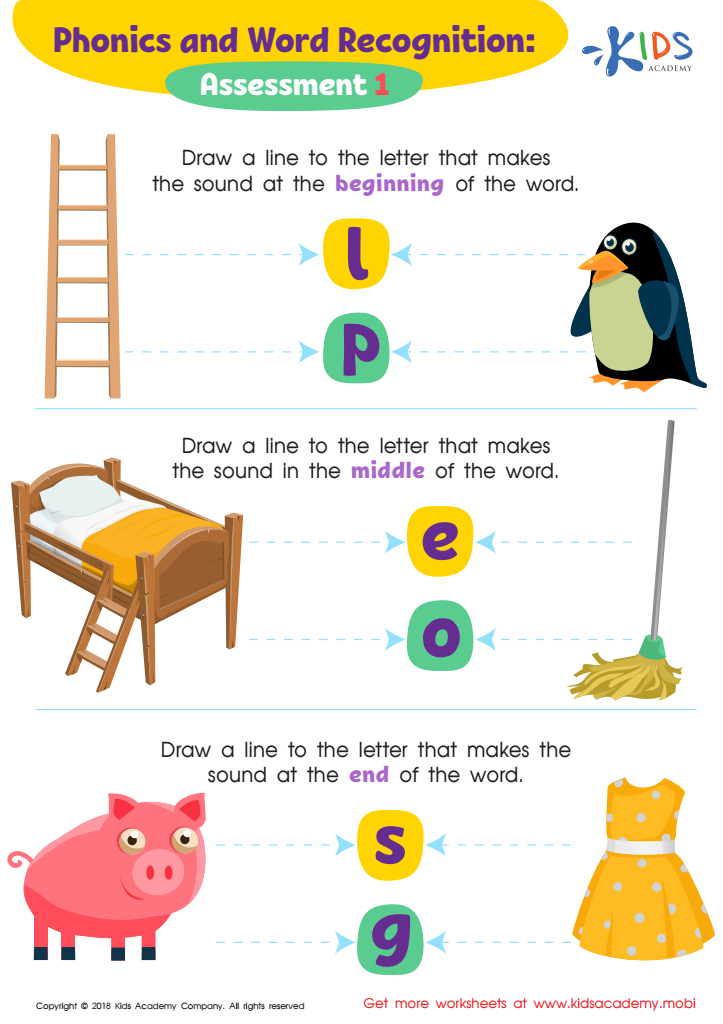
Phonics and Word Recognition: Assessment 1 ELA Worksheet





Spelling practice, particularly focusing on normal vowels, is crucial for 5-year-olds as it lays a solid foundation for literacy development. At this early stage, children are becoming familiar with letters, sounds, and the basic structure of words. Learning to recognize and spell words with normal vowels (like "a," "e," "i," "o," and "u") enhances their phonemic awareness, enabling them to decode unfamiliar words, which is crucial for reading fluency.
When parents and teachers emphasize spelling practice with normal vowels, they are not just teaching mechanics; they are encouraging critical thinking and problem-solving skills. Children become more confident in their ability to express themselves through writing. As they master these basic spelling skills, they build a richer vocabulary and improve their comprehension.
Moreover, consistent spelling practice helps children develop a positive attitude towards learning. When they experience success in spelling, it boosts their self-esteem and motivates them to explore more complex language concepts. Engaging in fun and interactive spelling activities can make learning enjoyable, fostering a lifelong love for words. Ultimately, focusing on normal vowels in spelling practice equips young learners with essential tools for academic success and effective communication in the future.