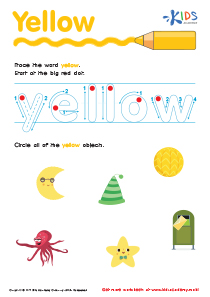
Handwriting practice Normal English for Beginners Worksheets for 5-Year-Olds - Page 2
26 filtered results
-
From - To
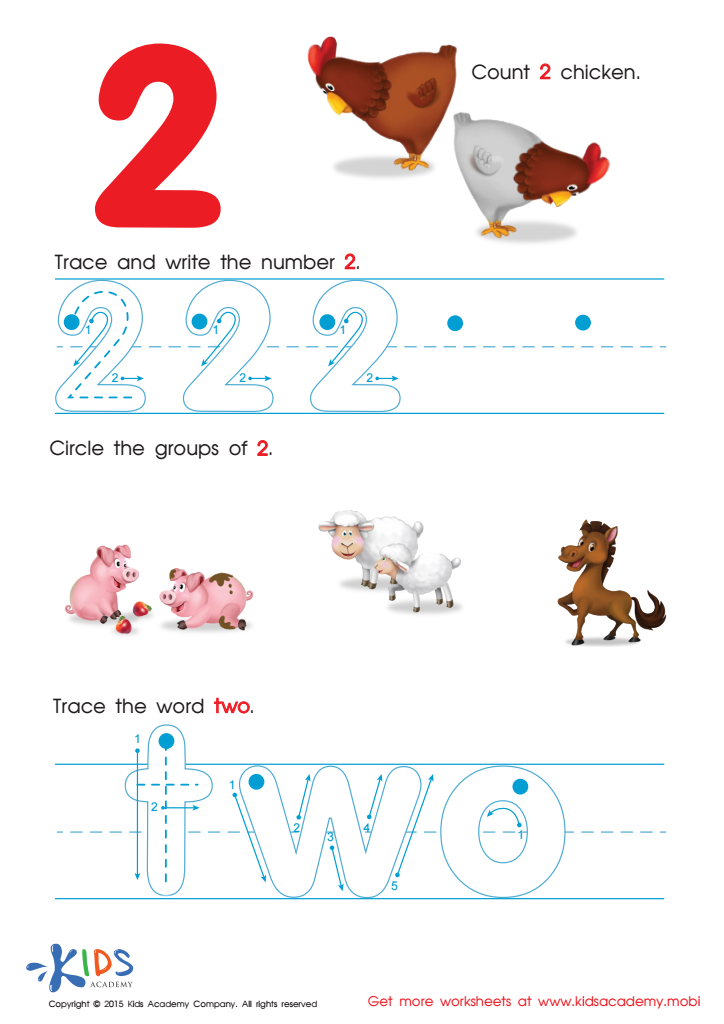
Learn to Write the Number 2 Worksheet
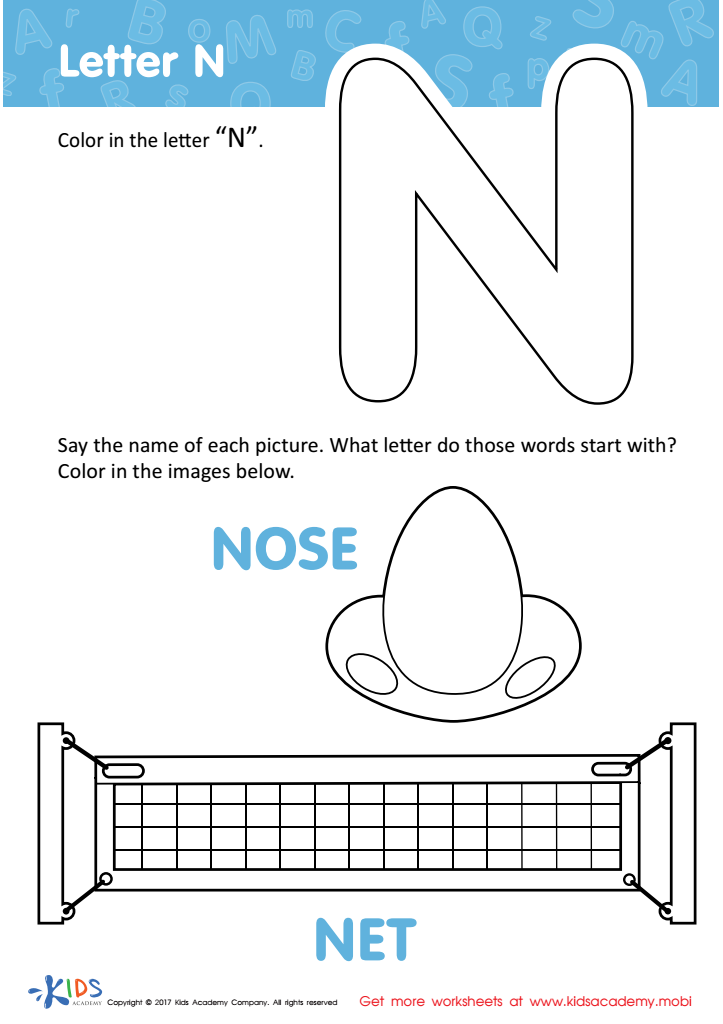
Letter N Coloring Sheet
 Assign to My Students





Handwriting practice is essential for 5-year-olds as it develops fine motor skills and enhances cognitive development. At this early age, children are still honing their coordination and grip control, making handwriting practice a crucial activity that strengthens these abilities. Regular writing practice helps children learn how to form letters correctly, which can lead to better spelling and reading skills as they progress in their education.
Moreover, handwriting provides a foundation for effective communication. As children express their thoughts and ideas through writing, they gain confidence and assertiveness. This skill is not just about being able to write neatly; it reflects their ability to communicate in the future.
Additionally, handwriting practice promotes concentration and focus, essential skills for learning. It allows children to engage in a task and see the rewards of their hard work as they improve over time. Moreover, a consistent handwriting practice can support children with learning disabilities by providing them with structured opportunities to practice and excel in their skills.
In summary, parents and teachers should prioritize handwriting practice for young children not only to bolster their writing abilities but also to support their overall development, ensuring they build a foundation for success in later learning stages.