Hand-eye Coordination Normal Worksheets for 5-Year-Olds - Page 2
26 filtered results
-
From - To

Long and Short E Worksheet
 Assign to My Students

Letter D Tracing Page



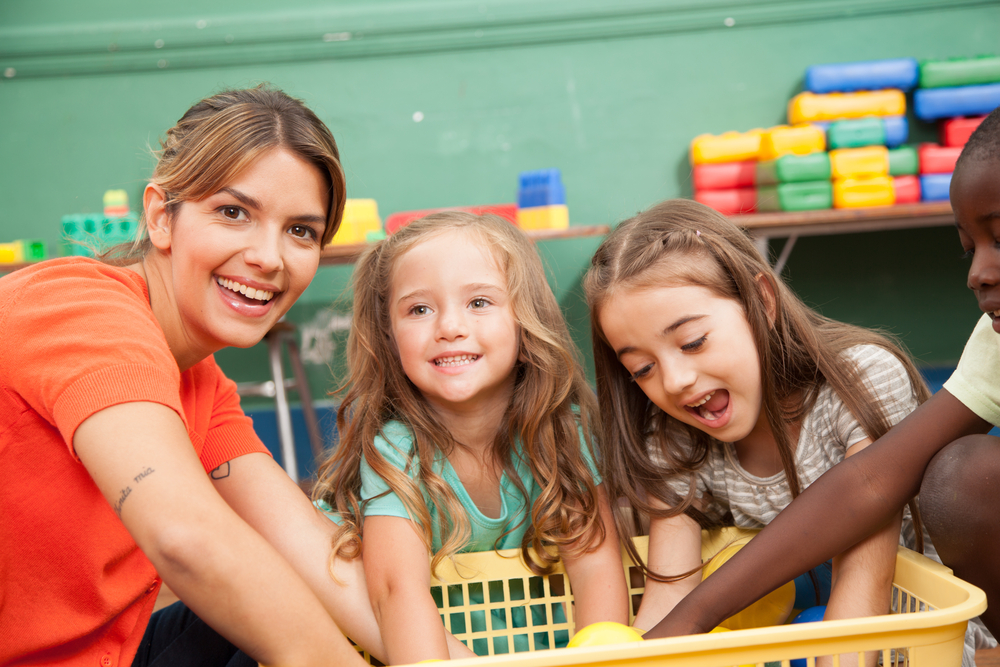


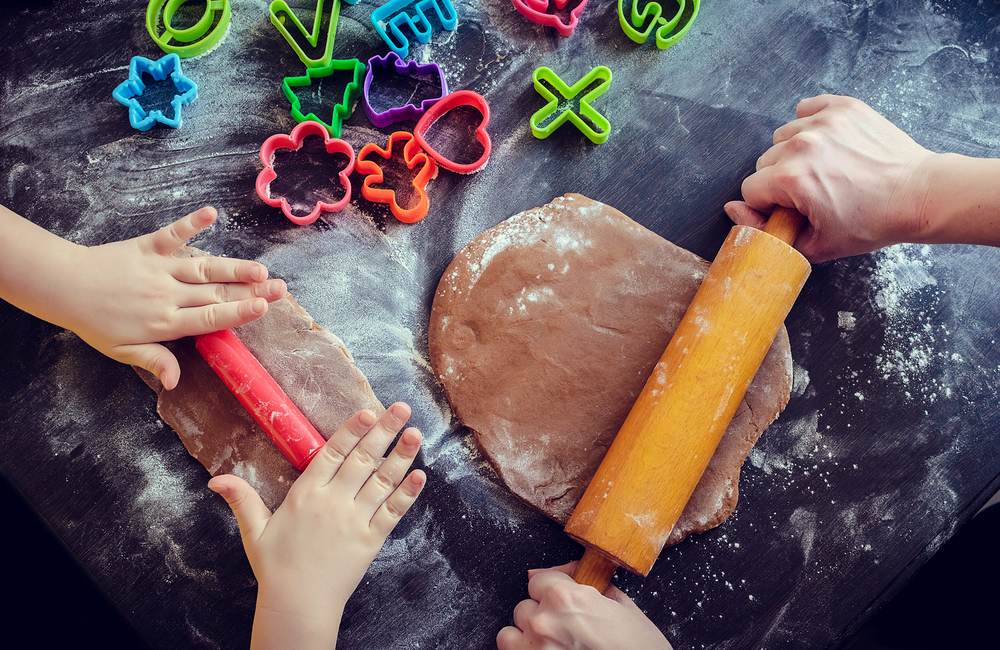
Hand-eye coordination is crucial for the overall development of 5-year-olds, making it vital that both parents and teachers pay attention to this skill. It is fundamental for performing everyday tasks such as dressing, eating, and playing. Mastery of hand-eye coordination also influences academic success. For example, when children develop these skills, they become more capable of holding pencils properly, which directly affects their handwriting and ability to draw shapes, letters, or numbers accurately.
Moreover, hand-eye coordination is key in physical activities, contributing to a child's ability to catch a ball, ride a bike, or build with blocks. This aspect of development aids in improving physical fitness, spatial awareness, and encourages active participation in play, enhancing social interaction with peers.
Neglecting to support a child's hand-eye coordination skills can lead to frustration and low self-esteem, as they may struggle with tasks their peers find manageable. Therefore, incorporating activities such as playing catch, doing puzzles, or engaging in art and craft projects helps foster these skills.
By prioritizing the development of hand-eye coordination, parents and teachers not only support a child's immediate capabilities but also lay a strong foundation for future learning and physical activities, contributing to well-rounded development.








