Sound recognition Normal Worksheets for 5-Year-Olds
5 filtered results
-
From - To
Sound Recognition Normal Worksheets for 5-Year-Olds are expertly designed to boost your child's auditory skills and phonemic awareness. These engaging activities make identifying and differentiating between various sounds easy and fun. Packed with interactive exercises, the worksheets feature stimulating visuals and captivating sounds to keep young learners motivated. Perfect for enhancing early reading skills, they support children in mastering letter sounds, understanding syllables, and building a strong foundation for future literacy success. Ideal for home or classroom use, these worksheets ensure a joyful learning experience while reinforcing crucial auditory recognition abilities. Unlock your child's potential today with these exciting resources!
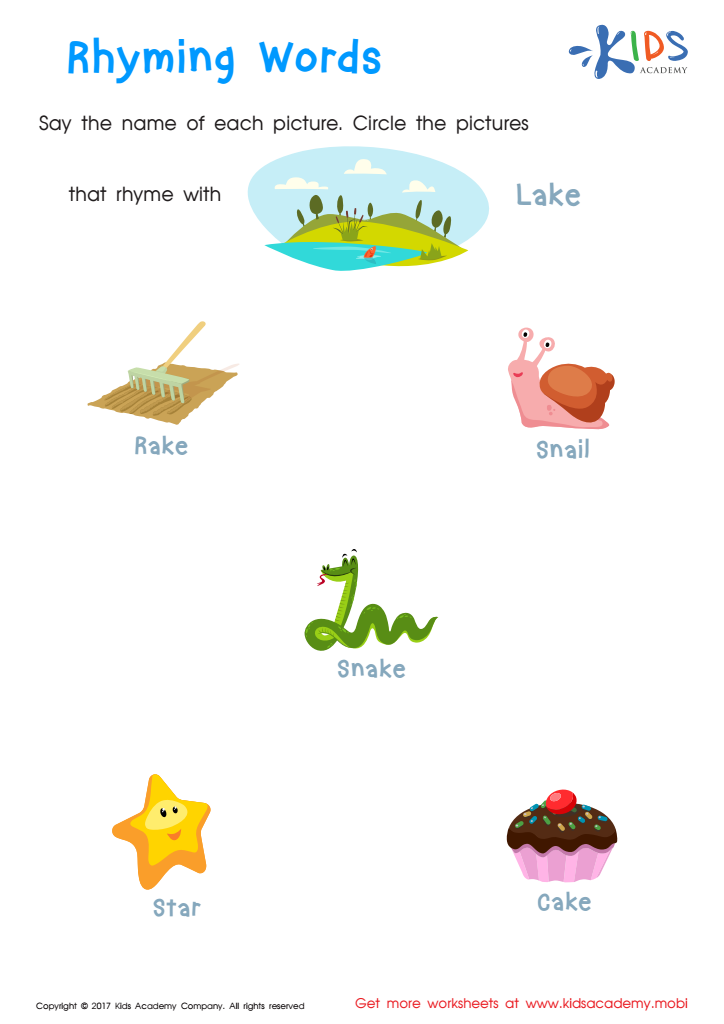
Rhyming Words Rhyming Worksheet
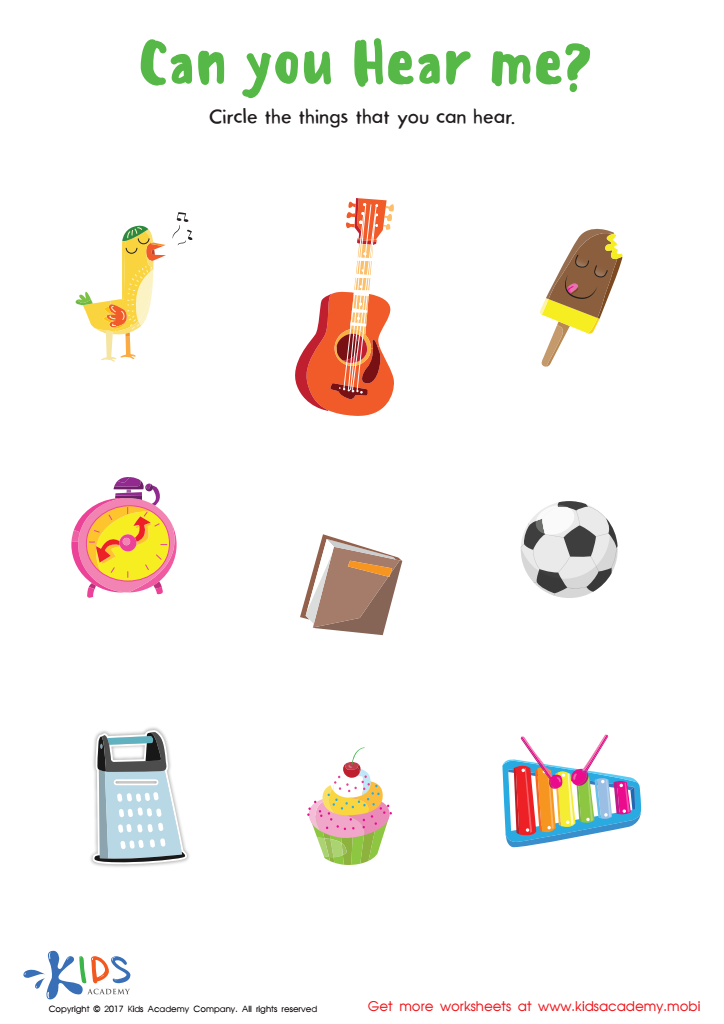
Can You Hear Me Worksheet

Long and Short U Worksheet
 Assign to My Students
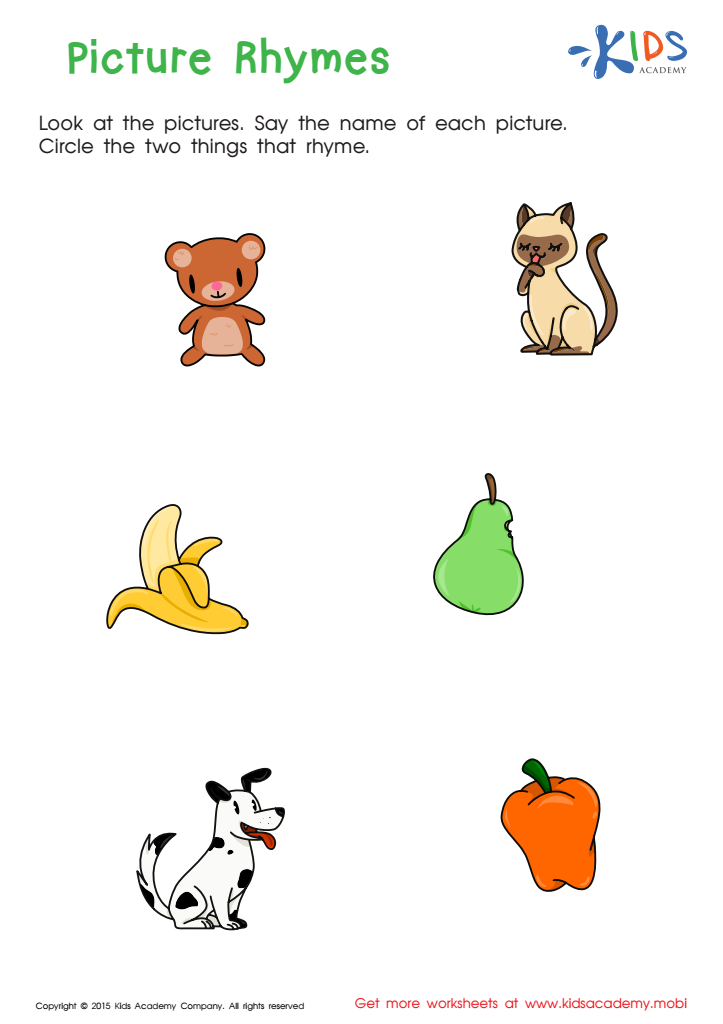
First Words: Picture Rhymes Worksheet
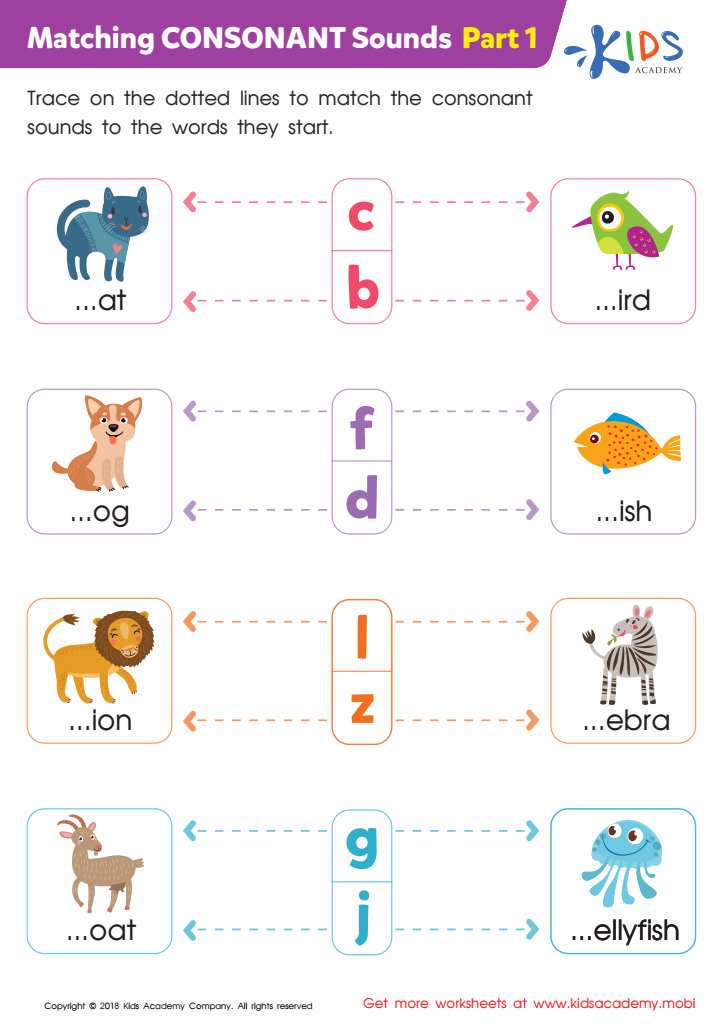
Matching Consonant Sounds: Part 1 Worksheet






.jpg)

Sound recognition is a fundamental skill essential for children's early cognitive, language, and social development. For 5-year-olds, the ability to recognize sounds plays a crucial role in their reading and communication abilities. Parents and teachers should care about sound recognition because it forms the cornerstone of phonemic awareness, where children learn to distinguish individual sounds within words. This awareness is directly linked to their ability to decode words, enhancing early reading skills that are predictive of future academic success.
Furthermore, sound recognition aids vocabulary development. As children distinguish and identify different sounds, they become better equipped to learn new words, pronounce them correctly, and understand their meanings within context. This capability also boosts verbal communication skills, fostering clearer and more effective expression of thoughts and emotions.
On a social level, advanced sound recognition supports better listening skills, benefiting peer interactions and classroom engagement. Young children with sharp sound discrimination can follow instructions more accurately, participate in group activities effectively, and form stronger friendships thanks to enhanced conversational abilities.
Overall, nurturing sound recognition in 5-year-olds lays a vital foundation for their educational journey and social integration. Ensuring this development equips children with the tools necessary for lifelong learning and interpersonal success.








