Reading comprehension Normal 2D Shapes Worksheets for 5-Year-Olds
4 filtered results
-
From - To
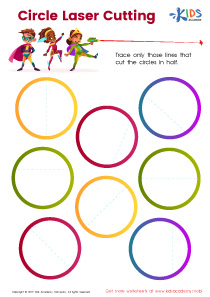
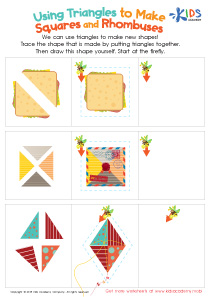
Discover our engaging Reading Comprehension Normal 2D Shapes Worksheets designed for 5-year-olds! These worksheets are perfect for young learners, combining fun with essential skills in early math. Each worksheet features colorful illustrations of basic 2D shapes like circles, squares, and triangles, alongside simple reading passages and questions. Children will enhance their vocabulary and understanding of shapes while practicing critical reading comprehension skills. Ideal for preschool and kindergarten settings, these worksheets provide a delightful way for kids to strengthen their cognitive abilities, prepare for future learning, and develop a love for reading and math through interactive and enjoyable activities.
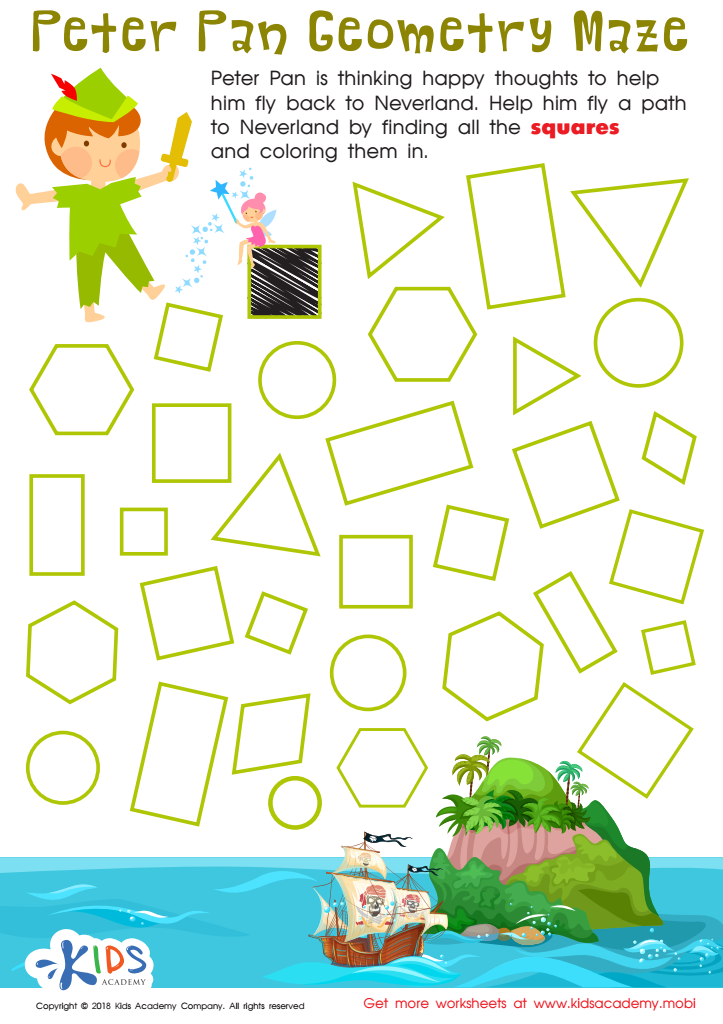
Peter Pan Worksheet
 Assign to My Students

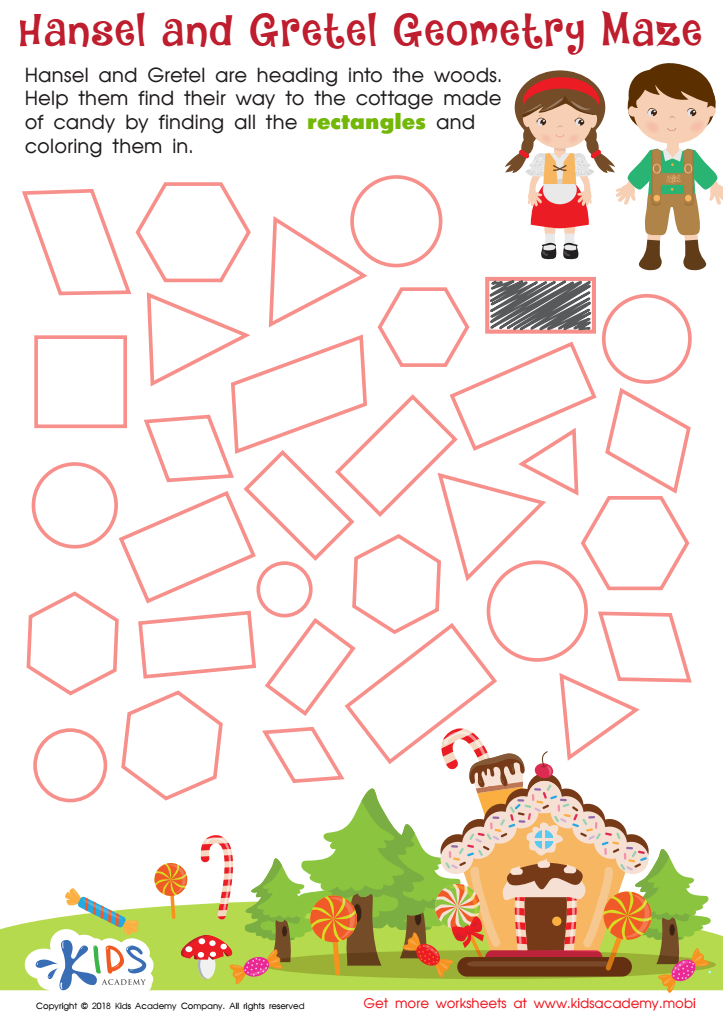
Hansel and Gretel Geometry Maze Worksheet
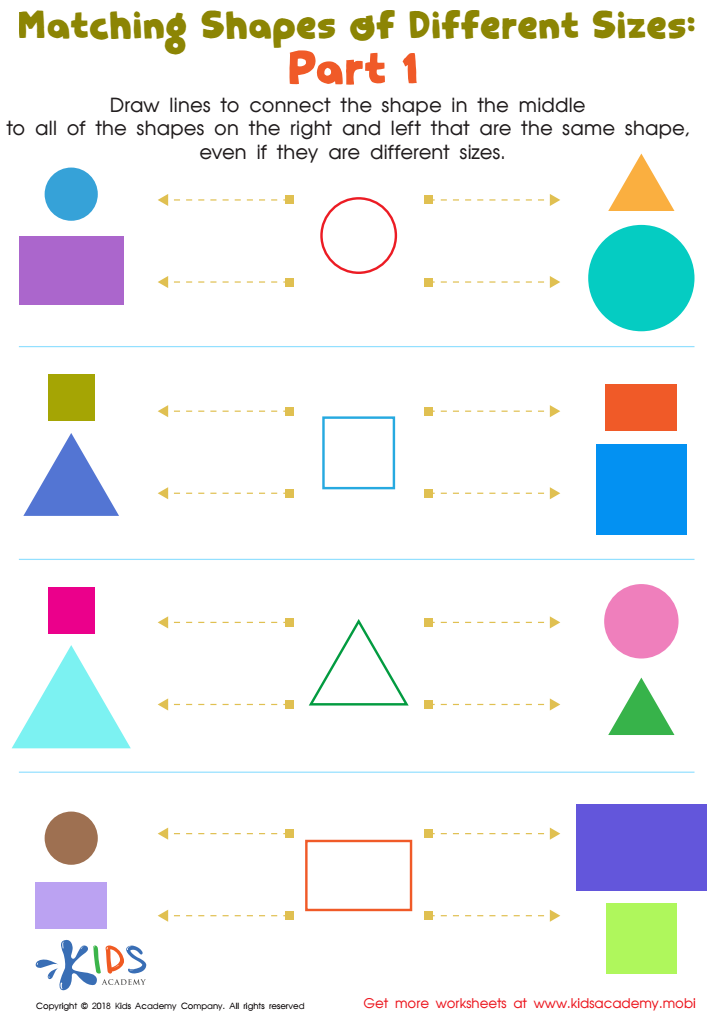
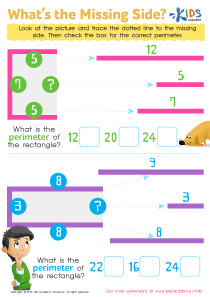
Geometry: part 1 Worksheet
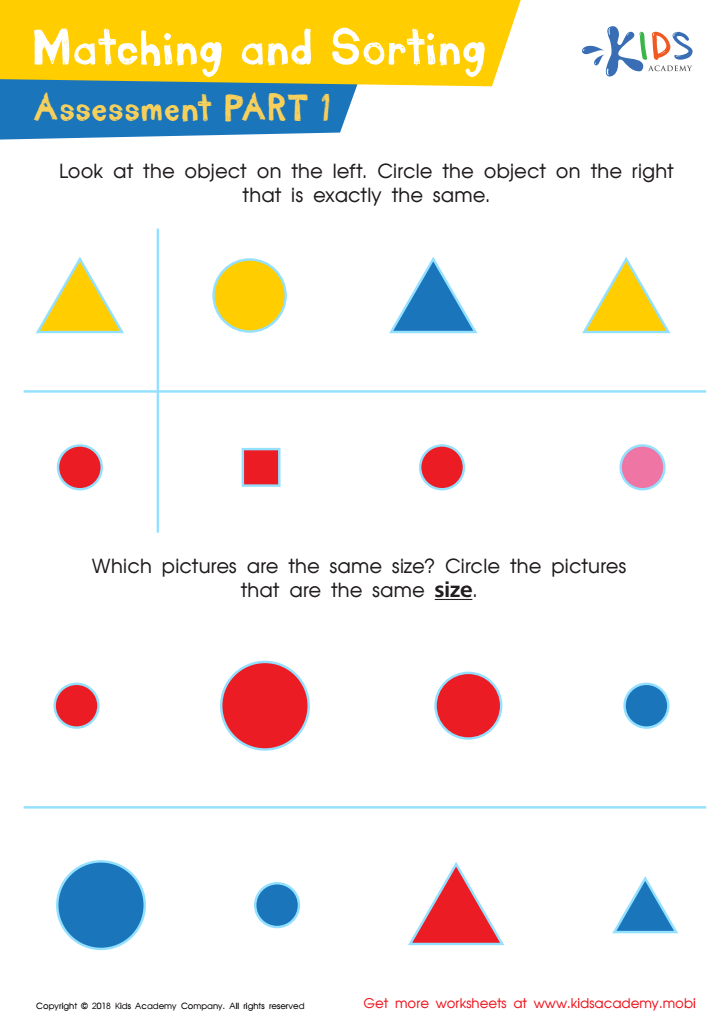
Matching and Sorting for Kindergarten: Assessment 1 Worksheet








Parents and teachers should prioritize reading comprehension and an understanding of normal 2D shapes for 5-year-olds because these foundational skills are essential for early childhood development. Reading comprehension fosters critical thinking and the ability to process and understand information, which sets the stage for future learning in all subjects. When children understand stories, they’re more likely to engage with texts and develop a love for reading, leading to improved communication and vocabulary skills.
Additionally, recognizing normal 2D shapes—like circles, squares, and triangles—supports a child's ability to identify patterns, categorize objects, and develop spatial awareness. This understanding is vital, as it lays the groundwork for later mathematical concepts, such as geometry and measurement. When children can robustly associate shapes with stories and contexts—through picture books or educational games—they enhance their ability to conceptualize and make connections between different domains of knowledge.
By integrating reading comprehension and shape recognition in the curriculum, parents and teachers help children thrive academically and socially. Engaging young learners in these skills fosters curiosity and instills a solid foundation for lifelong learning, ensuring they are better equipped for future educational challenges.