Counting skills Normal Counting Worksheets for 5-Year-Olds
6 filtered results
-
From - To
Develop your child's counting skills with our "Counting Skills Normal Counting Worksheets for 5-Year-Olds" at Kids Academy. Our expertly designed worksheets offer engaging and age-appropriate exercises to help young learners master basic counting. Perfectly suited for preschool and kindergarten children, these worksheets encourage number recognition, counting objects, and understanding sequences through fun activities and colorful illustrations. Whether used at home or in the classroom, these resources provide a strong foundation in mathematics, promoting both confidence and competence. Visit Kids Academy to access these valuable counting worksheets and support your child's early math development.
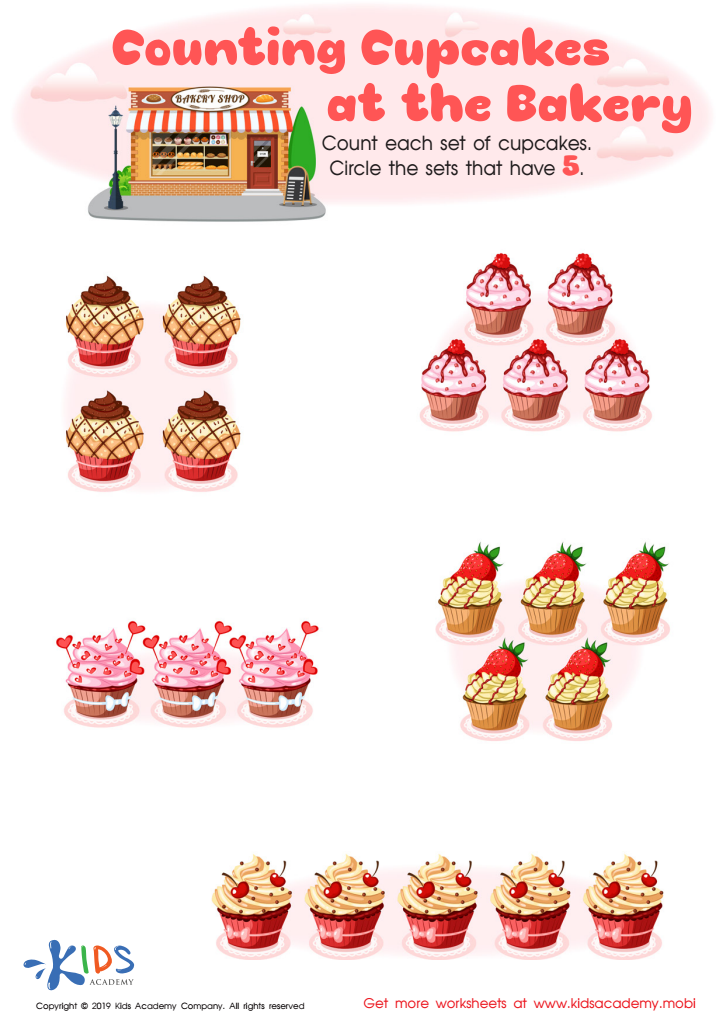
Counting Cupcakes Worksheet
 Assign to My Students


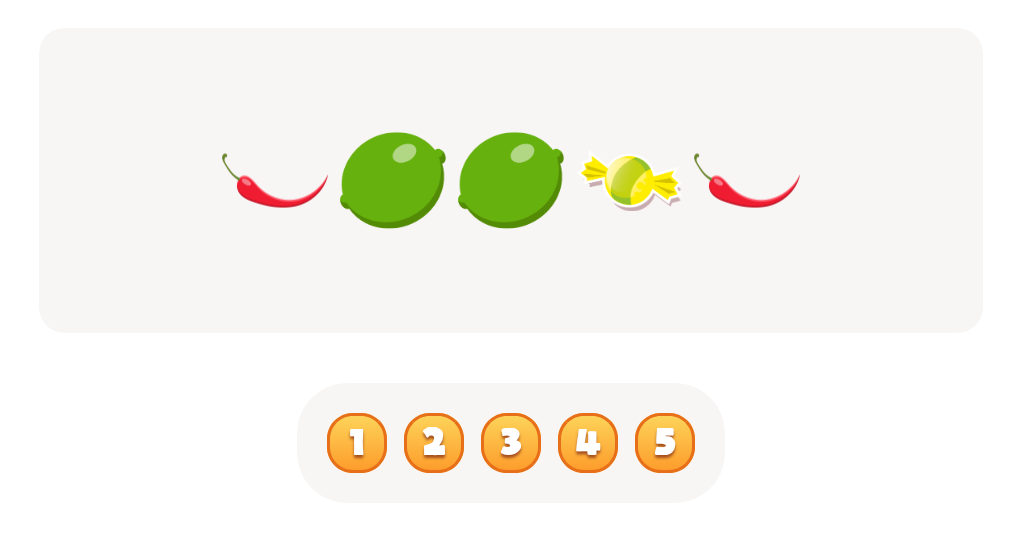
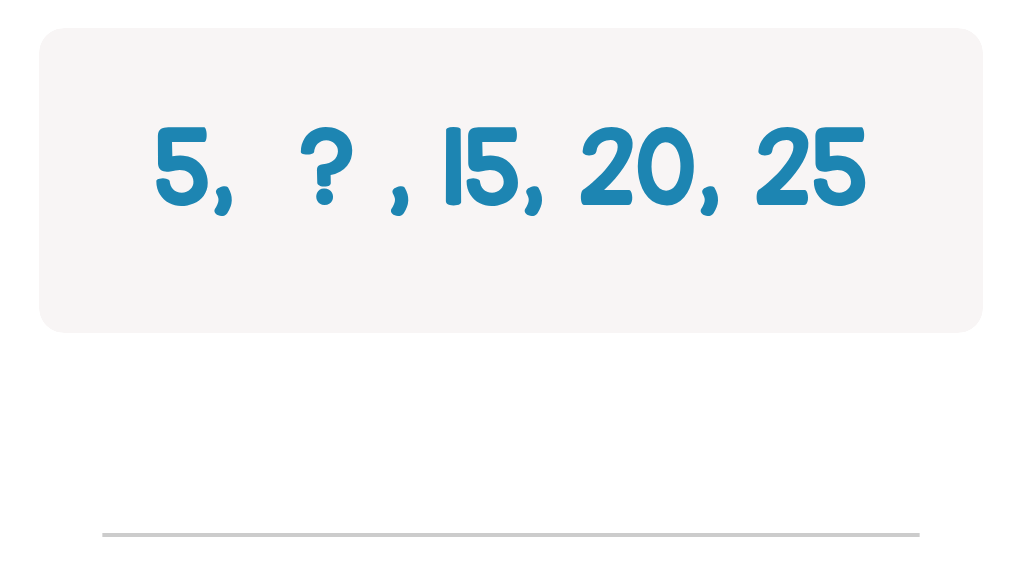
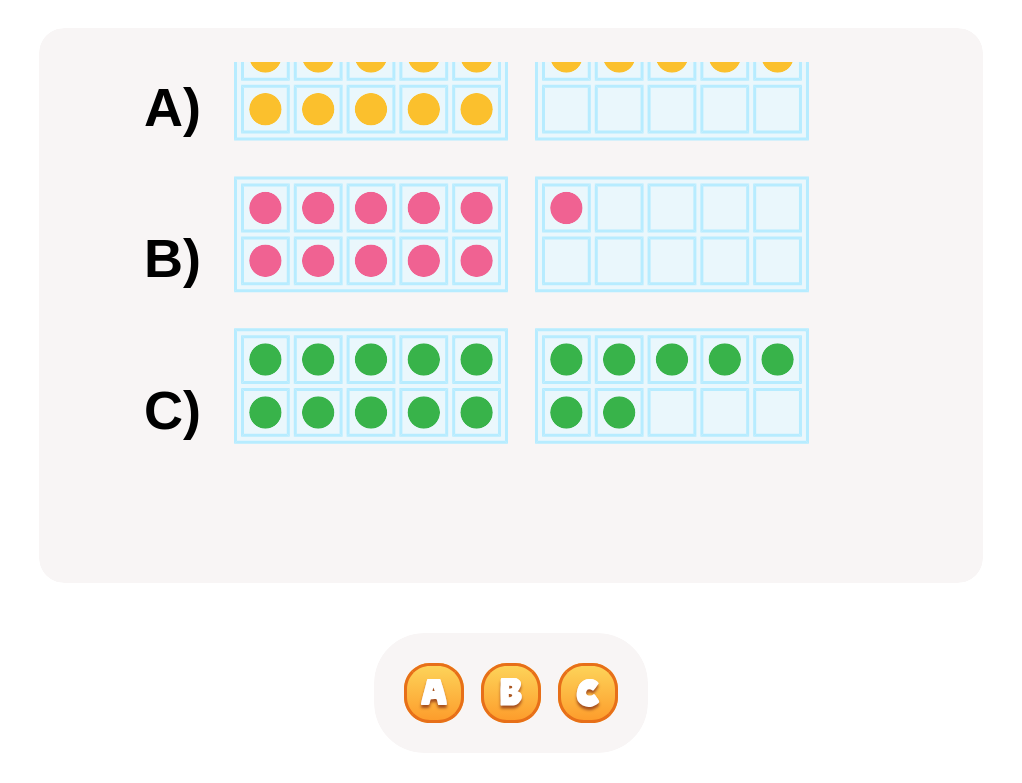
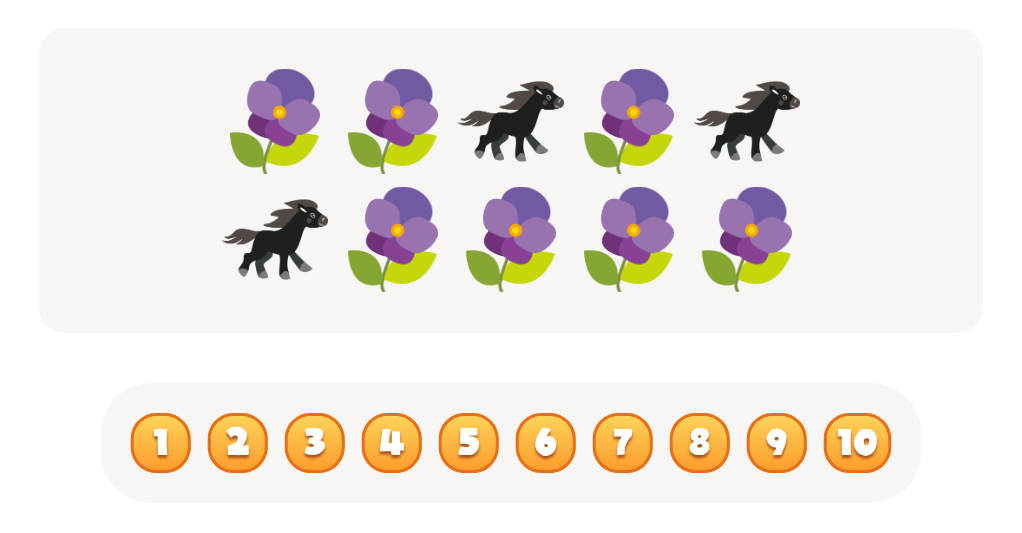
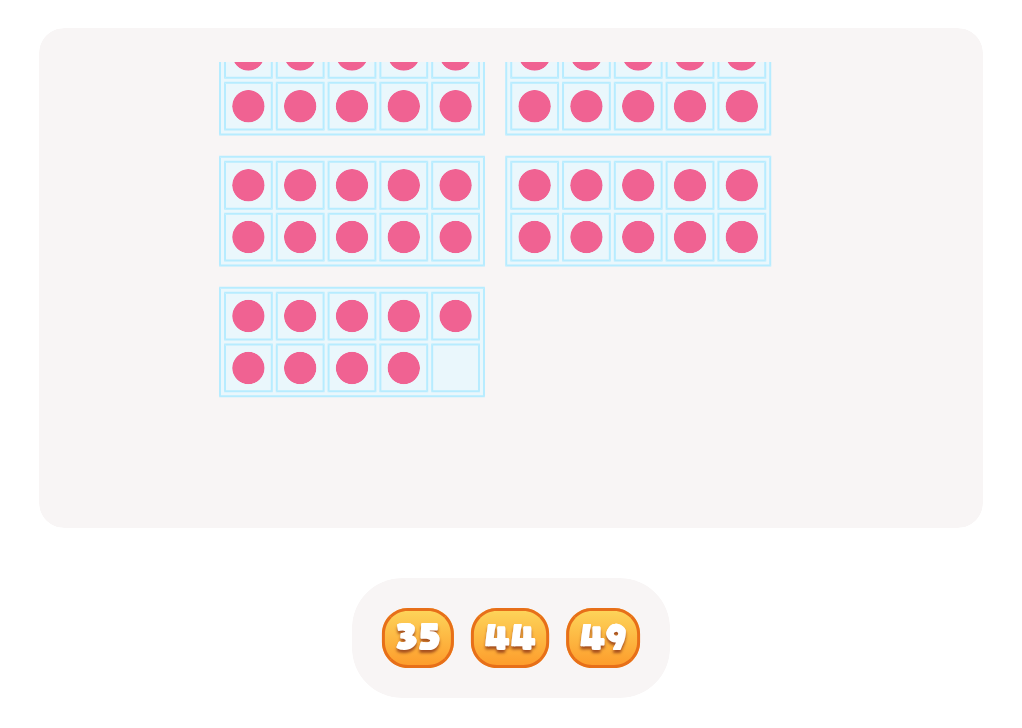
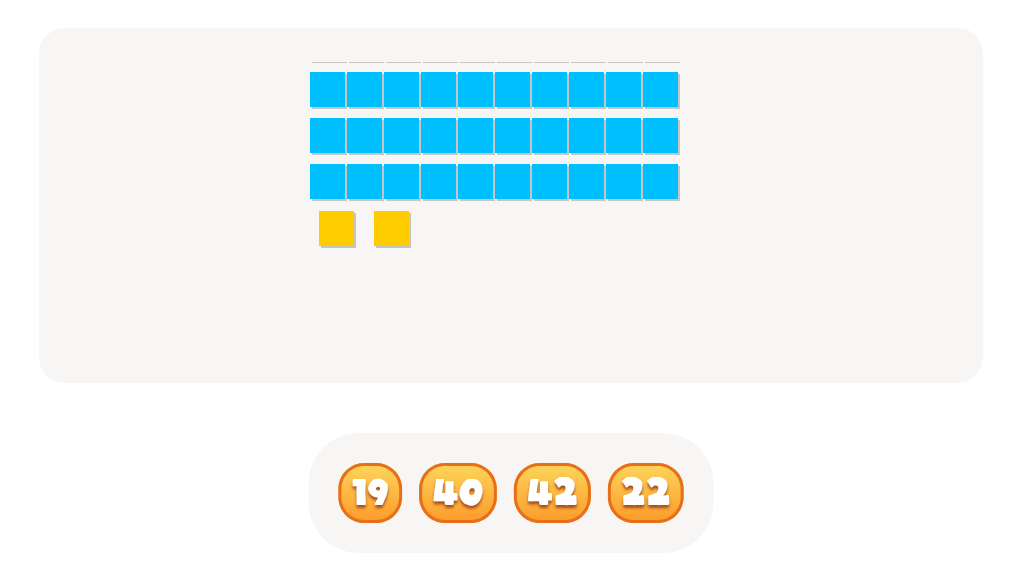
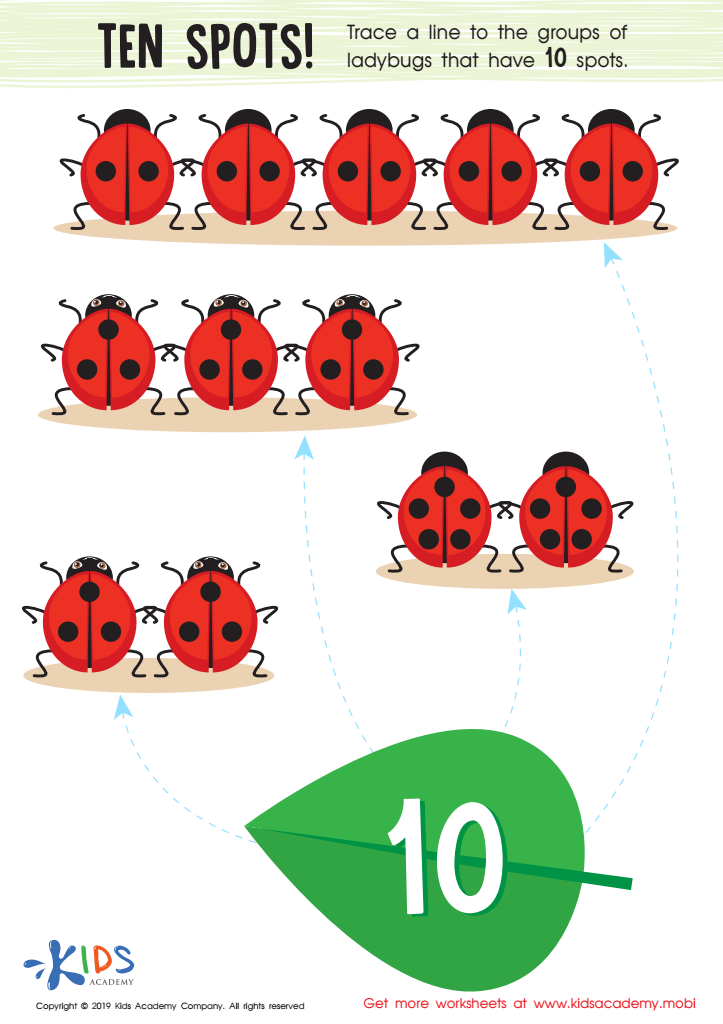
Ten Spots Worksheet
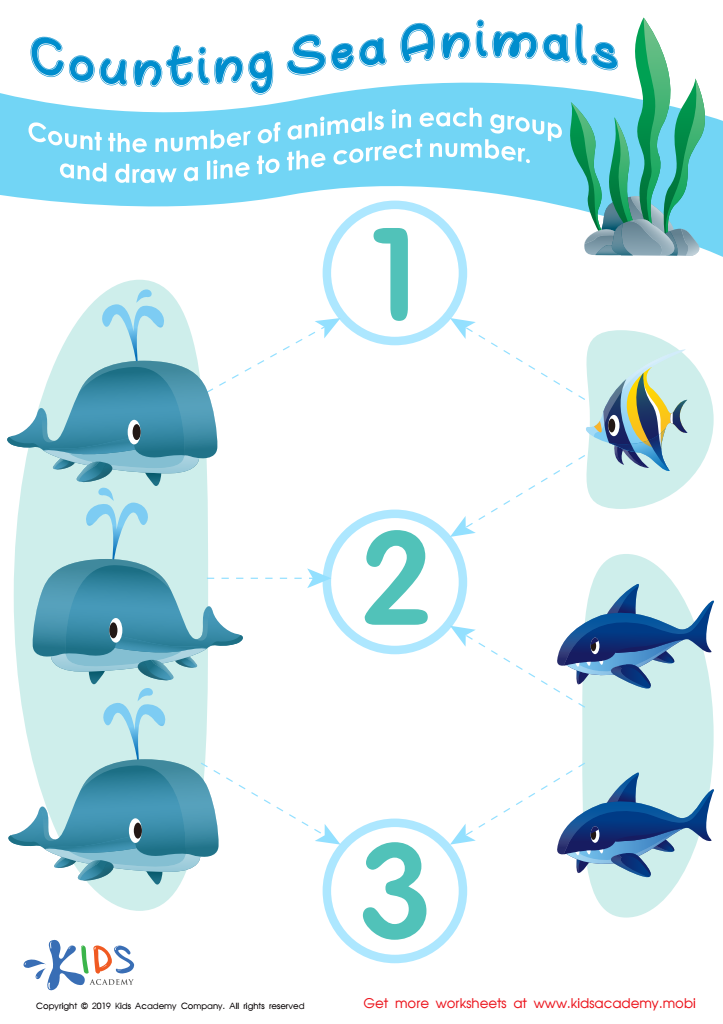
Counting Sea Animals Worksheet
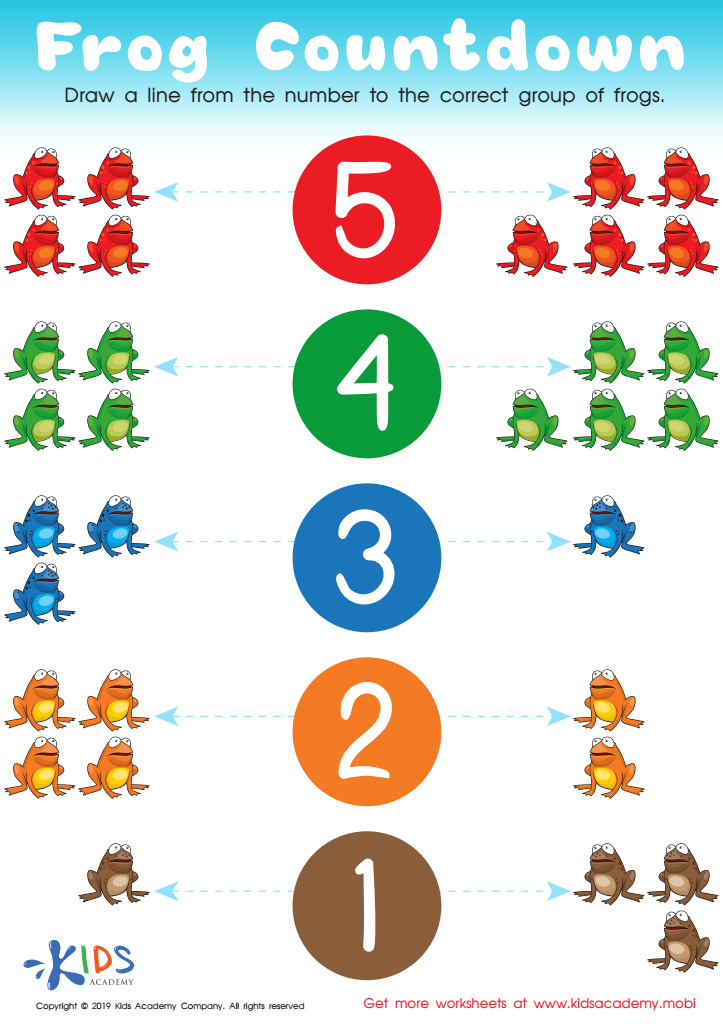
Frog Countdown Worksheet
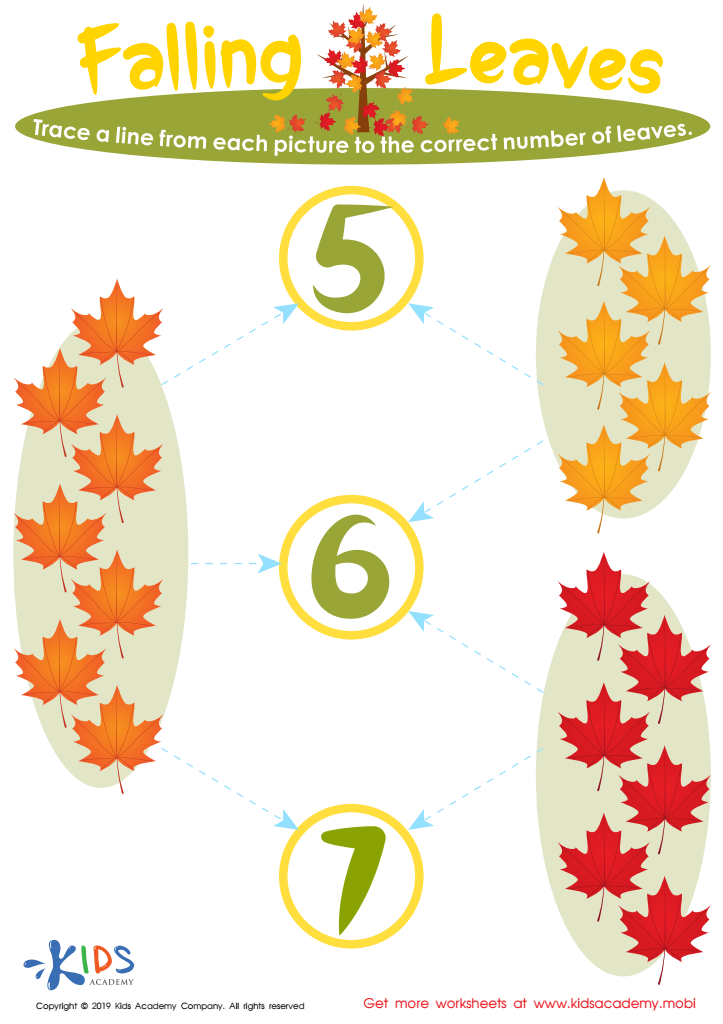
Falling Leaves Worksheet
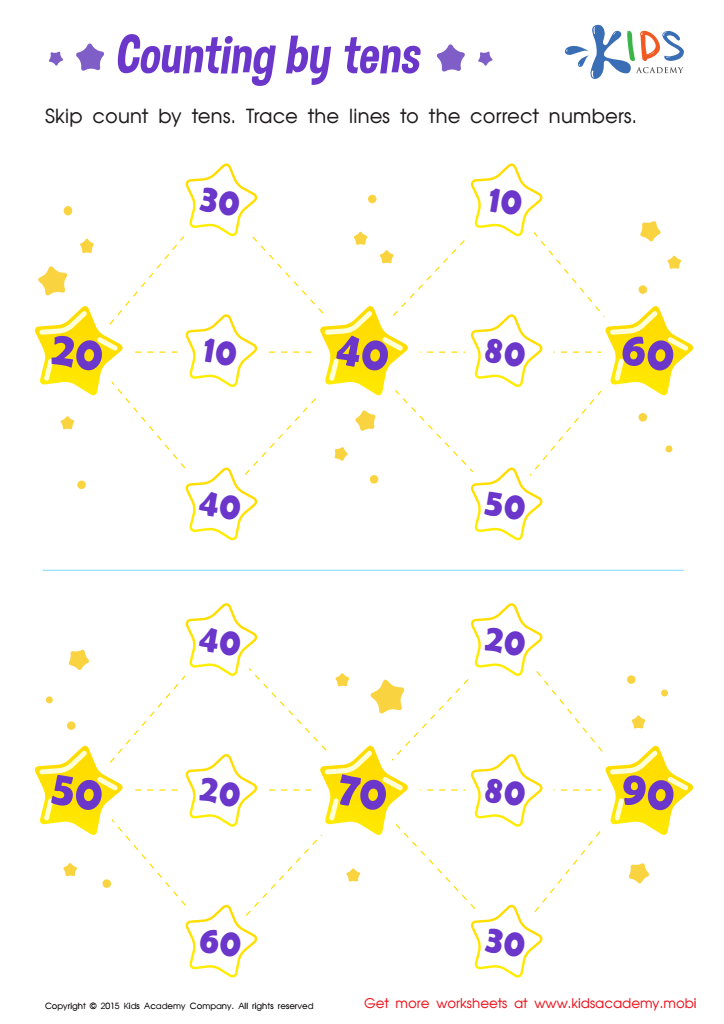
Learn Dozens: Counting by Tens Printable




%20(1).jpg)



Counting skills are foundational in early childhood education, making it crucial for parents and teachers to pay close attention to their development. By age five, a child's ability to count properly signifies important strides in cognitive and numeracy development. Understanding numbers and counting is not just about reciting numbers in order; it entails recognizing quantities, which is essential for higher mathematical concepts like addition and subtraction.
Normal counting skills help children grasp other vital skills such as problem-solving, logical thinking, and time management. These skills are not only essential for mathematics but are transferable to other subjects and everyday life scenarios. Furthermore, when children comfortably navigate numbers, this often boosts their confidence and fosters a positive attitude towards learning overall.
Paying attention to counting skills at an early stage can also help in identifying any developmental delays or learning disabilities. Early detection allows for timely intervention, ensuring that all children have the support they need to succeed academically and socially.
Lastly, engaging children in counting activities can be a joyful, bonding experience that nurtures a love for learning. This dynamic approach contributes to overall emotional and social development, promoting collaboration, patience, and attention to detail. Thus, investing in counting skills is an investment in a child's holistic growth and future educational success.








