Attention to Detail Normal Math Worksheets for 5-Year-Olds
3 filtered results
-
From - To
Aimed at nurturing young minds, our "Attention to Detail Normal Math Worksheets for 5-Year-Olds" blend fun and education seamlessly. Crafted to develop early math skills and meticulous attention, these engaging worksheets offer diverse activities – from number recognition to pattern identification. Perfect for kindergarteners, they foster critical thinking and precision, essential for future academic success. Parents and educators will find these printable resources invaluable for complementing school curriculum or enhancing home learning. Easy to use and visually captivating, our worksheets not only boost mathematical abilities but also instill a love for learning in young children. جعلisto
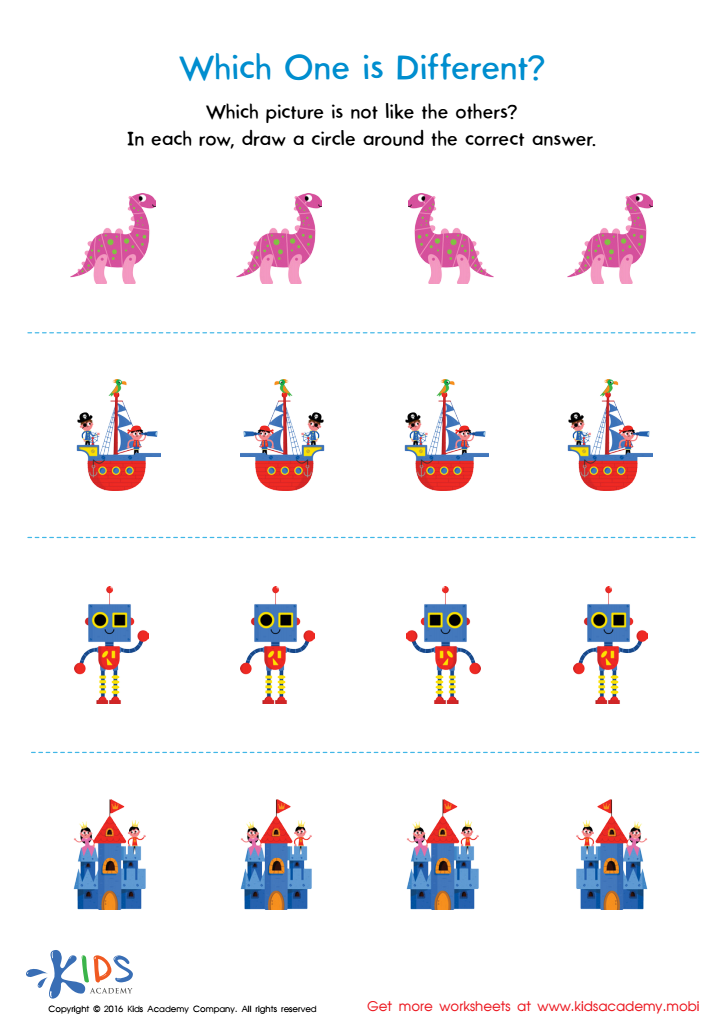
Which One Is Different Worksheet
 Assign to My Students
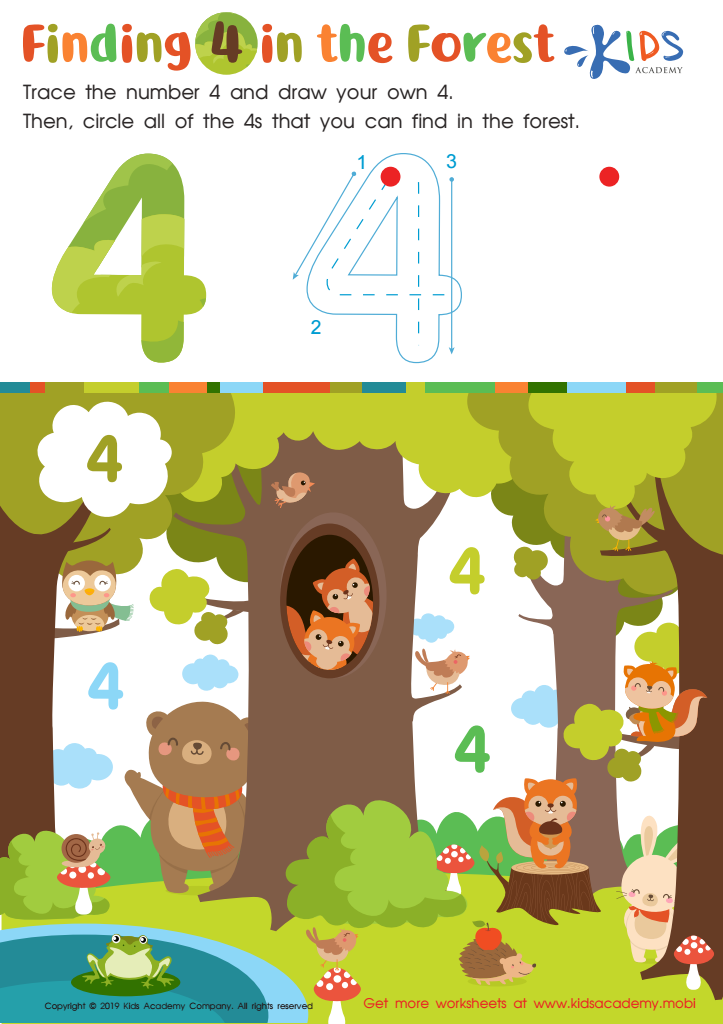
Finding 4 in the Forest Worksheet
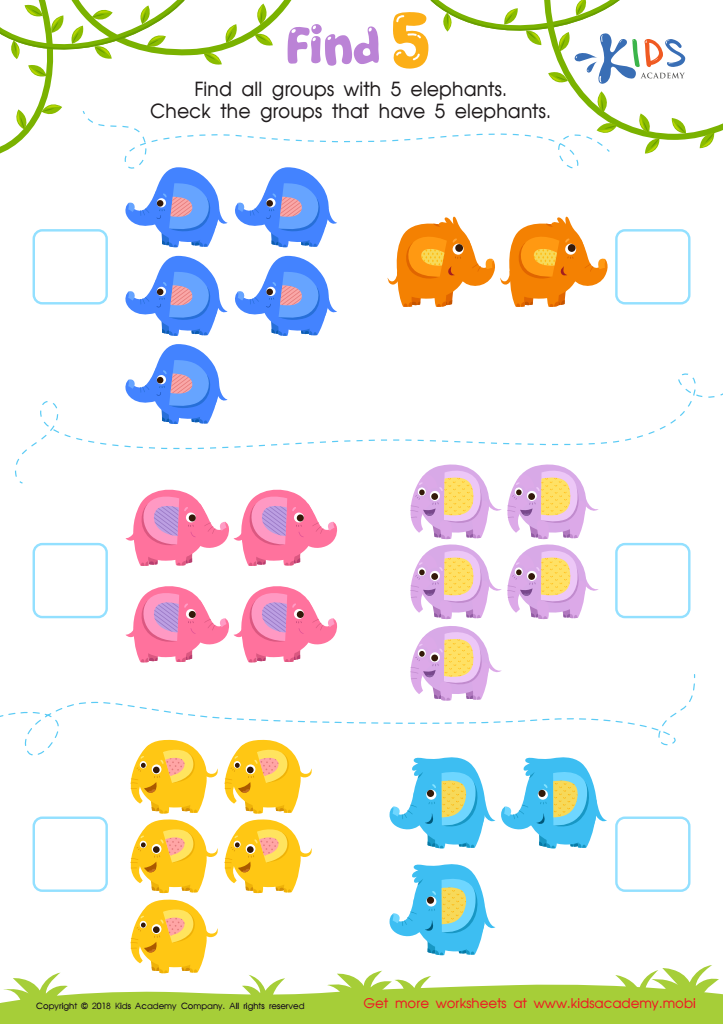
Find 5 Worksheet








Attention to detail in normal math for 5-year-olds is crucial as it lays the foundation for a strong educational journey. Math concepts introduced at this age, like counting, recognizing numbers, and understanding basic shapes, are building blocks for more complex math skills required later. When children pay attention to these details, they not only grasp the immediate concepts better but also develop critical thinking and problem-solving skills.
The quality of attention given to details can also influence a child's confidence in handling math. Consistent practice in noticing the small parts, like counting objects accurately or recognizing patterns, helps children build precision and accuracy. This precision translates to fewer errors and more reliable results in their work as they advance academically.
Moreover, early attention to detail fosters a sense of curiosity and eagerness to learn. When children understand the specifics, they are likely to find learning more engaging and less intimidating. They start seeing math not just as abstract numbers and shapes but as meaningful concepts that can be applied in different situations in real life.
Therefore, parents and teachers should be invested in encouraging attention to detail in math during early childhood to set a solid groundwork for future learning and intellectual development. This vigilance can have long-lasting positive effects on a child’s academic success and overall cognitive skills.








