Problem-Solving Skills Normal Building Vocabulary Worksheets for 5-Year-Olds
4 filtered results
-
From - To
Enhance your child's problem-solving abilities with our engaging vocabulary worksheets designed specifically for 5-year-olds. These printable resources combine critical thinking with language building, helping young learners tackle challenges while enriching their vocabulary. Interactive activities encourage exploration and creativity, making learning fun and effective. Our worksheets focus on everyday scenarios, enabling kids to apply new words and solutions in relatable contexts. Whether they are figuring out puzzles or identifying patterns, these exercises nurture both their cognitive and communication skills. Spark a love for learning and set the foundation for future academic success with our thoughtfully crafted problem-solving skills worksheets today!
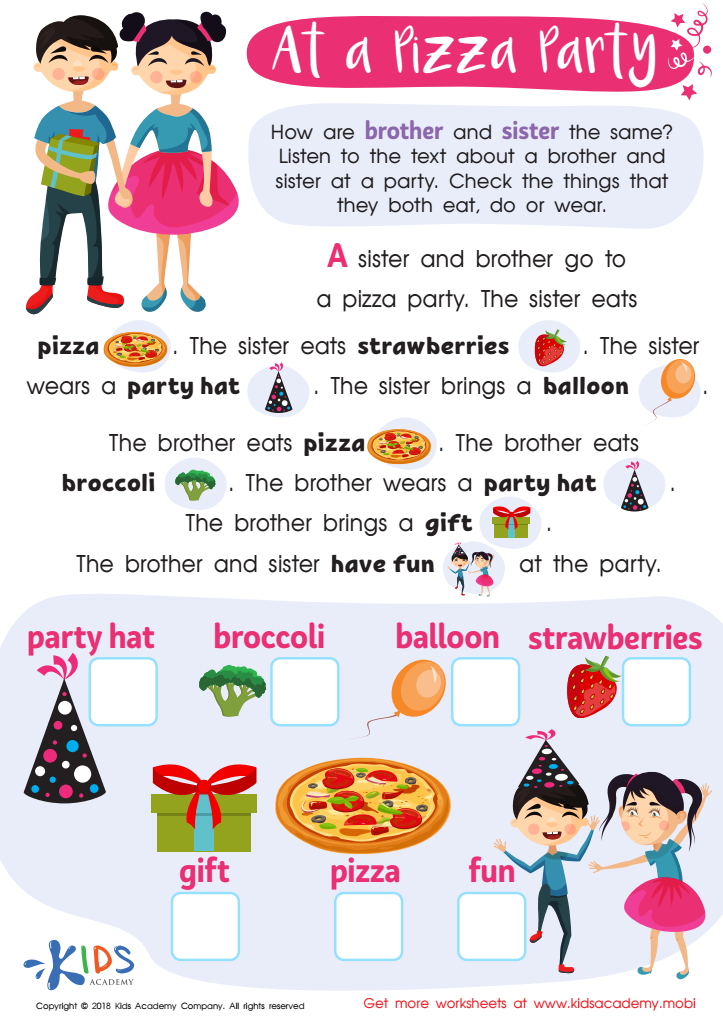
At a Pizza Party Worksheet
 Assign to My Students











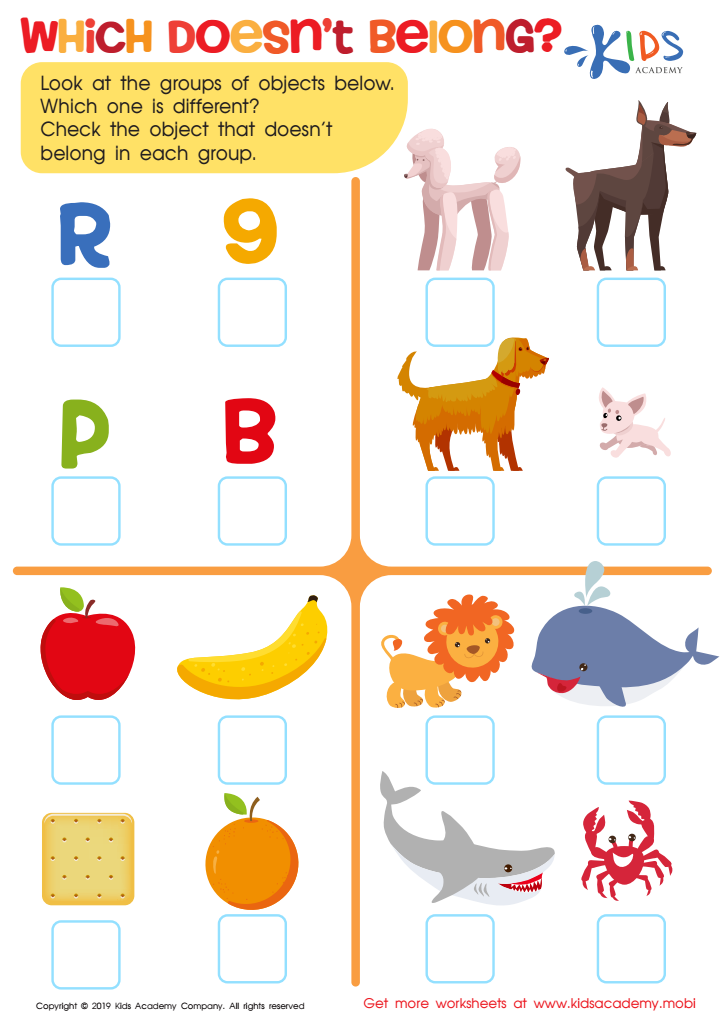
Which Doesn't Belong? Worksheet
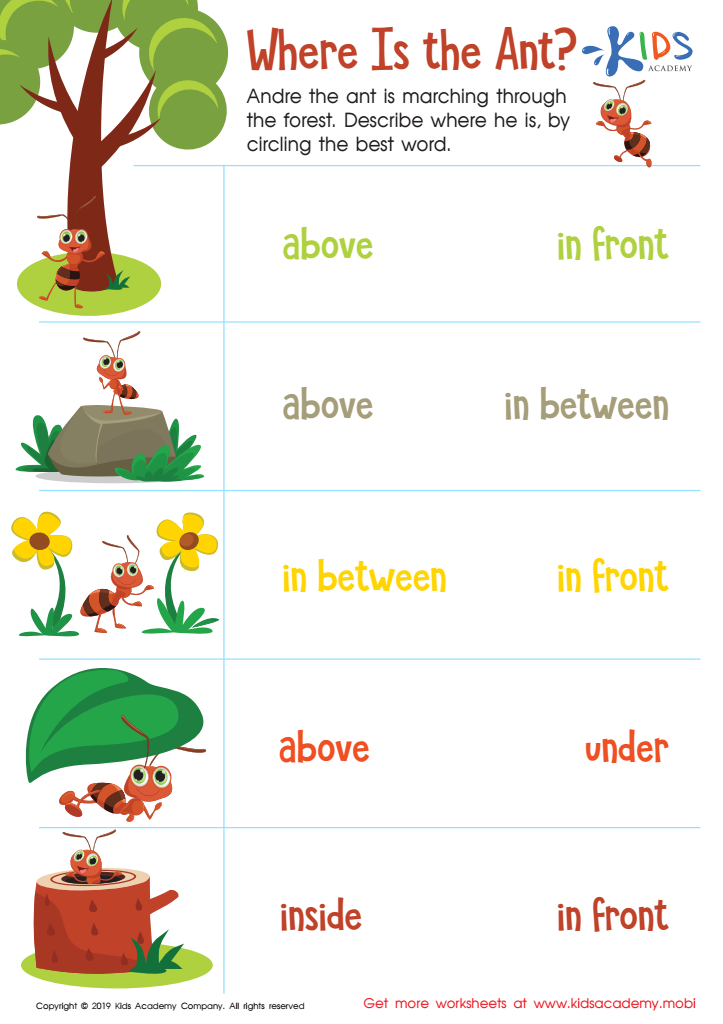
Where Is the Ant? Worksheet
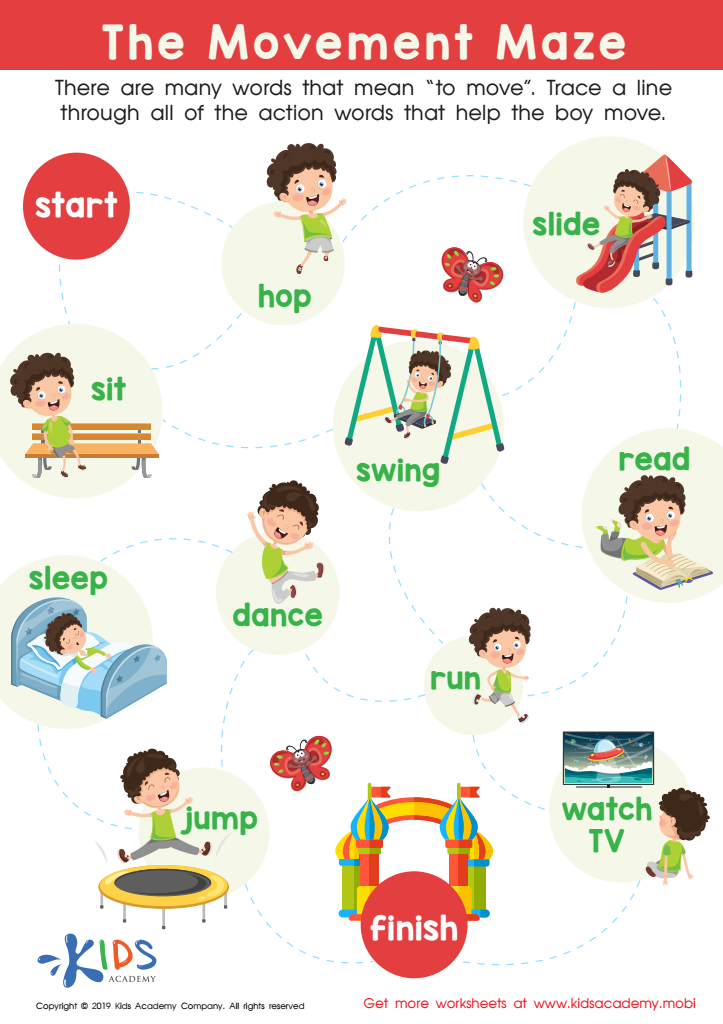
The Movement Maze Worksheet








Problem-solving skills are crucial for 5-year-olds as they lay the foundation for critical thinking and independence. At this age, children are naturally curious and eager to explore the world around them, which presents numerous opportunities for problem-solving. Parents and teachers should care about nurturing these skills because they foster resilience, creativity, and resourcefulness. Basic problem-solving helps children learn how to approach challenges, evaluate options, and make decisions, which is essential for academic success and everyday life.
Furthermore, building a normal vocabulary around problem-solving enhances communication. When children learn specific terms related to thinking through problems, they become better equipped to express their thoughts and feelings, facilitating collaboration with peers and adults. This vocabulary also supports the understanding of instructional language in educational settings, making it easier for them to grasp concepts and engage in discussions.
Encouraging problem-solving through games, storytelling, or hands-on activities not only makes learning enjoyable but also strengthens relationships between children, parents, and teachers. Together, they can create a supportive environment where exploration and questioning are valued, helping children develop a lifelong love for learning and an ability to navigate challenges confidently. By prioritizing these skills, we invest in our children’s future success.








