Sound recognition Normal Reading Worksheets for 5-Year-Olds
3 filtered results
-
From - To
Our Sound Recognition Normal Reading Worksheets are expertly designed for 5-year-olds to build essential reading skills. These engaging activities help children identify and distinguish different sounds, crucial for early reading development. Through fun exercises, young learners will improve their phonemic awareness, enhance their ability to recognize letter sounds, and develop a strong foundation for reading fluency. Perfect for kindergarteners, our worksheets make learning enjoyable while boosting literacy confidence. Tailored to educational standards, these resources ensure your child’s reading journey begins with the right tools. Explore and download our worksheets today to kick-start your child’s reading success!
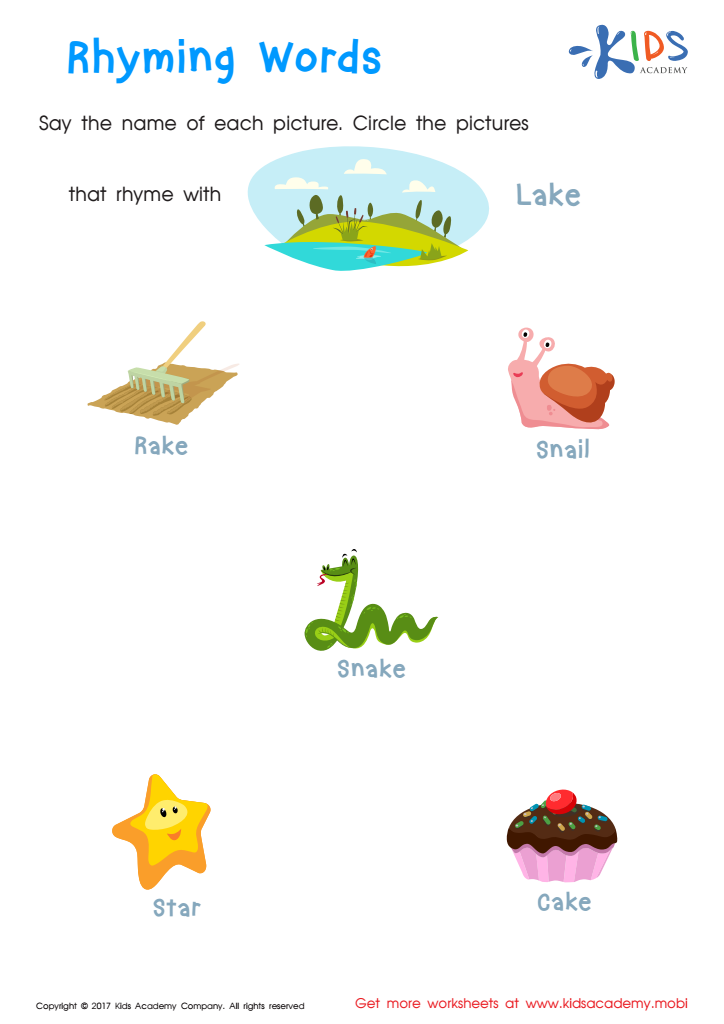
Rhyming Words Rhyming Worksheet

Long and Short U Worksheet
 Assign to My Students
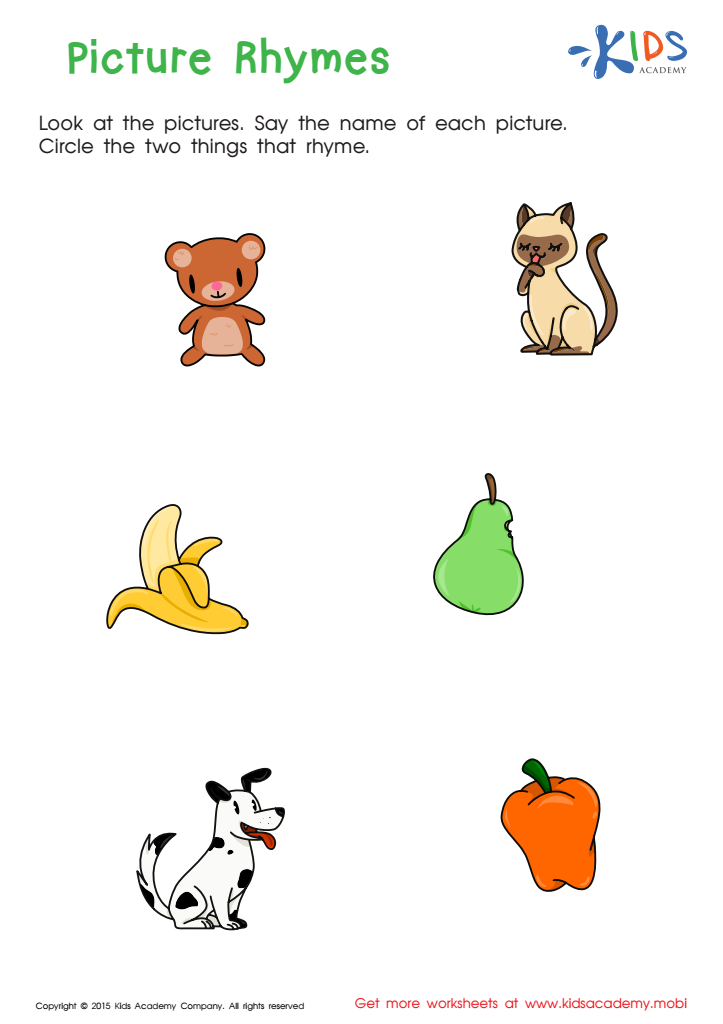
First Words: Picture Rhymes Worksheet








Sound recognition and normal reading are fundamental stepping stones in a child's educational journey, especially for 5-year-olds. These early years are critical as children's brains are highly receptive and develop rapidly. Sound recognition, the ability to identify and differentiate phonetic elements, acts as the building block for reading. When children understand sounds, they can correlate them with letters and words, which enhances their decoding skills and fluency.
Teachers and parents should be keenly aware of the importance of sound recognition because it directly impacts a child’s reading abilities—key to academic success. Recognizing sounds fosters phonemic awareness, essential for spelling, pronunciation, and understanding spoken language. Without strong phonemic awareness, children could struggle significantly with reading, leading to difficulties in other subjects.
Furthermore, normal reading levels at a young age build confidence and promote a love for learning. When children read well by age five, they can engage more actively in class and enjoy literature, which has broad educational benefits. Additionally, early detection of reading issues enables timely intervention to manage potential learning disabilities. By cultivating sound recognition and normal reading skills, parents and teachers set children on a path toward academic achievement and a lifelong affinity for learning.








