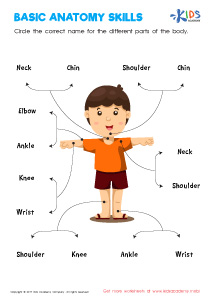
Vocabulary Building Normal World Around Us Worksheets for 5-Year-Olds
3 filtered results
-
From - To
Expand your child’s vocabulary with our engaging "Vocabulary Building Normal World Around Us Worksheets" designed for 5-year-olds. These worksheets are crafted to make learning fun, using everyday objects and environments to teach new words. Kids will explore and learn about their surroundings while enhancing their language skills. Each activity helps them recognize, spell, and use new vocabulary, fostering early literacy development. Perfect for young learners, these printable worksheets support parents and teachers in providing a rich, educational experience at home or in the classroom. Discover joyful learning and watch your child’s vocabulary grow with every activity!
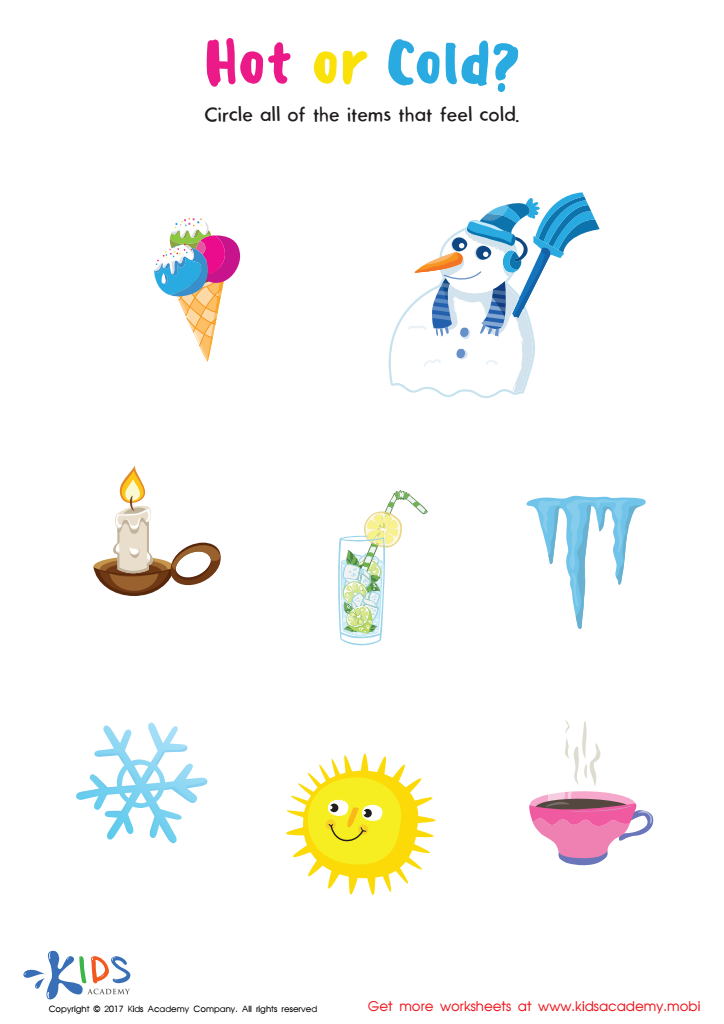
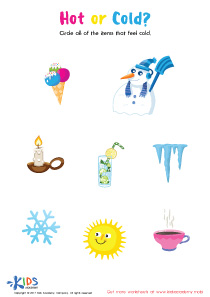
Hot or Cold Printable
 Assign to My Students
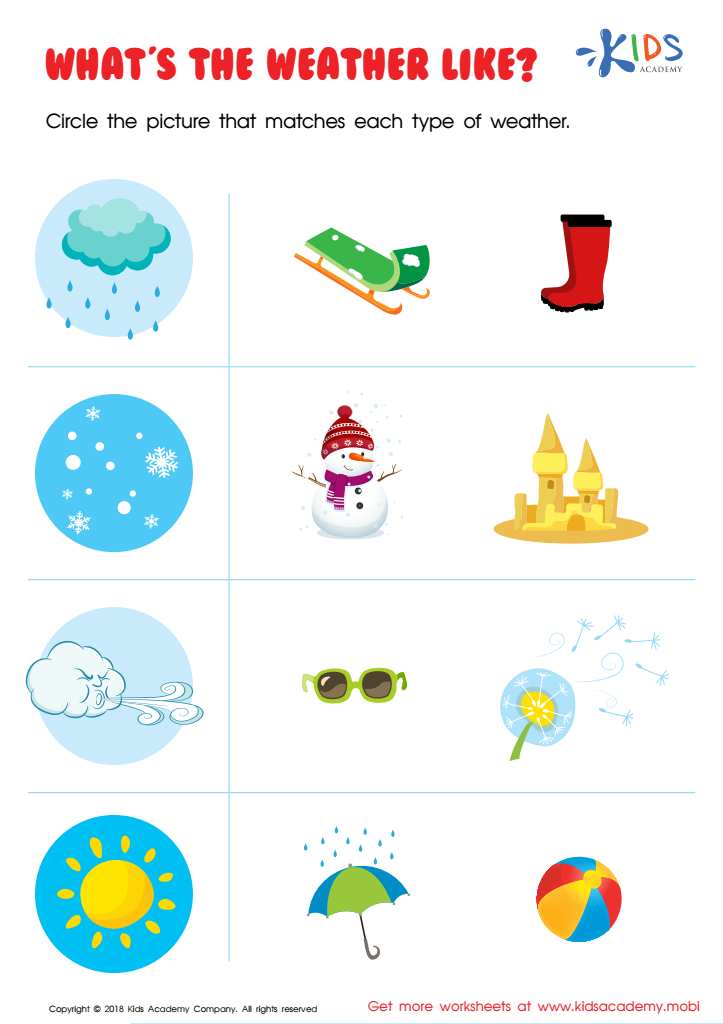
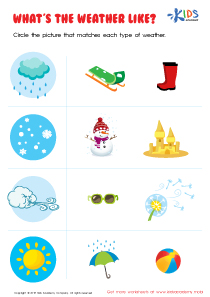
What's the Weather Like? Worksheet
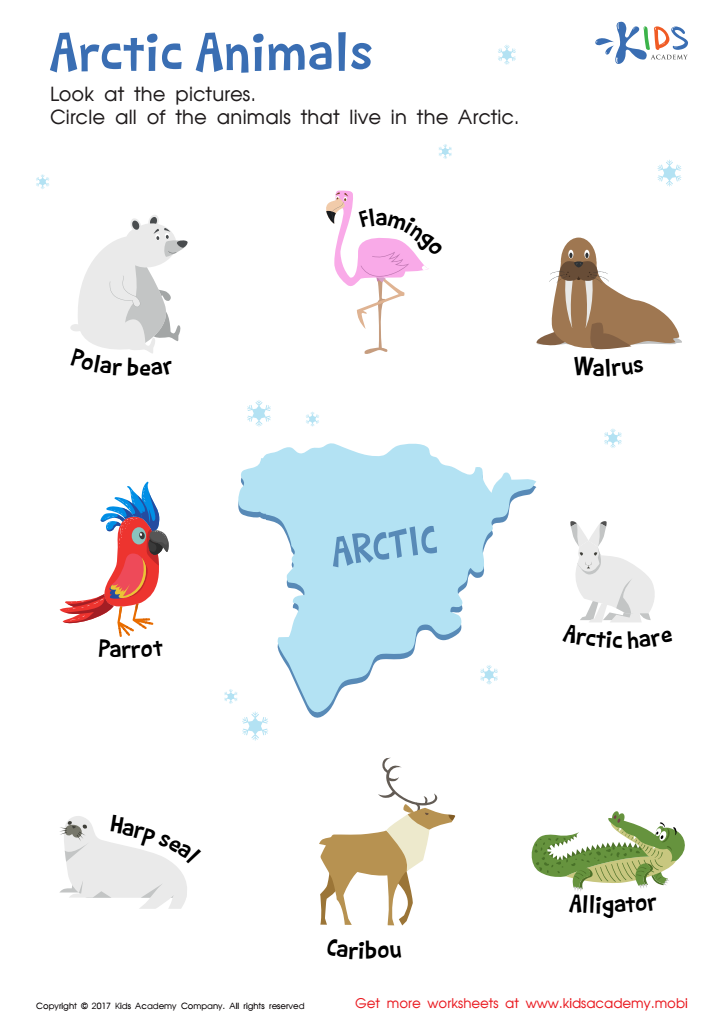
Arctic Animals Worksheet




.jpg)


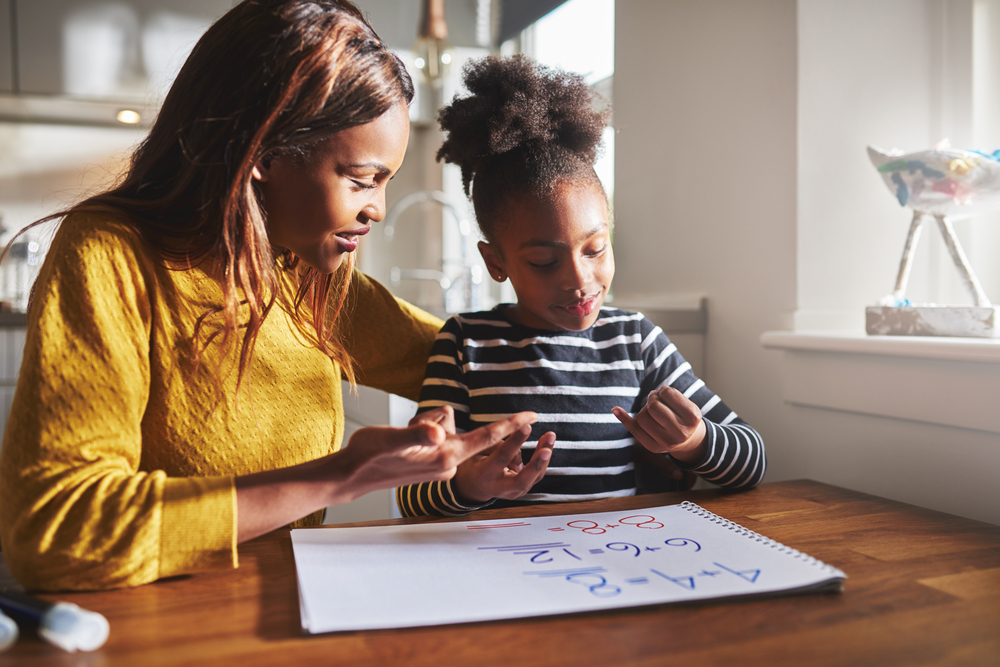
Providing young children with a rich vocabulary about the world around them is essential for their overall development. At around five years old, children are at a crucial stage in their language acquisition journey. By exposing them to a variety of words and concepts from their everyday environment, we significantly boost their cognitive, social, and emotional growth.
Rich vocabulary knowledge enhances children's comprehension and communication skills. It allows them to effectively express their thoughts, ask questions, and understand instructions, which are crucial for their academic success. A robust vocabulary is directly linked to reading proficiency; children who are familiar with more words find it easier to decode and understand texts, setting a strong foundation for future learning.
Additionally, knowing the names of objects, places, and activities in their normal world builds children's confidence and independence. It equips them to navigate social interactions effortlessly, fostering positive relationships with peers and adults.
From a developmental perspective, early vocabulary building encourages curiosity and exploration. Words become tools for discovering and making sense of their surroundings. Teachers and parents should therefore prioritize enriching children's language experiences through conversation, storytelling, reading, and engaging activities. This proactive approach supports children in becoming articulate, confident learners capable of thriving both inside and outside the classroom.