Spelling improvement Normal Alphabet Worksheets for Ages 6-7
5 filtered results
-
From - To
Boost your child's spelling abilities with our Spelling Improvement Normal Alphabet Worksheets designed for ages 6-7. These engaging, age-appropriate worksheets focus on enhancing spelling skills by using lively, interactive exercises. Your child will not only learn to recognize and write letters accurately but also develop critical spelling proficiency, which forms the foundation for strong reading and writing skills. Perfect for young learners, these worksheets turn practice into an enjoyable and educational adventure. Set your child on a path to spelling success with this carefully structured resource from Kids Academy today!
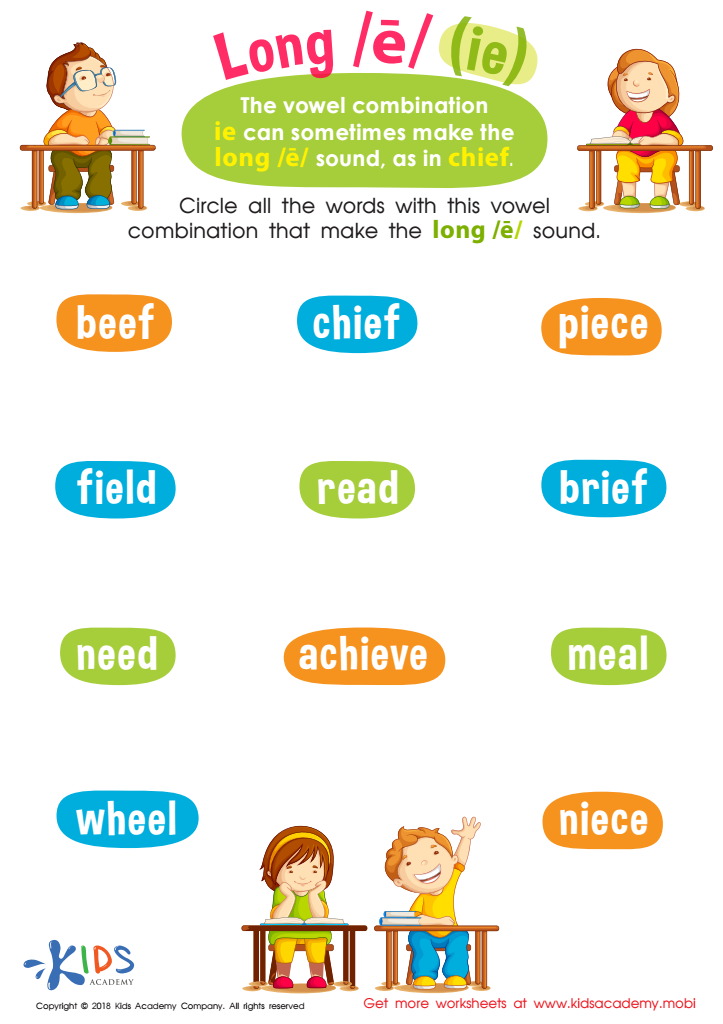
Reading: Long E and IE Worksheet
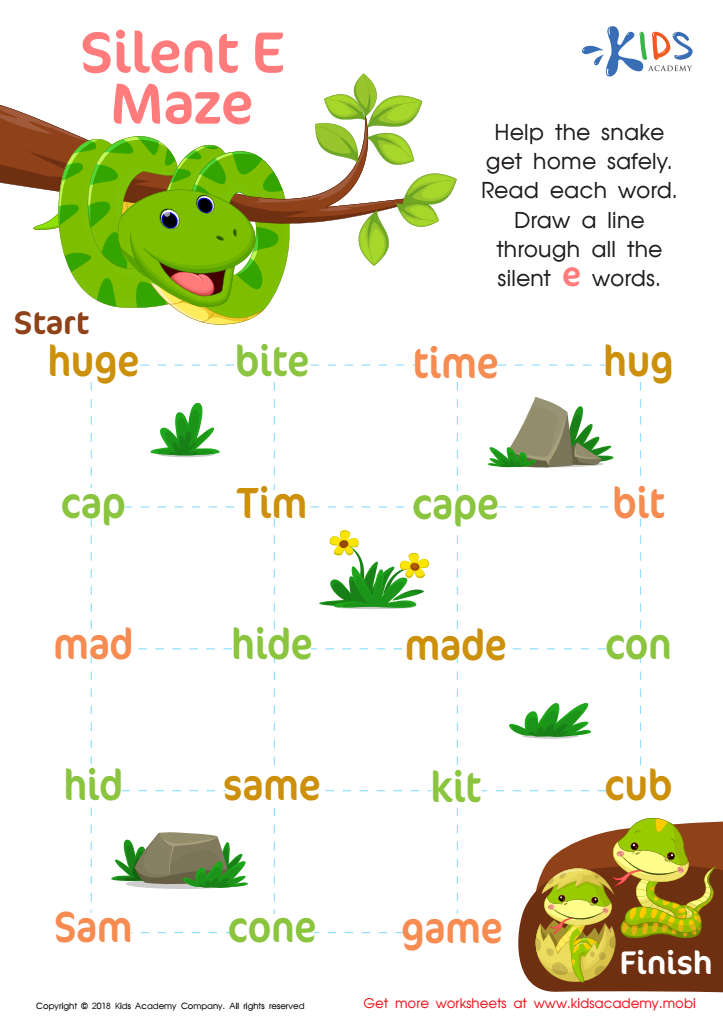
Silent E Maze Worksheet
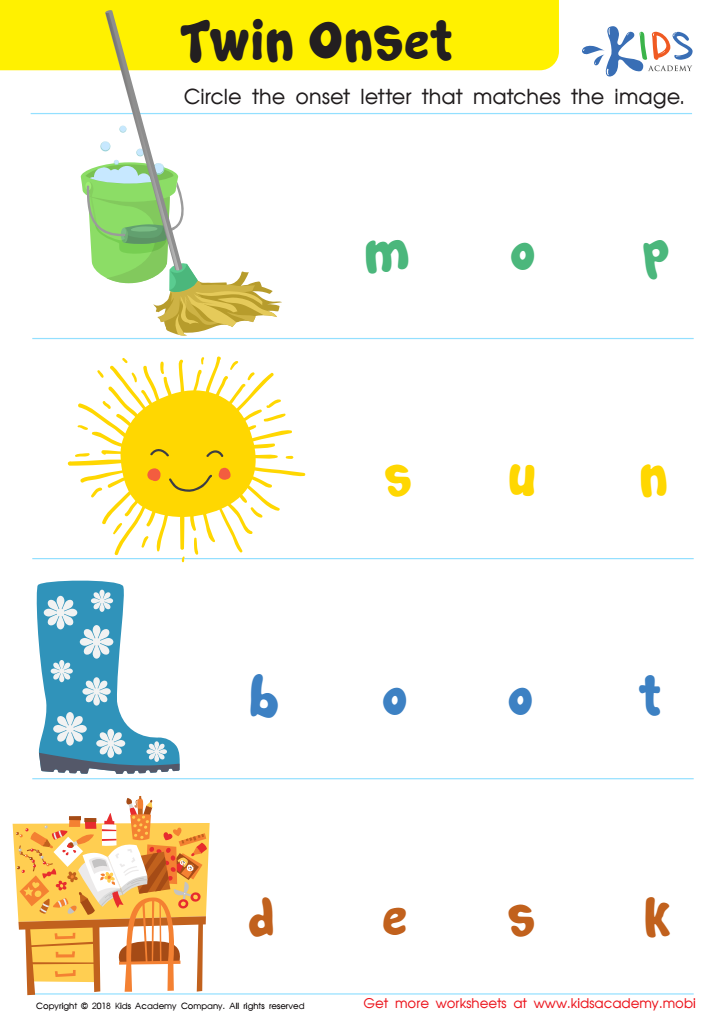
Twin Onset Worksheet
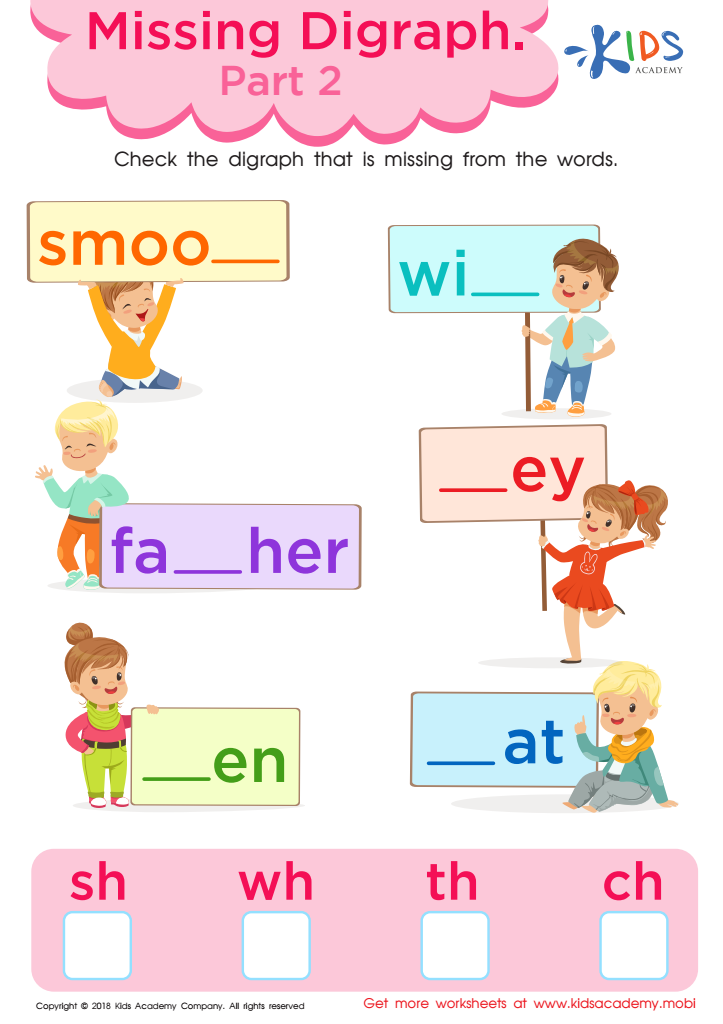
Missing Digraph: Part 2 Worksheet
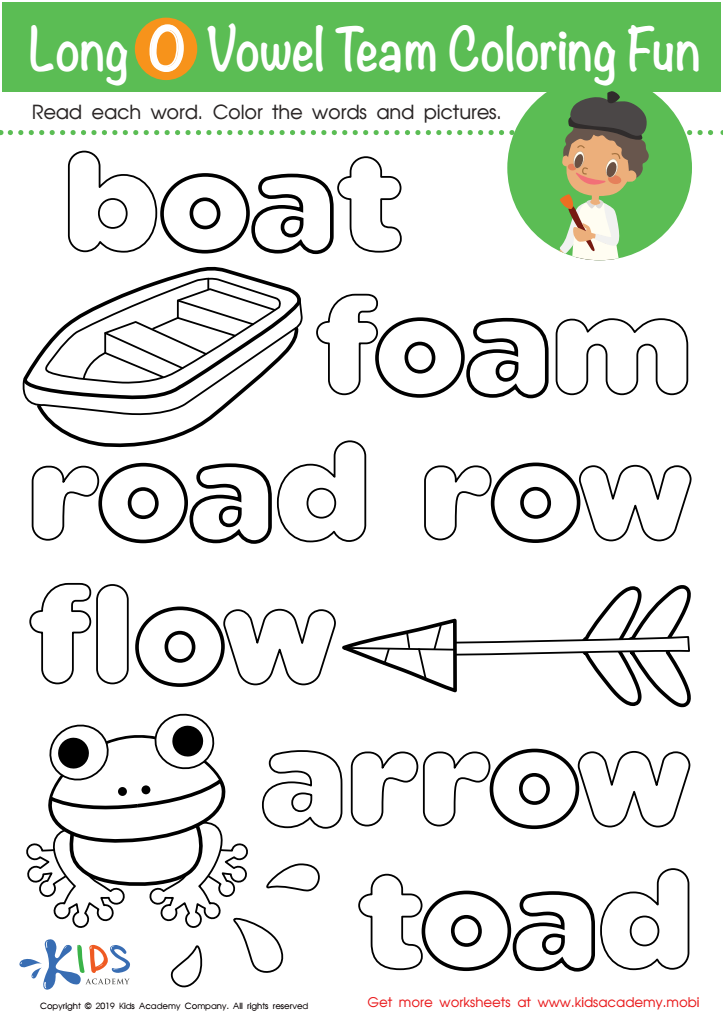
Long O Vowel Team Coloring Worksheet
 Assign to My Students








Parents and teachers should prioritize spelling improvement for children ages 6-7 because it forms the foundation for effective communication and future academic success. At this developmental stage, children are honing their literacy skills, and spelling is a crucial component of this process. Improving spelling helps them understand the relationship between letters and sounds, which is essential for both reading and writing proficiency.
Accurate spelling aids in reading fluency since recognizing correctly spelled words instantly contributes to smoother and more confident reading. This, in turn, boosts comprehension as children are less likely to become bogged down with decoding errors and misunderstandings. Writing becomes more enjoyable and less frustrating when children can spell words correctly, allowing them to express their thoughts and ideas more clearly.
Additionally, good spelling encourages attention to detail and instills habits of precision and carefulness, important skills not just in school, but in life. Early success in spelling instills confidence and a positive attitude towards learning. It sets a strong groundwork for mastering more complex language skills in higher grades, ultimately leading to better performance across a range of subjects.
Investing time in improving spelling at ages 6-7 is not just about getting words right; it's about equipping children with tools that will support all facets of their education journey and lifelong communication.







