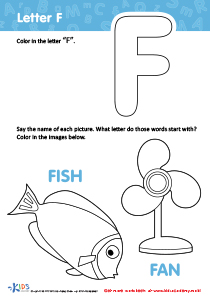
Fine Motor Skills Normal Letter E Worksheets for Ages 6-7
3 filtered results
-
From - To
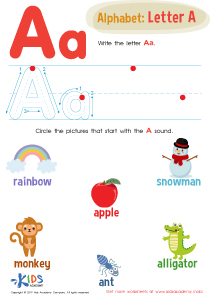
Enhance your child's fine motor skills with our engaging and educational Normal Letter E worksheets, designed specifically for ages 6-7. At Kids Academy, we provide expertly crafted activities aimed at improving muscle coordination and handwriting precision. These fun and interactive worksheets help young learners master the letter E through tracing, writing, and drawing exercises that align with early childhood education standards. Boost your child's confidence as they practice essential fine motor skills, setting a strong foundation for their academic journey. Download our free printable Letter E worksheets today and watch your child's skills flourish!
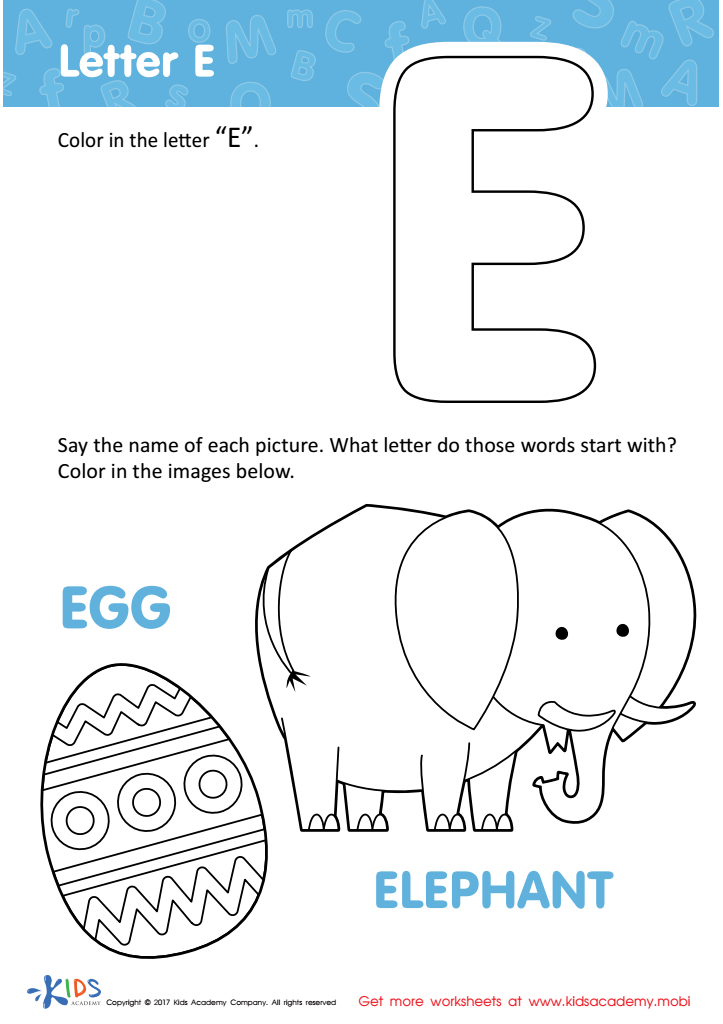
Letter E Coloring Sheet
 Assign to My Students

Letter E Tracing Worksheet
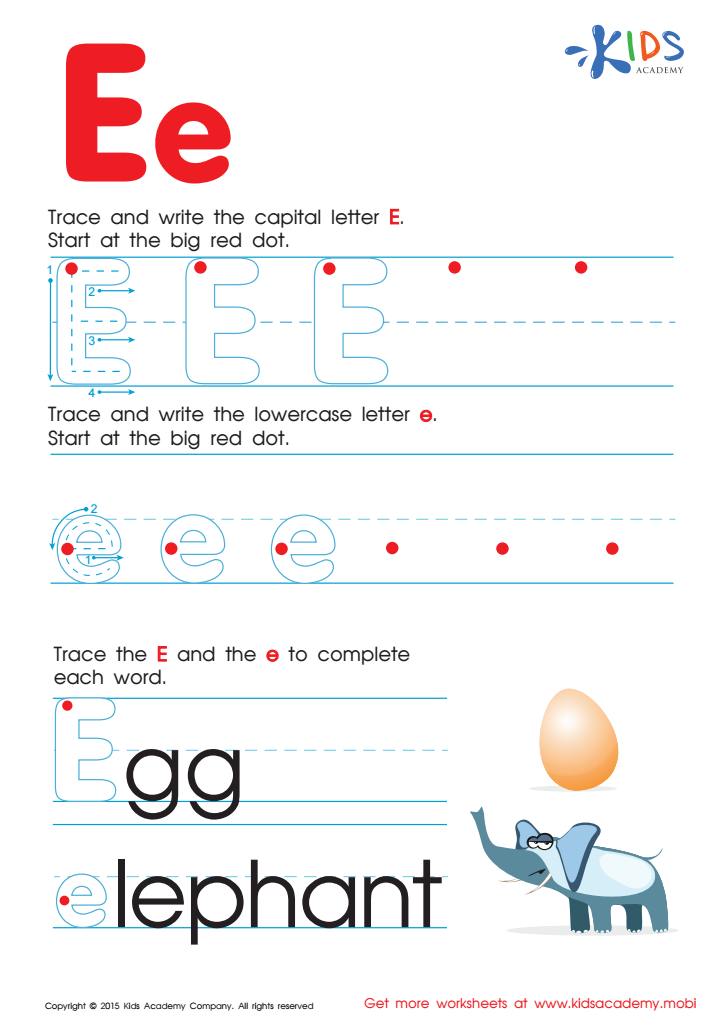
Letter E Tracing Page








Fine motor skills refer to the coordination of small muscles in movements—primarily involving the synchrony of hands and fingers with the eyes. For children aged 6-7, developing fine motor skills is crucial for several reasons.
Firstly, these skills directly impact a child's ability to perform essential tasks such as writing, cutting with scissors, buttoning clothes, and tying shoelaces. Mastery of these actions promotes independence and self-sufficiency in daily activities, contributing significantly to their self-esteem and confidence.
Secondly, fine motor skills are linked to cognitive development. Engaging in activities that improve these skills can enhance a child's focus, hand-eye coordination, and spatial awareness. This sets a strong foundation for more complex cognitive tasks, aiding in overall academic performance.
Another critical aspect is social interaction. Adeptness in fine motor skills often translates to better participation in school activities and peer engagements, thereby fostering social development.
For teachers and parents, providing opportunities for children to practice fine motor activities, such as drawing, crafting, and playing with building blocks, is essential. Early nurturing of these skills diminishes future academic struggles and supports holistic development, ensuring the child is prepared for educational challenges and everyday tasks.