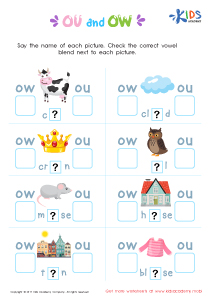
Vocabulary expansion Normal Long And Short Vowel Worksheets for Ages 6-7
5 filtered results
-
From - To
Boost your child's vocabulary with our engaging Long and Short Vowel Worksheets designed specifically for ages 6-7. These user-friendly worksheets make learning fun, helping young learners distinguish between long and short vowel sounds while expanding their word knowledge. With interactive exercises featuring captivating images and relatable examples, children will enhance their reading and spelling skills. Each worksheet is tailored to support early literacy development, fostering phonemic awareness and comprehension. Ideal for home practice or classroom activities, these worksheets provide a comprehensive foundation in vowel sounds, ensuring that your child gains confidence in their vocabulary as they embark on their learning journey.
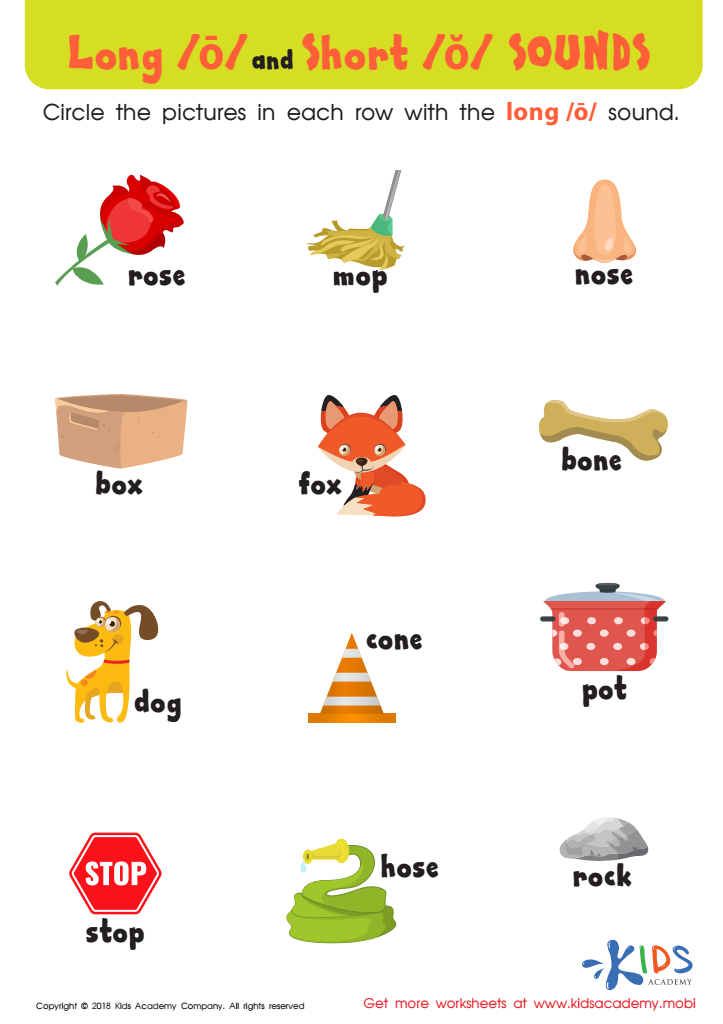
Reading: Long O and Short O Sounds Worksheet
 Assign to My Students
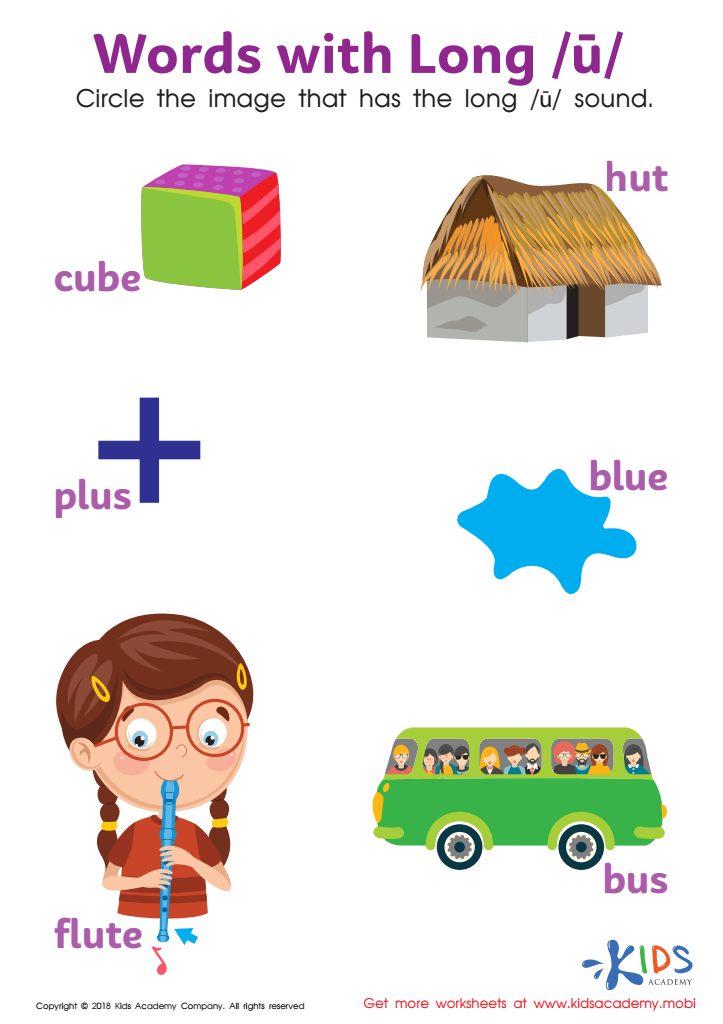
Words with Long U Reading Worksheet
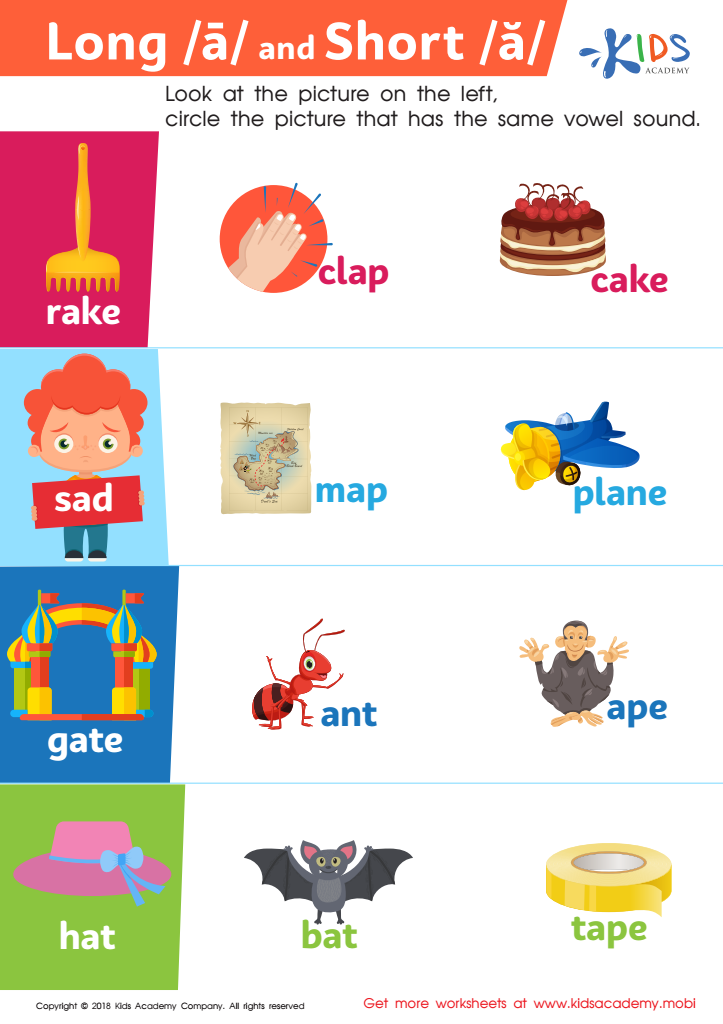
Reading: Long a and Short a Worksheet
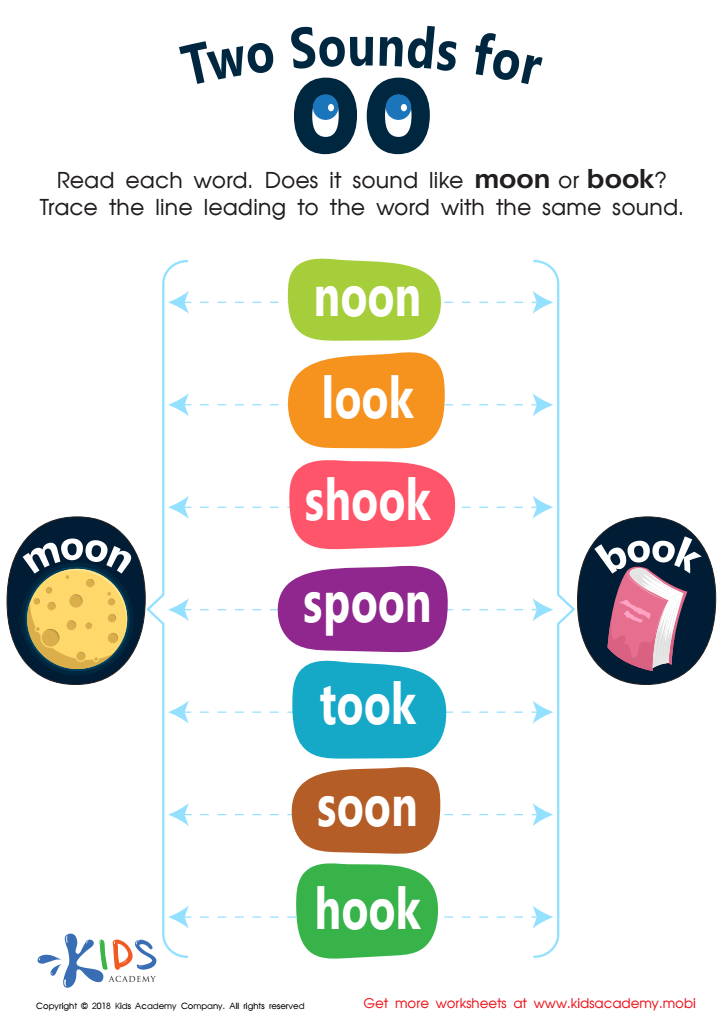
Two Sounds for OO Worksheet
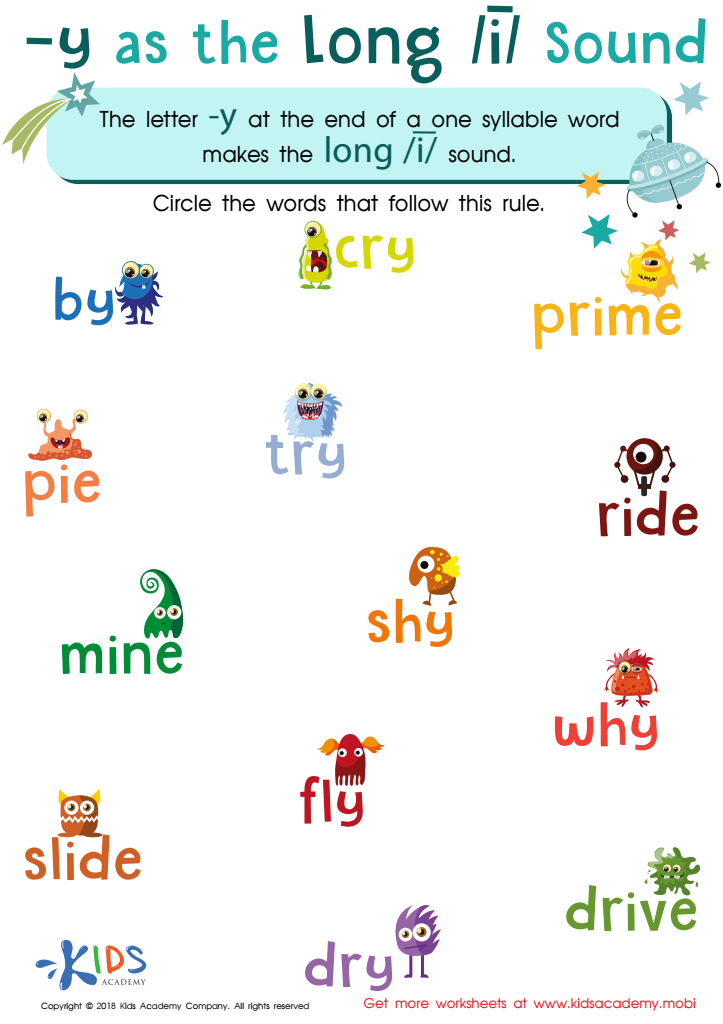
Reading: Y as Long I Worksheet




Vocabulary expansion is crucial for children aged 6-7, particularly in understanding normal long and short vowels. At this stage, children are developing their reading and writing skills, and a strong vocabulary enhances comprehension and expressive abilities. Knowledge of long and short vowels is fundamental in mastering phonics, which directly influences reading fluency.
Children with a rich vocabulary can better articulate their thoughts and feelings, leading to improved communication skills. When parents and teachers prioritize vocabulary expansion, they empower children to connect with stories, enhance their listening skills, and engage with various subjects more confidently.
Moreover, a robust vocabulary supports academic success; it allows children to access more complex texts and absorb broader concepts as they advance in school. Children who struggle with vowel sounds may encounter challenges in decoding words, leading to frustration and lowered self-esteem.
Ultimately, understanding and using appropriate vowel sounds helps establish a solid foundation for literacy, critical thinking, and self-expression. By fostering an environment rich in language and support, parents and teachers play a vital role in aiding children to become lifelong learners and effective communicators.