Vocabulary expansion Normal Long Vowels Worksheets for Ages 6-7
6 filtered results
Difficulty Level
Grade
Age
-
From - To
Subject
Activity
Standards
Enhance vocabulary skills with our engaging Normal Long Vowels Worksheets designed specifically for children aged 6-7. These thoughtfully crafted exercises help young learners master long vowel sounds, encouraging both reading and pronunciation. Through fun and interactive activities, children will expand their vocabulary while learning to recognize and use long vowel words. Worksheets include a variety of formats such as fill-in-the-blanks, matching games, and word searches, making practice enjoyable and effective. Ideal for classroom settings or at-home learning, these resources support early literacy development in an entertaining way, laying the foundation for proficient reading skills. Explore our collection today!
Favorites
With answer key
Interactive
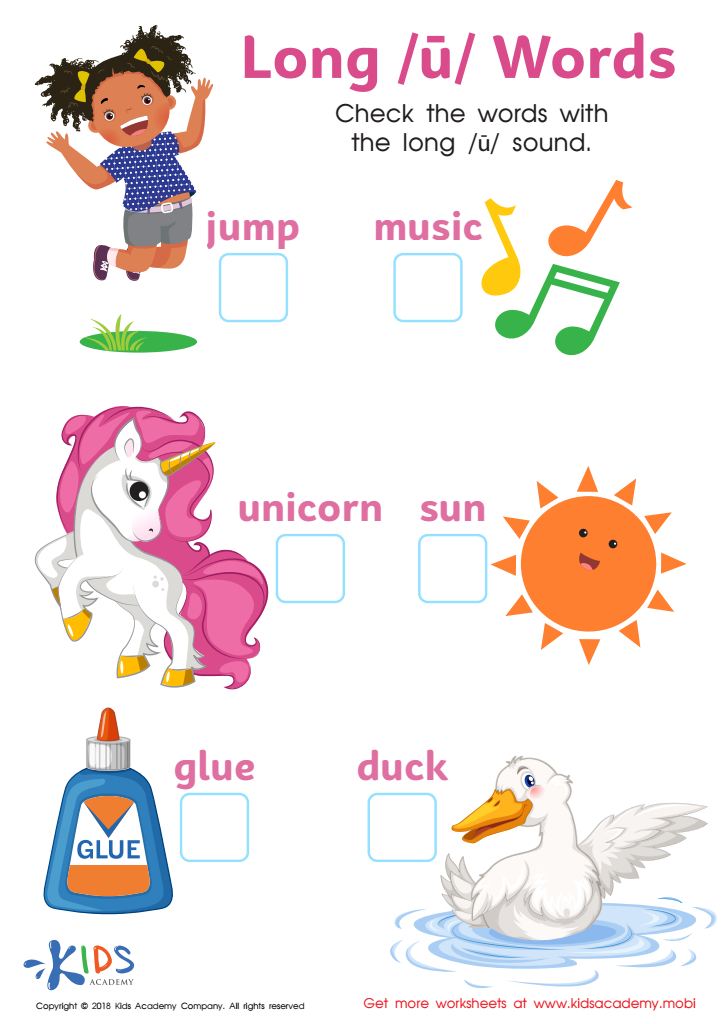
Long U Words Reading Worksheet
Emerging readers will love this free worksheet! It's a great way to practice distinguising between long and short vowel sounds, while identifying high-frequency words. They'll also get to develop fine motor skills and gain confidence in decoding and reading skills.
Long U Words Reading Worksheet
Worksheet
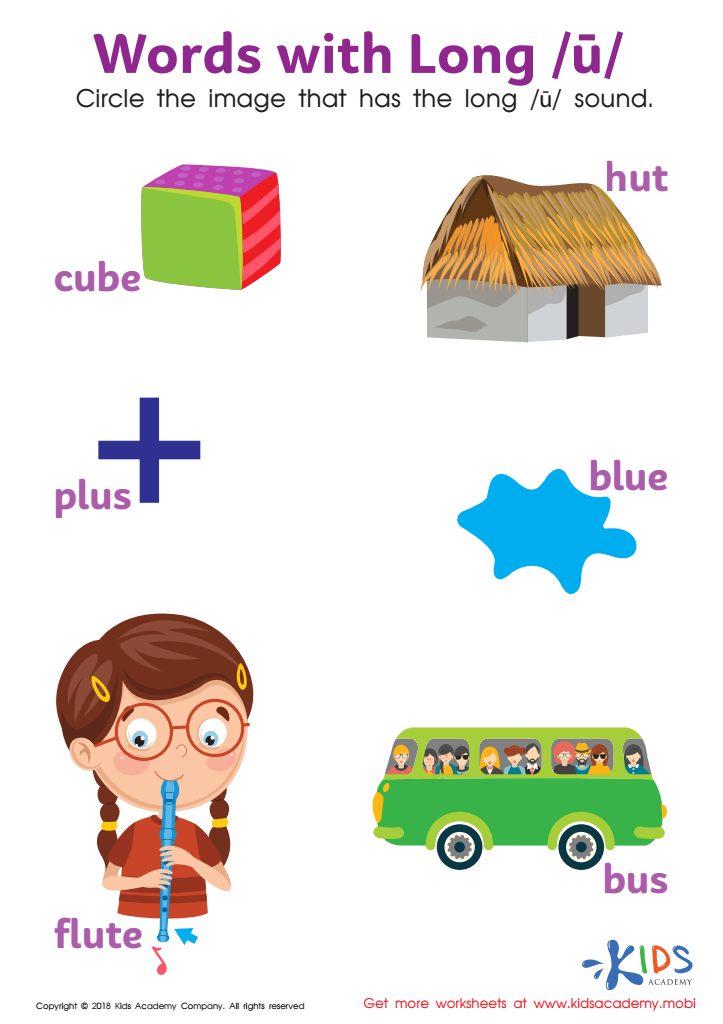
Words with Long U Reading Worksheet
Help your new reader master vowel recognition with this fun worksheet. By using picture clues and practicing fine motor skills, they'll learn to differentiate between words with the long and short «u» sound. Your learner will also get to practice vowel discrimination in high-frequency words. It's a great way to learn the importance of vowels in reading!
Words with Long U Reading Worksheet
Worksheet

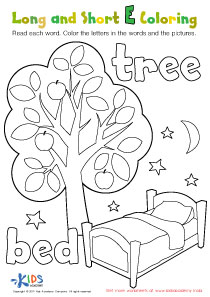
Long and Short U Worksheet
Revised: Spice up your lesson on long and short vowels with this fun printout! Kids read the words "tube" and "tub," then reinforce the sound by coloring in the words and pictures. It's a great way to make phonics class enjoyable!
Download (PDF)
 Assign to My Students
Assign to My Students
Long and Short U Worksheet
Worksheet
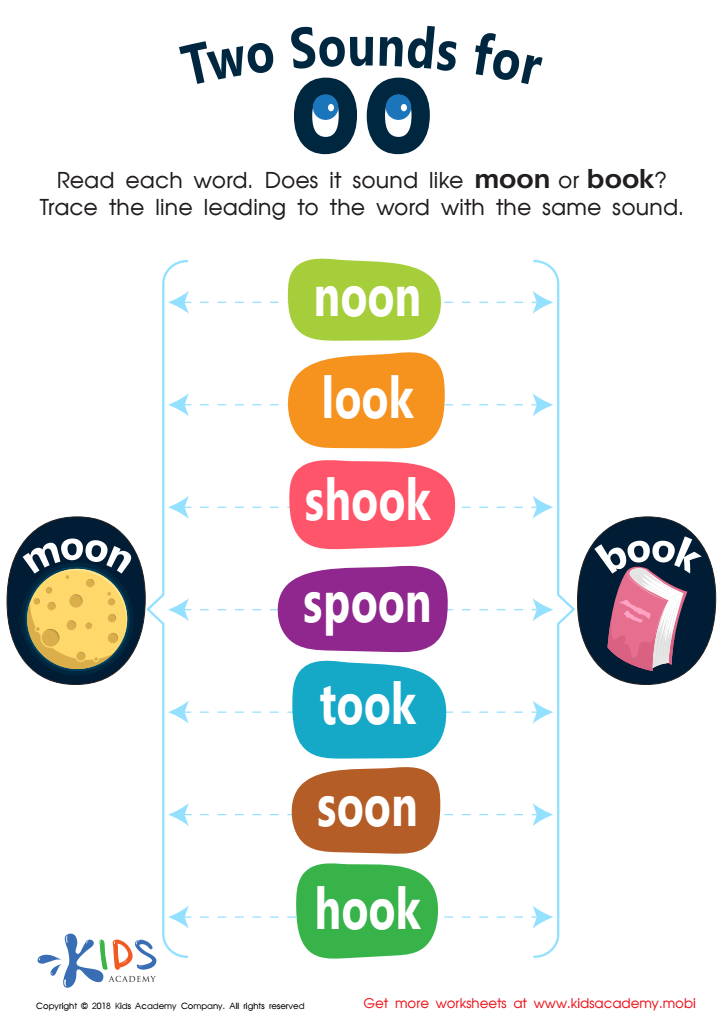
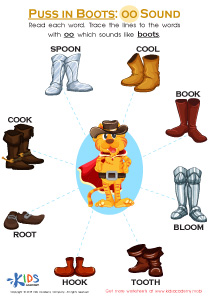
Two Sounds for OO Worksheet
This worksheet helps kids learn the different sounds of the -oo digraph. They match words based on whether they sound like moon or book, plus practice fine motor skills tracing lines. Fun and educational!
Two Sounds for OO Worksheet
Worksheet
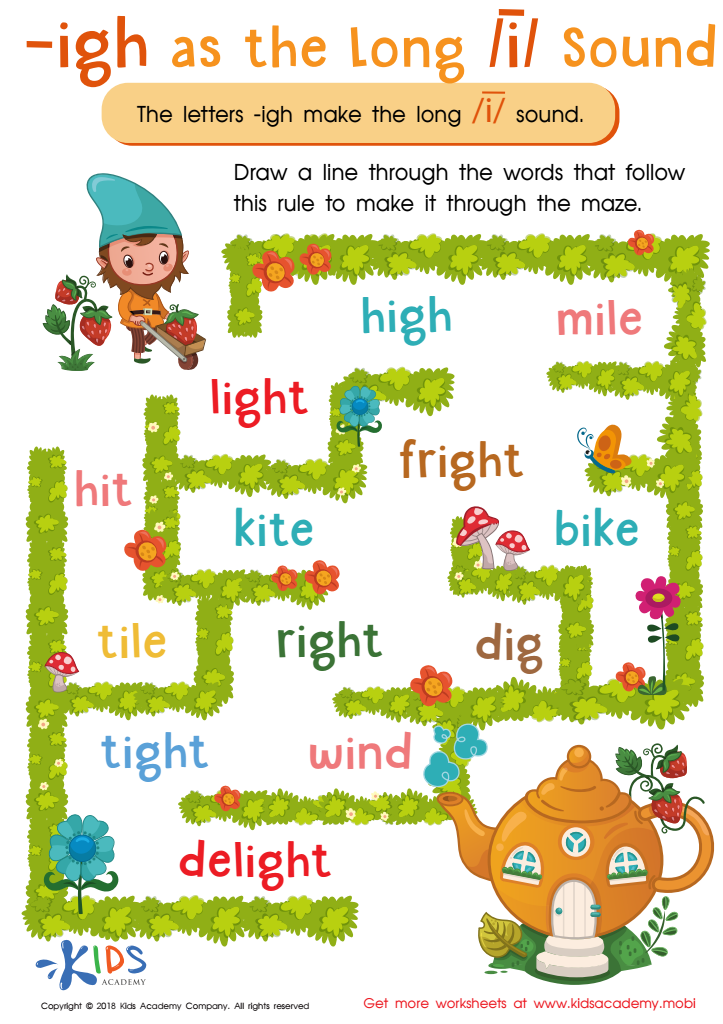
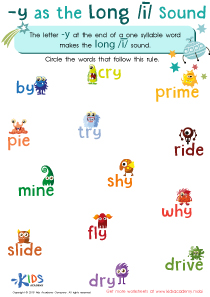
Reading: IGH as Long I Worksheet
Kids can have fun and learn with this maze! They'll look for and read words with the 'long I' sound spelled 'igh'. Most words ending with 'T' have this spelling. Decode words while learning about long vowel sounds and their spellings.
Reading: IGH as Long I Worksheet
Worksheet
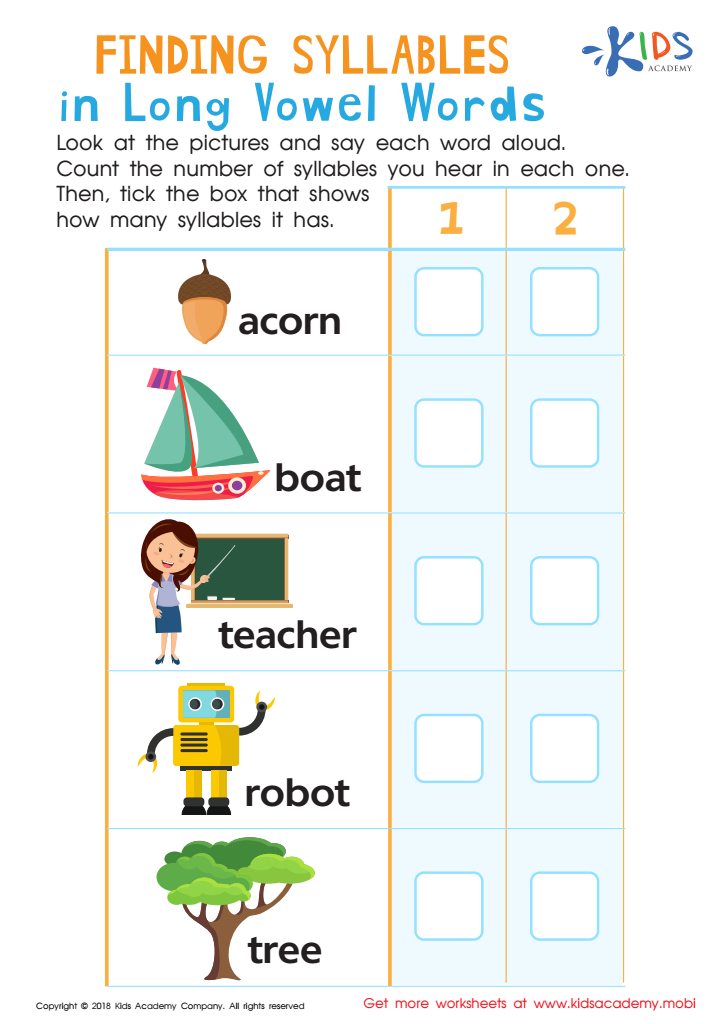
Finding Syllables in Long Vowel Words Worksheet
Help your kids identify objects and better count syllables in words. Look at the printout images with them and have them say each word out loud. Ask them to count syllables and tick the box with the correct number. With this worksheet, your kids will become more skilled.
Finding Syllables in Long Vowel Words Worksheet
Worksheet
Join Kids Academy for Free
Who is primarily going to use this learning content?



Vocabulary expansion, particularly concerning normal long vowels, is crucial for children aged 6-7 as it lays the groundwork for their reading and writing skills. At this age, children transition from learning to read to reading to learn. A strong vocabulary fosters comprehension, making it easier for them to understand stories and content across subjects.
Long vowels are pivotal in developing phonemic awareness, enabling children to recognize the sounds in words, and improving their decoding skills. When children grasp long vowel sounds, they become more confident in their ability to sound out and spell words, leading to greater fluency in reading. This fluency not only enhances their overall literacy but also fuels a love for reading, encouraging them to explore a wide range of texts.
Furthermore, a robust vocabulary allows children to express their thoughts more clearly and effectively, boosting their communication skills. As children learn to use and understand new words, they develop critical thinking skills and a broader palette of ideas and emotions to draw from, ultimately becoming more articulate and confident individuals.
Therefore, fostering vocabulary growth, particularly with long vowels, is essential for parents and teachers aiming to support children’s overall language development and academic success.