Fine Motor Skills Normal Phonics Worksheets for Ages 6-7
5 filtered results
-
From - To
Enhance your child's fine motor skills while reinforcing phonics knowledge with our engaging worksheets designed specifically for ages 6-7. These fun and interactive activities incorporate tracing, letter formation, and connecting letters to sounds, making learning enjoyable and effective. Perfect for young learners, each worksheet supports the development of hand-eye coordination and dexterity, crucial for writing. With vibrant visuals and age-appropriate content, children will love practicing phonics as they build essential motor skills. Ideal for classroom settings or home learning, our Fine Motor Skills Normal Phonics Worksheets are a fantastic resource for cultivating confident, proficient readers and writers. Explore the fun today!
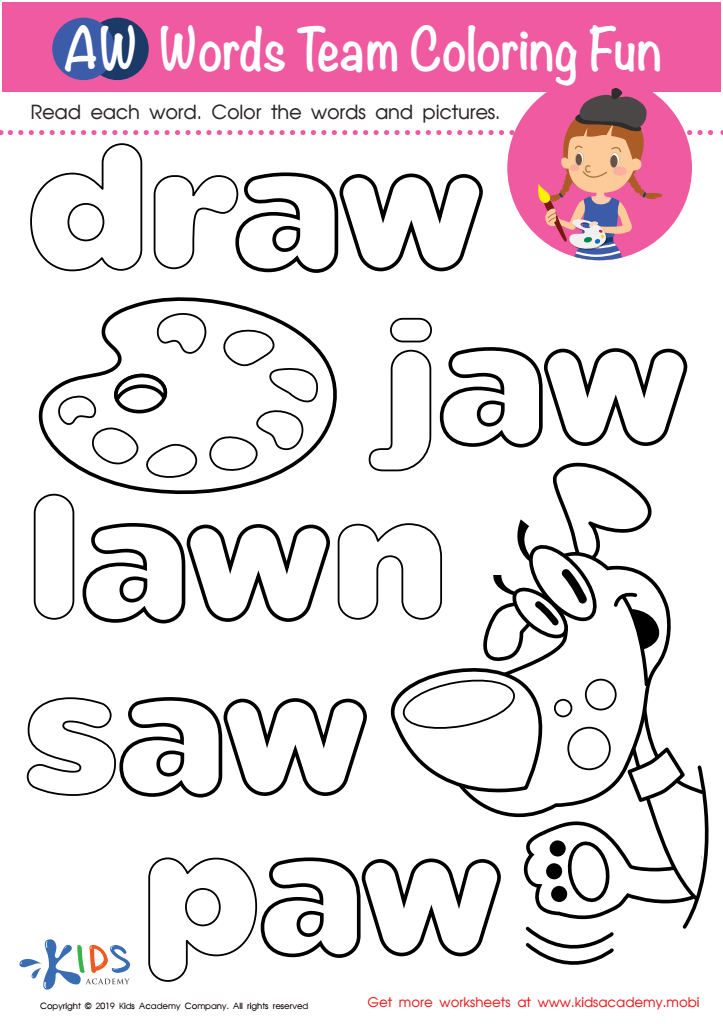
AW Words Team Coloring Fun Worksheet
 Assign to My Students

Long and Short U Worksheet
Assign to My Students
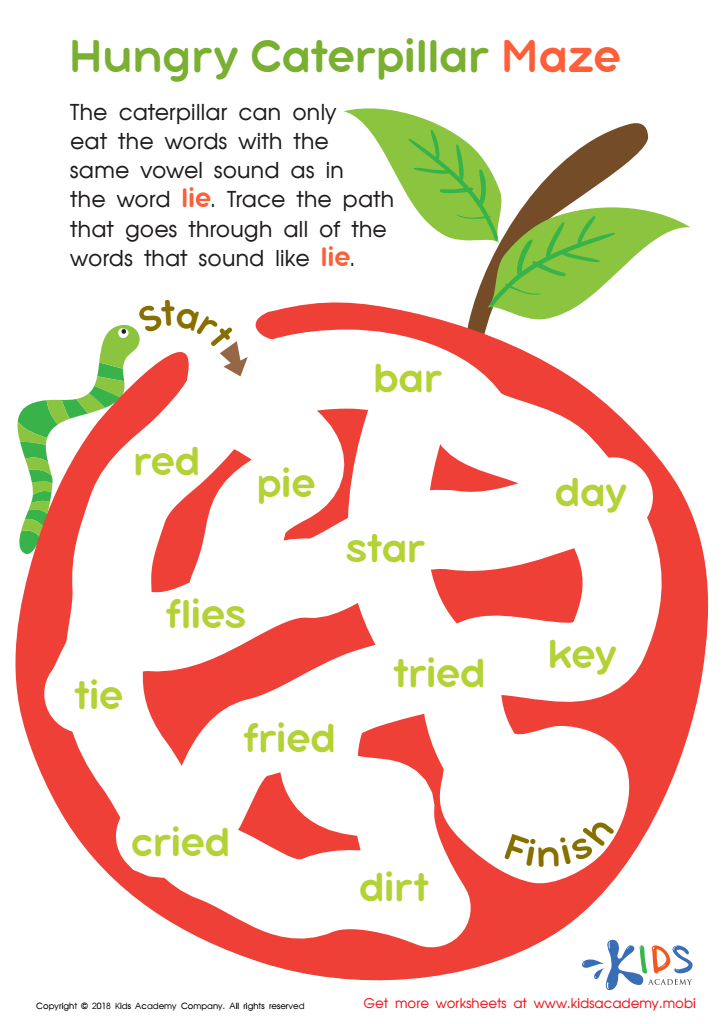
Hungry Caterpillar Maze Worksheet
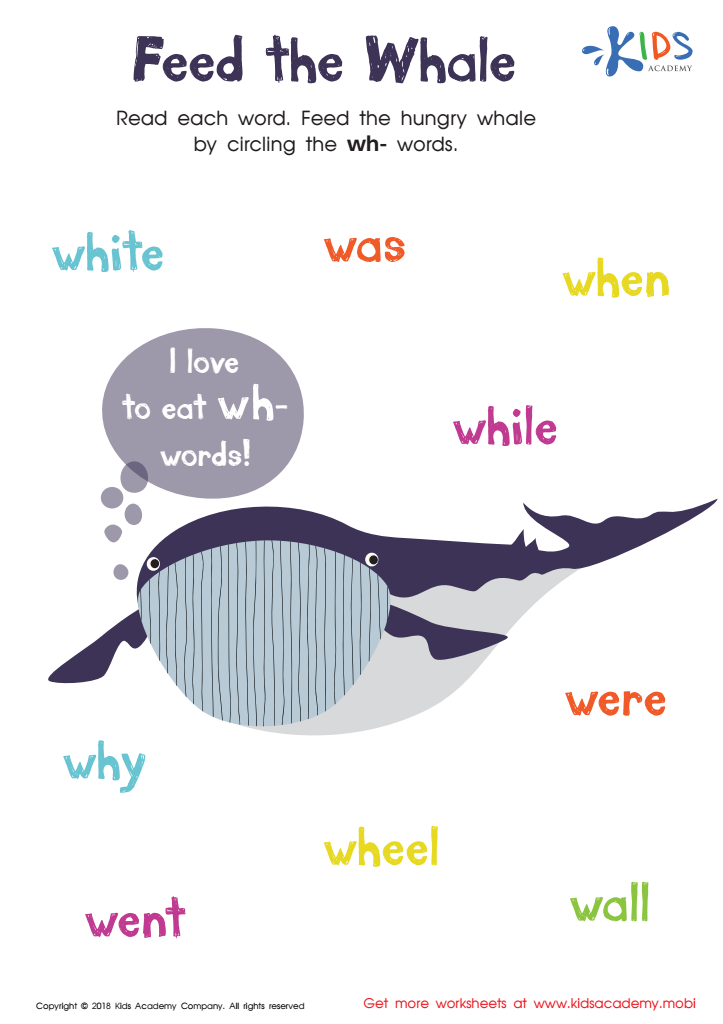
Feed the Whale Worksheet
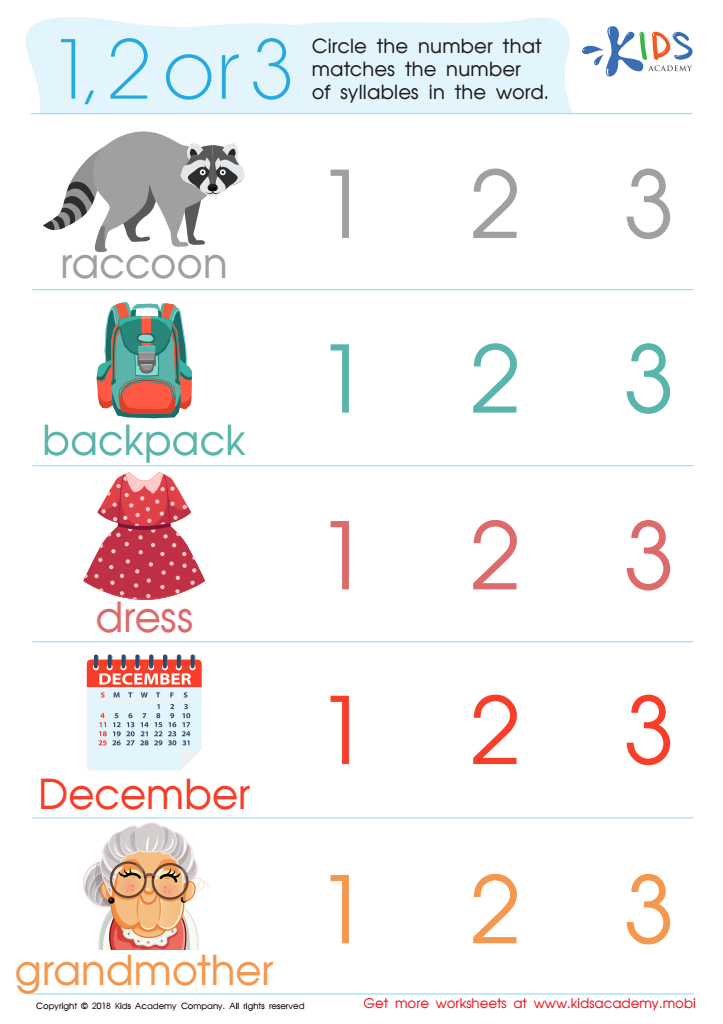
1, 2 or 3? Worksheet








Fine motor skills and phonics are critical components in early childhood education, particularly for children aged 6-7. Parents and teachers should pay close attention to these skills, as they are foundational for overall academic success and daily life activities.
Fine motor skills involve the coordination of small muscles, usually in the hands and fingers, which are essential for tasks such as writing, drawing, and manipulating small objects. At ages 6-7, children refine these skills, which directly influences their ability to perform handwriting, create art, and engage in hands-on learning experiences. Strong fine motor skills enhance a child's confidence and independence, as they can effectively engage in classroom activities and peer interactions.
Normal phonics instruction is likewise essential during this age as it lays the groundwork for reading proficiency. Children learn to decode words, understand letter-sound relationships, and develop early literacy skills. Proficient phonics skills enable children to read more fluently, fostering a love for literature and strengthening academic performance across subjects.
In summary, emphasizing fine motor skills and phonics during ages 6-7 equips children with vital tools necessary for learning, emotional development, and successful navigation of everyday environments. Parents and teachers play a key role in nurturing these foundational abilities.







