Phonics recognition Normal Phonics Worksheets for Ages 6-7
8 filtered results
-
From - To
Discover engaging Phonics Recognition worksheets designed specifically for children ages 6-7. These expertly crafted resources help young learners develop essential phonetic skills through fun and interactive activities. Each worksheet encourages letter recognition, sound association, and word formation, fostering confidence in reading and writing. Our normal phonics worksheets provide exercise variety, ensuring that kids stay motivated as they master the fundamental principles of phonics. Perfect for classroom use or home learning, these worksheets align with educational standards, making them an effective tool for nurturing early literacy. Empower your child's reading journey today with our comprehensive collection of phonics resources!
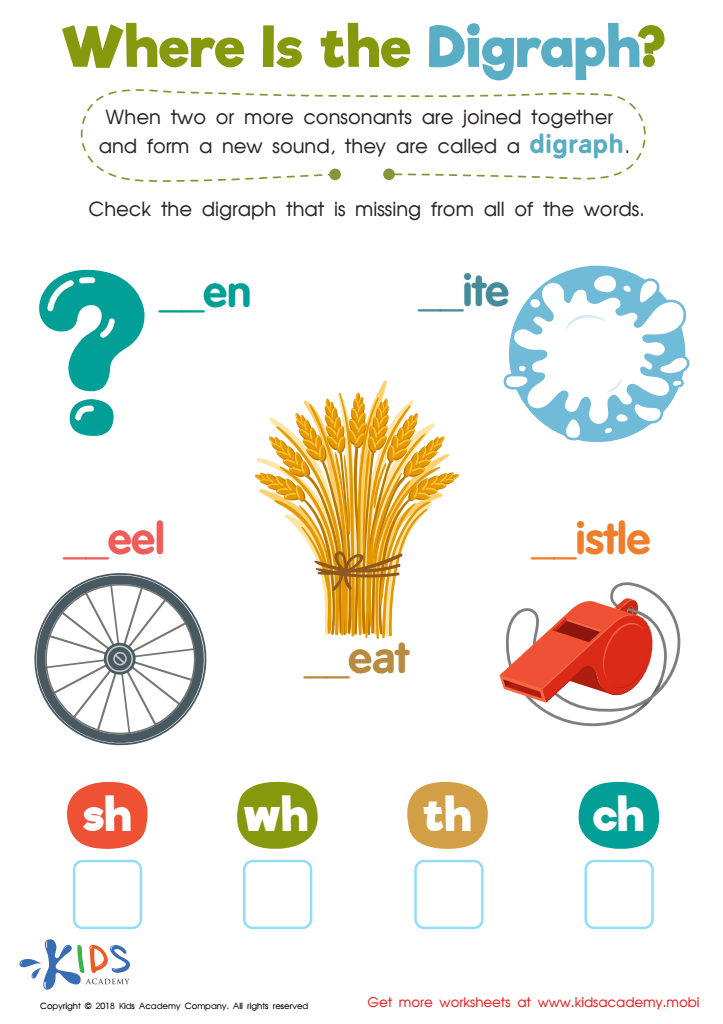
Where Is the Digraph? Worksheet
 Assign to My Students
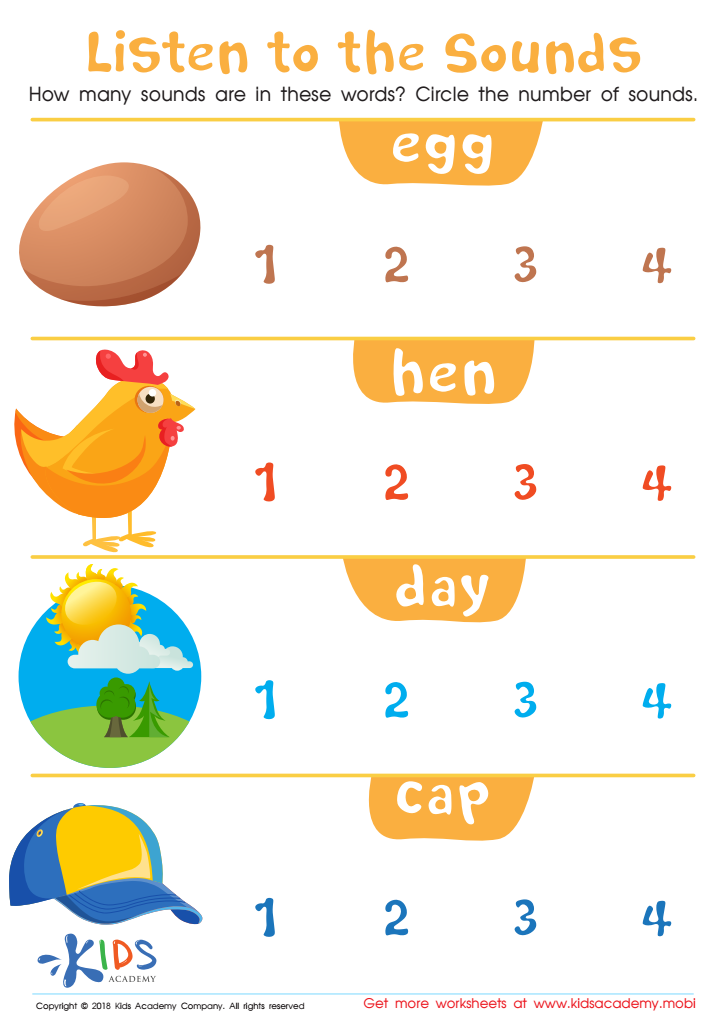
Listen to the Sounds Worksheet
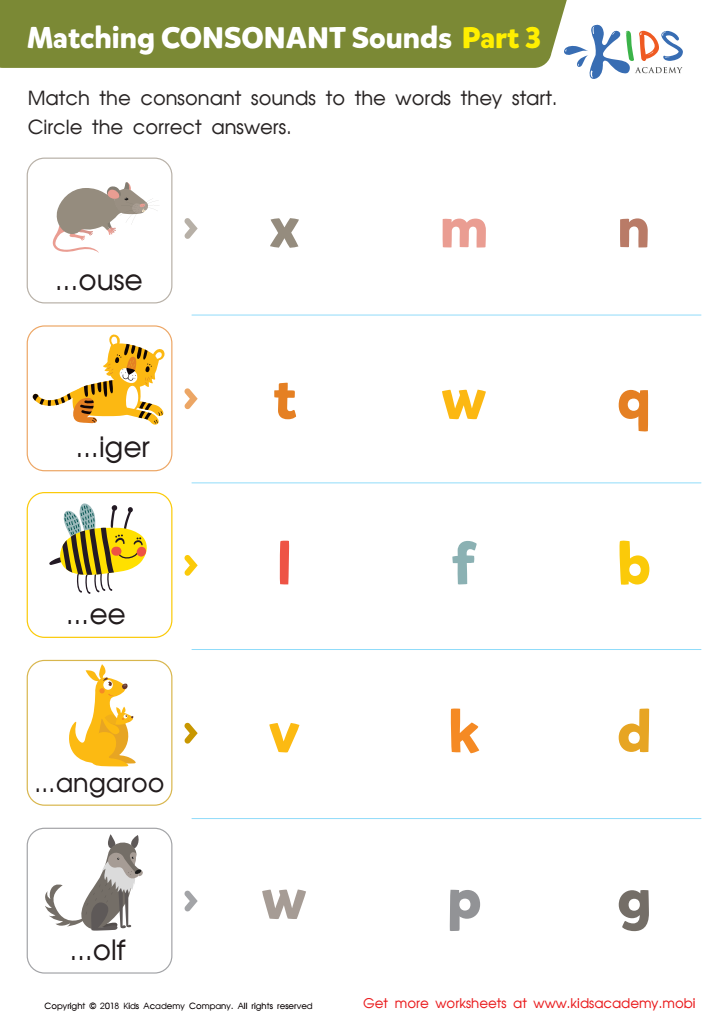
Matching Consonant Sounds: Part 3 Worksheet
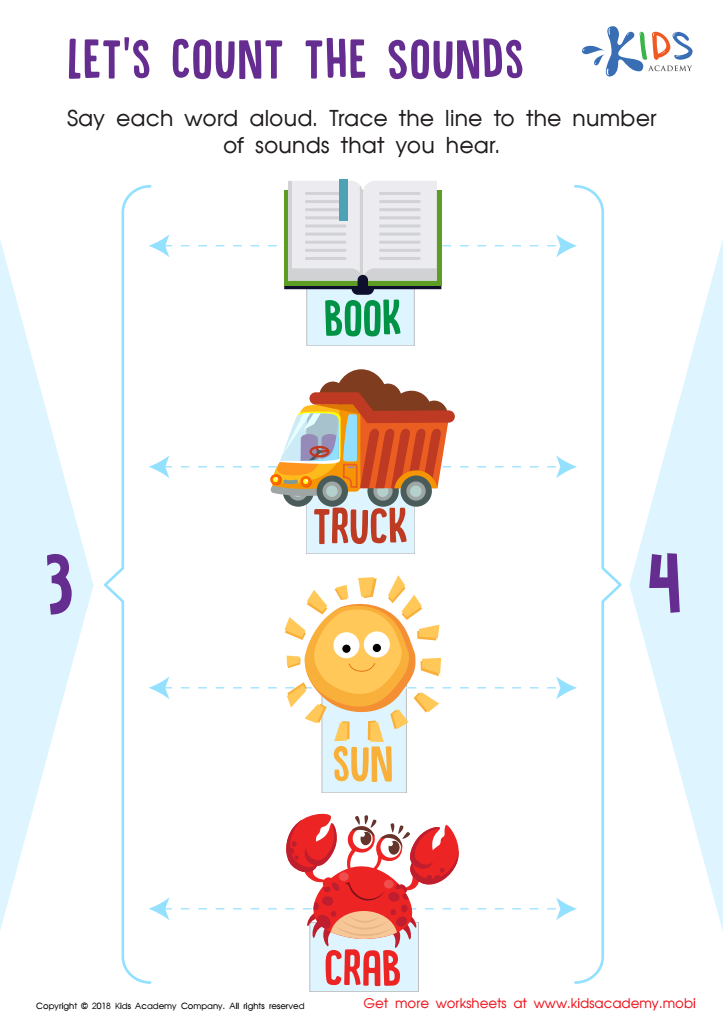
Let's Count the Sounds Worksheet
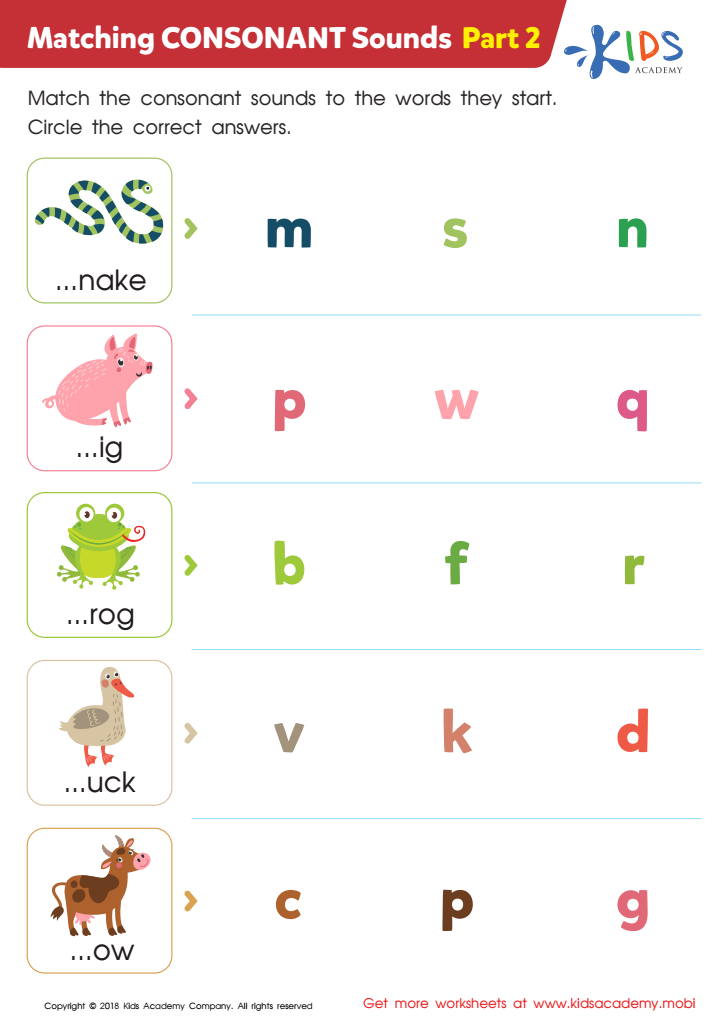
Matching Consonant Sounds: Part 2 Worksheet
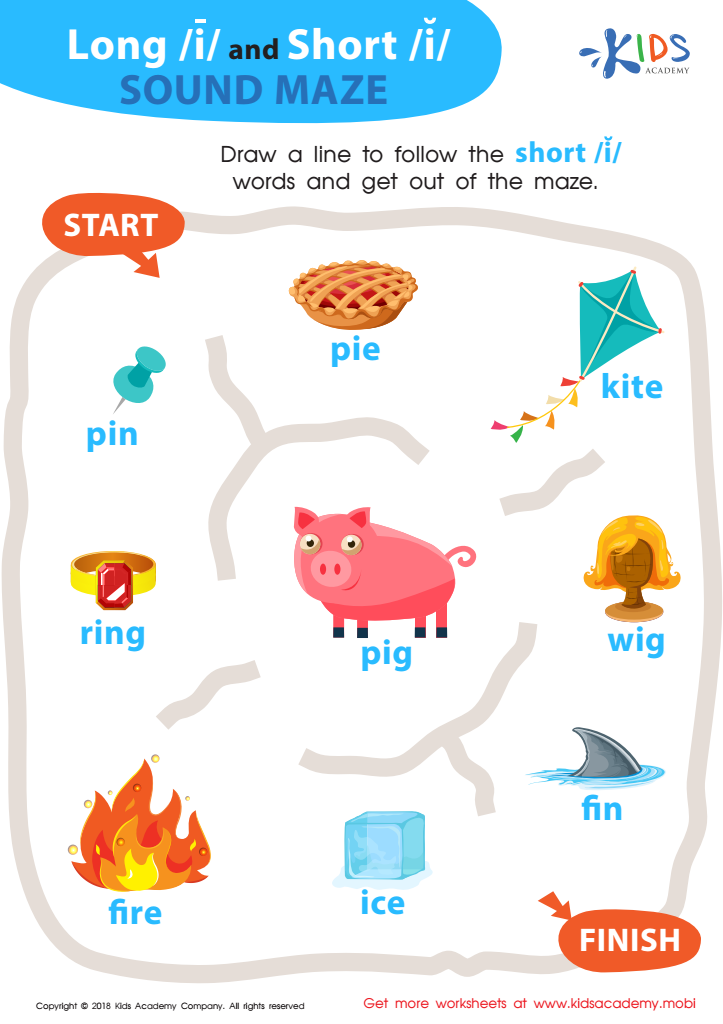
Reading: Long I and Short I Sound Maze Worksheet
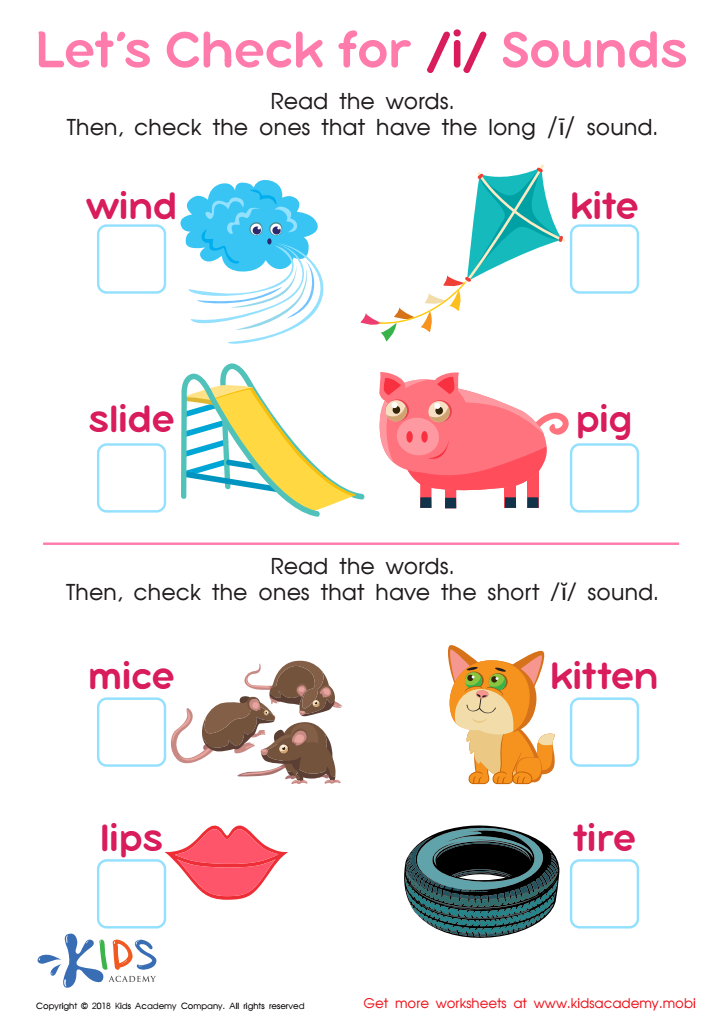
Let's Check for «i» Sounds Worksheet
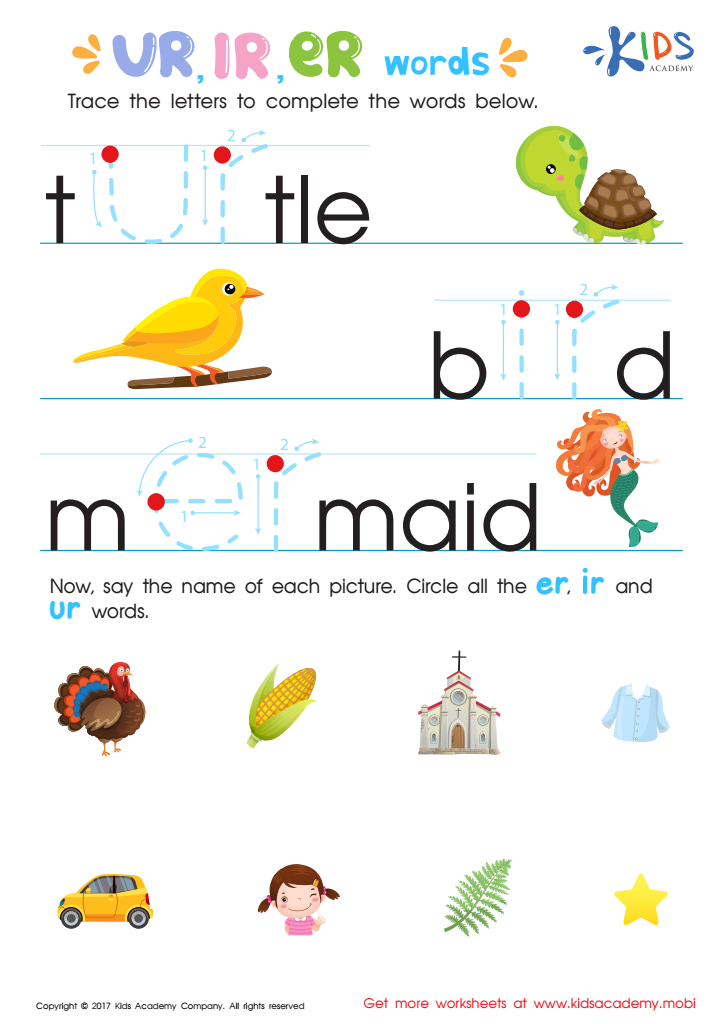
IR UR ER Words Worksheet








Phonics recognition is a crucial skill for children aged 6-7 as it lays the foundation for reading fluency, comprehension, and future academic success. At this age, children's brains are primed for language development, making it an ideal time to master phonics skills. Understanding the relationship between letters and sounds enables young learners to decode words, fostering confidence as they read independently.
Parents and teachers should care about phonics because it promotes critical thinking and problem-solving skills. As children learn to segment and blend sounds, they develop the ability to tackle unfamiliar words, supporting their language and communication skills. This knowledge not only helps in reading but also enhances spelling and writing abilities.
Moreover, early phonics instruction has been linked to long-term educational success. Children who struggle with phonics may experience challenges in literacy and overall academic performance. By emphasizing phonics recognition, parents and teachers can intervene early, providing targeted support to those who need it and ensuring that all learners are equipped to thrive.
In summary, prioritizing phonics recognition for young children is essential for nurturing confident, capable readers who are ready to take on new learning challenges, ultimately setting them on a path toward lifelong literacy and achievement.







