Problem-Solving Skills Normal Upper & Lowercase Letters Worksheets for Ages 6-7
3 filtered results
-
From - To
Enhance your child's learning with our Problem-Solving Skills Normal Upper & Lowercase Letters Worksheets designed for ages 6-7. These engaging activities help young learners master the alphabet while developing critical problem-solving abilities. Each worksheet blends fun puzzles with foundational literacy exercises, promoting recognition and proper usage of upper and lowercase letters. Ideal for early grade students, the worksheets not only cultivate literacy skills but also boost cognitive abilities by presenting challenges in a structured yet enjoyable manner. Perfect for classroom use or at-home practice, these worksheets offer an effective approach to learning through exploration and problem-solving.
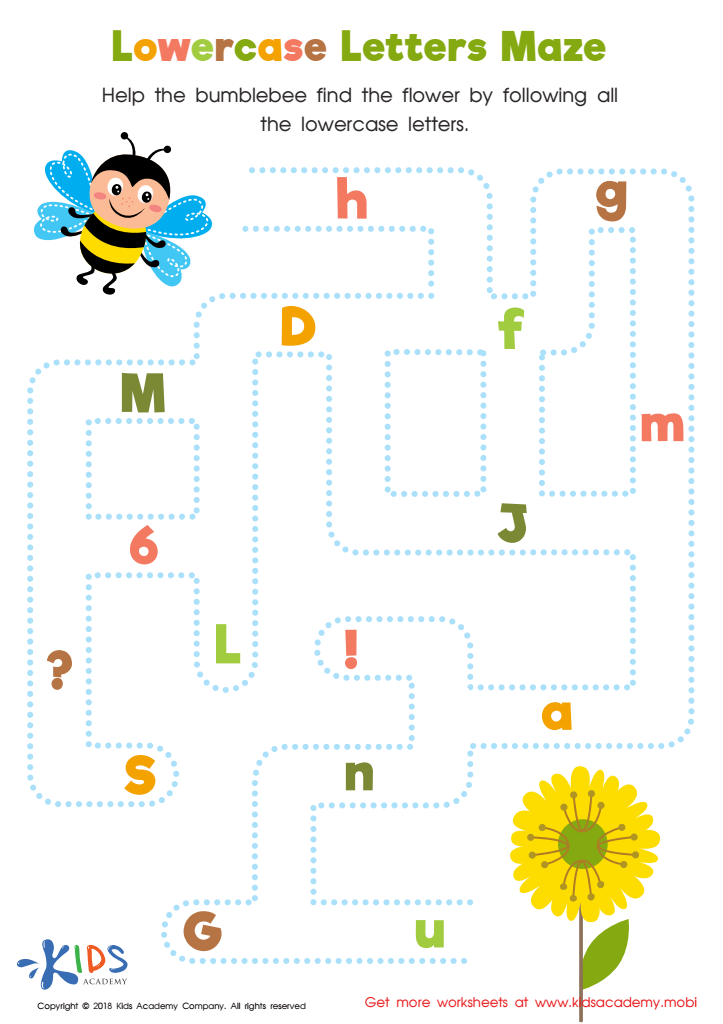
Lowercase Letters Maze Worksheet
 Assign to My Students


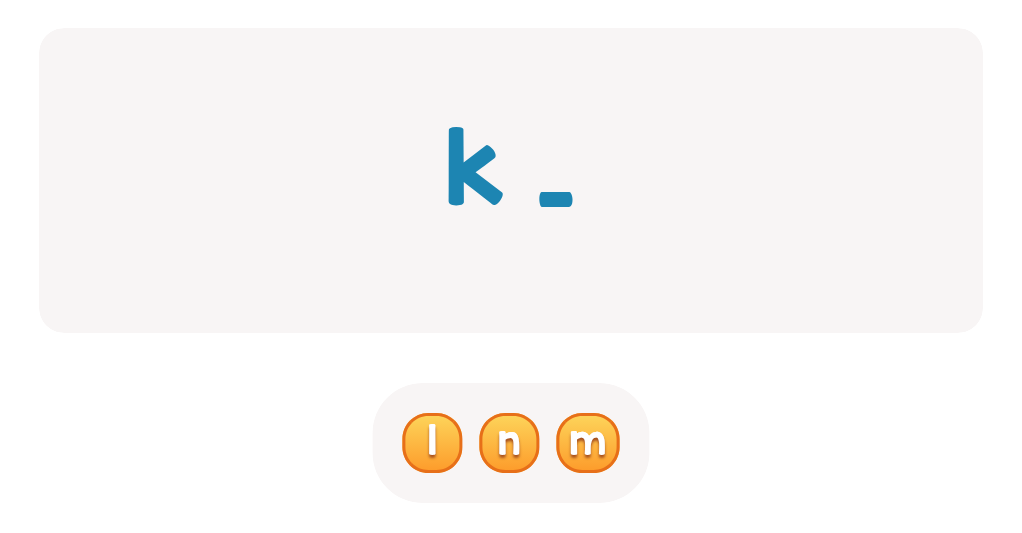







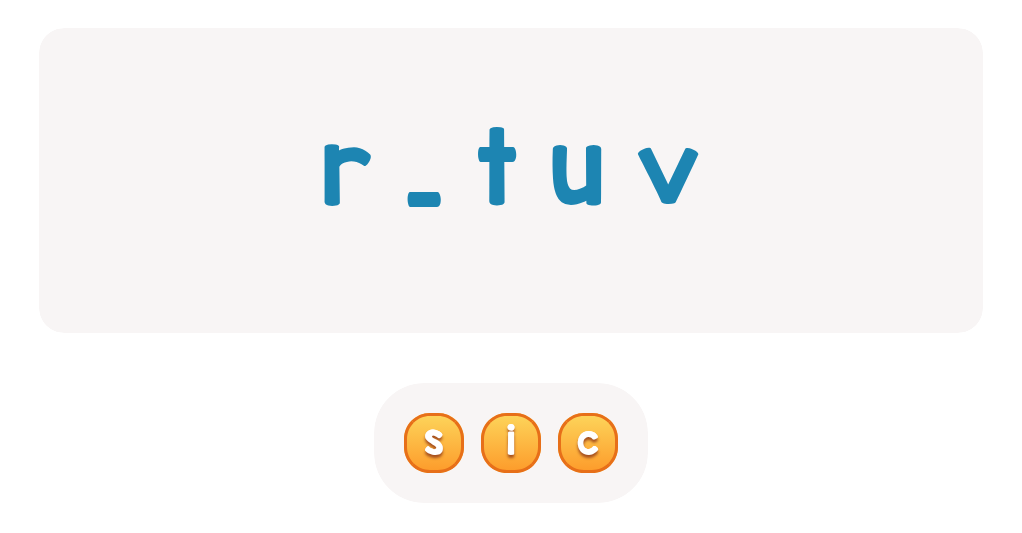
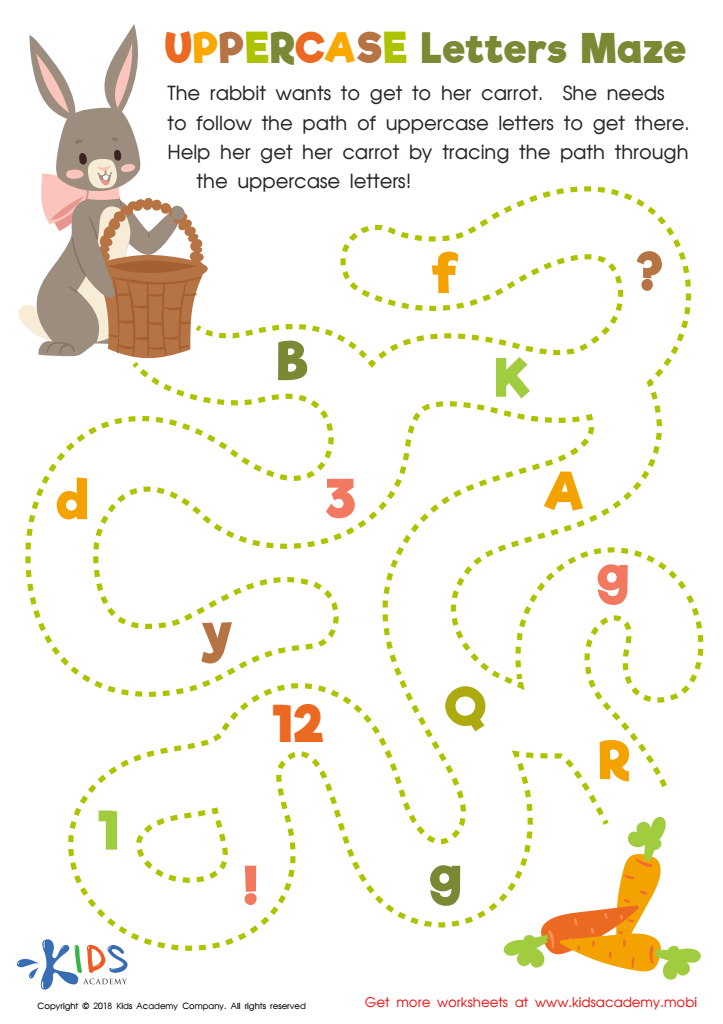
Uppercase Letters Maze Worksheet
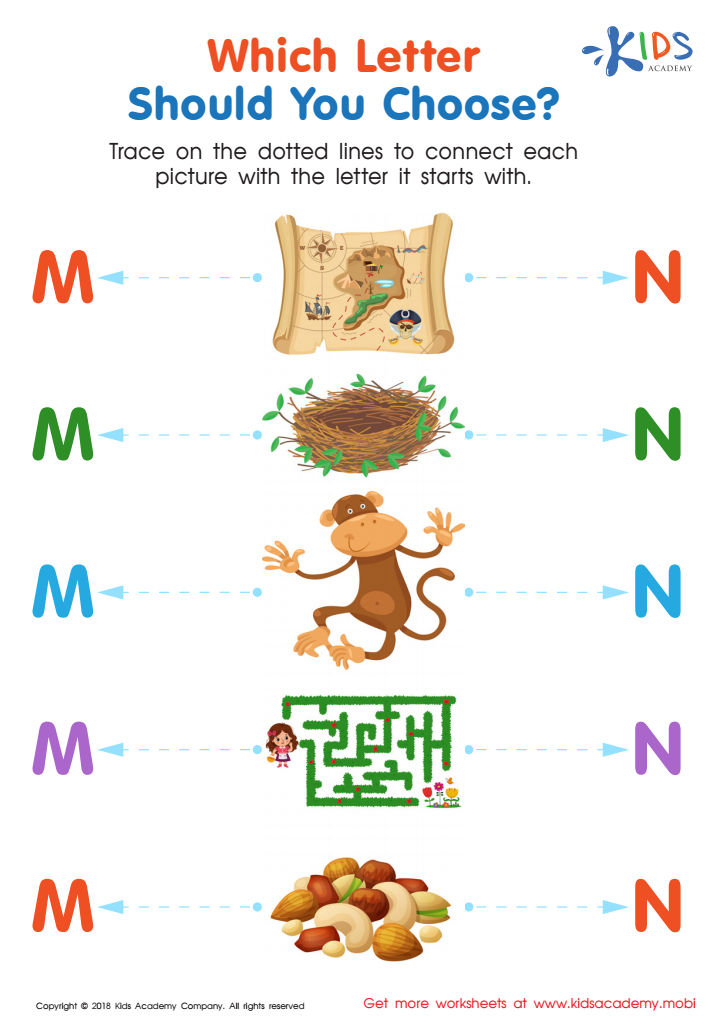
Which Letter Should you Choose? Worksheet






Parents and teachers should care deeply about developing problem-solving skills in children aged 6-7 because these abilities form the foundation for future success both academically and in life. At this age, children's brains are highly adaptable and capable of tremendous growth. Introducing problem-solving activities early helps shape their ability to think critically, manage challenges, and be more independent.
Children with strong problem-solving skills often perform better in school because they can tackle tasks methodically and persevere through difficulties. This not only improves their academic outcomes but also strengthens their confidence and resilience. When kids learn to approach a problem, brainstorm possible solutions, and try different approaches, they become more resourceful and innovative.
Being proficient in problem-solving also aids social development. Children learn to navigate social interactions more effectively, resolving conflicts with peers and making collaborative decisions. Additionally, problem-solving skills are integral in everyday life, helping children make sound decisions, manage time, and set and achieve goals.
By nurturing these abilities in early childhood, parents and teachers set the stage for lifelong competence and confidence. Engaging children in activities like puzzles, group projects, and interactive games ensures that they are well-equipped to face a variety of circumstances with optimism and capability.







