Visual discrimination skills Normal Upper & Lowercase Letters Worksheets for Ages 6-7
4 filtered results
-
From - To
Boost your child's reading and writing abilities with our Visual Discrimination Skills Normal Upper & Lowercase Letters Worksheets, designed for ages 6-7. These engaging worksheets help children distinguish between uppercase and lowercase letters, an essential skill for fluent reading and writing. Packed with fun activities, each worksheet is crafted to improve attention to detail, enhance concentration, and develop fine motor skills. Perfect for home or classroom use, our worksheets make learning enjoyable and effective. Start building a strong foundation for your child's literacy with our expertly designed resources!
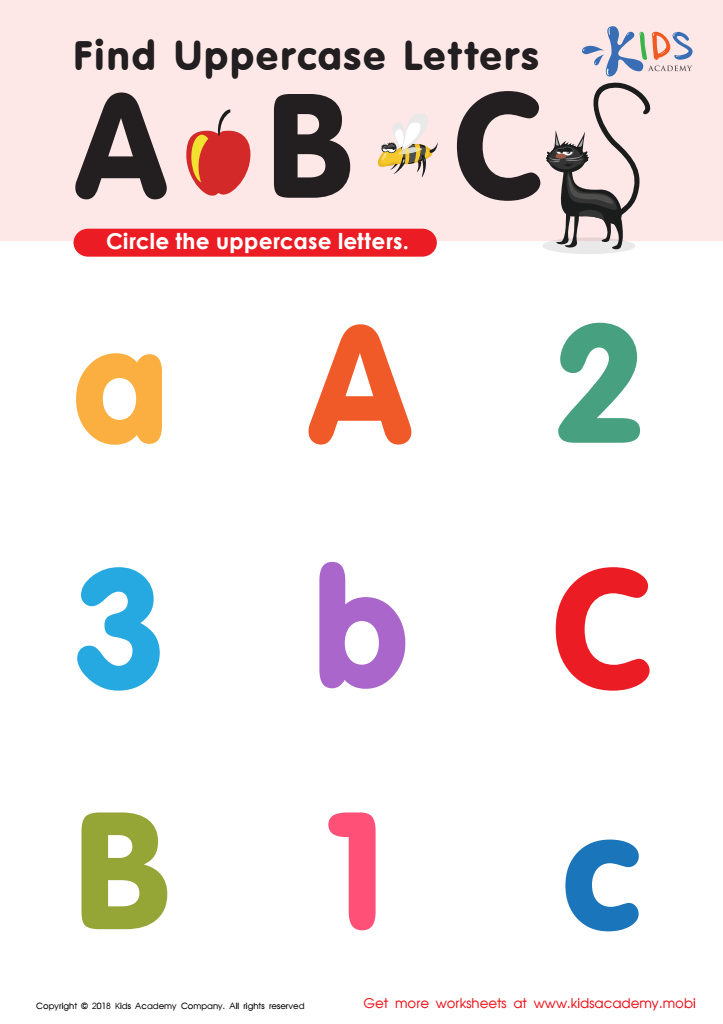
Find Uppercase Letters A, B, and C Worksheet
 Assign to My Students


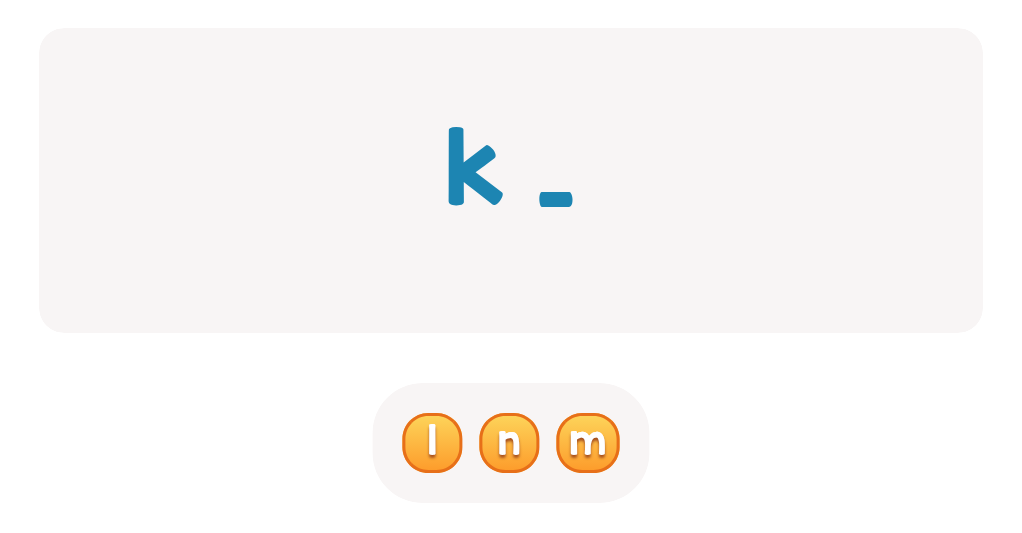
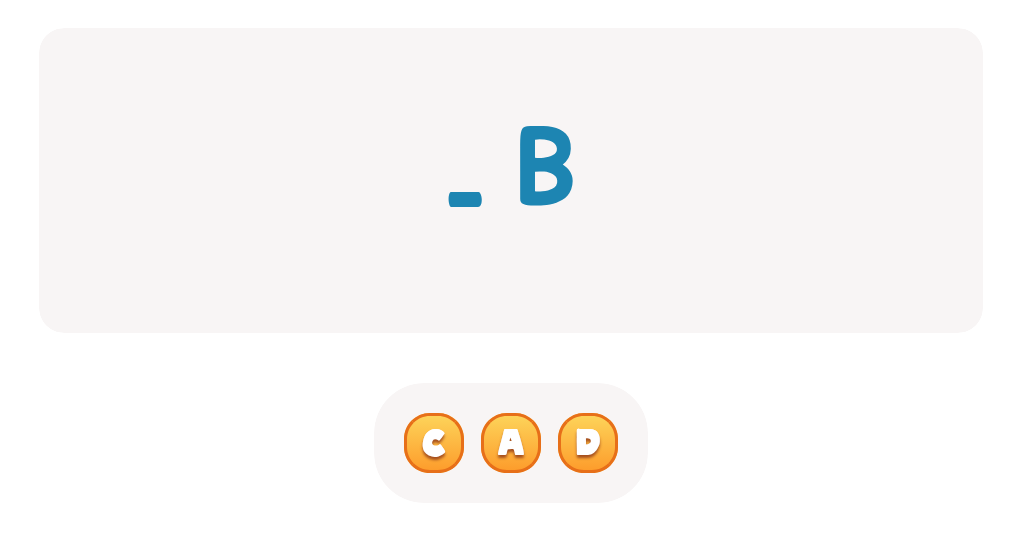
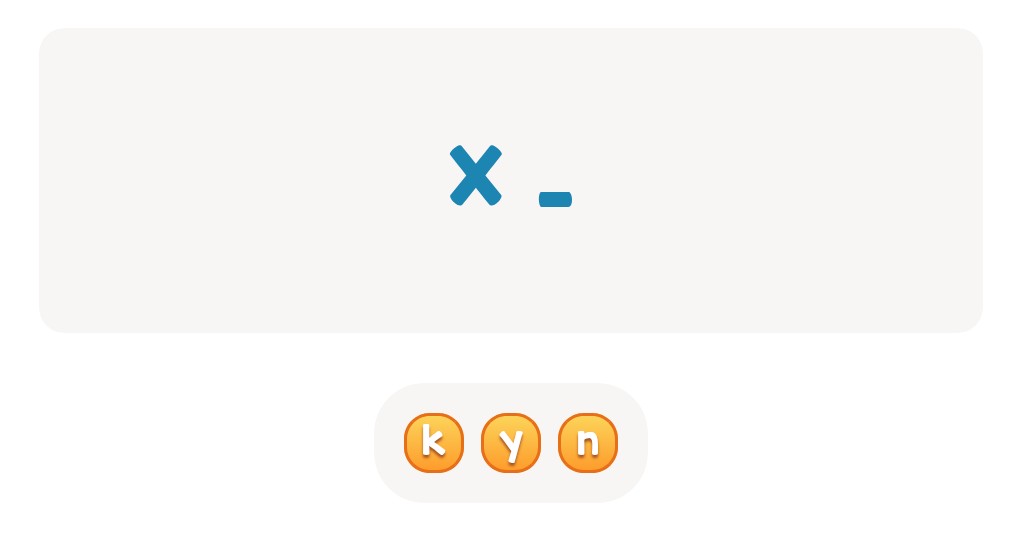
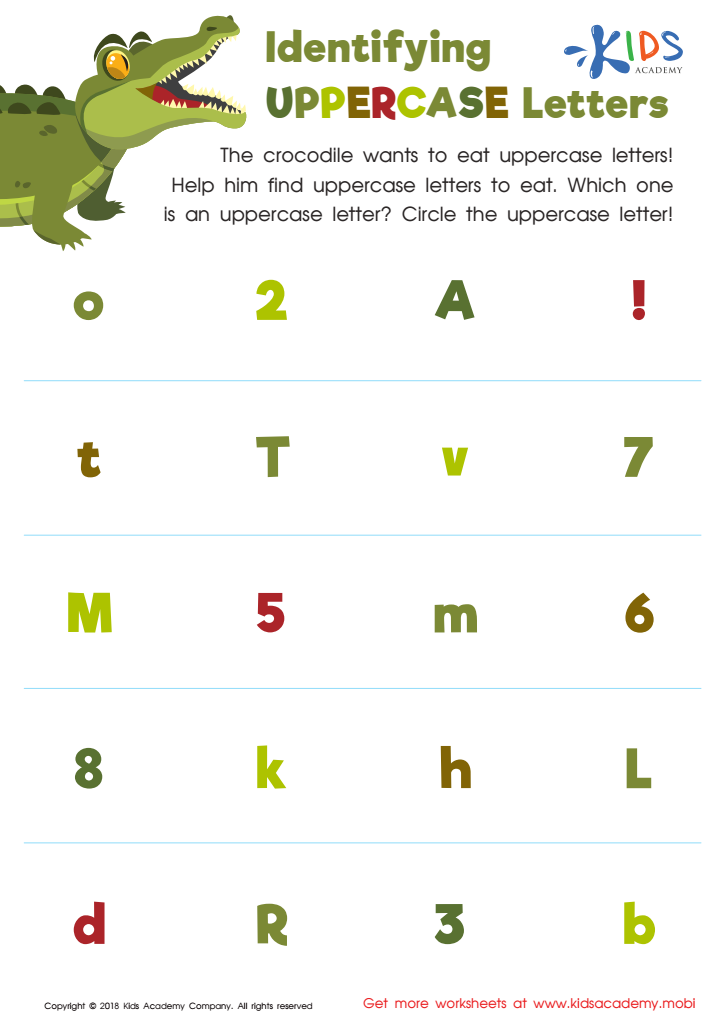
Identifying Uppercase Letters Worksheet

Find lowercase letters a b c Worksheet

Find Lowercase Letters v w x Worksheet






Visual discrimination skills in early childhood are fundamental for academic success, particularly in reading and writing. At ages 6-7, children transition from recognizing letters to understanding how these letters form words. This skill enables them to distinguish one letter from another and differentiate between visually similar shapes, like 'b' and 'd' or 'p' and 'q'.
Understanding and recognizing normal upper and lowercase letters is crucial for literacy development. Children who struggle with visual discrimination may confuse letters, affecting their ability to read fluently and write accurately. This confusion can lead to frustration and a lack of confidence, deterring their enthusiasm for learning.
Teachers and parents should care about developing these skills because they lay the groundwork for more advanced literacy skills, such as spelling, reading comprehension, and writing abilities. They can support this development through engaging activities like matching games, letter hunts, and writing exercises that reinforce letter recognition and differentiation.
Moreover, these skills are not only essential in academics but also in daily tasks, such as following written instructions and navigating the environment through signs and labels. Recognizing the importance of visual discrimination can lead parents and teachers to invest time and resources in targeted activities that promote a child's overall cognitive and academic growth.







