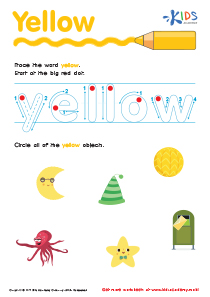
Handwriting practice Normal English for Beginners Worksheets for Ages 6-7 - Page 2
26 filtered results
-
From - To
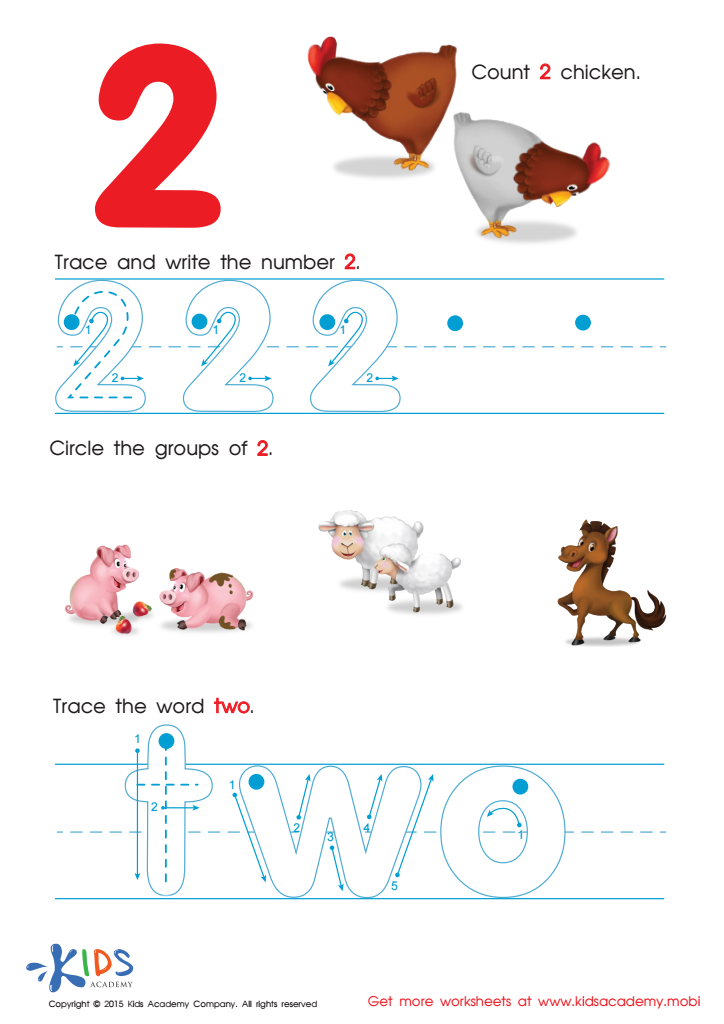
Learn to Write the Number 2 Worksheet
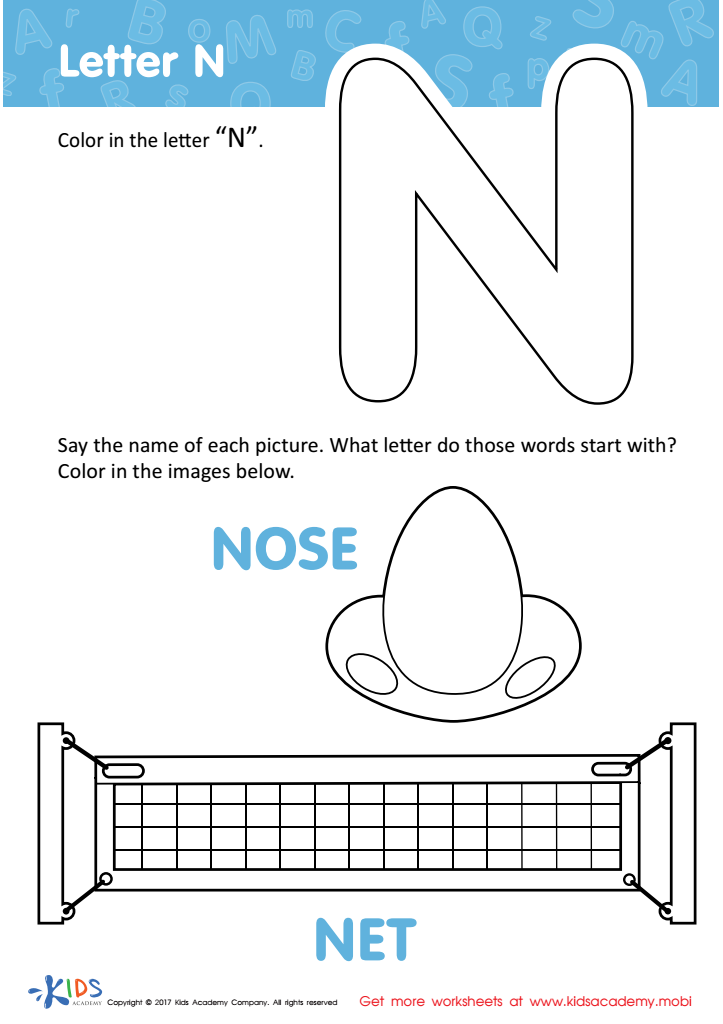
Letter N Coloring Sheet
 Assign to My Students





Parents and teachers should prioritize handwriting practice for children ages 6-7 for several key reasons. First, handwriting is an essential foundational skill that supports a child's academic success. Good handwriting allows children to express their thoughts clearly and effectively on paper, which is vital for learning and communication.
Additionally, practicing handwriting helps develop fine motor skills, crucial for various daily tasks beyond writing, such as typing, drawing, and even self-care activities like buttoning shirts. Since children in this age group are still refining their motor skills, focused practice can aid their overall physical development.
Moreover, handwriting exercises can enhance cognitive skills. The act of writing involves coordination between the brain and hand, reinforcing memory and understanding of letter formation, spelling, and grammar. This cognitive engagement can ultimately improve literacy skills.
Lastly, handwriting provides a sense of accomplishment. As children see their improvement, it builds confidence and motivation in their learning journey. Encouraging practice will not only benefit their academic performance but also foster a positive attitude toward learning. Thus, both parents and teachers should engage children in enjoyable handwriting activities to support their growth and development during these formative years.