Attention to Detail Normal Worksheets for Ages 6-7
6 filtered results
-
From - To
Enhance your child's focus and observation skills with our Attention to Detail Normal Worksheets designed specifically for ages 6-7. These engaging worksheets promote critical thinking and creativity while helping young learners improve their ability to identify subtle differences and patterns. Each worksheet is crafted with age-appropriate themes and colorful illustrations to captivate their imagination and keep them motivated. Perfect for home or classroom use, these resources provide valuable practice in developing attention to detail skills essential for academic success. Empower your child’s learning journey today with our interactive and fun attention-focused activities!
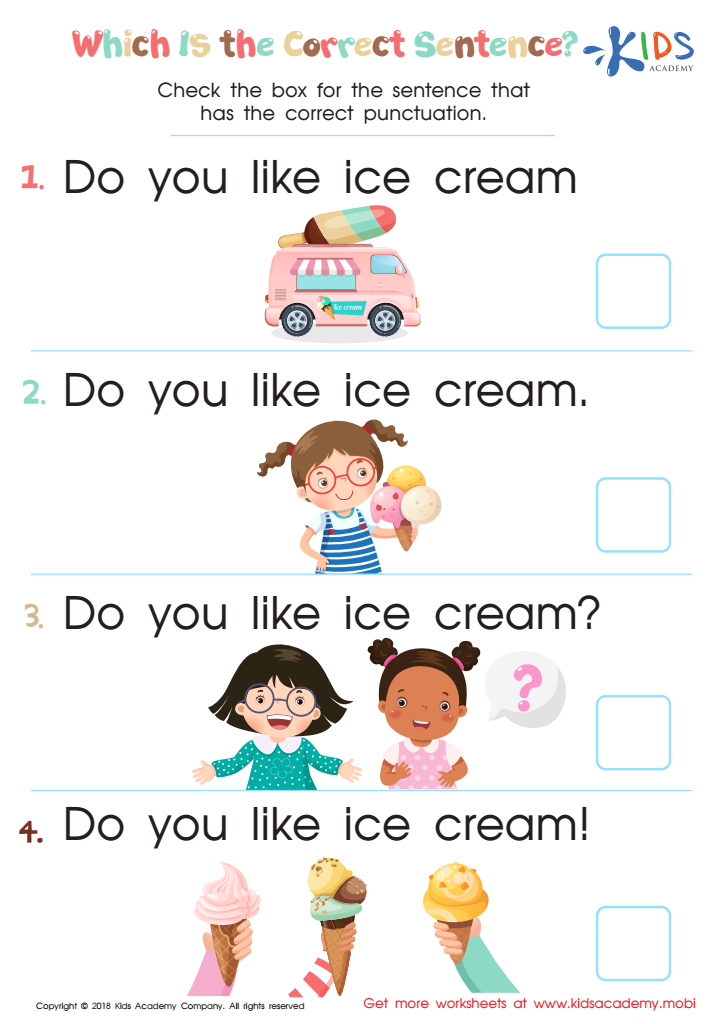
Which is the Correct Sentence? Worksheet
 Assign to My Students
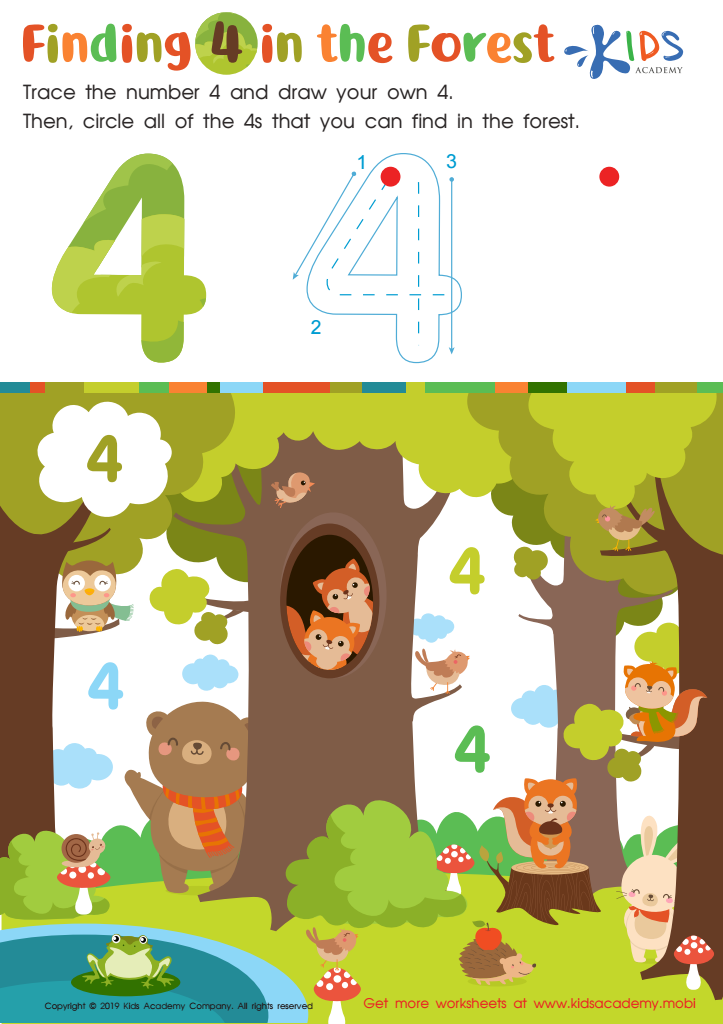
Finding 4 in the Forest Worksheet
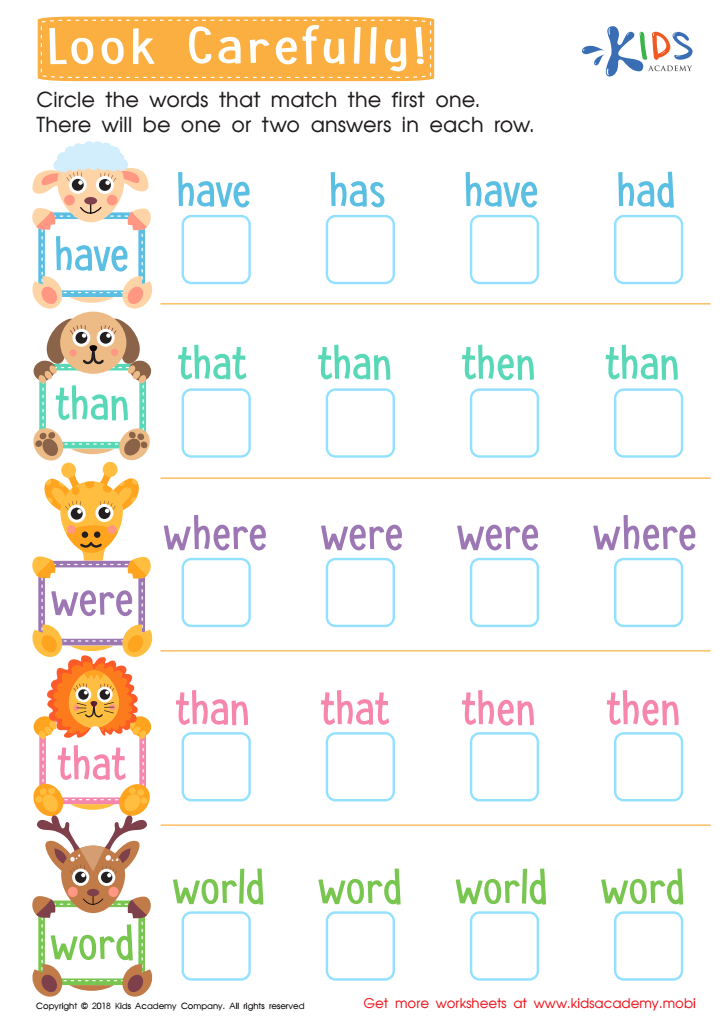
Look Carefully Worksheet
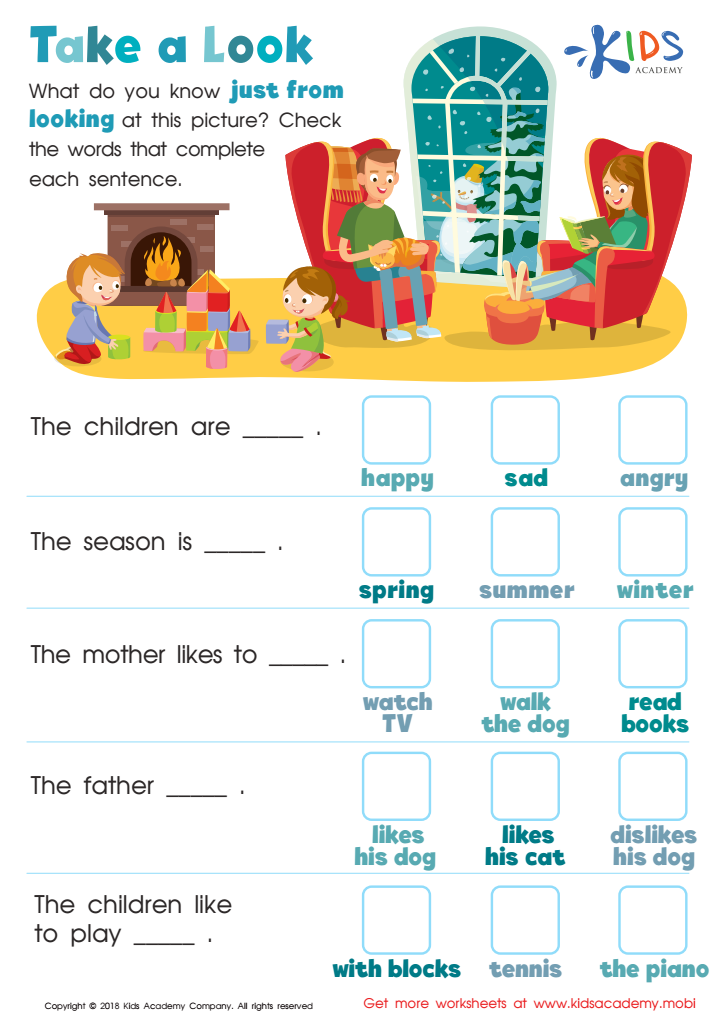
Take a Look - Part 1 Worksheet
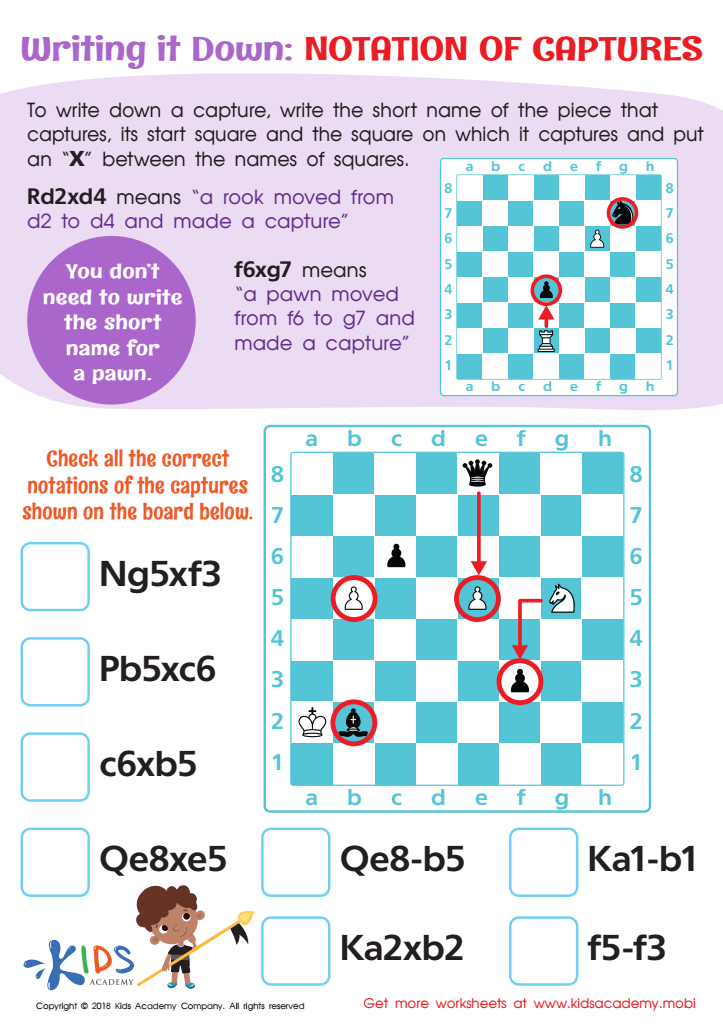
Notation of Captures Writing it Down Worksheet

Find 5 Worksheet


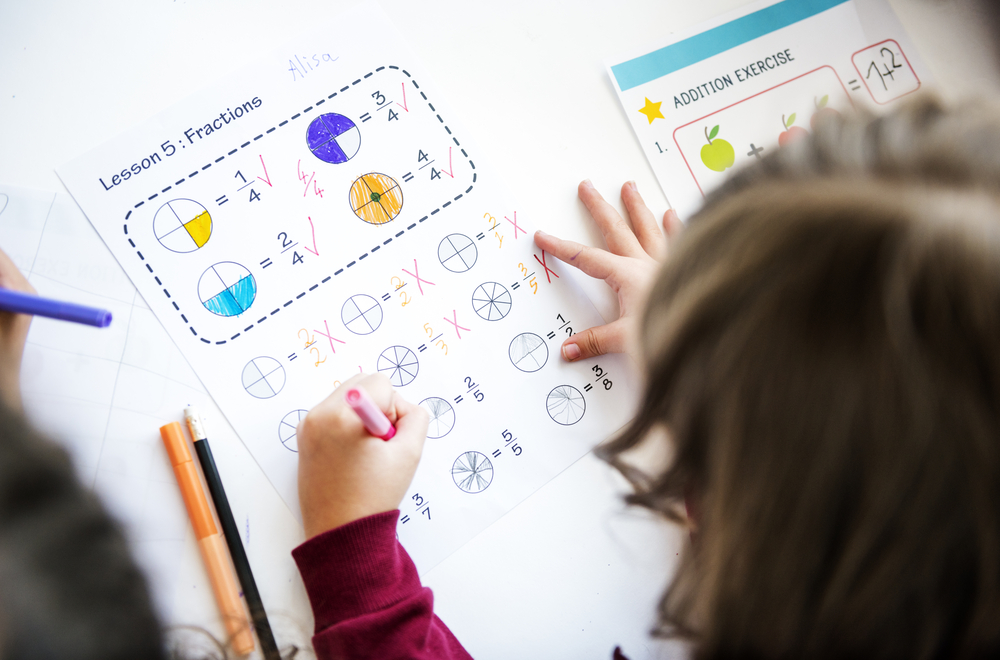





Attention to detail is a critical skill for children ages 6-7, as it lays the foundation for their academic and social development. At this stage, children are beginning to tackle more complex tasks in reading, math, and writing. When they cultivate the ability to notice small nuances—such as changes in letters, numbers, or story elements—they enhance their comprehension and critical thinking skills. Teachers and parents should prioritize cultivating this skill, as it directly impacts performance in schoolwork.
Moreover, attention to detail fosters better organizational habits, encouraging children to manage their belongings, complete homework more effectively, and follow instructions accurately. Missed details can lead to overlooked information, resulting in frustration or disengagement. By honing this skill, children become more adept problem solvers, able to analyze situations and think logically, which are crucial skills in today’s world.
Additionally, the ability to pay attention to detail contributes to children's social interactions. Learning to observe cues in conversations helps them develop empathy and improve relationships with peers. Therefore, by nurturing attention to detail, parents and teachers empower children with skills that promote academic success, self-confidence, and positive interpersonal relationships. Overall, this focus is essential for holistic development in early childhood.








