Color recognition Normal Worksheets for Ages 6-7 - Page 2
30 filtered results
-
From - To
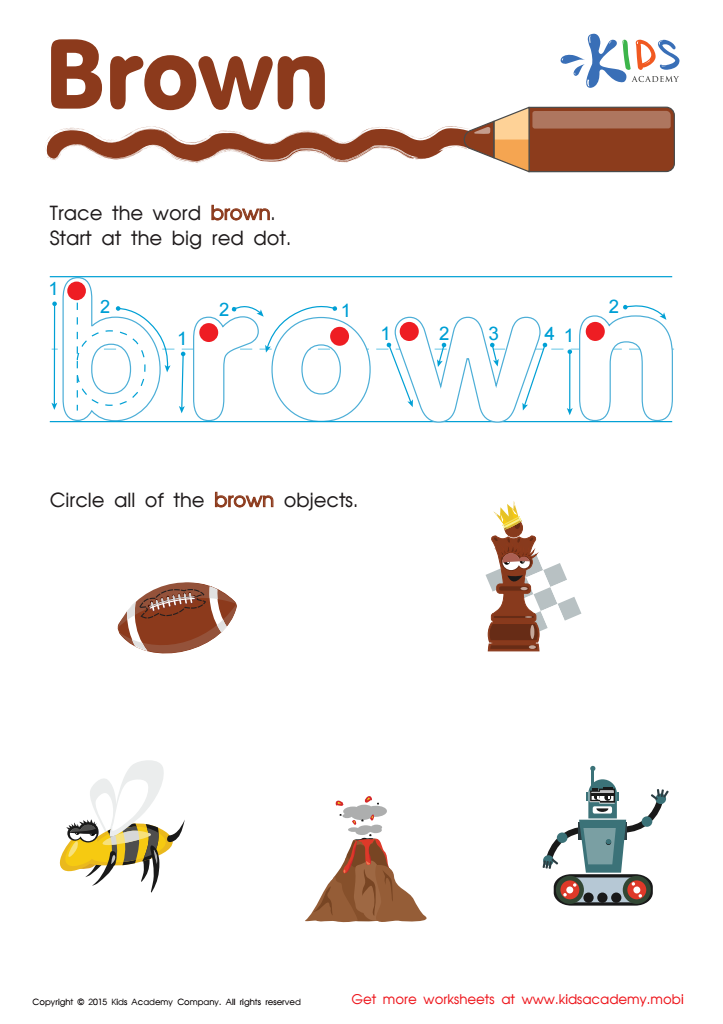
Brown Tracing Color Words Worksheet
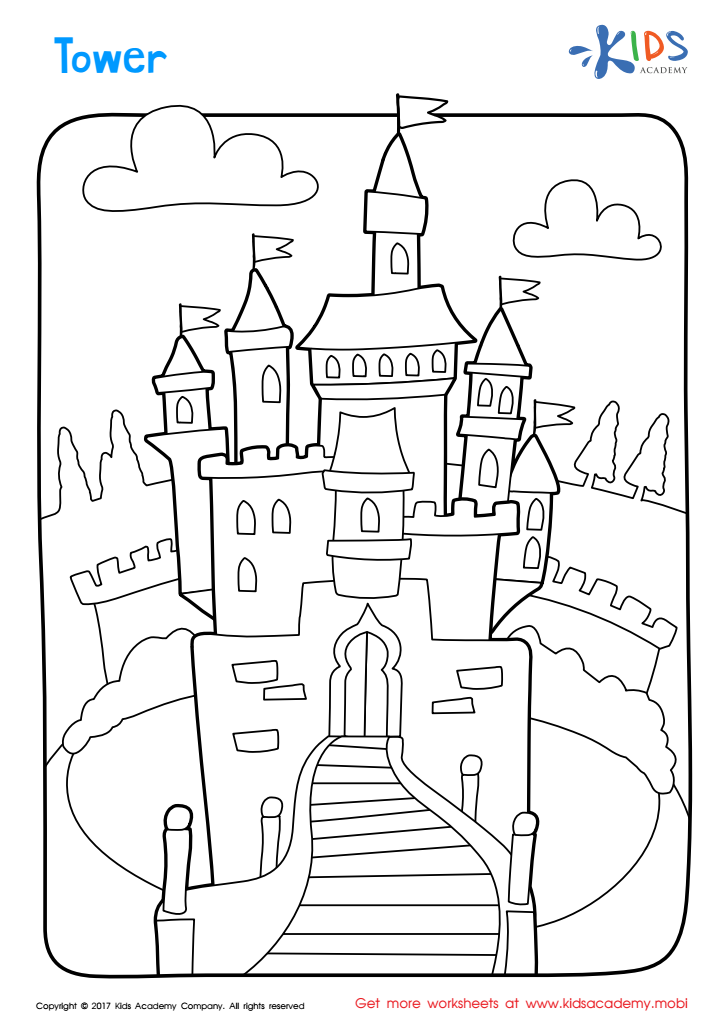
Tower Coloring Page
 Assign to My Students
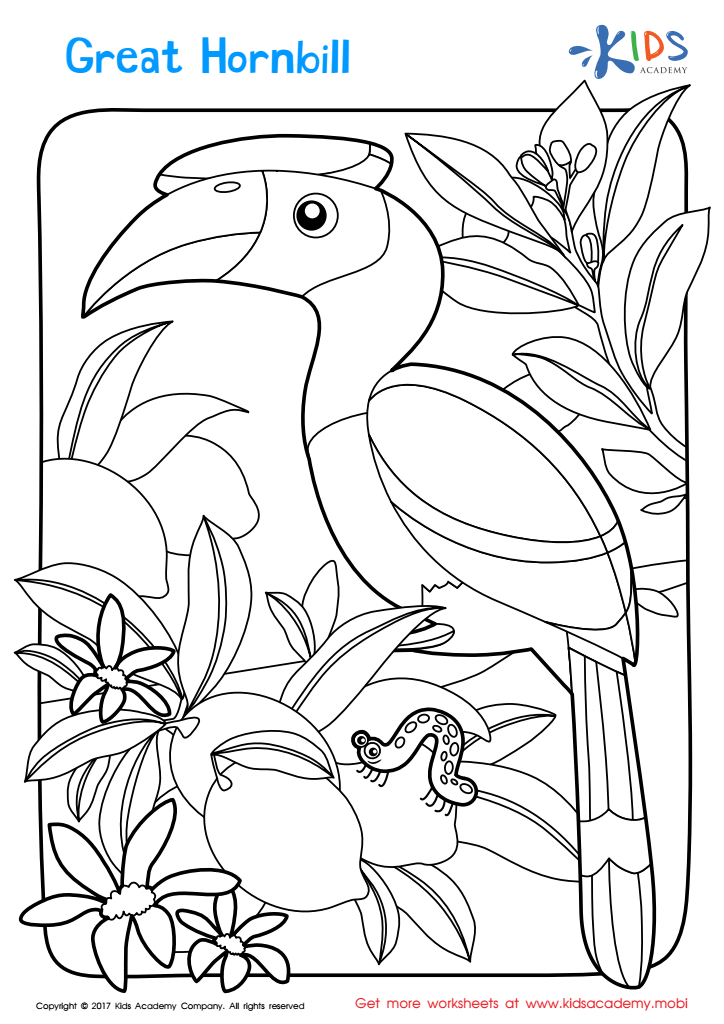
Great Hornbill Worksheet
Assign to My Students
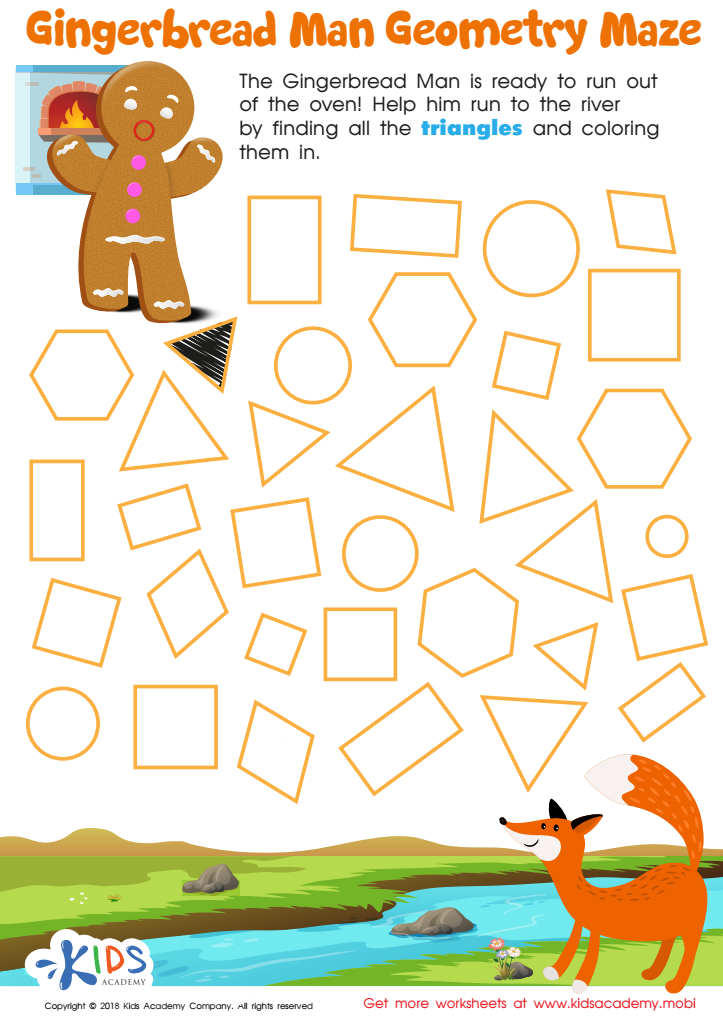
Gingerbread Man Geometry Maze Worksheet
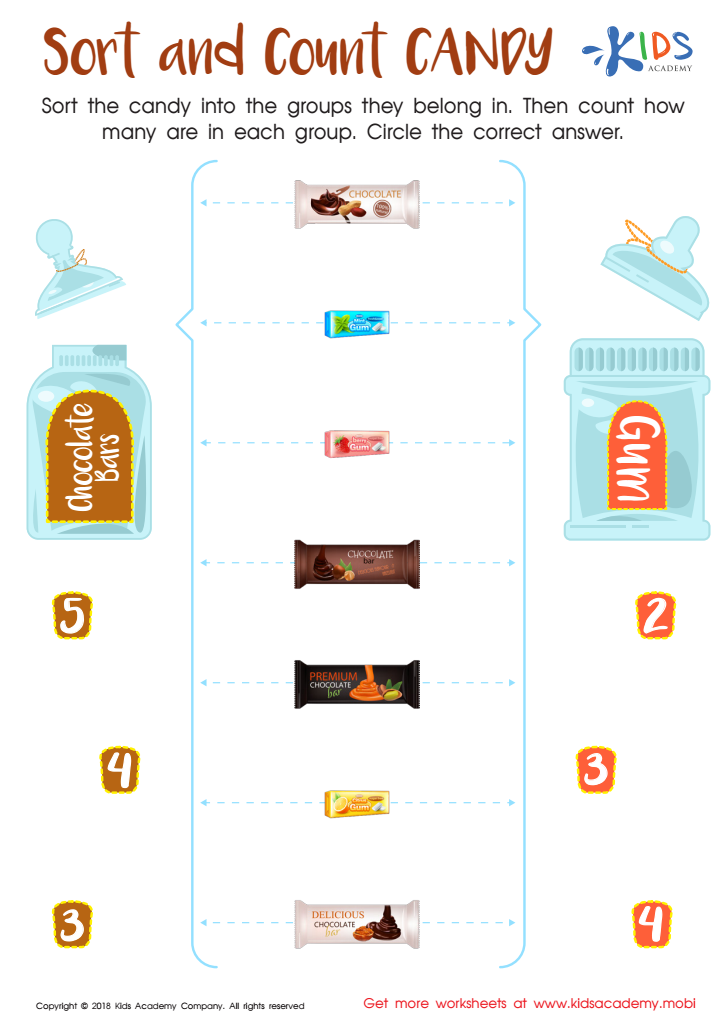
Sort and Count Candy Worksheet
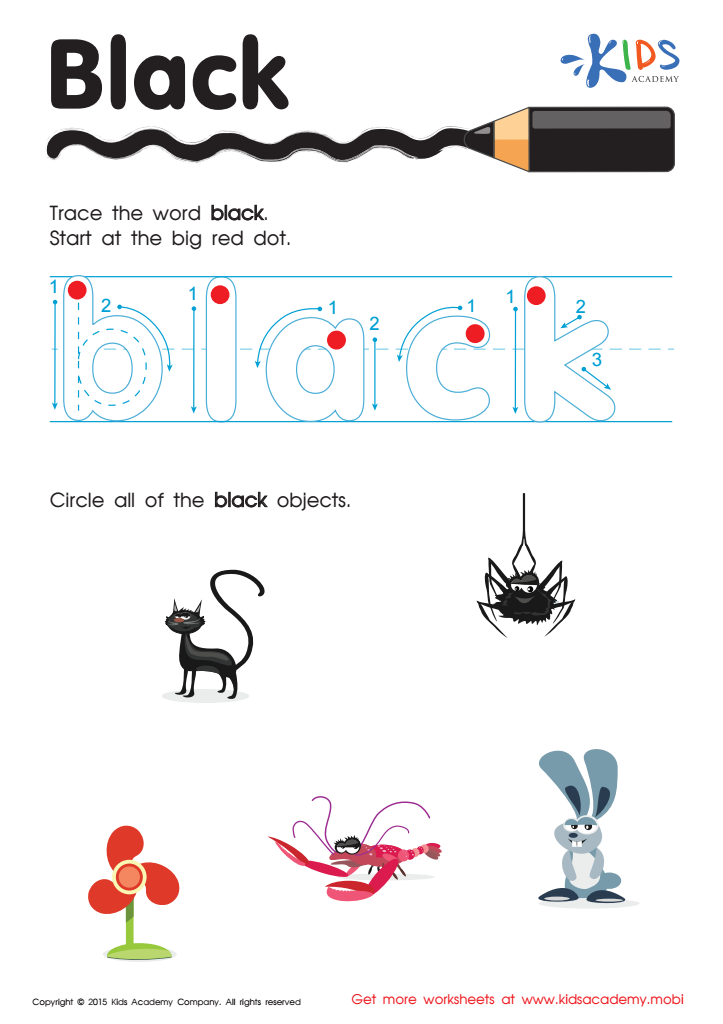
Black Tracing Color Words Printable







Color recognition is a fundamental skill for children ages 6-7, playing a crucial role in their cognitive development and everyday functioning. Firstly, it enhances a child's vocabulary and communication skills, as they learn to identify and articulate different colors. This ability is not just about naming colors; it reflects their understanding of the world around them.
Furthermore, color recognition serves as a building block for more complex learning concepts. When children start to explore art, math, and science, color awareness becomes integral to tasks such as sorting, pattern recognition, and even understanding temperature (such as warm vs. cool colors).
Moreover, developing color recognition skills supports a child’s emotional development—through activities such as art and creative play, children express themselves and explore emotions, which can be facilitated by their understanding of color.
Lastly, in terms of practical life skills, being able to recognize and name colors aids in safety (such as identifying traffic signals) and social interactions, as colors often form part of personal identity and expression (like choosing clothes or interpreting cultural signs). Therefore, parents and teachers should prioritize color recognition in their instruction, ensuring a well-rounded foundation for young learners.








