Understanding symmetry Normal Worksheets for Ages 6-7
3 filtered results
-
From - To
Discover the essential "Understanding Symmetry Normal Worksheets" designed specifically for children ages 6-7. These engaging worksheets introduce young learners to the concept of symmetry through fun activities and illustrations. Kids will explore lines of symmetry, identify symmetrical shapes, and gain a solid understanding of this fundamental math skill. Each worksheet encourages critical thinking and spatial awareness, making learning both enjoyable and effective. Ideal for reinforcing classroom lessons or enhancing at-home learning, these resources help nurture curiosity and creativity while building a strong mathematical foundation. Download and inspire your child's love for math through symmetry today!
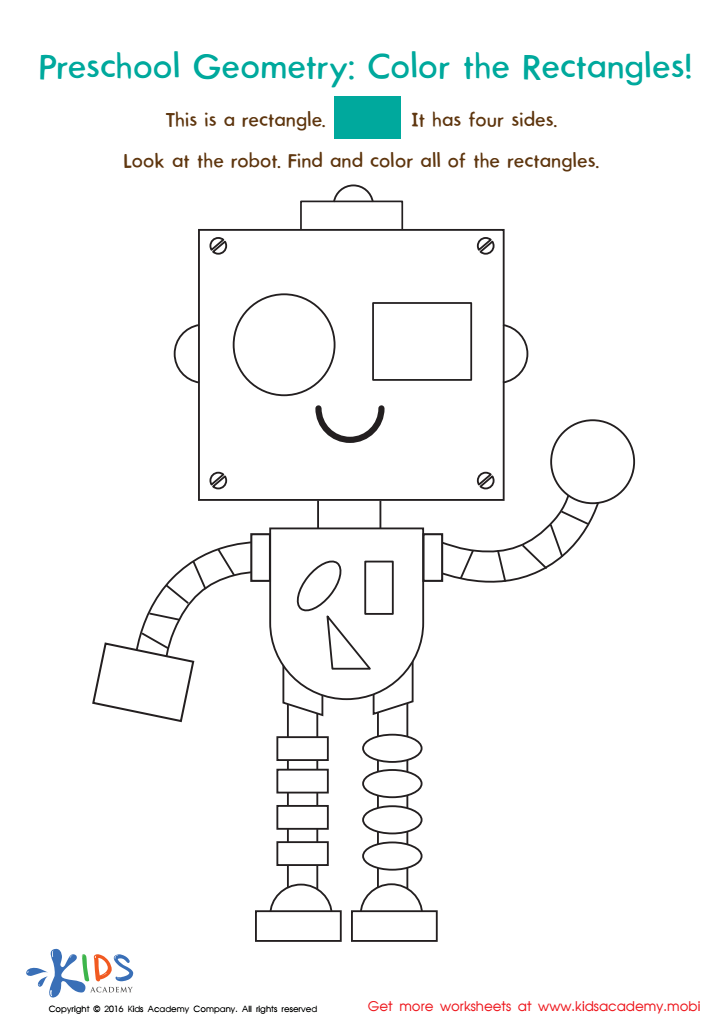
Geometry Worksheet
 Assign to My Students
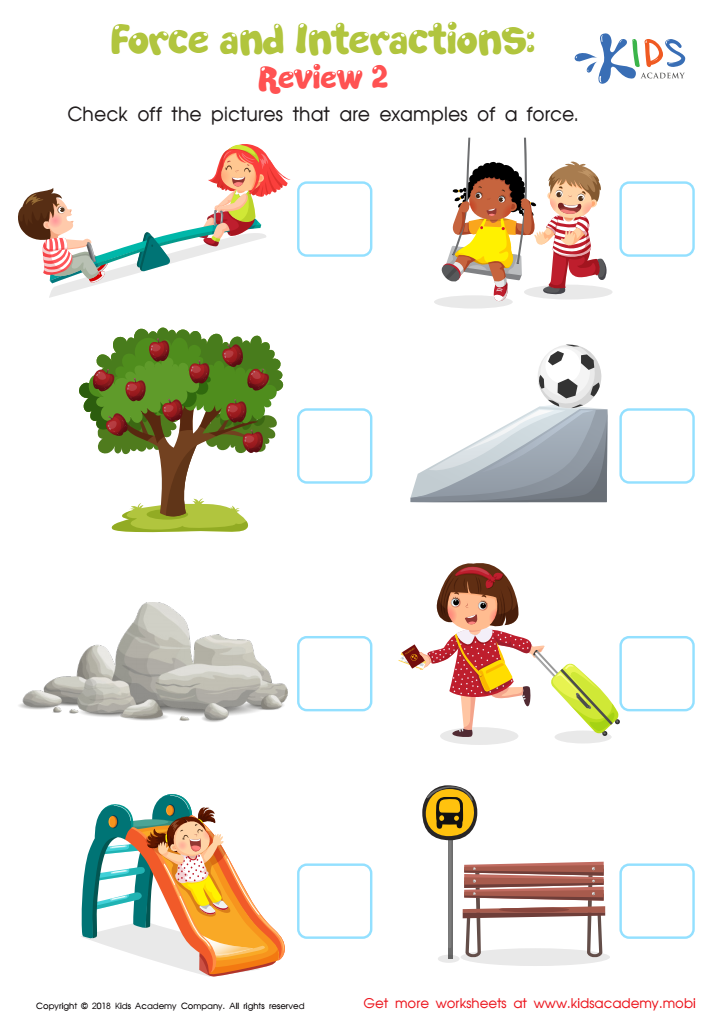
Force and Interactions: Review 2 Worksheet
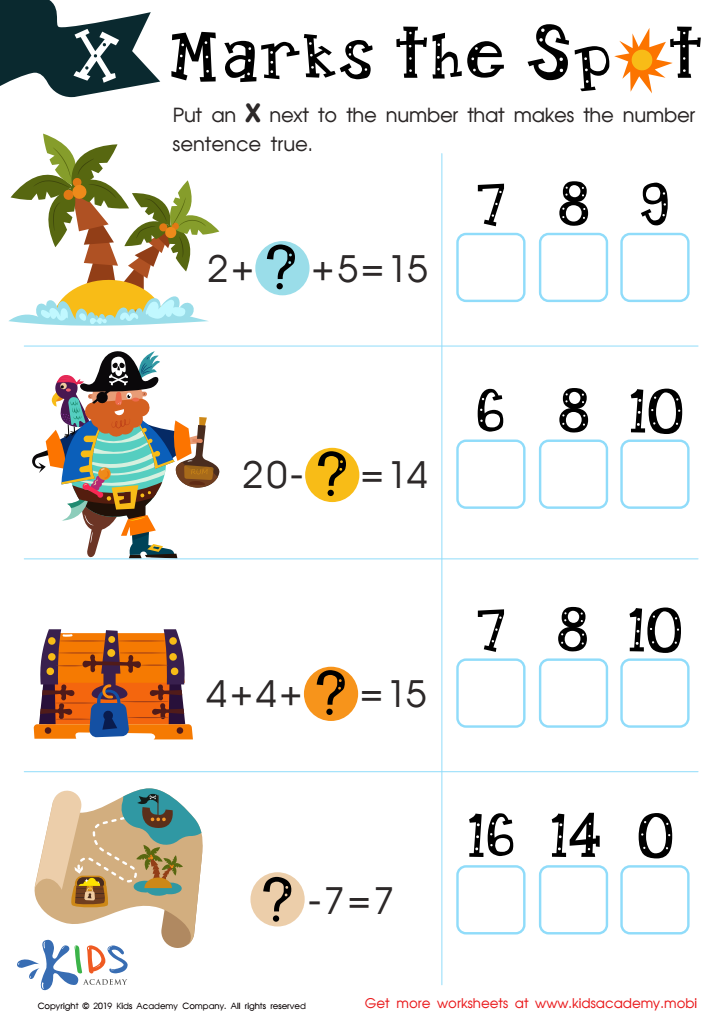
X Marks the Spot Worksheet







Understanding symmetry is fundamental for children aged 6-7, as it helps build their cognitive and critical thinking skills. At this developmental stage, children are naturally curious and eager to explore concepts like shape, balance, and patterns. Learning about symmetry encourages them to observe and appreciate the world around them, enhancing their spatial awareness and ability to recognize relationships between different objects.
From a mathematical standpoint, symmetry lays the groundwork for more advanced concepts, such as geometry, spatial reasoning, and even algebra in later years. By mastering symmetry early on, children gain confidence in problem-solving and analytical skills that are essential for academic success.
Additionally, understanding symmetry connects to art and creativity, encouraging children to express themselves through drawing, crafting, and other visual arts. This integration of math and art fosters a more well-rounded education, allowing them to see the beauty in both disciplines.
Moreover, engaging with symmetry can be social—children can work collaboratively on projects or games that promote teamwork and communication. By emphasizing the importance of symmetry, parents and teachers help cultivate a curious, insightful, and imaginative generation, preparing them for future learning and discovery.








