Counting skills Normal 2D Shapes Worksheets for Ages 6-7
4 filtered results
Difficulty Level
Grade
Age
-
From - To
Subject
Activity
Standards
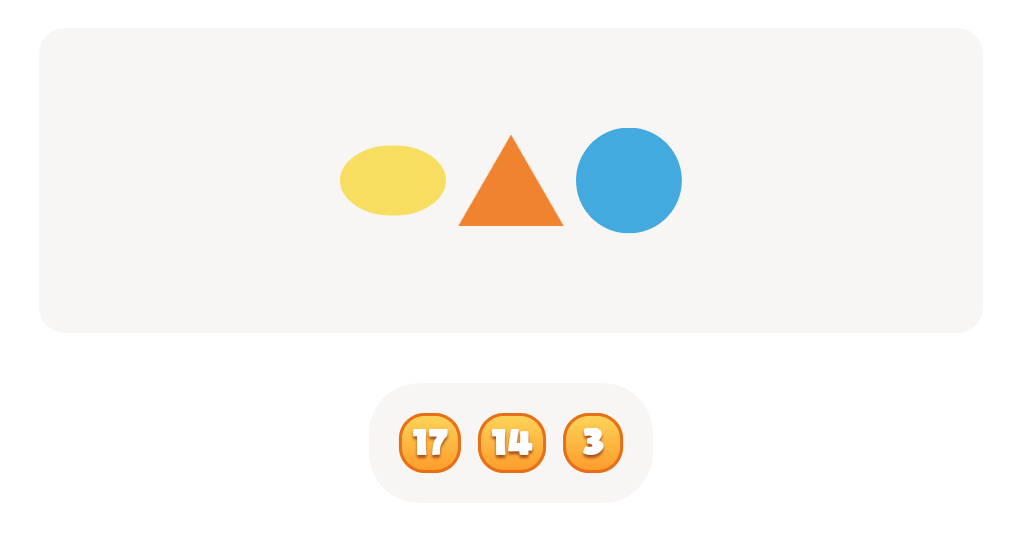
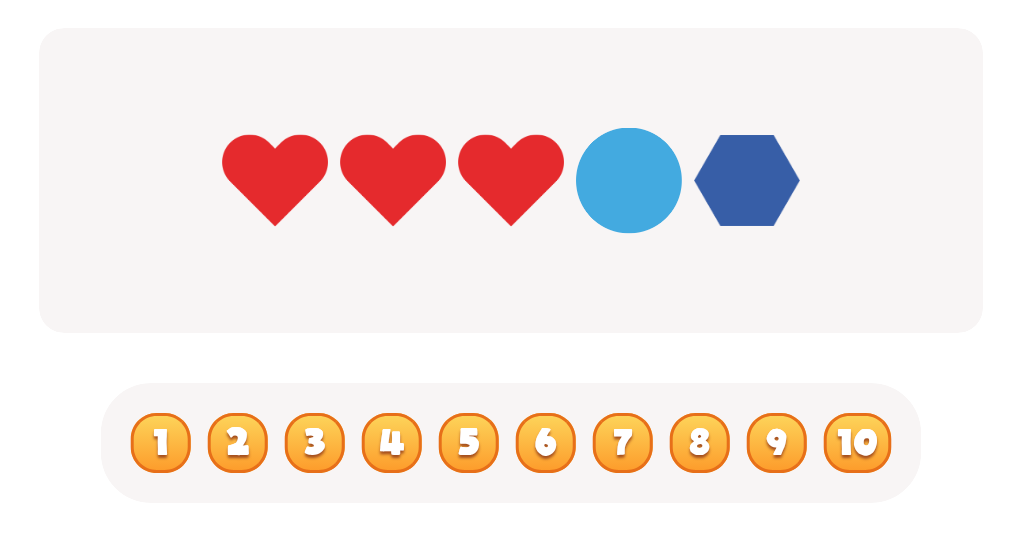
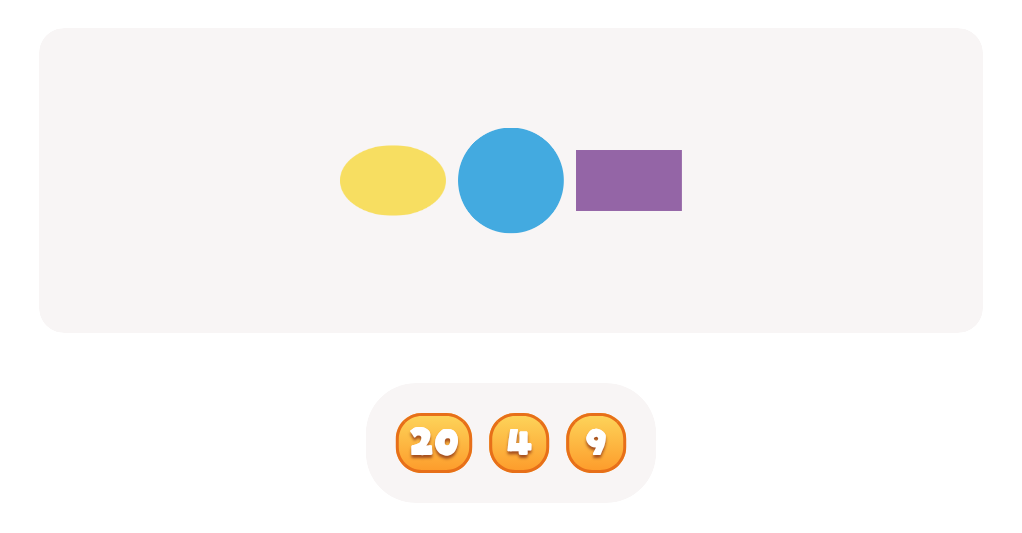
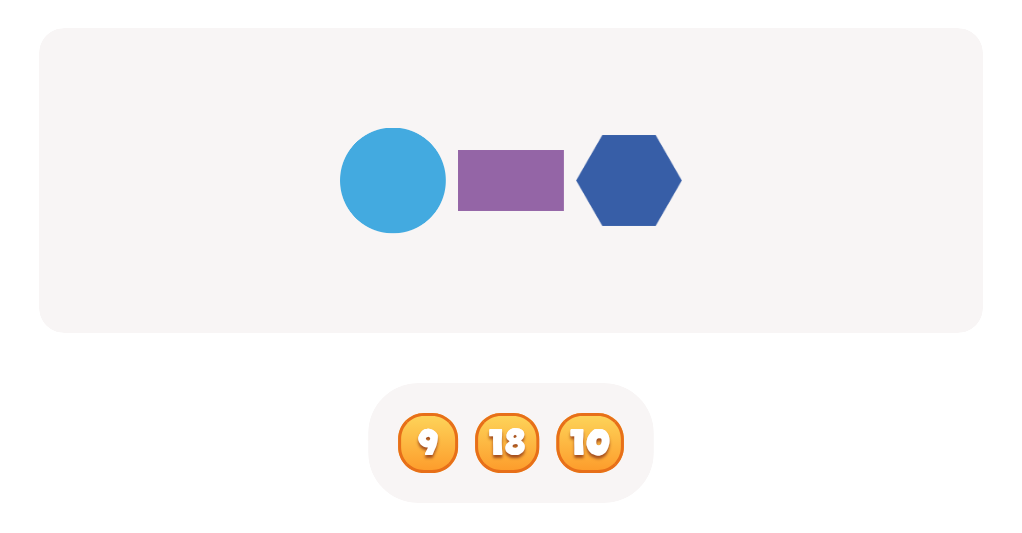
Prepare your child for math success with our "Counting Skills Normal 2D Shapes Worksheets for Ages 6-7." These engaging and educational worksheets are designed for young learners to practice counting while familiarizing themselves with basic 2D shapes like squares, circles, and triangles. Each worksheet combines fun activities with clear illustrations to help children develop essential counting skills and shape recognition. Perfect for at-home learning or classroom use, our worksheets build a strong foundation for future math learning in a creative and enjoyable way. Download now to make counting and shape identification an exciting part of your child's day!
Favorites
With answer key
Interactive
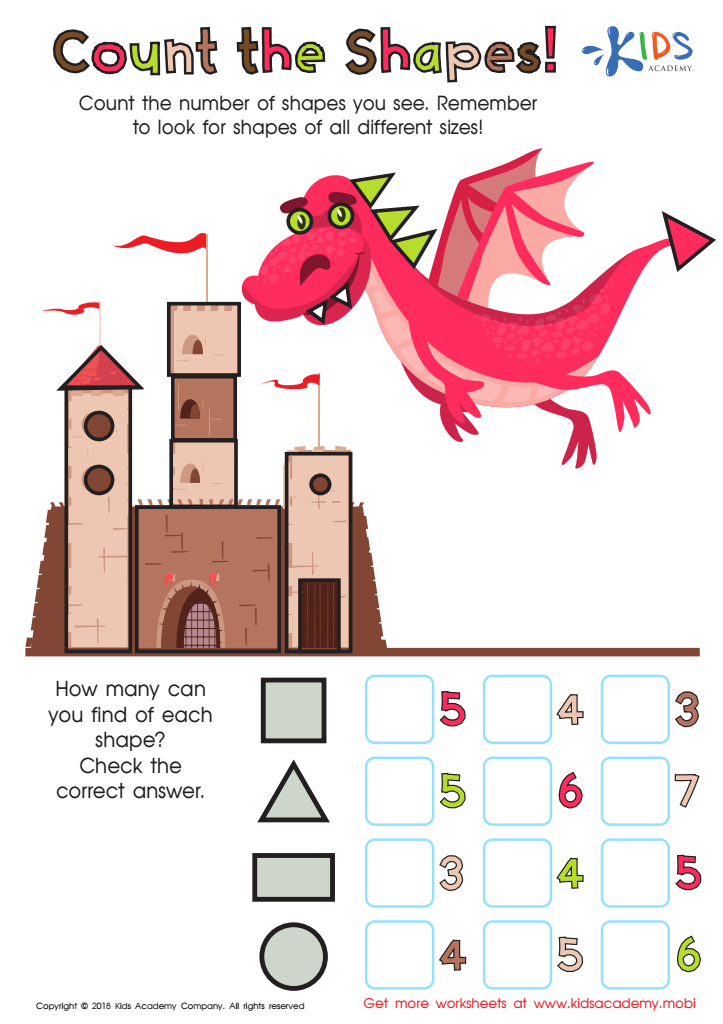
Count the Shapes Worksheet
This fun and learning worksheet is perfect for sharpening visual discrimination skills. Kids search a castle picture featuring a dragon and identify shapes, counting circles, squares, triangles and rectangles. Checking the correct box beside the number, they practice shape identification and counting. Download now and get started!
 Assign to My Students
Count the Shapes Worksheet
Worksheet


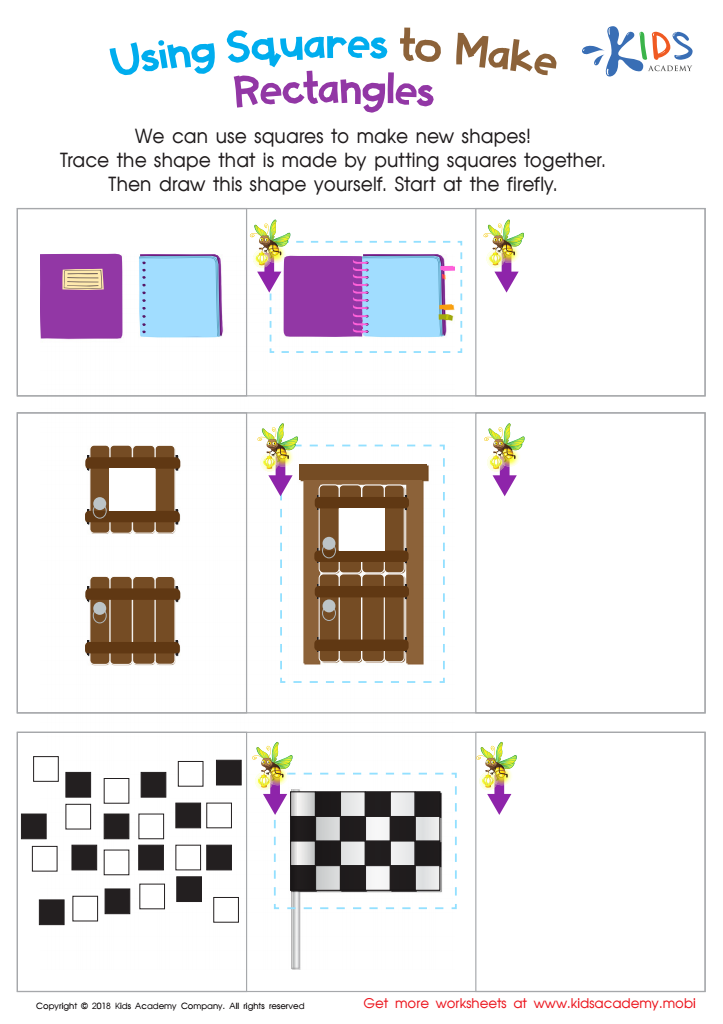
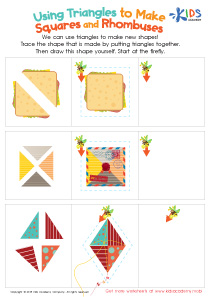
Using Squares to Make Rectangles Worksheet
Creating shapes from other shapes (composing shapes) develops spatial skills, an essential geometry standard for young students. This worksheet introduces familiar square objects, then demonstrates how they create rectangles. Students practice tracing and then drawing the shape independently. Download this free math resource for the classroom today! (80 words)
Using Squares to Make Rectangles Worksheet
Worksheet
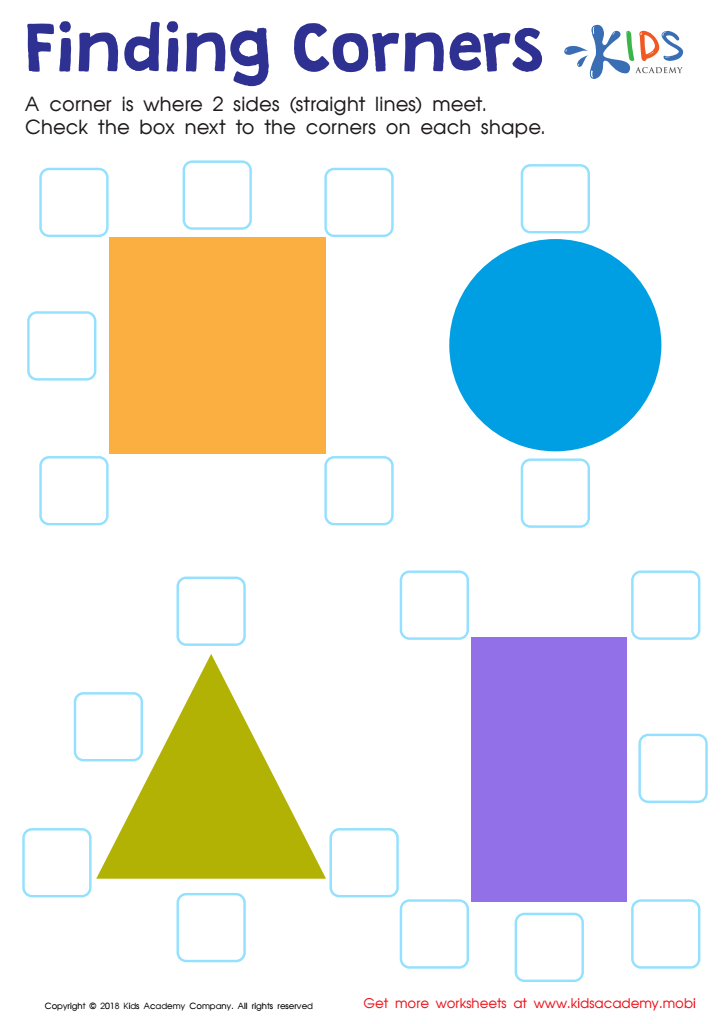
Finding Corners Worksheet
This vibrant worksheet introduces young learners to the fundamentals of geometric shapes. Through the downloadable PDF, they'll develop an understanding of corners - the intersection of two line segments - and how to identify them on different shapes. Fun colors and boxes let them label corners, helping them master this concept for future geometric reasoning.
Finding Corners Worksheet
Worksheet
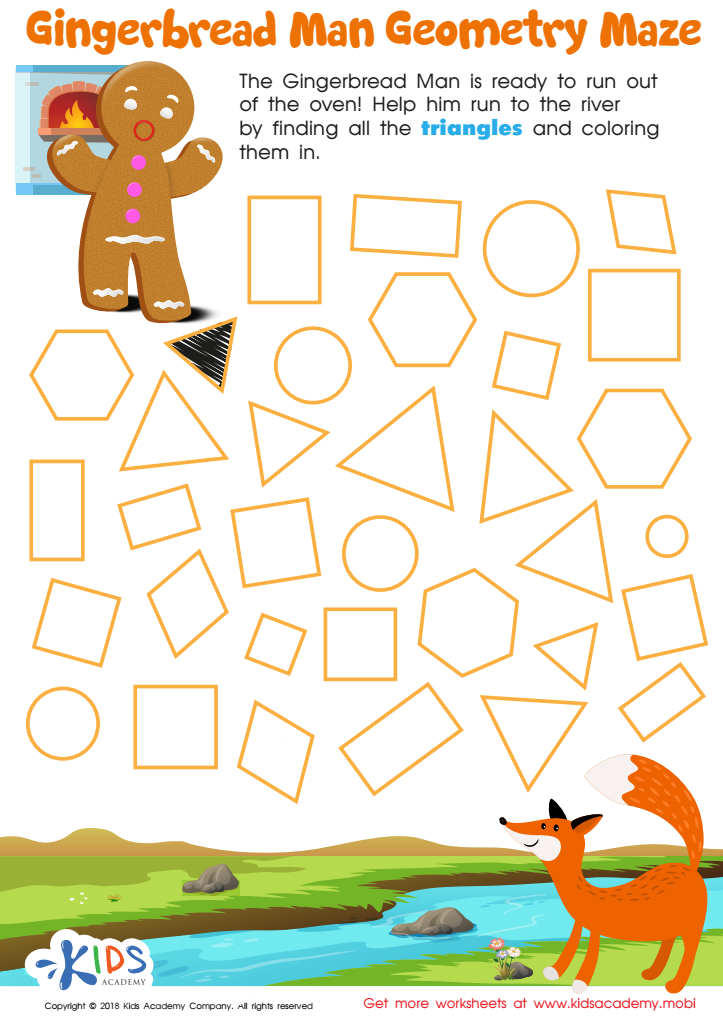
Gingerbread Man Geometry Maze Worksheet
Help a beloved character escape the oven! Kids race through a sea of geometrical shapes, searching for triangles of various sizes. With this free worksheet, they can have fun while learning about similarity of geometrical shapes concepts. Run, run, run as fast as they can!
Gingerbread Man Geometry Maze Worksheet
Worksheet
Join Kids Academy for Free
Who is primarily going to use this learning content?








Counting skills and knowledge of 2D shapes are foundational components of early childhood education, and they significantly influence a child’s cognitive and academic development. For children aged 6-7, mastering counting skills fosters not only basic numeracy but also critical thinking and problem-solving abilities. It lays the groundwork for more complex mathematical concepts such as addition, subtraction, and later, multiplication and division. Proficiency in counting helps children understand order, sequence, patterns, and enables them to engage confidently in activities that require quantitative discernment.
Learning about 2D shapes is equally crucial at this stage. It helps young learners develop spatial awareness and geometric thinking, both of which are essential for more advanced mathematics and everyday situations. Recognizing and naming shapes such as circles, squares, triangles, and rectangles build a child's vocabulary and communication skills, allowing them to describe the world around them more precisely. These skills transcend math class; they contribute to artistic ability, pattern recognition, and even tasks such as reading and writing, where understanding shapes and spaces is essential.
Parents and teachers should actively encourage the development of these fundamental skills to provide children with a solid educational foundation, setting them up for future success in various disciplines and everyday life.