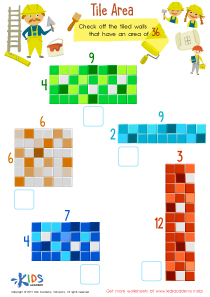
Fine Motor Skills Normal Matching Worksheets for Ages 6-7
3 filtered results
Difficulty Level
Grade
Age
-
From - To
Subject
Activity
Standards
Enhance your child's fine motor skills with our engaging Normal Matching Worksheets for ages 6-7! Designed specifically for young learners, these worksheets promote hand-eye coordination, strengthen dexterity, and refine grasping techniques through fun and interactive matching activities. Each worksheet features vibrant images and familiar concepts, making learning enjoyable and effective. Ideal for both home and classroom use, these resources are perfect for early education settings. Your child will improve concentration and spatial awareness while having a blast matching items. Download our fine motor skills worksheets today and watch your child’s abilities flourish! Perfect for aspiring little learners aiming for success!
Favorites
With answer key
Interactive
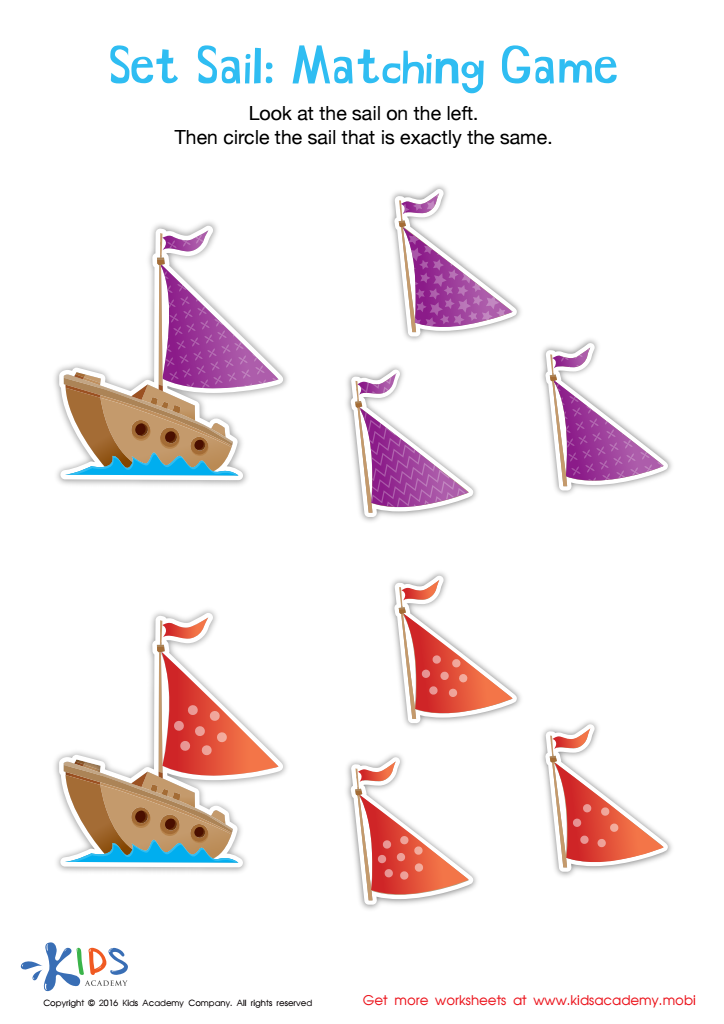
Set Sail Worksheet
Set sail with this fun matching game for toddlers! Kids will love finding the same pattern on the sails, improving their problem-solving and counting skills. Enjoy this bright and engaging worksheet!
 Assign to My Students
Set Sail Worksheet
Worksheet
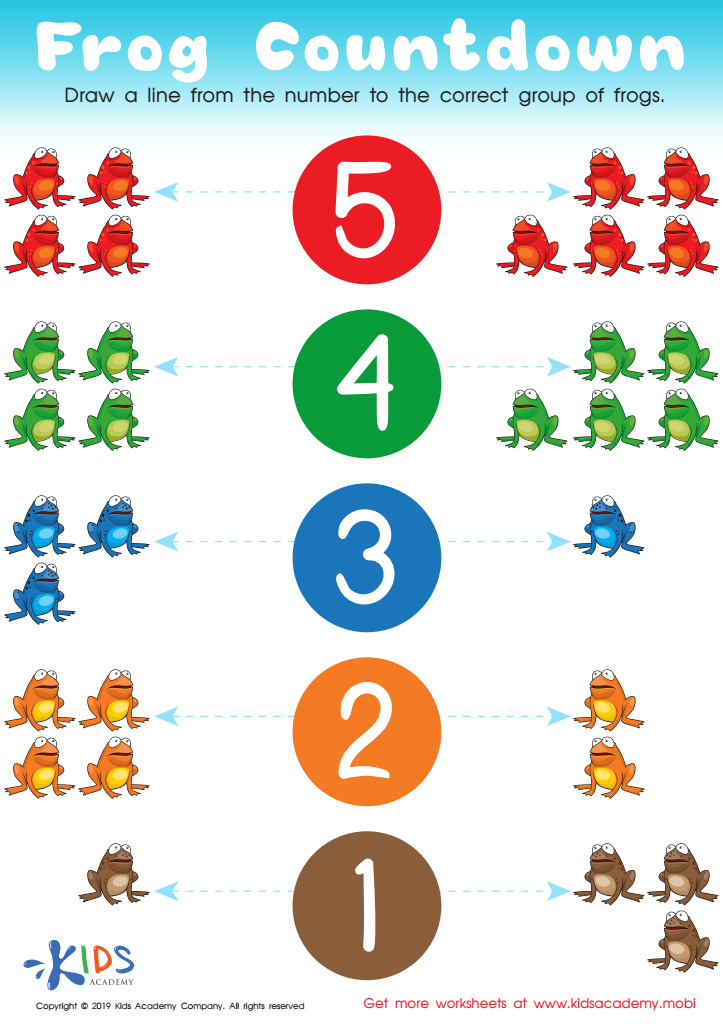
Frog Countdown Worksheet
Make learning fun for kids with traceable printouts! This exercise has kids counting frogs and drawing a line to match the number. Expand their knowledge with activities like this, beyond the basics they learn in school. Help them explore new ways of learning and make it enjoyable.
Frog Countdown Worksheet
Worksheet
Join Kids Academy for Free
Who is primarily going to use this learning content?








Fine motor skills are crucial for children aged 6-7 as they significantly influence a child's overall development and learning success. During this age, children are expected to complete more complex tasks that require precise hand-eye coordination, such as writing, drawing, and performing tasks like cutting with scissors. Mastering these skills not only enhances their ability to express themselves through art and writing but also builds a foundation for more advanced skills used in academics and other activities.
Parents and teachers should care about fine motor skills because they play an essential role in fostering a child's independence and self-esteem. When children can confidently complete tasks like dressing themselves, tying their shoes, or engaging in crafts, they feel a sense of accomplishment that promotes positive self-image. Additionally, strong fine motor skills contribute to academic success as they prepare children for structured learning environments; poor fine motor development can lead to frustration and difficulties in writing and other important tasks.
Correctly matching fine motor skills to age-appropriate expectations allows educators and parents to identify areas requiring support, ensuring that children reach their full potential. By emphasizing fine motor development, we empower children with the tools they need for both academic and social success.