Animal recognition Normal Numbers 0–10 Worksheets for Ages 6-7
3 filtered results
-
From - To
Welcome to our engaging "Animal Recognition Normal Numbers 0–10 Worksheets" designed specifically for ages 6-7! These worksheets blend exciting animal themes with essential number skills, providing an enjoyable learning experience for young learners. Children will practice recognizing animals while they develop their understanding of numbers 0-10, fostering both cognitive and creative growth. With colorful illustrations and interactive tasks, students will enhance their number recognition and counting abilities. Perfect for early grade classrooms or home learning activities, these worksheets make learning fun and effective. Explore our resources to spark curiosity and boost confidence in your child's mathematical journey!
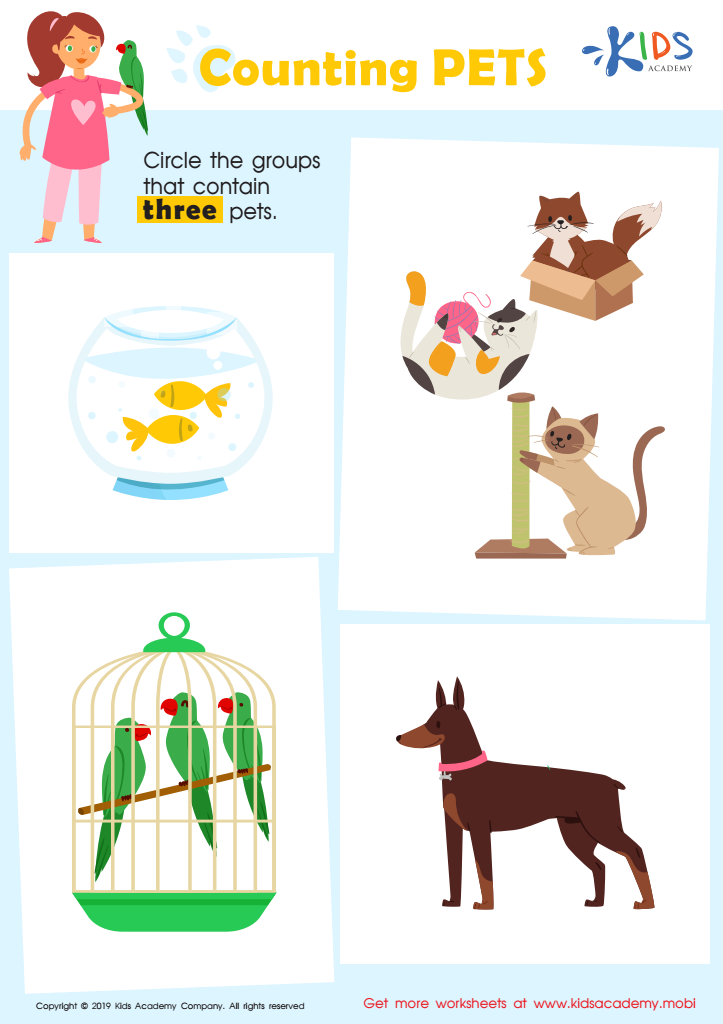
Counting Pets Worksheet
 Assign to My Students
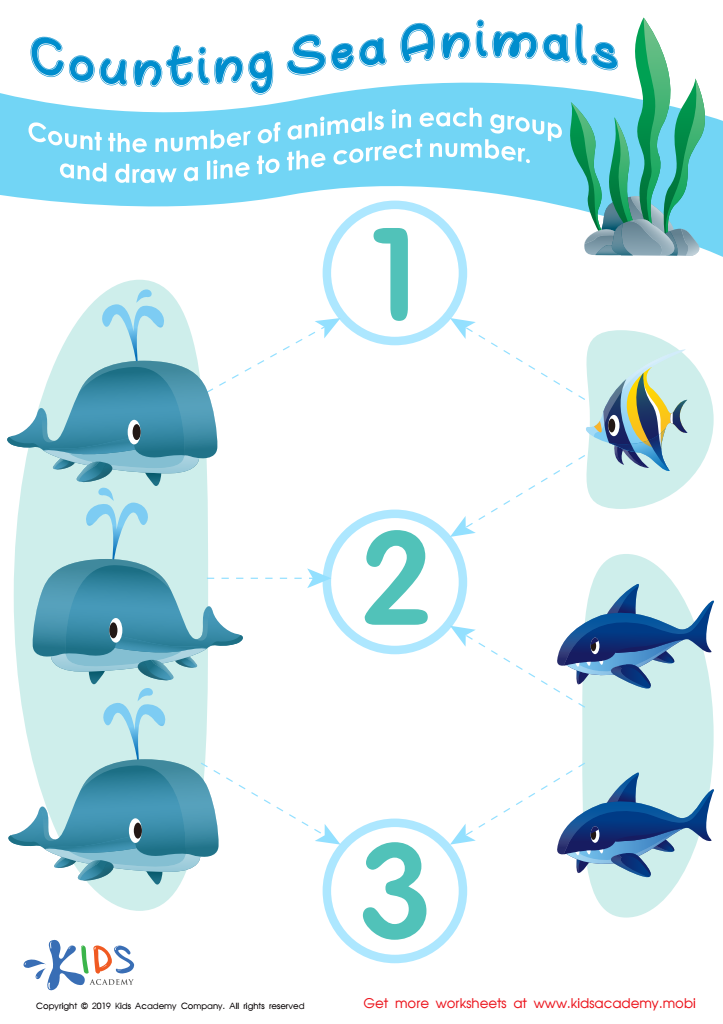
Counting Sea Animals Worksheet
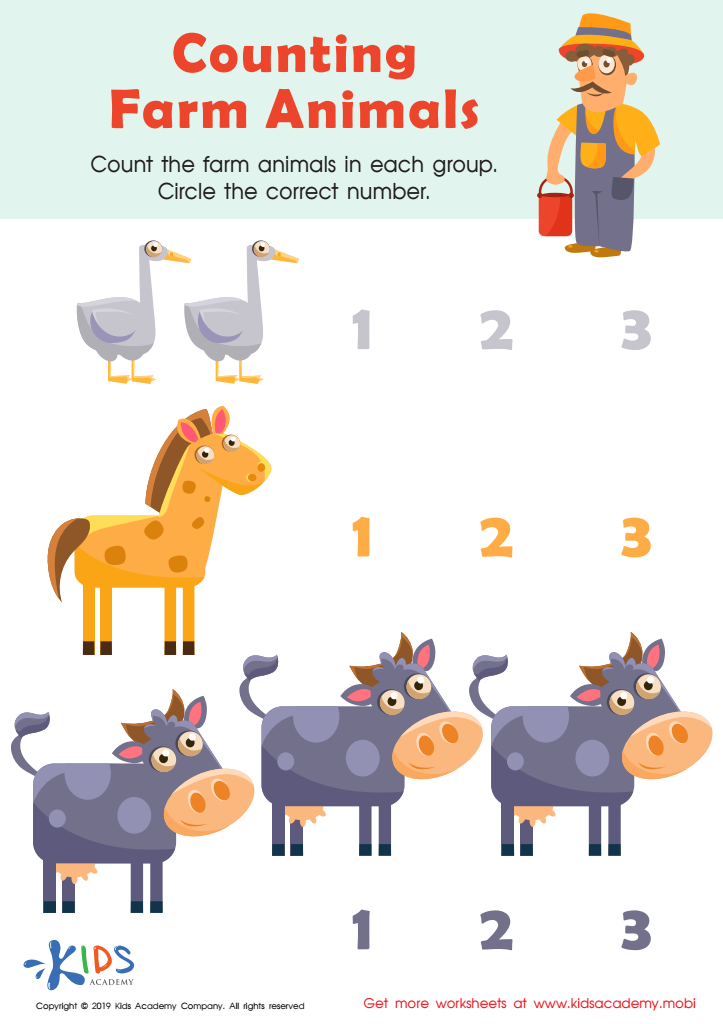
Counting Farm Animals Worksheet








Animal recognition and normal number understanding from 0 to 10 are crucial skills for children aged 6-7, and parents and teachers play an essential role in fostering these abilities. Firstly, recognizing animals helps children connect with the natural world and promotes curiosity about their environment. This connection increases vocabulary, improves observational skills, and allows children to make associations between animals and their habitats or behaviors.
Furthermore, understanding numbers from 0 to 10 establishes a foundational math literacy, vital for future academic success. Mastery of these numbers allows children to grasp basic mathematical concepts such as counting, addition, and subtraction. By integrating animal recognition with number learning—like counting legs, tails, or other features of animals—children can enhance cognitive skills in a fun and engaging manner.
Encouraging these skills through play and interactive activities facilitates critical thinking and problem-solving abilities. Engaging parents and teachers in this process supports social learning and builds confidence as children explore new concepts together. Ultimately, by caring about and investing time in animal recognition and number literacy, parents and teachers help cultivate well-rounded learners prepared for more complex subjects in the future.