Filters

6 filtered results

Clear all filters
Favorites
With answer key
Interactive

6 filtered results

Difficulty Level

Grade


Introduce your child to the world of numbers with our Basic Math Skills Normal Numbers 0-10 Worksheets, designed specifically for ages 6-7! These engaging and interactive worksheets help young learners develop essential math skills by focusing on recognizing, counting, and manipulating numbers from 0 to 10. Tailored to make learning fun, our resources feature vibrant visuals and varied exercises that enhance understanding and retention. Perfect for classrooms or home schooling, these worksheets promote confidence and competence in foundational math. Foster your child's early math readiness today and watch them thrive as they explore the exciting world of numbers!

Check out this FREE Trial Lesson on Numbers 0–10 for age 6-7!

Match Numerals to Quantities

Favorites
With answer key
Interactive
  • 6-7
  • Basic Math Skills
  • Numbers 0–10
  • Normal
Counting Practice for Preschool

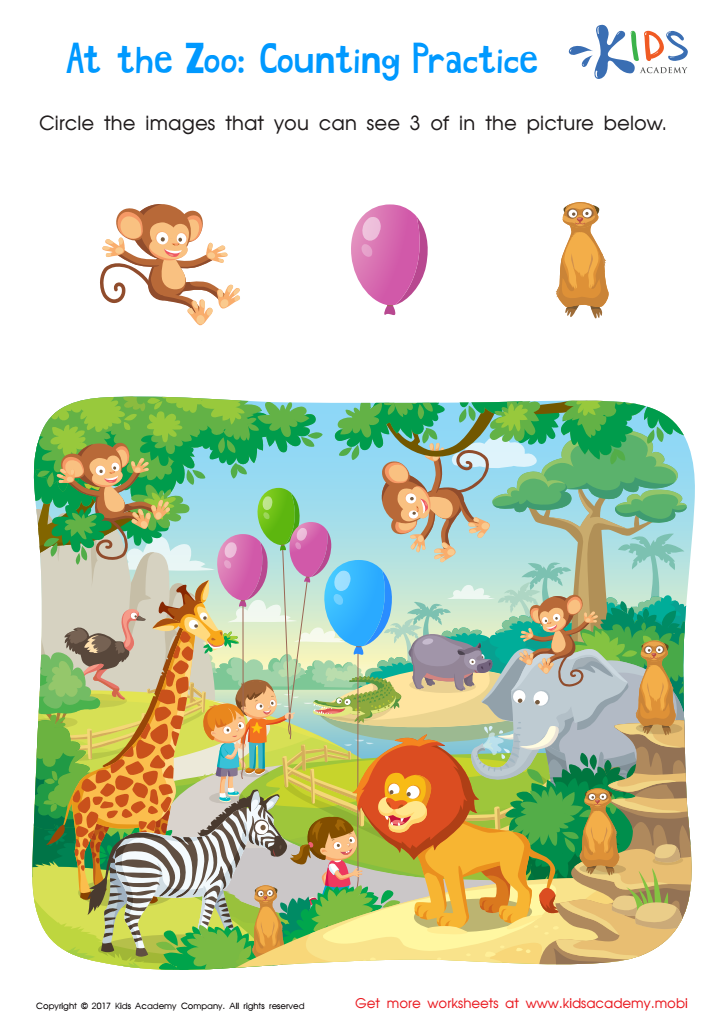
At the Zoo: Counting Practice Worksheet

This zoo-themed worksheet is perfect for practicing early counting skills and following directions. Your child will rule out incorrect answers and use problem solving to find images with duplicates. Fun and educational, this worksheet will get your preschooler ready for early math!
At the Zoo: Counting Practice Worksheet
Worksheet
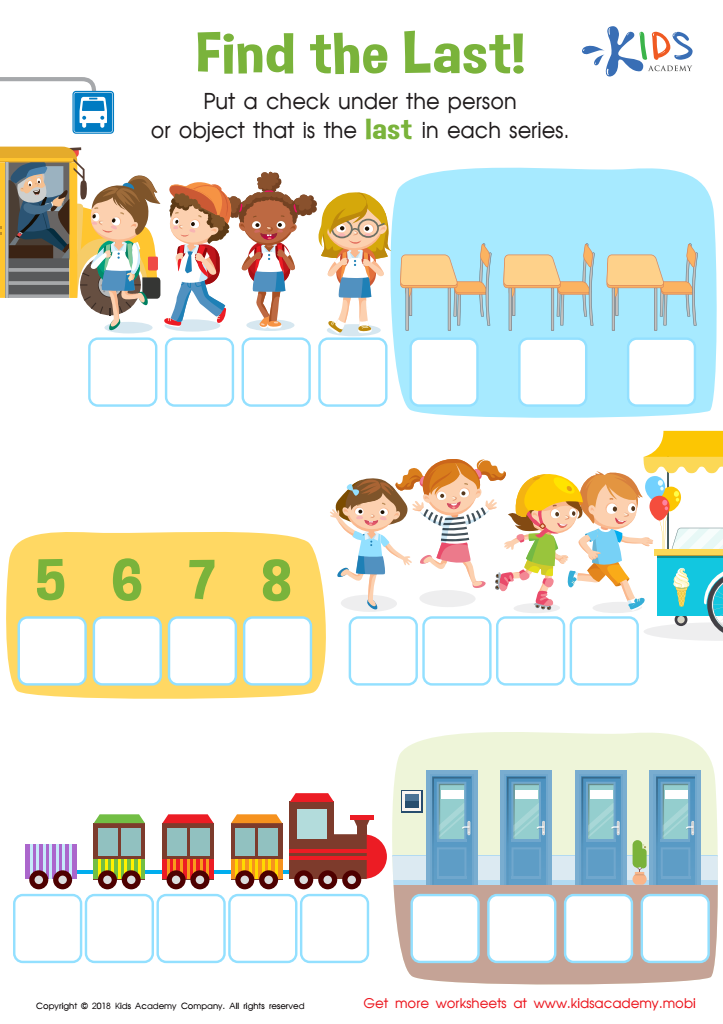
Find the Last! Worksheet

Find the Last! Worksheet

Teach young students about sequence words with this free worksheet. Have them look at sets of people or objects and choose the one that is last. Engage them further by having them describe or act out their day, and what happens last? Enjoy this printout and have fun!
Find the Last! Worksheet
Worksheet
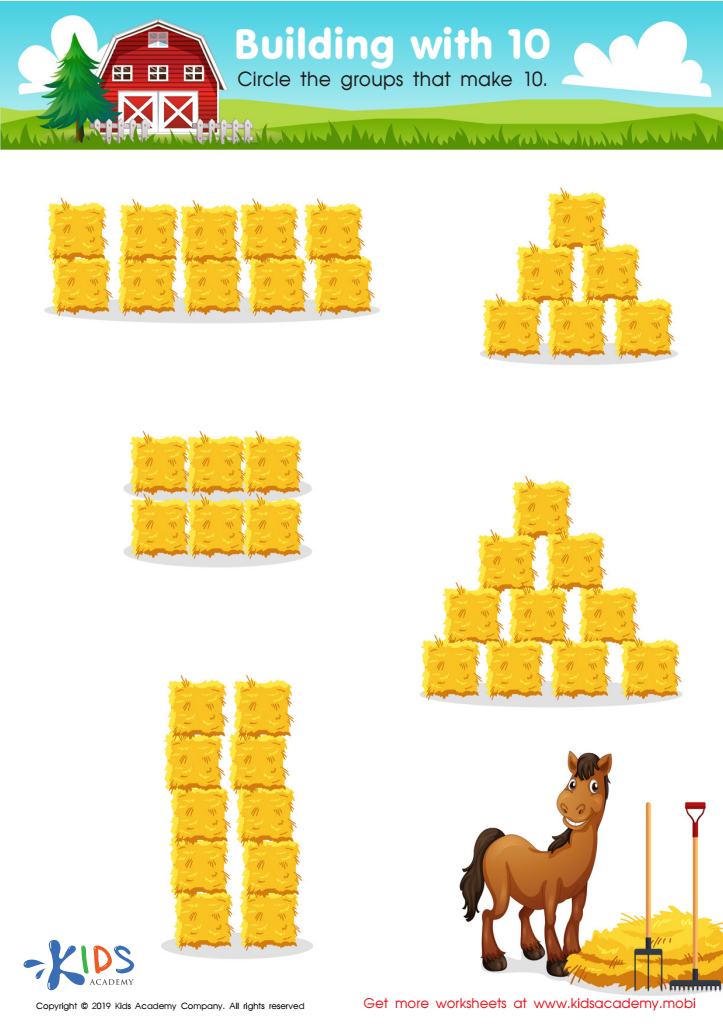
Building with 10 Worksheet

Building with 10 Worksheet

Counting numbers can be simple with this worksheet: Ask your kids to count the stacks of objects, ensure accuracy with your help, then circle the ones of ten. With practice and guidance, your children will soon become counting pros!
Building with 10 Worksheet
Worksheet
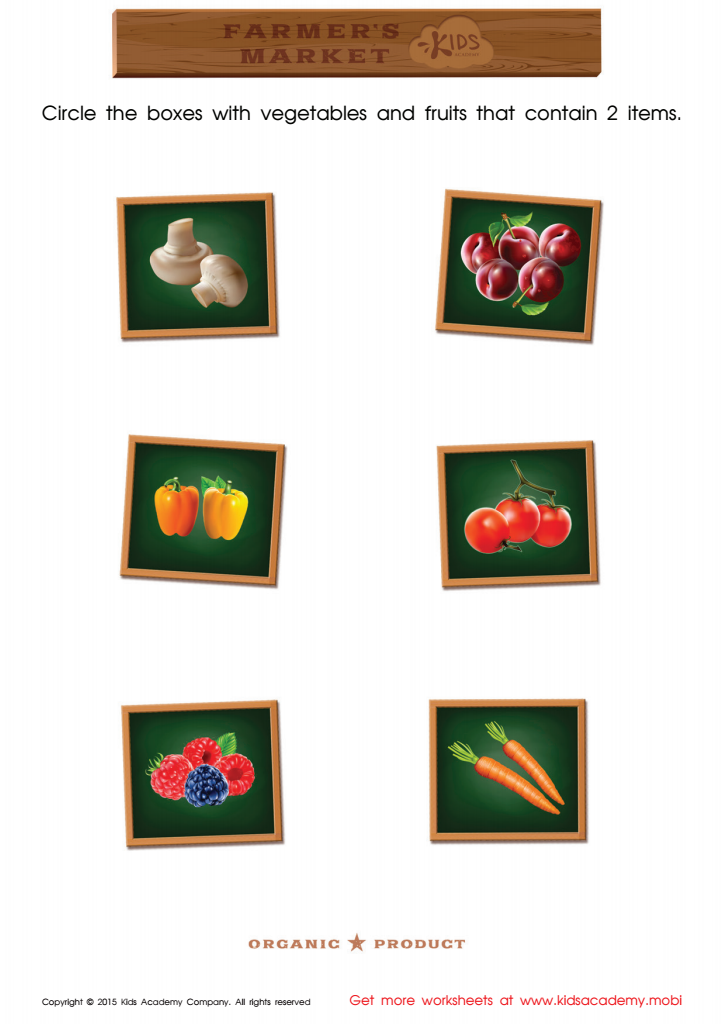
Math PDF Worksheets - Count and Match Vegetables and Points

Count and Match Vegetables and Points Math Worksheet
Make your kids excited about math with this free printable kindergarten worksheet! Kids will count up to seven and match boxes with the same number of vegetables. Visualizing the task with this worksheet layout will entertain them while they practice math. Download additional worksheets by topic on Kids Academy.
Count and Match Vegetables and Points Math Worksheet
Worksheet
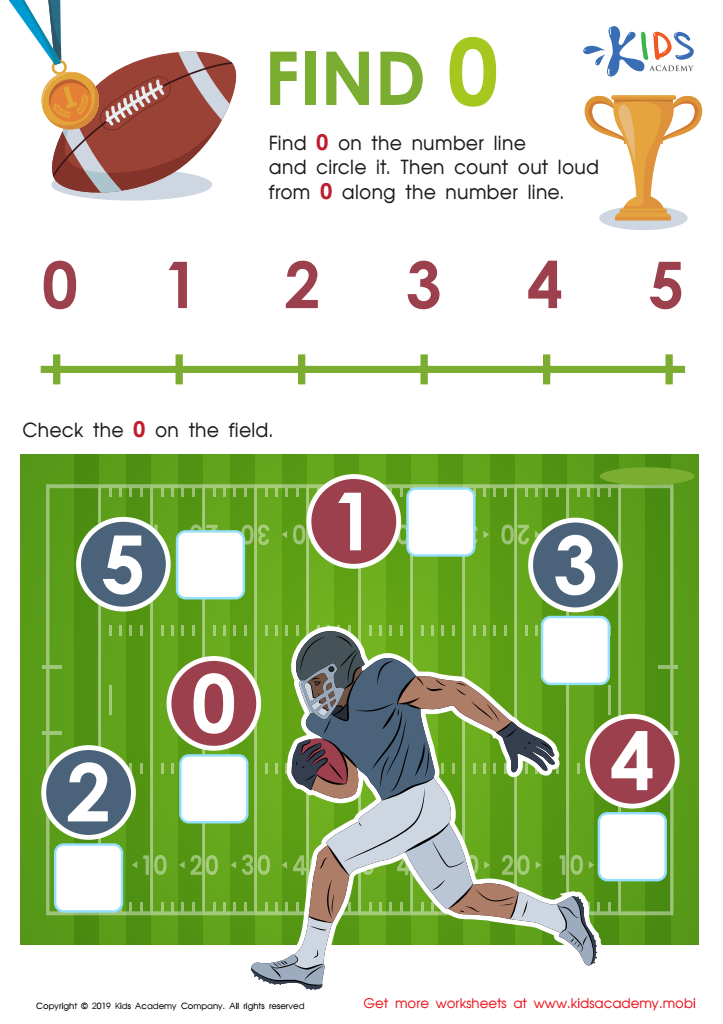
Find 0 Worksheet
Find 0 Worksheet

Find 0 Worksheet

Help make number learning easier with this worksheet! Ask your students to find and circle 0 on the number line, then count aloud from 0 to the last number. It might not be their favorite subject, but it's unavoidable - and with this worksheet, they'll be counting like pros!
Find 0 Worksheet
Worksheet
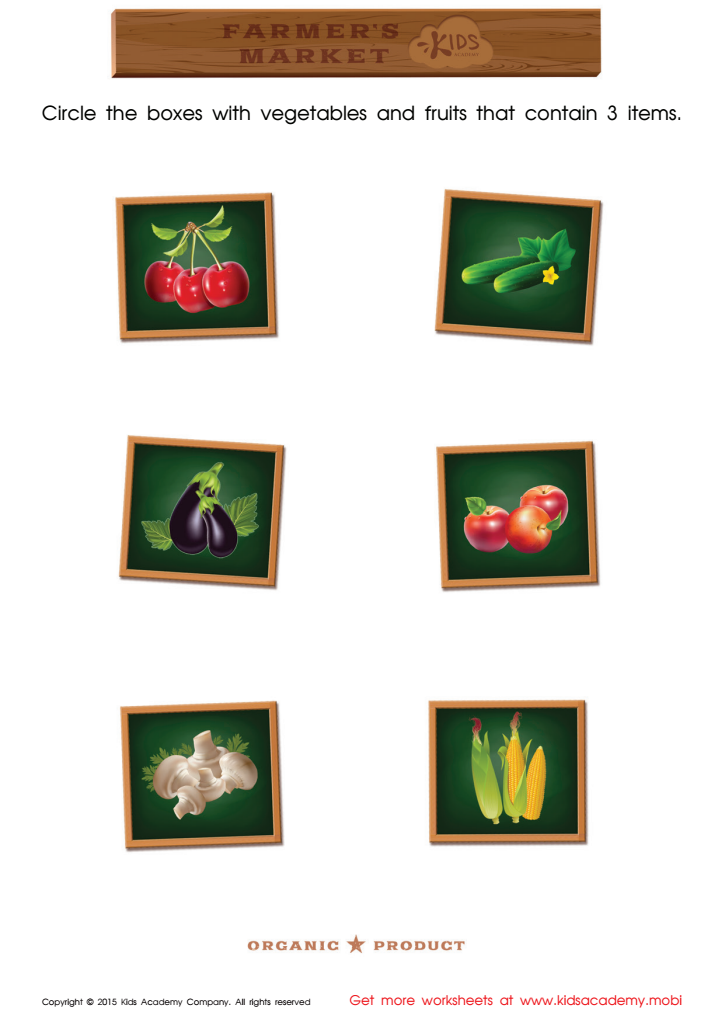
Math PDF Worksheets - Count and Match Vegetables: 1 – 5

Count and Match Vegetables 1 – 5 Math Worksheet

Get your kindergartener to match the same number of vegetables with the boxes using this fantastic math worksheet. Using the Singapore approach, this printable worksheet makes math problems easy and fun for kids. Want more free worksheets? Click here for Kids Academy's selection!
Count and Match Vegetables 1 – 5 Math Worksheet

Worksheet


Basic math skills involving normal numbers 0–10 are vital for children aged 6-7, primarily because they serve as the foundation for all future mathematical concepts. At this age, children are developing cognitive abilities and learning through hands-on activities. Familiarity with numbers 0–10 enables them to engage with their environment effectively, fostering skills in problem-solving and logical reasoning.

Teachers and parents should recognize that mastering these fundamental skills enhances a child’s confidence and encourages a positive attitude towards learning. Engaging in activities like counting objects, simple addition and subtraction, or number games not only makes learning enjoyable but also helps solidify their understanding of quantity and basic computation.

Furthermore, basic math proficiency contributes to literacy; recognizing numbered sequences improves attention to detail and analysis. It is also crucial for everyday tasks such as telling time, understanding money, and measuring ingredients during cooking.

A strong foundation in basic math allows children to tackle more complex mathematical concepts as they progress in school. Supporting children in this foundational stage ensures they develop essential skills that pave the way for academic success and lifelong learning. Consequently, investing time in these early math competencies will yield significant long-term educational benefits.