Fine Motor Skills Normal Reading Comprehension Worksheets for Ages 6-7
4 filtered results
-
From - To
Our Fine Motor Skills Normal Reading Comprehension Worksheets for ages 6-7 are expertly crafted to blend literacy development with fine motor mastery. These engaging worksheets enhance young readers’ comprehension abilities while strengthening their hand coordination, pencil control, and dexterity. Each activity integrates fun, age-appropriate stories and interactive tasks that capture the children's interest, making learning enjoyable. By combining the crucial elements of reading and writing, these worksheets provide a well-rounded approach to early education, ensuring that children develop essential skills for academic success. Perfect for classroom use or at-home practice, these resources are a fantastic aid in nurturing your child's intellectual and motor growth.
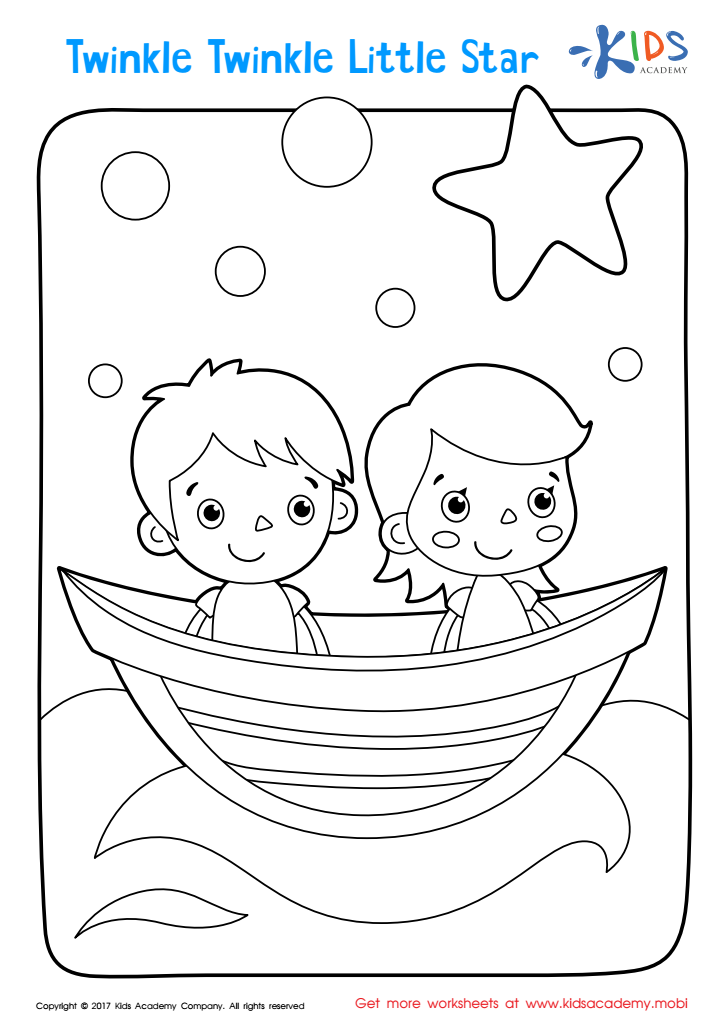
Twinkle Twinkle Little Star Coloring Page
 Assign to My Students
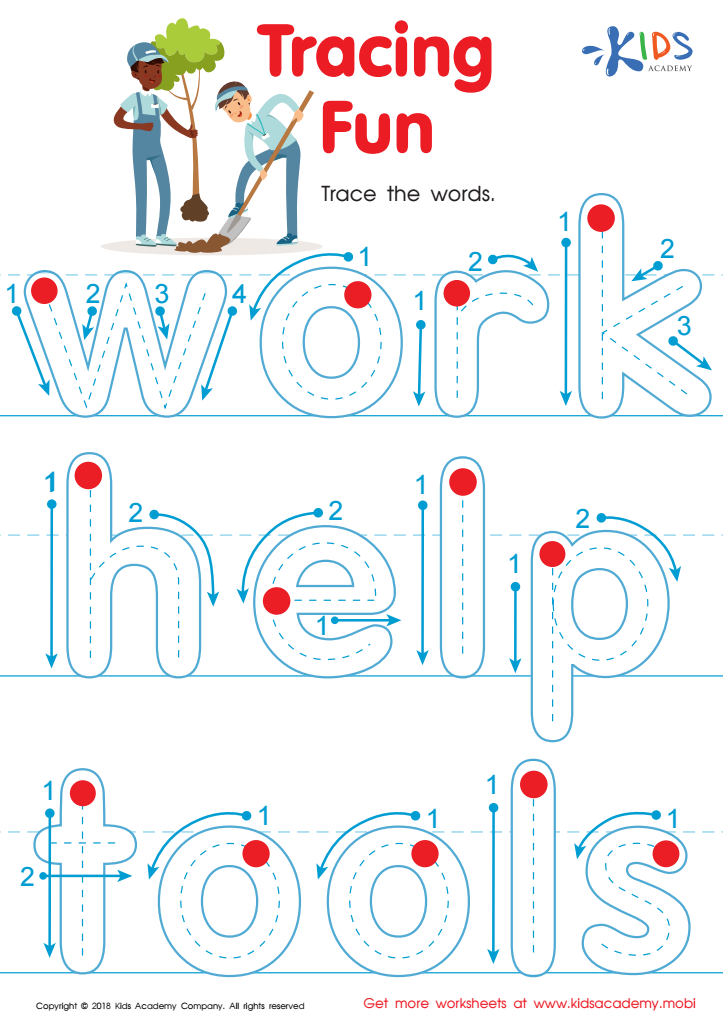
Tracing Fun Worksheet
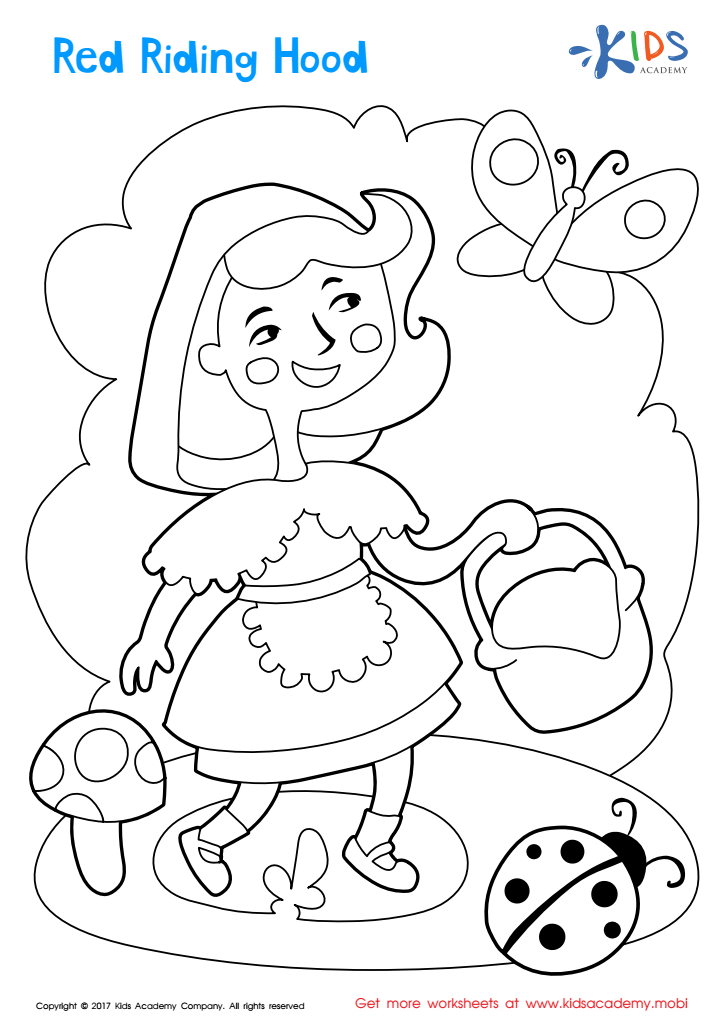
Red Riding Hood Coloring Page
Assign to My Students
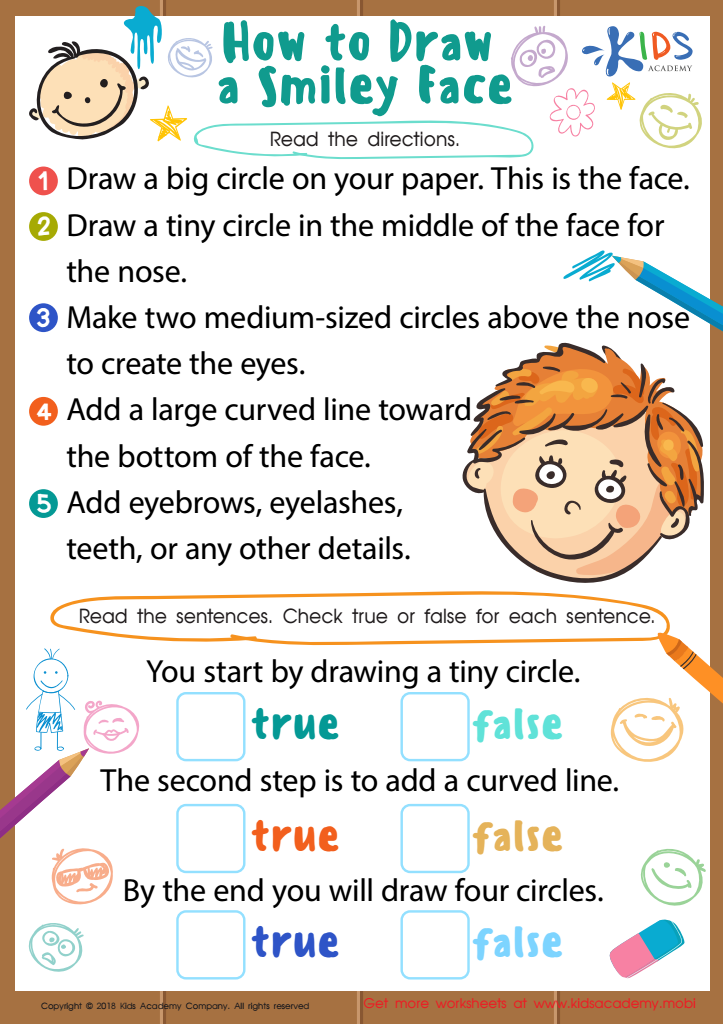
How to Draw a Smiley Face Worksheet




.jpg)


Fine motor skills are critical for children ages 6-7 because they significantly impact their overall development and academic success. At this age, children are expected to perform tasks that require precise hand-eye coordination, such as writing, drawing, and cutting. Effective fine motor skills support the ability to form letters correctly and control a pencil, which are foundational for legible handwriting. Handwriting, in turn, is closely linked to reading and comprehension; a child who can write clearly is better equipped to keep up with class assignments and express their thoughts coherently.
Reading comprehension is another pillar of early academic growth. Children in this age group transition from learning to read to reading to learn. Having strong fine motor skills aids this process by enabling the child to manipulate books, turn pages efficiently, and underline or highlight important parts of a text if needed.
When fine motor skills and reading comprehension are both nurtured, children are more likely to succeed academically and develop greater confidence. Therefore, parents and teachers should prioritize activities that strengthen these skills, such as puzzles, arts and crafts, and reading together. This dual focus not only supports academic performance but also encourages lifelong learning and adaptation skills in various aspects of life.








