Understanding context Normal Reading Comprehension Worksheets for Ages 6-7
4 filtered results
-
From - To
Discover engaging Normal Reading Comprehension Worksheets tailored for ages 6-7 on Kids Academy. Designed to enhance reading abilities, these worksheets focus on "Understanding Context" to help young learners build critical foundation skills. Each worksheet features age-appropriate passages followed by questions that challenge students to infer meanings from the context. Ideal for classroom or home use, these resources promote better comprehension, vocabulary development, and critical thinking. Equip your child or students with the skills needed to understand and interpret text confidently. Explore our selection today to make reading an exciting and educational experience for your young readers!
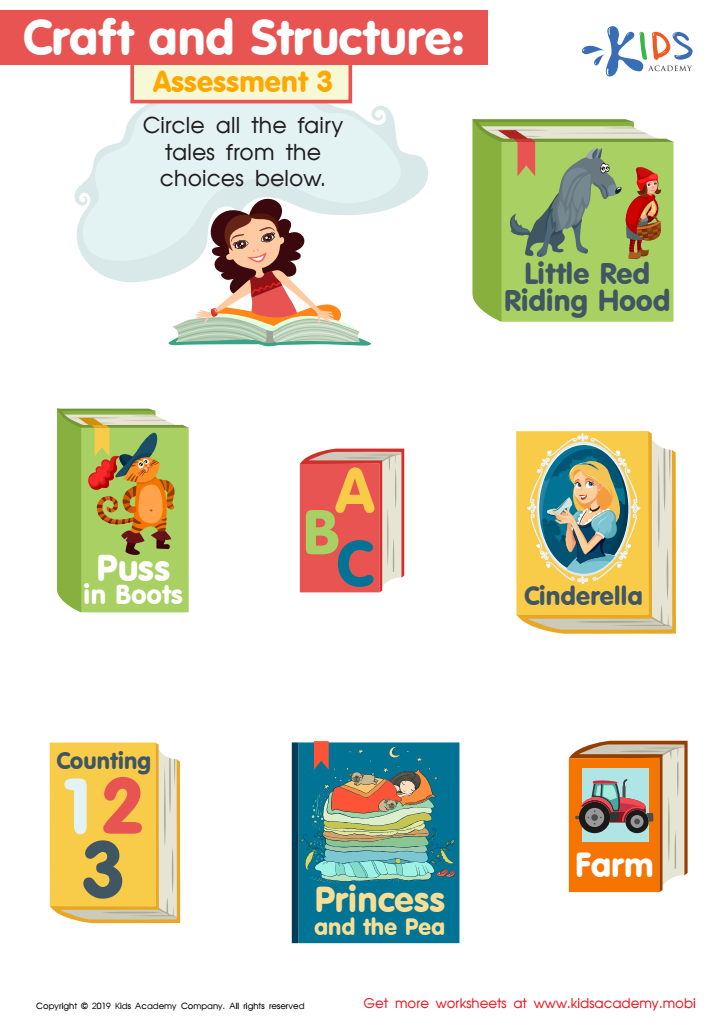
Craft and Structure: Assessment 3 Worksheet
 Assign to My Students
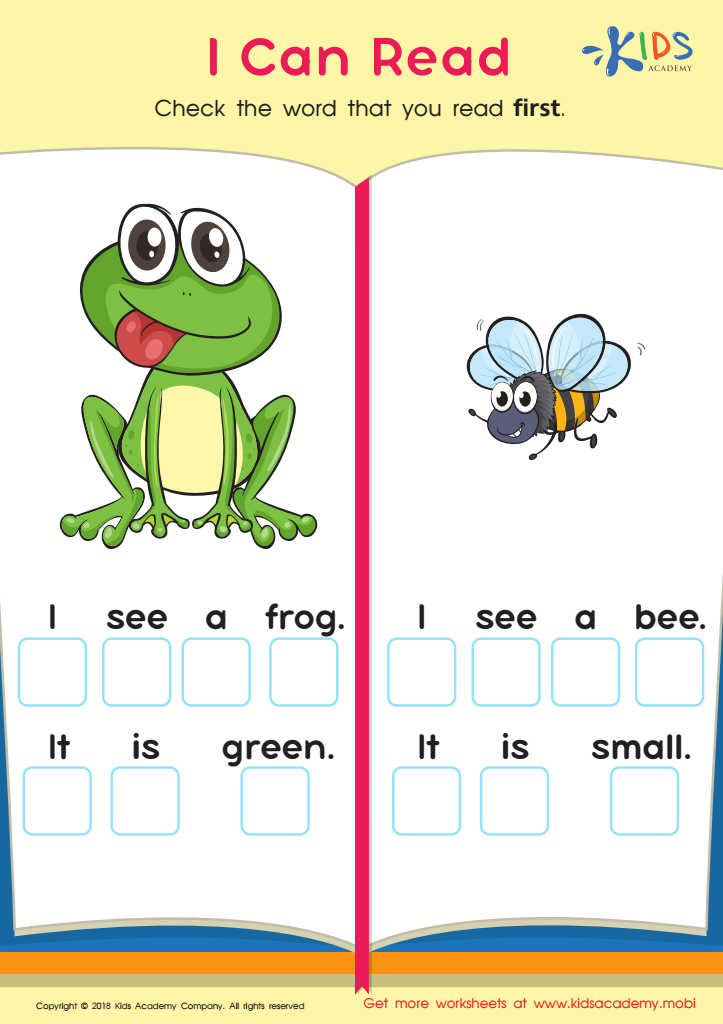
I Can Read Worksheet
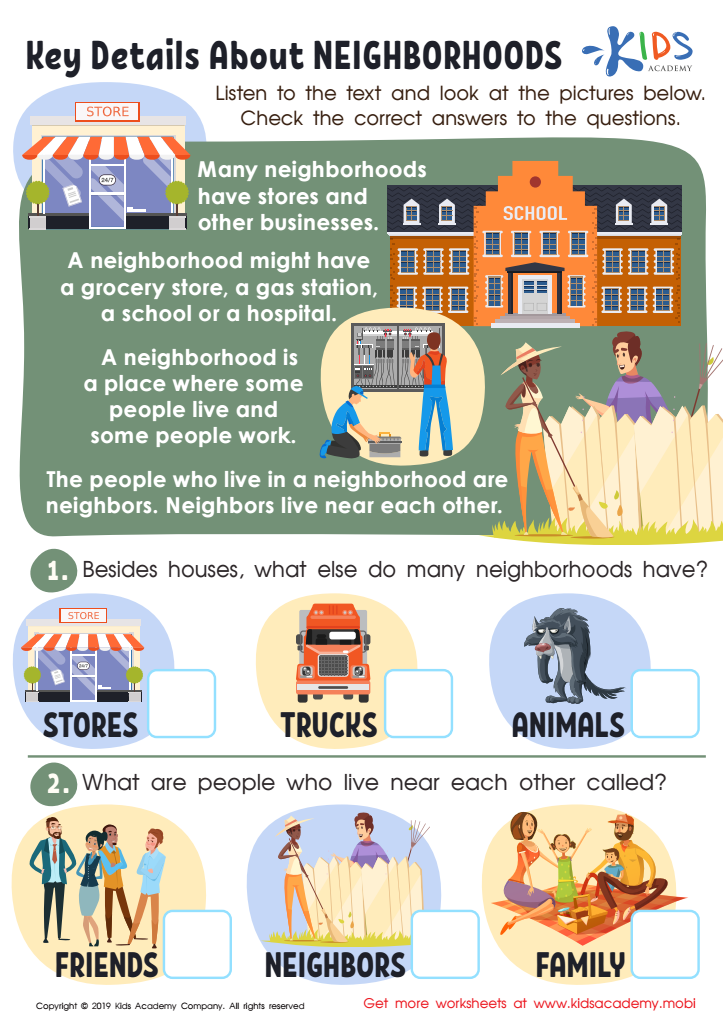
Key Details Neighborhoods Worksheet
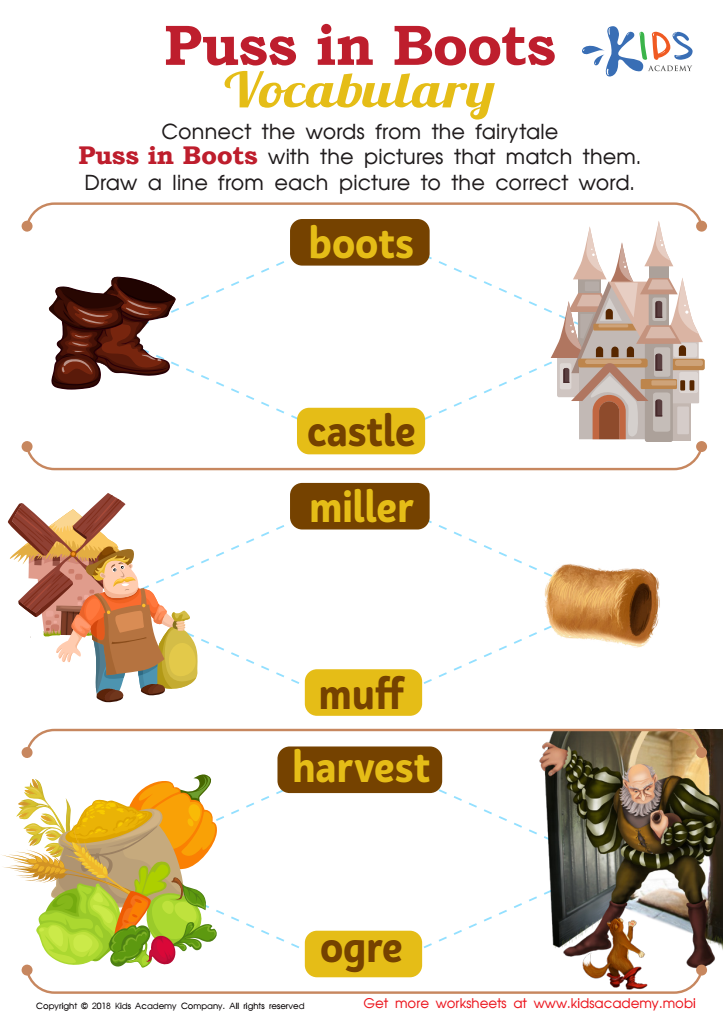
Puss in Boots Vocabulary Worksheet








Parents and teachers should care deeply about understanding context Normal Reading Comprehension for children aged 6-7 because these early years are foundational for future learning. At this stage, children transition from simple decoding of words to deeper comprehension, where understanding the context becomes paramount. By grasping the context, children can make sense of stories, instructions, and informational texts, fostering both their cognitive and emotional development.
When children understand the context, they not only grasp the literal meaning of the text but also interpret underlying messages, infer characters' motivations, and predict outcomes. This ability to read between the lines nurtures critical thinking and problem-solving skills. Additionally, good reading comprehension opens doors to a broader vocabulary, better grammar, and improved writing skills, as children encounter new words and sentence structures within different contexts.
Emotionally, reading comprehension allows children to connect with characters and scenarios, fostering empathy and social skills by recognizing and understanding others' perspectives and emotions. By prioritizing reading comprehension at this critical age, parents and teachers lay the groundwork for lifelong learning and emotional intelligence, equipping children with the skills they need to succeed academically and personally. Investing in comprehension ensures children become not just capable readers, but competent and compassionate individuals.








