Animal identification Normal Science Worksheets for Ages 6-7
5 filtered results
-
From - To
Discover our engaging Animal Identification Normal Science Worksheets designed for children ages 6-7. These worksheets provide a fun and interactive way for young learners to explore the animal kingdom while developing essential science skills. Each activity is thoughtfully crafted to enhance observation, classification, and critical thinking through vibrant visuals and straightforward tasks. Children will learn to identify various animals by their characteristics, habitats, and behaviors. Perfect for classroom use or at-home learning, these worksheets foster a love for science and nature. Equip your little ones with the knowledge they need to appreciate and understand the diverse world of animals!
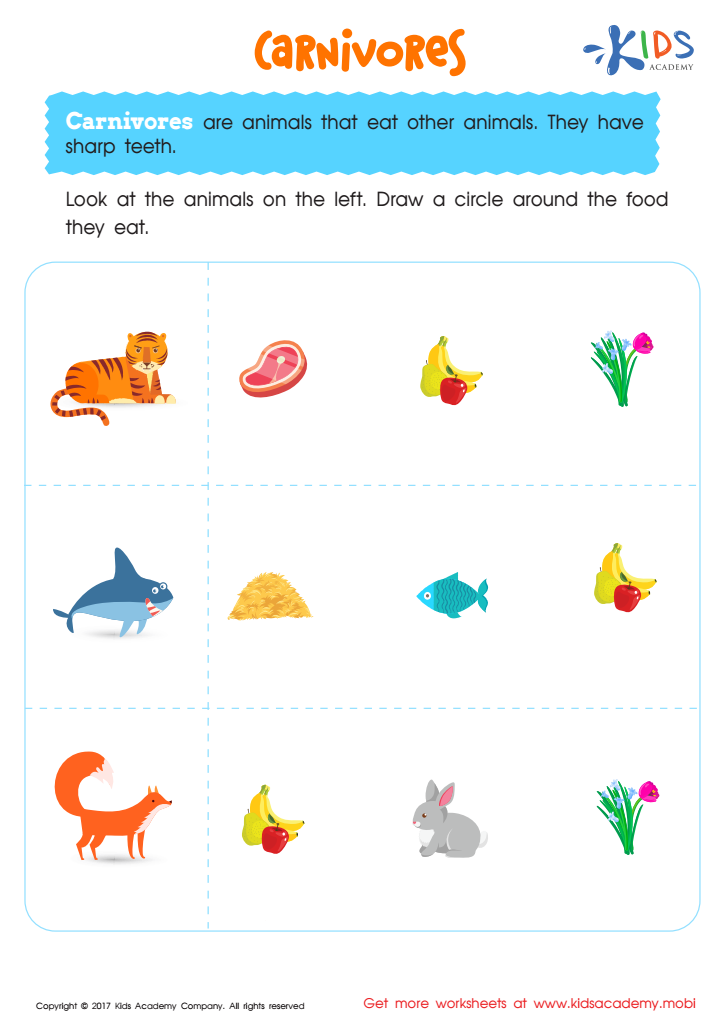
Carnivores Worksheet
 Assign to My Students
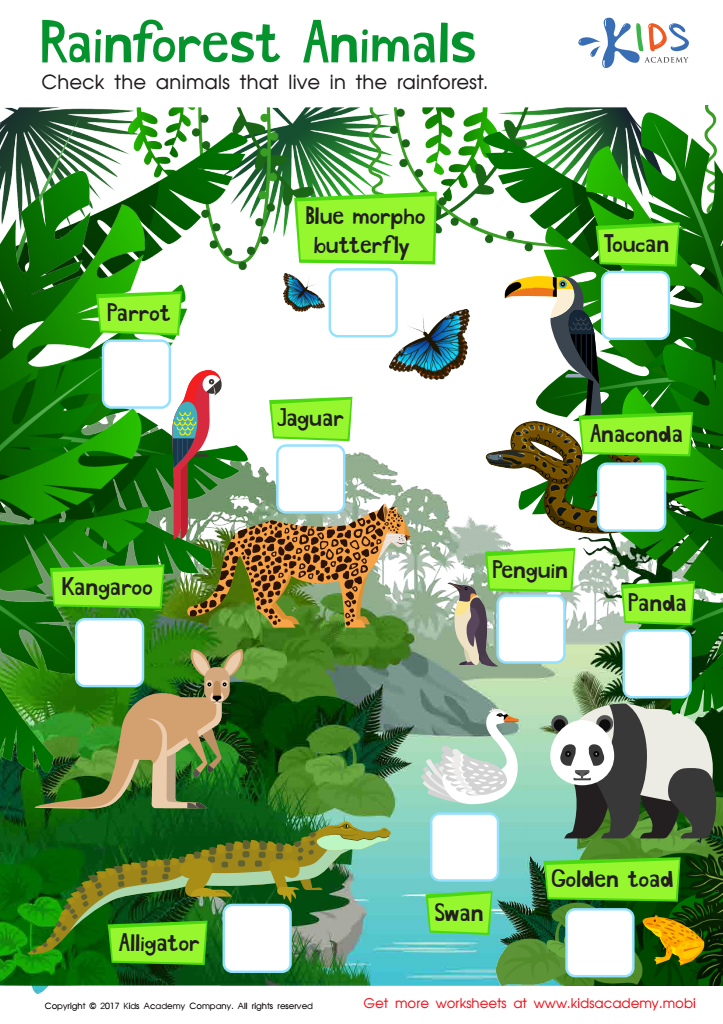
Rainforest Animals Worksheet
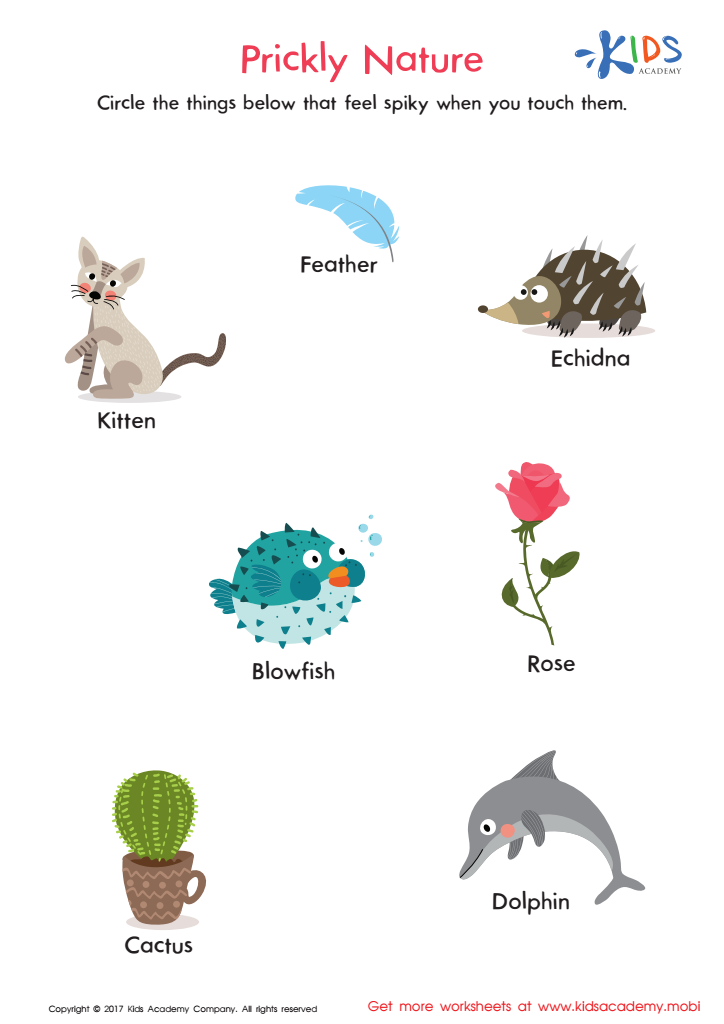
Prickly Nature Worksheet
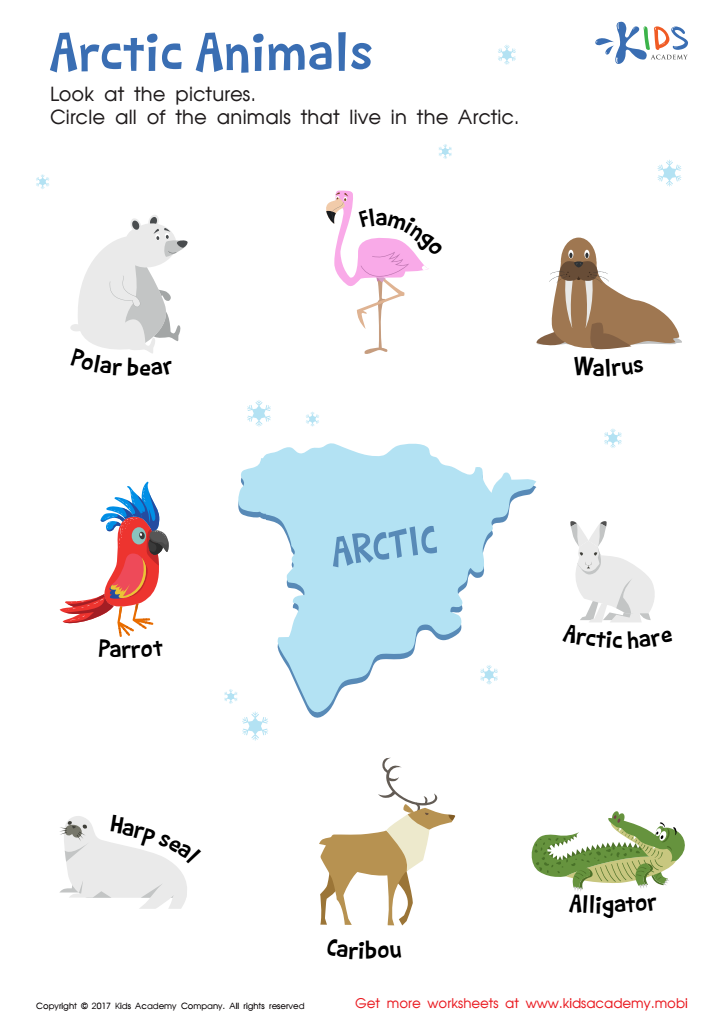
Arctic Animals Worksheet
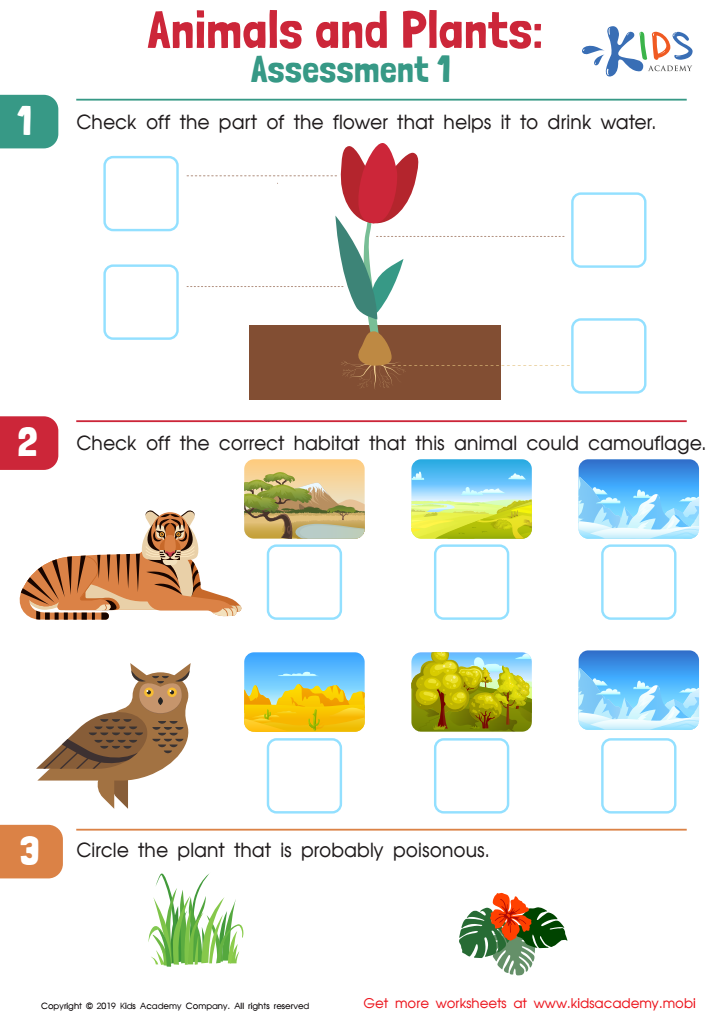
Animals and Plants: Assessment 1 Worksheet








Animal identification is an important aspect of science education for children aged 6-7, and both parents and teachers should care about its significance. At this age, children are naturally curious about the world around them. Introducing them to animal identification helps satisfy that curiosity and encourages a love for nature and science.
Understanding animal identification fosters observation skills, as children learn to recognize different species based on physical characteristics, sounds, and behaviors. This not only enhances their cognitive skills but also promotes critical thinking. Additionally, it cultivates empathy and respect for living things, as children learn about the habitats, diets, and roles of various animals in ecosystems.
Engaging in activities around animal identification also strengthens literacy and language skills. As children learn to describe animals and discuss their features and habits, they expand their vocabulary and enhance their communication abilities. Moreover, parents and teachers can integrate technology through apps and interactive games related to animal identification, making the learning process fun and engaging.
Overall, emphasizing animal identification in early education sets the foundation for responsible stewardship of the environment, nurturing environmentally-conscious individuals who appreciate biodiversity as they grow.







